



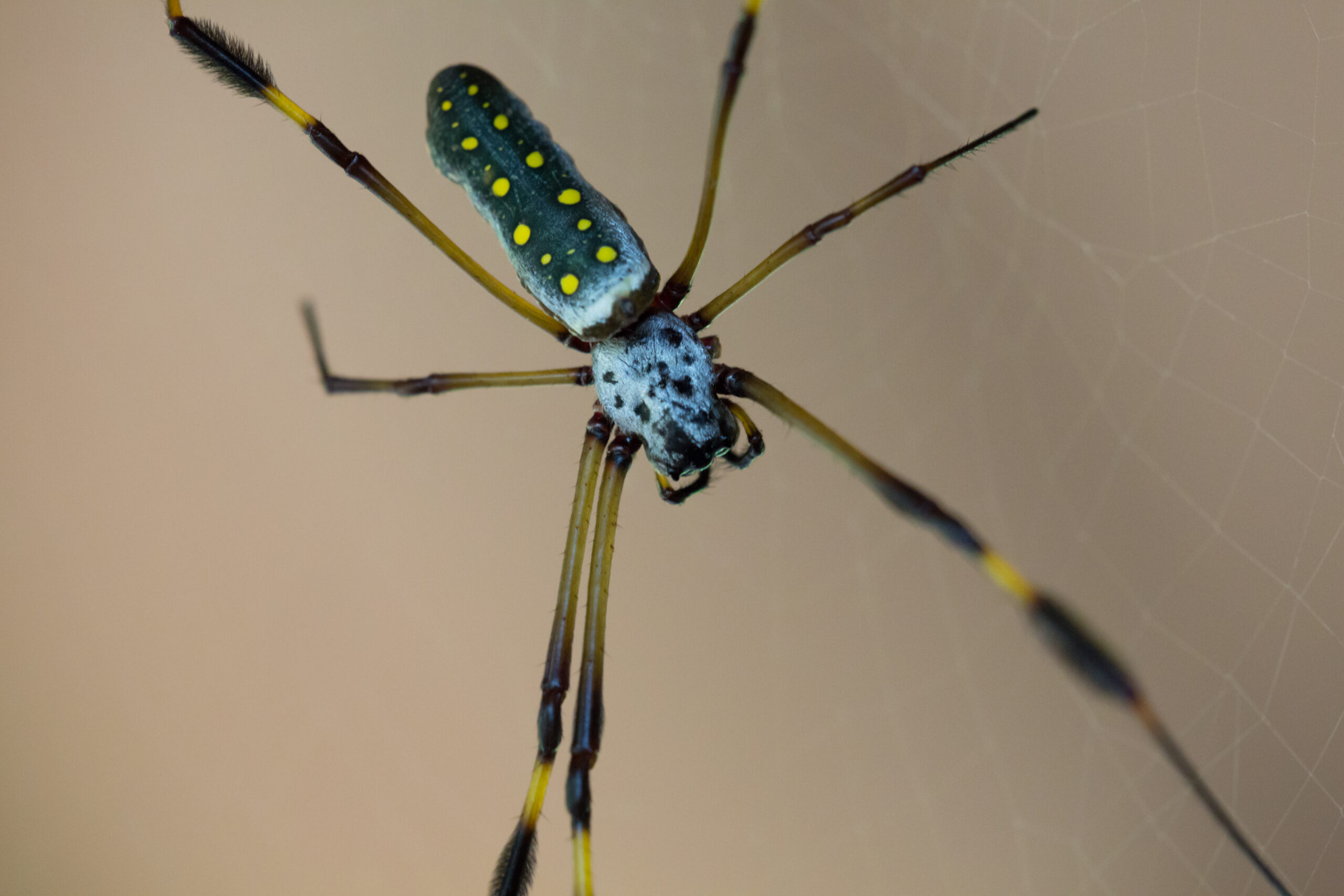
Garden orb weaving spiders are fascinating creatures often misunderstood due to various myths and misconceptions. This article aims to debunk these myths and provide valuable insights into the lives of orb weaving spiders, particularly focusing on the garden orb weaver spider and the golden orb weaving spider. We’ll explore their benefits, characteristics, lifespans, and how to handle bites, among other things. By understanding these spiders better, we can appreciate their role in our ecosystem and coexist peacefully with them.
Are Orb Weaver Spiders Good to Have Around?
Benefits of Orb Weaver Spiders in Your Garden
Orb weaver spiders, including the garden orb weaver, are excellent guests to have in your garden. These spiders are natural pest controllers, preying on various insects such as flies, mosquitoes, and other small pests. By reducing the population of these insects, orb weaving spiders help maintain a healthy garden environment.
Common Misconceptions About Orb Weaver Spiders
Many people fear orb weaver spiders owing to their appearance as well as misunderstanding about the potency of their venom. While it’s true that they possess venom to immobilise their prey, it’s important to note that orb weaver spiders are not considered dangerous to humans. Their bites are typically harmless, causing only mild local pain or nausea in rare cases.
What is the Lifespan of an Orb Weaver Spider?
Life Cycle of Orb Weaver Spiders
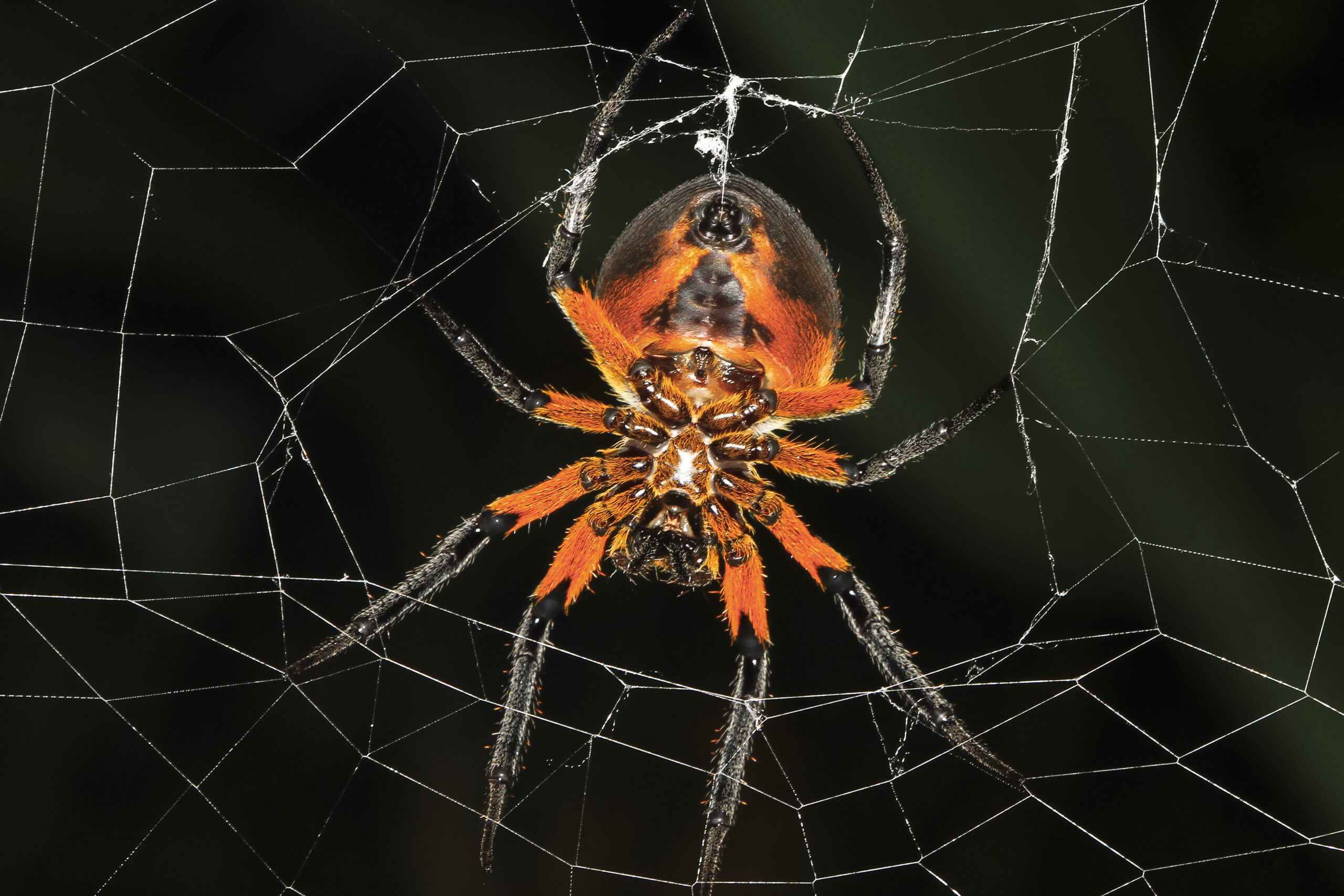
The life cycle of orb weaver spiders begins with the hatching of eggs from a single egg sac laid by the female spider. These eggs hatch into spiderlings, which go through several molts before reaching adulthood. The entire process from egg to adult typically spans several months.
Factors Affecting Lifespan
The lifespan of an orb weaver spider is influenced by various factors, including environmental conditions, availability of food, and predation. In optimal conditions, garden orb weavers can live up to a year, with females generally living longer than males.
How Big is a Garden Orb Weaving Spider?
Size Variations Among Garden Orb Weaving Spiders
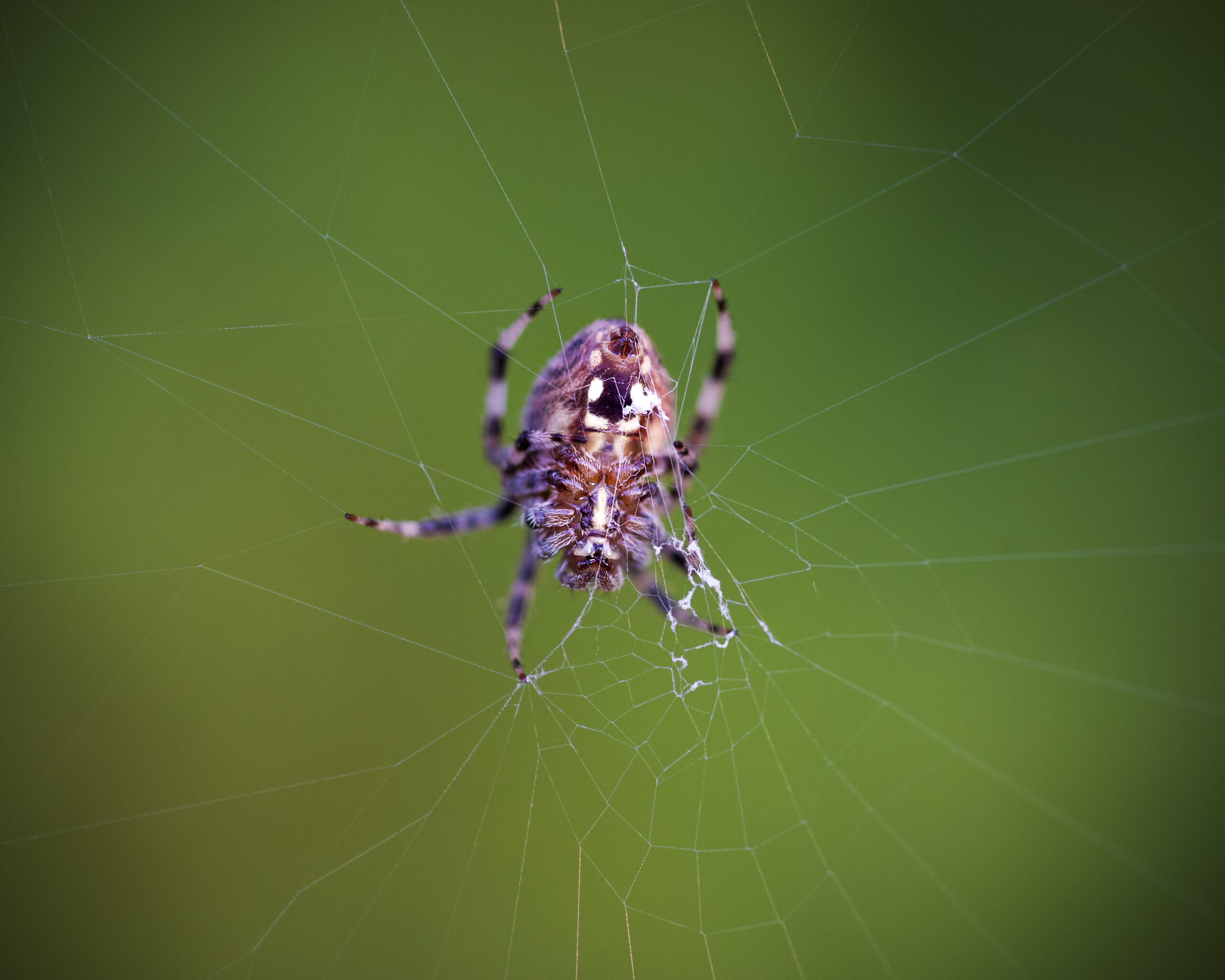
Garden orb weaving spiders can vary significantly in size. Female orb weavers are generally larger, with body lengths ranging from 1.5 to 3 cm. Male orb weavers tend to be smaller, often half the size of females.
Factors Influencing Size
Several factors influence the size of garden orb weaving spiders, including diet and environmental conditions. Spiders with access to ample food sources tend to grow larger. Additionally, the specific species of orb weaver also plays a role in determining their size.
What is the Golden Orb Spider in Australia?
Identification and Characteristics of the Golden Orb Spider
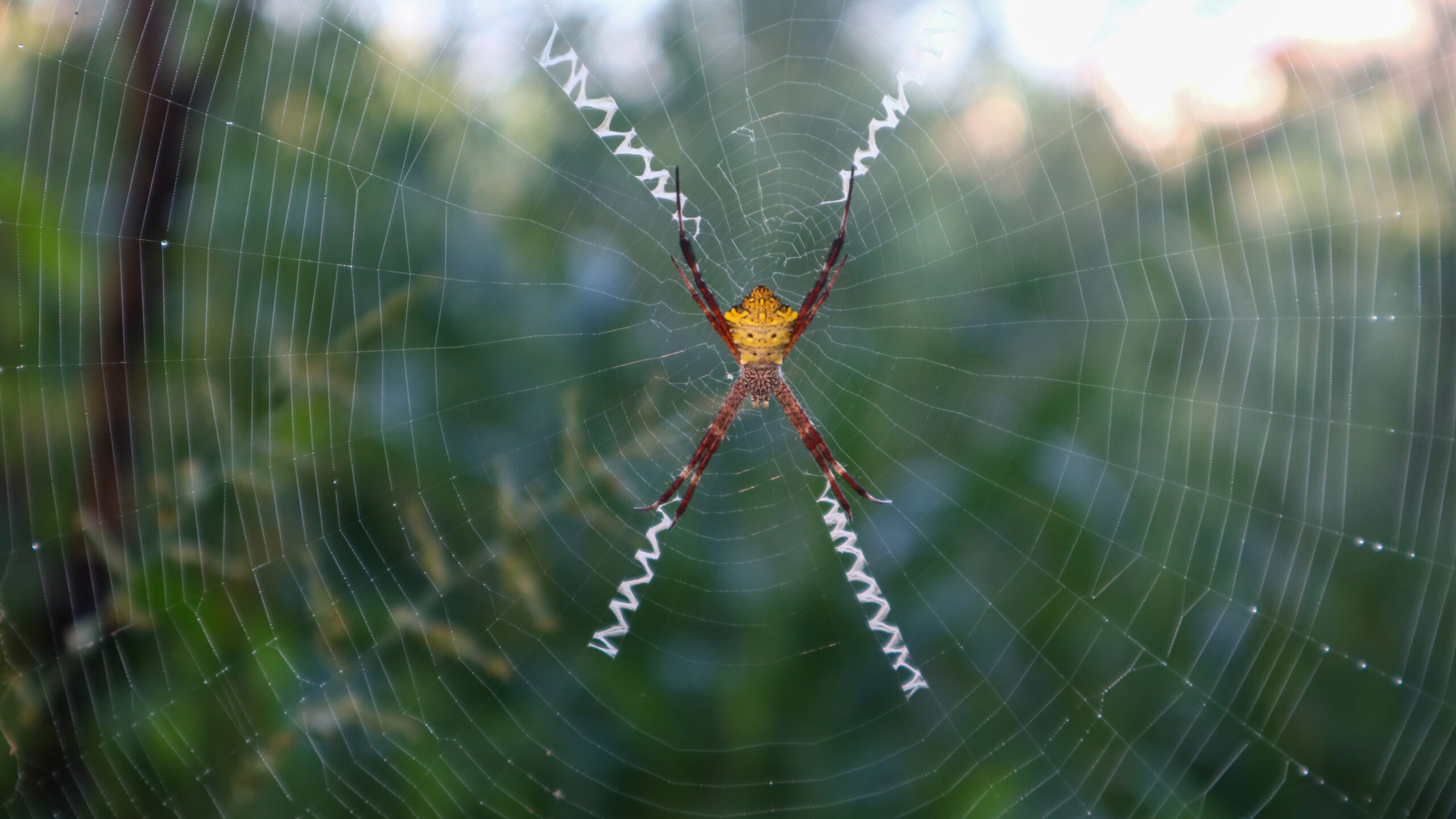
The golden orb spider, also known as the golden orb weaving spider, is a striking arachnid found in Australia. These spiders are renowned for their impressive webs made of golden silk, which can span several metres. Female golden orb weavers are typically larger, with body lengths reaching up to 4-5 cm, while males are much smaller.
Unique Features of the Golden Orb Spider
One of the unique features of the golden orb spider is its ability to spin strong webs that can catch even small birds and bats. These webs, often found in mangrove habitats and tall grass, are known for their bright yellow color and durability. The golden orb spider plays a crucial role in controlling insect populations, contributing to the balance of the Australian ecosystem.
What are the Symptoms of a Garden Orb Spider Bite?
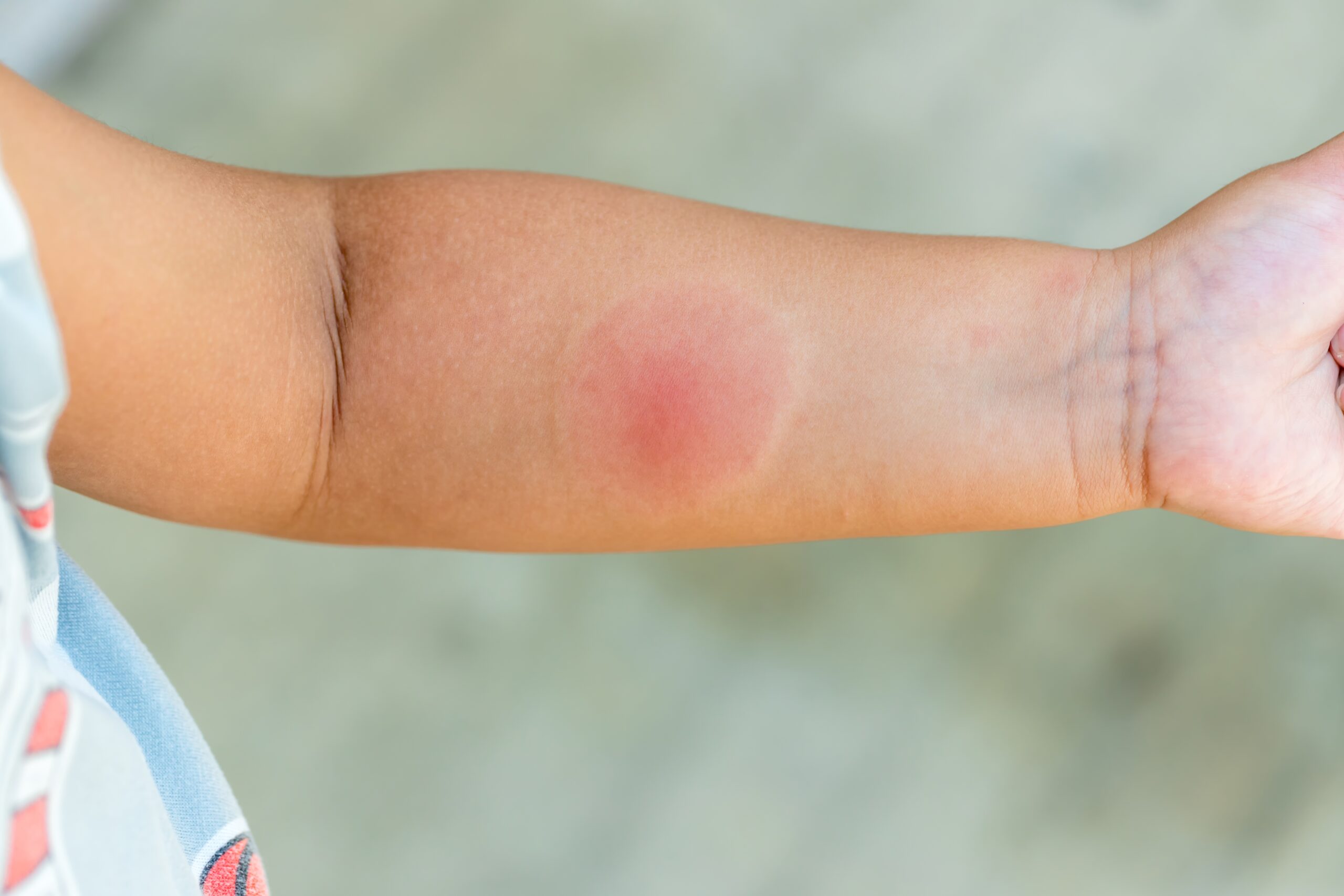
Common Reactions to a Garden Orb Spider Bite
A garden orb spider bite typically results in mild local pain, redness, and slight swelling. These symptoms usually subside within a few hours to a couple of days. Occasionally, nausea might occur, but this is very uncommon.
When to Be Concerned
While garden orb weaver spider bites are generally harmless, it’s important to be aware of signs indicating a severe allergic reaction. Symptoms such as intense pain, extensive swelling, or difficulty breathing warrant immediate medical attention. Always err on the side of caution and consult a healthcare professional if you’re uncertain.
How Do You Treat an Orb Weaver Spider Bite?
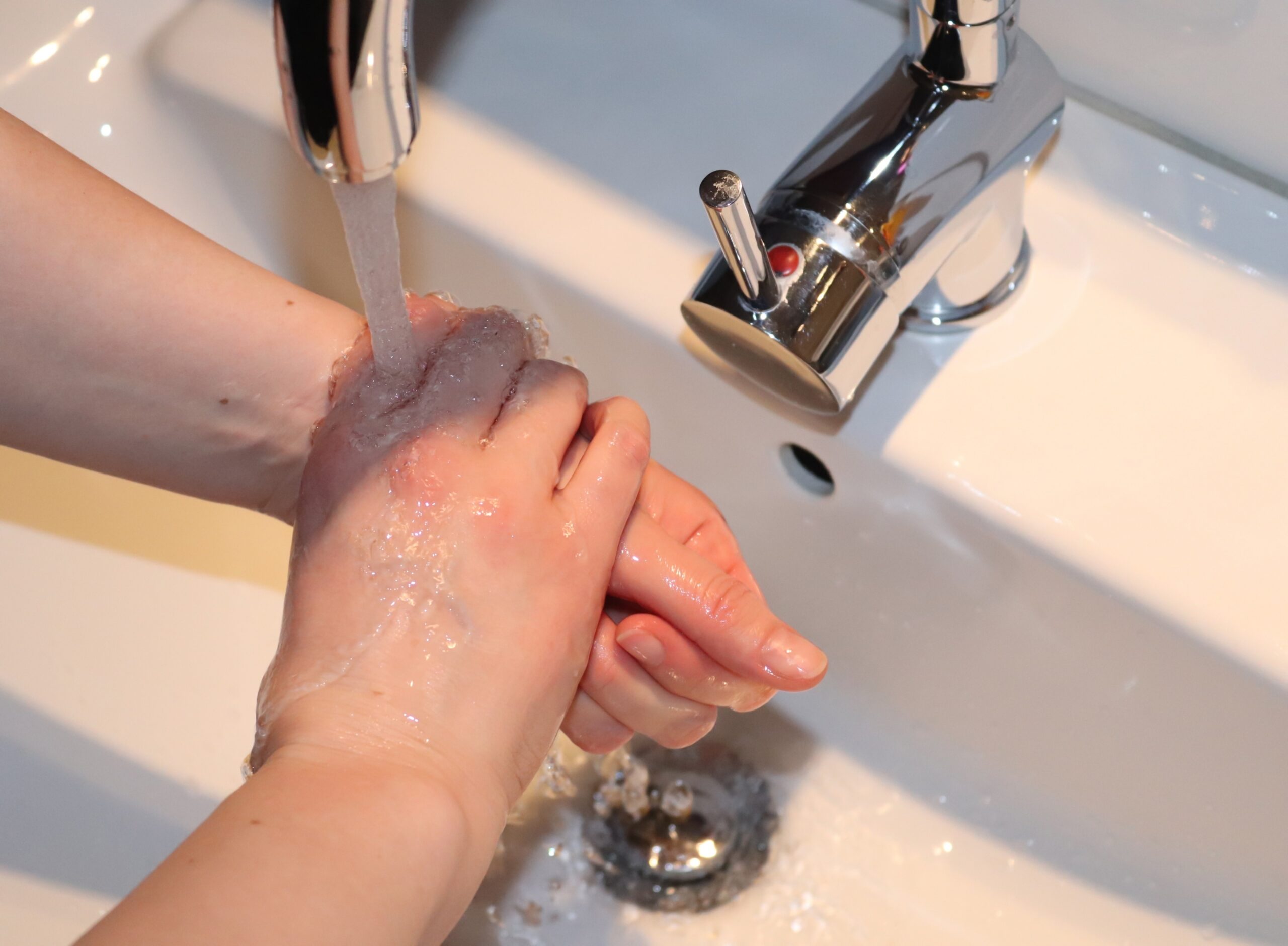
Immediate Steps to Take After a Bite
In most cases, the bite of an orb spider is of low risk and can be treated effectively with basic first aid measures at home. As noted above, the venom is not considered toxic to humans.
Here are the recommended steps for treating an orb spider bite:
- Clean the bite area with soap and water to reduce the risk of infection.
- Apply a cold compress or ice pack wrapped in a cloth to the bite area for 10-15 minutes a few times a day to help reduce swelling and pain.
- You can take over-the-counter pain medication like acetaminophen (paracetamol) or ibuprofen to alleviate pain and swelling.
- Apply an antihistamine or hydrocortisone cream to the bite area to help with itching.
- Use an antibiotic ointment if blisters form to prevent infection.
- Aloe vera gel can also help soothe skin irritated as a result of the bite.
The bite may cause mild symptoms like redness, swelling, numbness, nausea or dizziness, but these are typically short-lived and not cause for major concern.
Medical Treatment and When to Seek Help
In most cases, the bite of an orb spider is not life-threatening and does not require extensive medical treatment. However, if you experience severe allergic reactions such as breathing difficulty or a hoarse voice, seek medical attention immediately. Nationally accredited first aid training, such as that provided by First Aid Pro, can be invaluable in managing spider bites effectively.
Conclusion
The garden orb weaving spider including the impressive Golden orb weaving spiders, are remarkable creatures that play an essential role in our ecosystems. Despite the common myths and misconceptions surrounding these spiders, they are generally harmless to humans and provide significant benefits, particularly in natural pest control. By understanding the true nature of orb weaving spiders, including their lifecycle, characteristics, and the minimal risk posed by their bites, we can better appreciate their presence in our gardens and natural environments.
When it comes to spider bites, basic first aid measures are often sufficient for managing the mild symptoms associated with orb weaver spider bites. However, it’s crucial to recognise the signs of severe allergic reactions and seek medical attention promptly when necessary.
Frequently Asked Questions
What environmental conditions attract orb weaver spiders to specific areas of a garden or property?
Understanding the factors that make certain locations attractive to orb weavers—such as light sources, vegetation density, humidity levels, and proximity to water—can help gardeners either encourage or discourage their presence in specific areas.
Do orb weaver spiders return to the same location each year, or can I expect them in different parts of my garden?
Many gardeners notice cyclical patterns in orb weaver populations, wondering about their territorial behavior and whether new spiders are offspring from previous residents or entirely new visitors.
Can I relocate an orb weaver spider safely if it's built a web in an inconvenient location?
For those who appreciate the benefits of orb weavers but need to move them from doorways or high-traffic areas, there are gentle techniques for relocating these beneficial creatures without harming them or triggering defensive responses.