


Sharon has 21+ years of experience as a qualified Emergency Care Nurse registered with the Australian Health Practitioner Regulation Agency (APHRA) and 12+ years as a First Aid Trainer.
She takes pride in FirstAidPro making first aid training available, comprehensive and affordable to everybody.
Heart attacks are a serious matter that can potentially be fatal. If you ever suspect someone is having a heart attack, seek medical advice immediately by calling triple zero (000). Heart attacks do not discriminate based on age, lifestyle or overall health, and can happen at any moment. Knowing how to recognise the signs of a heart attack and how to react can make all the difference in the world when it comes to saving someone’s life.
By knowing the signs you can identify if you or someone nearby is having one – then, by knowing what to do, you can provide advanced life support by taking a first aid training course.
While we can illustrate a guide, the best way to prepare for an emergency – and, in many cases, to meet the obligations of many occupations – is to complete first aid training.
What is a Heart Attack?
A heart attack occurs when the heart is not receiving enough blood due to a blockage, which can result in permanent heart muscle injury if not treated promptly. This is different to a stroke which can also be fatal.
To the uninitiated, a heart attack can seem to come out of nowhere but there are well-established warning signs that have reliably been observed prior to an attack that you can learn to identify for yourself.
The Signs of a Heart Attack
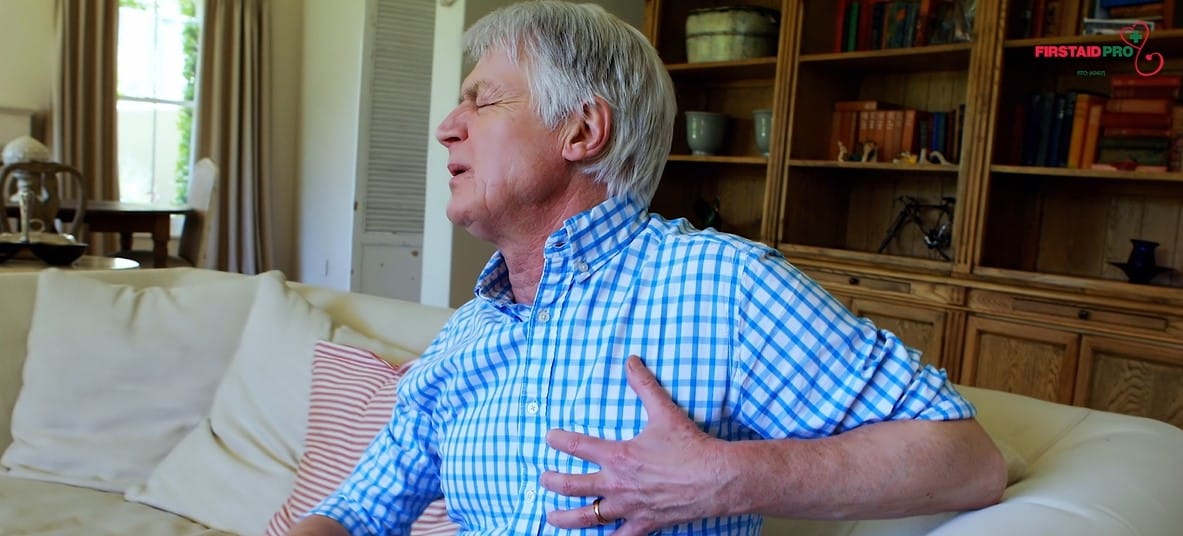
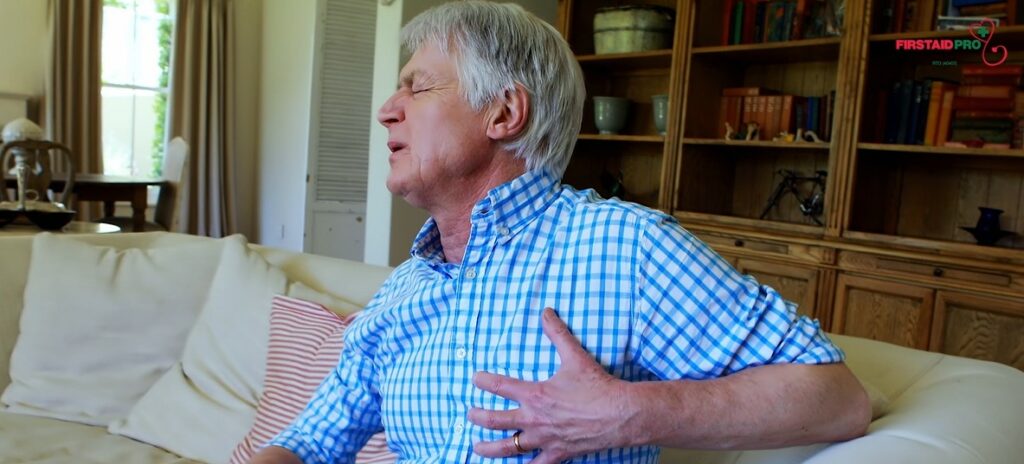
Shortness of breath, chest pain or discomfort, and potential pain in other body regions like the arm, neck, or jaw are the primary symptoms commonly associated with a heart attack.
Firstly, an elaboration on one of the most prominent symptoms: Angina. The simplest descriptor is chest pain that’s out of the ordinary. It feels like squeezing, pressure, heaviness, tightness or pain in the chest which may indicate damage to the heart’s health through coronary artery disease, high cholesterol levels, a blocked artery or blood vessels. It typically occurs in 10-minute bursts, but may escalate into a heart attack if unaddressed, especially if the feeling spreads to the arms, neck, jaw or back.
In terms of more general symptoms:
- Dizziness followed by light-headedness that makes you feel faint
- Anxiousness
- Vomiting and difficulty breathing may occur due to nausea or indigestion, with or without chest discomfort
- Shortness of breath
- Sweating or a cold sweat
In some circumstances there can be no symptoms, we know this as a ‘silent’ heart attack. Only medical tests can diagnose a heart attack, so seek urgent help. At worst, it could be something less serious, otherwise the affected person receives the treatment that they need.
If you or someone you know experiences any of these symptoms, it is crucial to seek medical help immediately. Ignoring the warning signs of a heart attack can have devastating consequences – every minute counts.
Possible Causes
A heart attack is triggered when an artery supplying blood flow to the heart becomes blocked and stops the flow of oxygen-rich blood, the next question is what conditions raise the likelihood of this condition occurring. There are several known contributing conditions:
- Coronary heart disease is the most common cause of a heart attack, caused by the build-up of plaque in the arteries that supply blood to the heart.
- A diet high in fat and cholesterol can combine to form plaque, which obstructs blood flow and causes damage to the heart muscle during a heart attack. This becomes dangerous when the build-up ruptures the artery wall or forms clots that block arteries, stiffling blood supply to the body’s tissues.
- Stress, snowballing into high blood pressure.
Less common causes:
- When a coronary artery contracts and narrows, reducing blood flow to the heart, this can be caused by a spontaneous severe spasm in the artery.
- Another cause of a heart attack is the tearing of the coronary artery wall, known as spontaneous coronary artery dissection.
- Insufficient oxygen supply to the heart muscles can also lead to heart attacks, this can happen when the levels of oxygen in the blood drop due to carbon monoxide poisoning or abnormal lung function, leading to damage of the heart muscles and, ultimately, a heart attack.
Treating Heart Attacks
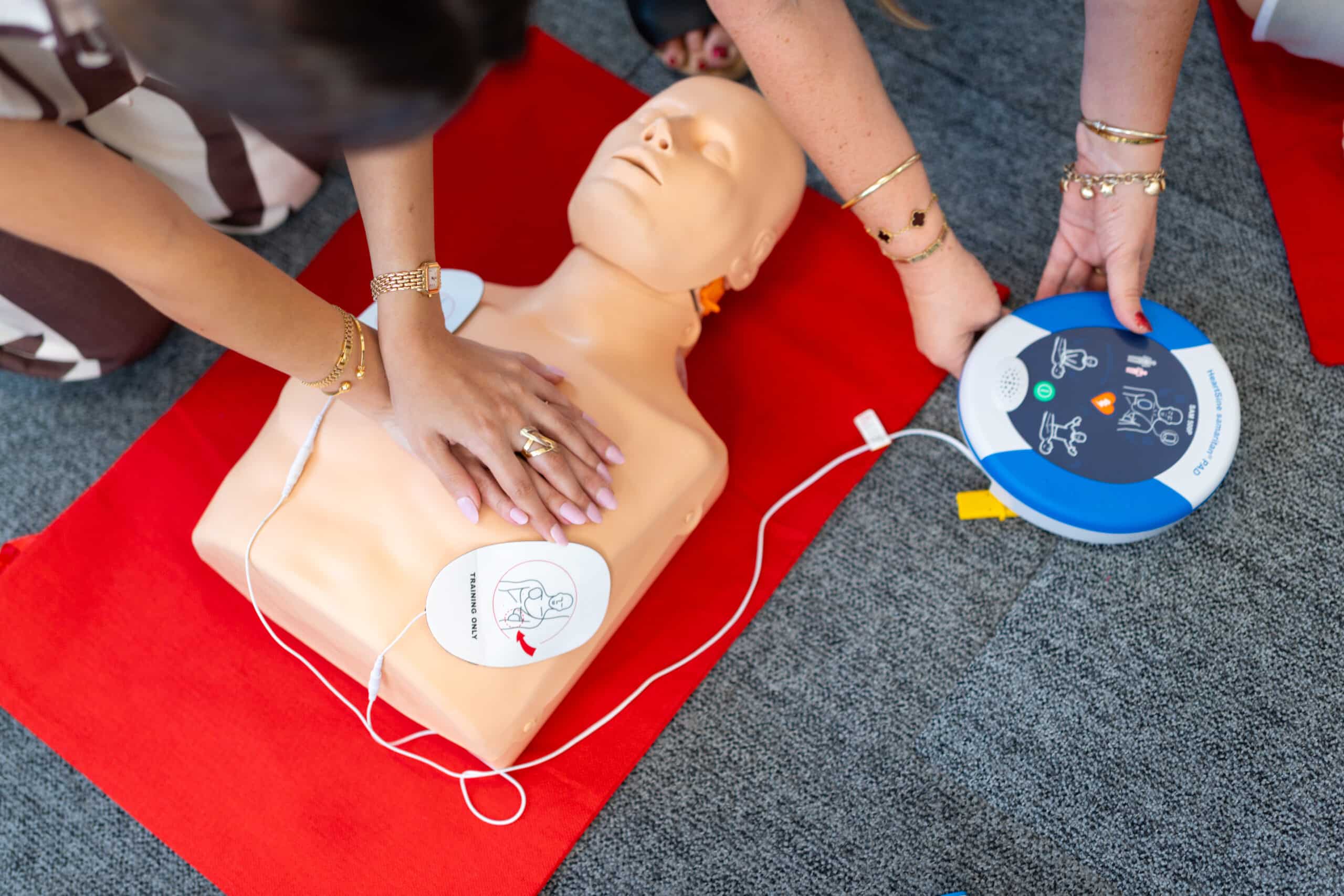
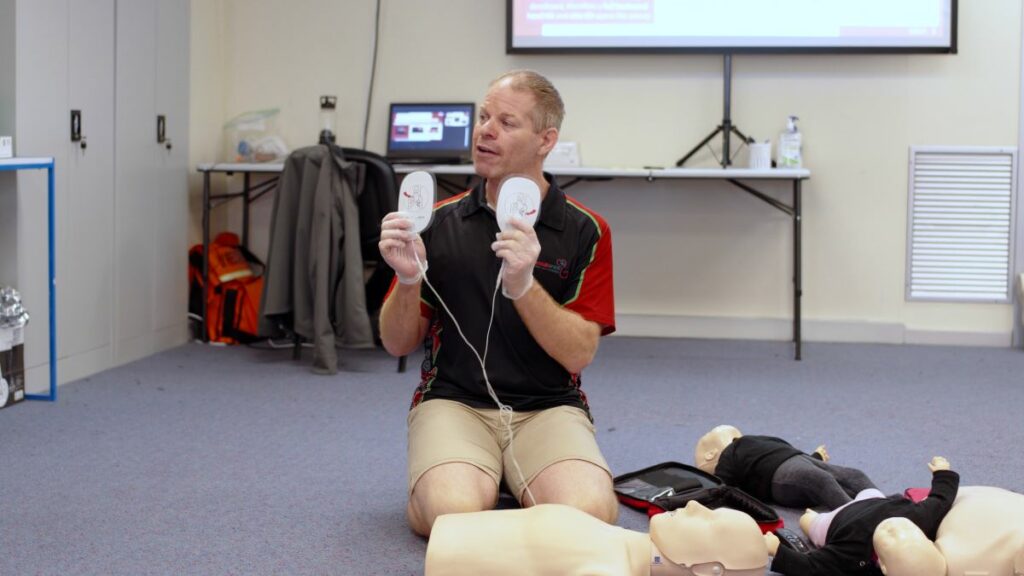
Treating a heart attack typically involves cardiopulmonary resuscitation (CPR) or defibrillation using an automated external defibrillator (AED). CPR can be taught during a First Aid course and AEDs care designed so that they can be operated by anyone, even those without First Aid training.
After a heart attack, making lifestyle changes like maintaining a healthy diet, exercising regularly and reducing stress where possible can work together to reduce the likelihood of future heart problems.
Life After a Heart Attack
Having a heart attack is a significant life-changing event in many ways. The impact of a heart attack goes beyond the individual affected, affecting their loved ones as well. It serves as a reminder of the fragility of life and the importance of taking care of our bodies and health, as warning signs are often ignored. Here are some changes you can make:
- Lifestyle and behaviour choices
- A healthy eating plan that may reduce your daily calorie intake
- Daily exercise routine. Even a gentle walk around the block daily gives you immediately increased health benefits plus added vitamin D
- Reduce stress
Problems exercising? Asthma treatment.
The Difference Between a Heart Attack and Cardiac Arrest
While both conditions affect the heart, they have different causes and require different courses of action. Knowing the difference and how to respond to each can make all the difference when it comes to saving a life.
A heart attack is when blood flow to the heart is blocked. Sudden cardiac arrest is when the heart malfunctions and suddenly stops beating. A way that it could be thought of is that a heart attack is a ‘circulation’ problem and sudden cardiac arrest is an ‘electrical’ problem.
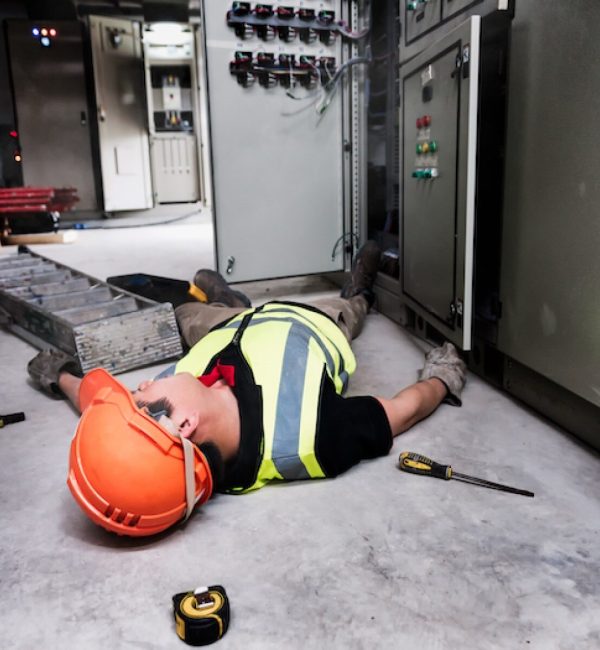
A person in cardiac arrest will also be unconscious, unable to respond to voice prompts and will not be breathing, requiring immediate chest compressions and rescue breaths.
First Aid Courses
Taking a first aid course is the best way to prepare for any emergency, not just heart attacks. It can equip you with the skills and confidence to handle a wide range of situations, from anaphylaxis to burns and more:
- anaphylaxis
- asthma
- non-life-threatening bleeding
- choking
- minor wounds
- nosebleeds
- shock
- exposure to a poison, venom, or toxin
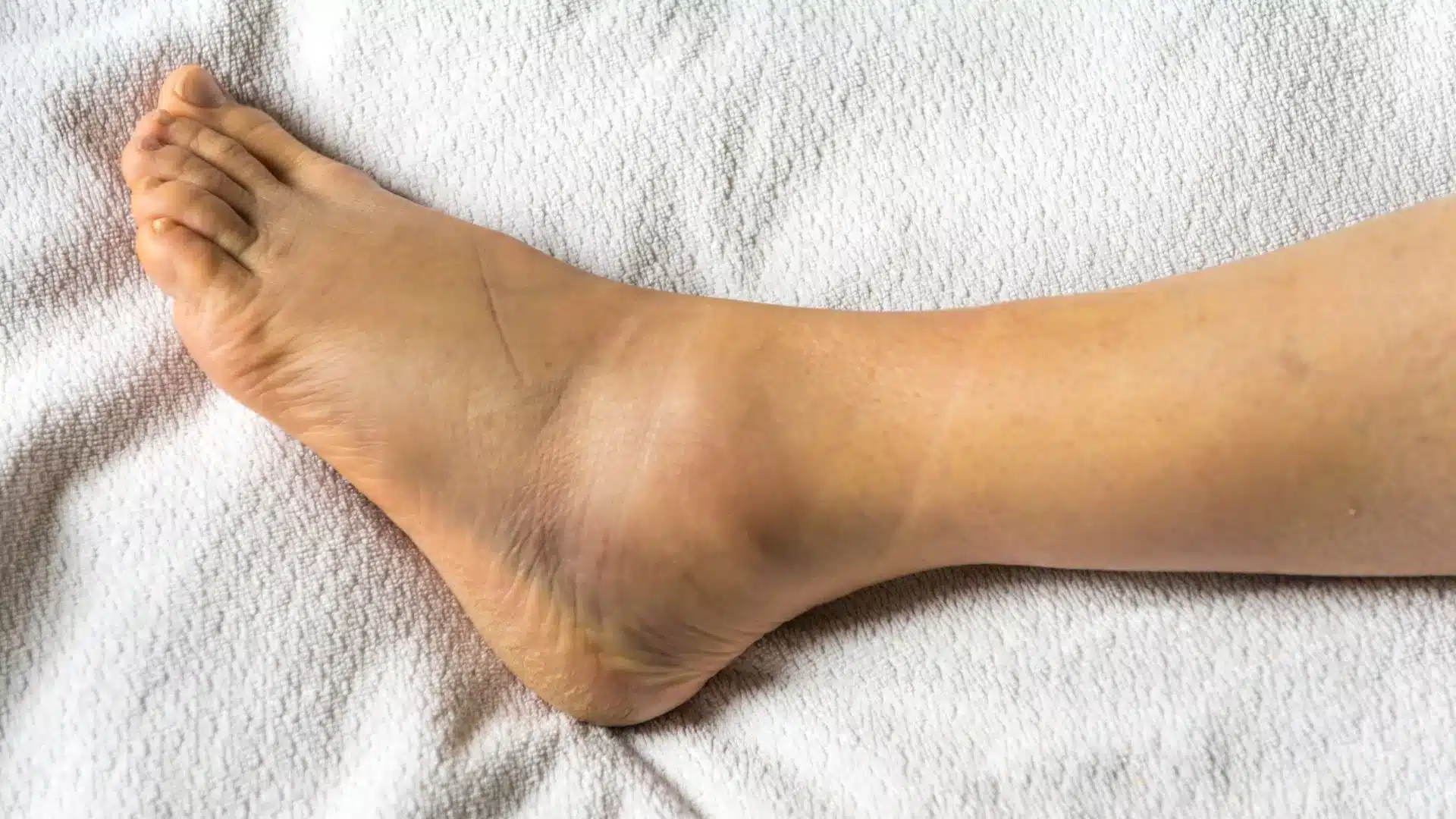
- fractures, dislocations, sprains and strains
- head, neck, or spinal injuries
- hypothermia and heat exhaustion
- life-threatening bleeding
- burn treatment
Final Thoughts
Every person should acquire the ability to provide CPR. Knowing how to correctly perform CPR and save a life is a useful life skill, however, as we get older, human memory can fail us and new advances in techniques are introduced, making refresher courses perpetually in-demand.
First Aid Pro offers nationally accredited training courses in every state, catering to individuals who have never taken a basic First Aid course or those who need to update their skills. With course options that fit your lifestyle, you can easily enhance your knowledge and abilities.
Join us for a course and learn new skills or refresh your certifications.