



Sharon has 21+ years of experience as a qualified Emergency Care Nurse registered with the Australian Health Practitioner Regulation Agency (APHRA) and 12+ years as a First Aid Trainer.
She takes pride in FirstAidPro making first aid training available, comprehensive and affordable to everybody.
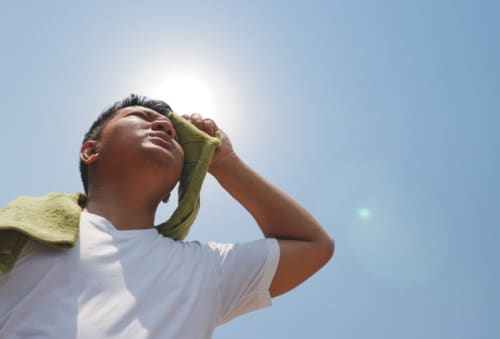
Heat stroke is a serious condition caused by prolonged exposure to high temperatures and can occur when the body’s temperature regulation system fails, leading to a dangerous rise in body temperature. This can result in various symptoms, including confusion, dizziness, headache and even loss of consciousness.
Left untreated, heat-related illness can lead to organ damage, seizures and, in the absolute worst-case scenario, even death. It’s crucial to take preventive measures like staying hydrated, avoiding excessive heat exposure and wearing appropriate clothing.
If someone shows signs of heat-related illness, immediate medical attention should be sought to prevent further complications and ensure their safety. This is why it’s important to know how to treat and provide first aid for heat stroke, not just rudimentary cardiopulmonary resuscitation courses but supplementary learning for child care first aid.
By identifying the signs, knowing what first aid steps to take, seeking emergency medical help and assistance when needed and taking preventive measures, you can protect yourself and others from the risks of heat stroke.
Getting first aid accreditation can set you up to address the symptoms of heatstroke and potentially save a life.
Recognising the Signs of Heat Stroke
The most immediately obvious symptom of heat stroke is a high body temperature, often exceeding 40 °C. The normal human body’s internal temperature usually lies within a tight range of 26 to 27 °C, so any deviation from this is usually a clear sign of illness.
High temperature alone isn’t generally enough to diagnose it, but other symptoms to look for include confusion, dizziness, headache, rapid heartbeat, nausea, vomiting and even seizures. In severe cases, untreated heat-related illness can lead to a loss of consciousness or coma.
Certain individuals are at a higher risk of developing it, like the elderly, who may have a decreased ability to regulate body temperature, as well as individuals with chronic medical conditions like heart disease, diabetes, or respiratory problems.
Certain medications, like diuretics or antihistamines, can impair the body’s ability to cool down, making individuals more susceptible to it. Individuals with these risk factors should take extra precautions or be more closely monitored during hazardous conditions.
First Aid Measures for Heat Stroke
If you suspect someone is experiencing heat stroke, it’s important to act quickly to lower their body temperature and prevent further damage. The first step is to move them to a shaded area or a room with air-conditioning as soon as possible. If this isn’t possible, create shade by using an umbrella, tarp or any other means.
Next, apply wet towels or cool water to them. You can also apply ice packs to the person’s skin with caution — remember, always wrap cold packs in a cloth or towel before holding it to the skin to avoid frostbite. When applying an ice pack to dry skin, remember to only hold it to the affected area for 10 minutes at a time, allowing the skin a 5-minute reprieve between applications.
Another way you can reduce someone’s core body temperature is by a cool shower, wetting their clothing with cold water, or using a spray bottle or a wet towel to apply water to their skin. Ice packs can be placed on their neck, armpits and groin to help cool their body quickly.
Using fans or creating airflow can also help to lower the person’s body temperature. You can use a fan to circulate air around them, or create a breeze by fanning them with a piece of cardboard or a magazine.
Finally, when heatstroke occurs it’s important to remove excess clothing to help them cool down by removing their shirt or jacket, or by loosening their belt or waistband. Unnecessary clothing and tight clothing can not only feel restrictive, but the skin is the primary organ that regulates temperatures in humans. Exposing as much skin surface area to a breeze or even air conditioning is one of the fastest ways to help the body reach a healthy temperature.
The Difference Between Heat Stroke And Heat Exhaustion
Heat stroke has similar symptoms and treatment to heat exhaustion, but there are essential differences that indicate it is becoming dangerous. The person may still feel nauseous and have headaches, but these symptoms may be more severe, with the headache having a throbbing sensation. The person may still breathe rapidly and loudly, and their skin will likely be red and flushed. However, there are key differences between heat stroke and heat exhaustion.
One difference is that in heat stroke, the person’s skin may become dry, and they may stop sweating. Some may mistakenly think this means their condition is improving, but it indicates that the body’s temperature regulation mechanisms are failing. However, those with heat stroke due to physical exertion or excessive sweating may still sweat.
As heat stroke progresses, the person may exhibit disorientation or irrational behaviour, this indicates that their brain is being affected by the condition. Their pulse rate will continue to be rapid, but it may become stronger as the body tries to regulate its temperature by pumping blood more forcefully.
Eventually, the person may lose consciousness as certain parts of their brain become overheated. If their core body temperature is measured when this happens, it will likely register well above 37 °C and possibly even exceeding 40 °C — which is considered life-threatening.
Seeking Medical Help
If someone has symptoms of heat exhaustion or other heat-related illnesses and their body temperature is over 37°C call triple 0 as this is a medical emergency. Heatstroke is a life-threatening condition and even milder heat-related illnesses can cause damage to vital internal organs too.
If the condition of the person hasn’t improved during heat waves, humid weather, heat stress and extreme heat conditions contact emergency services immediately.
Preventing Heat Stroke
To avoid heat stroke, there are some simple things you can do:
Stay cool by avoiding direct sunlight and taking breaks to cool down.
Wear light, breathable, loose-fitting clothing and a hat to protect yourself from the sun.
Have a plan to cool down, like going inside or drinking cold water in the shade.
Drink plenty of cool water and cold drinks to stay hydrated.
Limit hot activities and take frequent breaks to cool off if in a hot environment and take measures to prevent burns.
Keep an eye on others, especially children and the elderly, for heat-related illness signs.
Never leave children or animals in a hot car, even for a short time.
Use strong sunscreen to keep your skin safe from dangerous UV rays.
Seek shade or create your own shade using an umbrella or a canopy.
Avoid consuming excessive amounts of alcohol or caffeine, as they can dehydrate your body.
Use fans or air conditioning to keep your living or working space cool.
Take cool showers or baths to lower your body temperature.
Avoid strenuous physical activities during the hottest parts of the day or hot weather.
Eat light, refreshing meals that are high in water content like fruits and vegetables.
Monitor your body for signs of heat exhaustion or heat stroke like body temperature rises, dizziness, nausea, rapid heartbeat, or confusion.
If you or someone else is experiencing symptoms of heat stroke, seek immediate medical attention and follow a DRSABCD action plan.
Stay informed about heat advisories or warnings in your area and follow any guidelines or recommendations provided by local authorities.
Consider using cooling devices, such as cooling towels or misting fans, to help lower your body temperature during very hot weather.
Keep your living space well-ventilated by opening windows or using fans to circulate air.
Be mindful of the temperature inside your car and use sunshades or park in shaded areas to prevent it from becoming excessively hot.
Final Thoughts
Understanding how to assist someone with heat stroke and prevent its occurrence is vital. A life-threatening emergency, it’s a serious condition caused by prolonged exposure to high temperatures and it can result in symptoms like confusion, dizziness, headache and fainting.
If left untreated, it can lead to organ damage, seizures and even death, so to prevent damage to vital organs it is crucial to stay hydrated, keep cool and dress appropriately.
If someone exhibits symptoms of heatstroke, immediate medical assistance is necessary.
Book Your First Aid Training
First Aid Course (Incl CPR) $97
CPR Course $45
Child Care First Aid Course $119
- Same-Day Certificate
- Courses available 7 Days
- Nationally Accredited Certification
Don’t Miss Out – Book Today!