




Sharon has 21+ years of experience as a qualified Emergency Care Nurse registered with the Australian Health Practitioner Regulation Agency (APHRA) and 12+ years as a First Aid Trainer.
She takes pride in FirstAidPro making first aid training available, comprehensive and affordable to everybody.
As temperatures rise and heatwaves become more frequent, understanding how to recognise and respond to heat-related illnesses like heatstroke has never been more important. Each year, thousands of people worldwide require medical attention for preventable heat-related conditions, with the most vulnerable being children, the elderly, and outdoor workers.
Heatstroke and heat exhaustion aren’t just uncomfortable—they can be life-threatening emergencies that develop rapidly, sometimes within minutes. The good news is that with the right knowledge and quick action, you can protect yourself and help others when heat becomes dangerous.
Understanding Heatstroke: Causes and Effects on the Body
Heatstroke Explained
In the scorching heat of summer, our bodies work hard to stay cool. But sometimes, they struggle to cope with extreme temperatures, potentially leading to a dangerous condition called heatstroke. When someone has heatstroke, their body temperature climbs dangerously high – above 40°C – and their natural cooling system stops working properly. This is not just feeling hot and bothered; heatstroke is a serious emergency that can harm vital organs and the brain, and without quick action, it can be fatal.
The good news is that knowing how to spot the warning signs and give the proper first aid for heat-related illness can make the difference between safety and life-threatening harm. This guide will help you understand what to do if someone near you develops heatstroke, so you can step in and help straight away.
What Causes Heatstroke?
Heatstroke occurs due to prolonged exposure to high temperatures or strenuous physical activity in hot weather. Common causes include:
- Working or exercising in extreme heat without adequate hydration
- Wearing excessive or non-breathable clothing
- Lack of air circulation or shade
- Dehydration and loss of electrolytes
- Sudden heatwaves affecting unacclimatised individuals
How Heatstroke Affects the Body
When heatstroke occurs, the body’s ability to regulate temperature fails, causing a rapid rise in core body temperature beyond safe levels. This extreme heat disrupts normal physiological functions, leading to impaired brain activity, confusion, and disorientation. The strain on the cardiovascular system results in an increased heart rate and significant dehydration as the body loses essential fluids. If left untreated, these effects can escalate to organ failure, posing a serious risk to life.
Common Symptoms of Heatstroke You Shouldn’t Ignore
Early Warning Signs of Heatstroke
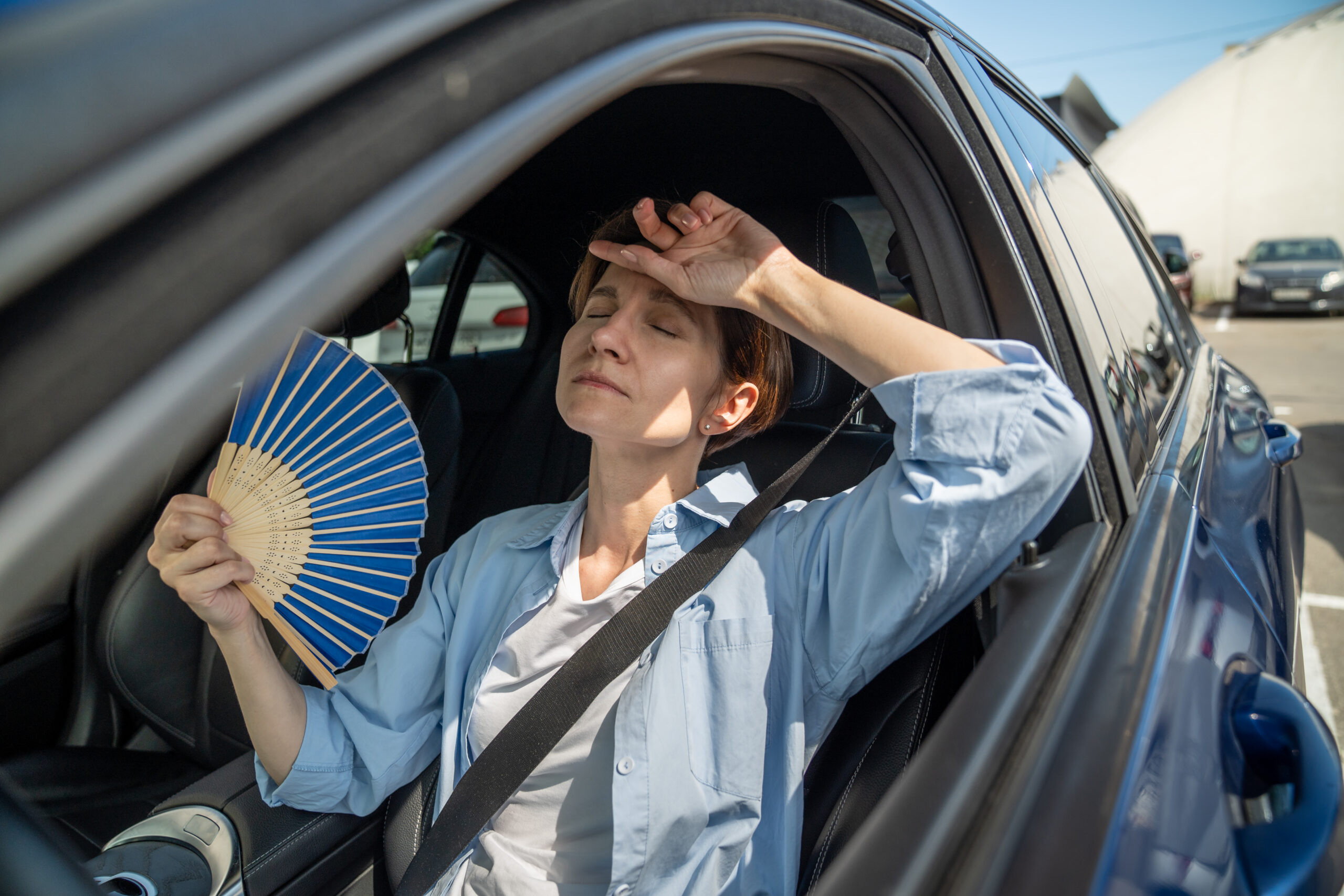
Recognising heatstroke early can prevent serious complications. Initial symptoms include:
- Heavy sweating, followed by hot, dry skin
- Muscle cramps or weakness
- Rapid breathing and increased heart rate
- Headache, dizziness, and nausea
Severe Heatstroke Symptoms
If untreated, heatstroke symptoms become severe and may include:
- Loss of consciousness
- Seizures or convulsions
- Confusion, slurred speech, or hallucinations
- Skin that is red, hot, and dry (due to failure of sweating)
If you notice any of these symptoms in yourself or others, take immediate action – call 000 for emergency medical help.
Heatstroke vs Heat Exhaustion: Key Differences Explained

What is Heat Exhaustion?
Heat exhaustion is a milder form of heat-related illness that occurs when the body loses excessive fluids and electrolytes due to prolonged exposure to high temperatures. This condition is characterised by excessive sweating, leading to dehydration and an imbalance of essential minerals.
Individuals suffering from heat exhaustion often experience cool, clammy skin, dizziness, muscle cramps, and a general sense of fatigue and weakness. If left untreated, heat exhaustion can progress to heatstroke, a more severe and potentially life-threatening condition. Recognising and addressing heat exhaustion early with rest, hydration, and cooling techniques is crucial to preventing further complications.
Heat exhaustion can usually be treated with rest, hydration, and cooling, whereas heatstroke requires immediate emergency medical attention.
First Aid for Heatstroke: Life-Saving Steps to Take Immediately
Step 1: Move the Person to a Cooler Environment
- Take them to a shaded or air-conditioned area.
- Have them lie down to reduce exertion on the body.
Step 2: Lower Body Temperature Quickly
- Remove excess clothing.
- Apply cool water to the skin.
- Use fans, cool towels, or ice packs on key areas like the neck, groin and armpits.
Step 3: Hydration and Electrolytes
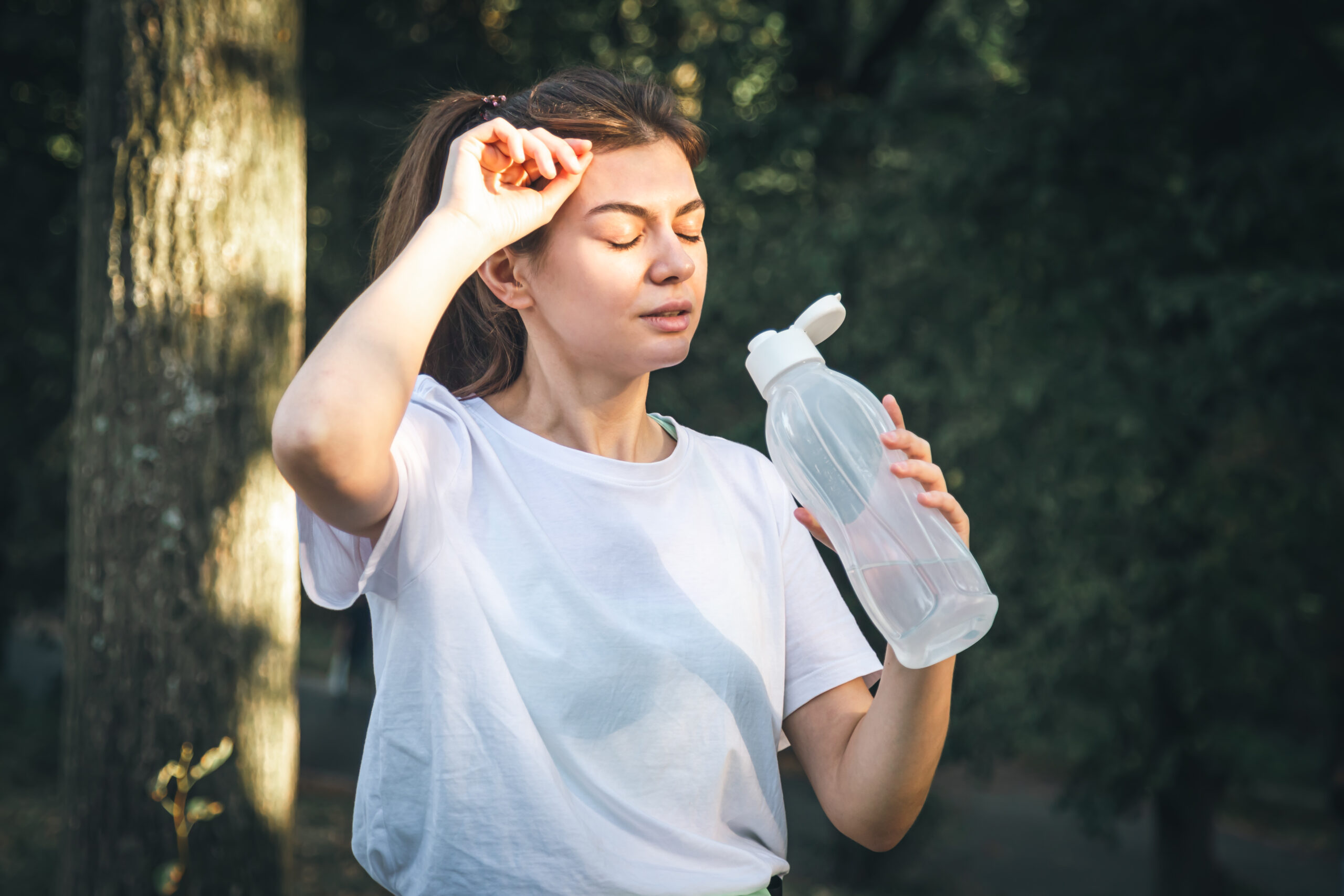
- If conscious, provide small sips of water.
- Avoid caffeine or alcohol, as these can worsen dehydration.
Step 4: When to Call Emergency Services (000 in Australia)
- If the person is unconscious or confused.
- If symptoms worsen despite cooling efforts.
- If seizures or difficulty breathing occur.
Risk Factors for Heatstroke: Who is Most Vulnerable?

Age-Related Vulnerability
- Infants and elderly individuals have a reduced ability to regulate body temperature.
Medical Conditions That Increase Risk
- Heart disease, diabetes, and respiratory conditions can impair the body’s ability to cope with heat.
Medications That Can Contribute to Heatstroke
- Diuretics, antidepressants, and blood pressure medications can interfere with heat regulation.
Occupational and Environmental Risk Factors
- Outdoor workers, construction labourers, and athletes are at higher risk due to prolonged exposure to heat.
Preventative Measures for Heatstroke: How to Stay Safe in Hot Weather

Staying Hydrated and Maintaining Electrolyte Balance
- Drink plenty of water, even if you’re not thirsty.
- Consume electrolyte-rich drinks to replace lost salts.
Wearing Appropriate Clothing for Hot Conditions
- Choose lightweight, loose-fitting, and breathable fabrics.
- Wear a hat and apply sunscreen to prevent heat stress.
Recognising the Signs and Acting Early
- Be aware of heat advisories and warnings.
- Take frequent breaks in shaded or cool areas.
When to Seek Medical Attention for Heatstroke
Mild vs Severe Cases: When Hospitalisation is Necessary
If cooling methods don’t improve symptoms within 30 minutes or if the person’s condition worsens, seek immediate medical attention or call 000.
Long-Term Effects of Severe Heatstroke
- Organ damage, including kidney or liver failure
- Long-term cognitive impairments
- Increased risk of future heat-related illnesses
Frequently Asked Questions
Can someone recover completely from heatstroke without any lasting effects?
Yes, complete recovery from heatstroke is possible when treated promptly. Mild cases typically heal within days to weeks with immediate cooling and medical attention. However, severe cases with prolonged high body temperature may cause permanent organ and nervous system damage. Always follow up with a healthcare professional after a heatstroke incident to evaluate recovery and determine if additional care is needed.
How long should someone rest after experiencing heat exhaustion?
Rest for at least 24-48 hours after heat exhaustion, depending on symptom severity. Stay in a cool environment, drink fluids with electrolytes, and avoid physical activity. Monitor for lingering symptoms like fatigue, headache, or dizziness. Return to normal activities gradually, starting with light activity in cooler settings. Seek medical attention if symptoms persist beyond 48 hours or worsen, as this may indicate incomplete recovery.
Can certain foods help prevent heat-related illnesses during hot weather?
Yes, specific foods can help prevent heat-related illnesses. Choose high water content foods like watermelon, cucumber, and oranges for hydration. Potassium-rich options such as bananas, avocados, and leafy greens help replace lost electrolytes. Yogurt and coconut water provide both hydration and electrolytes. Stick to light, easily digestible meals rather than heavy, protein-rich foods that generate more body heat. Avoid alcohol, caffeine, and sugary foods as they can contribute to dehydration.