



Sharon has 21+ years of experience as a qualified Emergency Care Nurse registered with the Australian Health Practitioner Regulation Agency (APHRA) and 12+ years as a First Aid Trainer.
She takes pride in FirstAidPro making first aid training available, comprehensive and affordable to everybody.
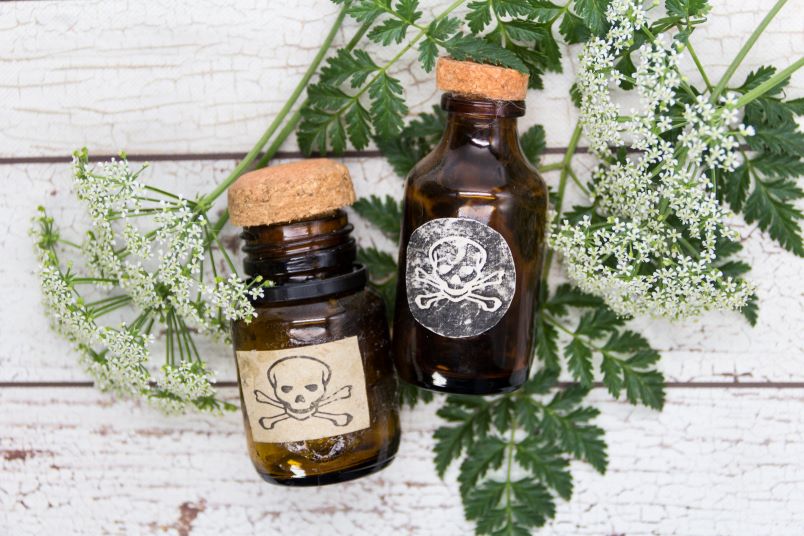
Welcome to our comprehensive guide on “Highly Poisonous Plants in Australia.” Plants, often perceived as benign elements of nature, can sometimes conceal perilous traits, particularly in Australia’s diverse flora. This article delves into the intriguing world of poisonous plants, exploring why certain species develop toxic characteristics as a defense mechanism. You’ll learn about various toxic plants prevalent across Australia, from the deceptive allure of the Angel’s trumpets to the notorious deadly nightshade, each posing unique risks to human health.
Understanding these risks is not just about knowledge, but also about preparedness and response. We cover symptoms of plant poisoning and essential basic first aid treatments, offering critical information for both prevention and emergency situations. Whether you’re an avid gardener, an outdoor enthusiast, or simply curious about Australia’s natural hazards, this article provides invaluable insights.
But knowledge alone isn’t always enough. To truly equip yourself for potential encounters with these plants, consider enrolling in a nationally recognised training course at First Aid Pro. These courses offer hands-on experience and expert guidance, ensuring you’re prepared to handle any situation involving poisonous plants. Don’t just read about safety – practice it. Enroll with First Aid Pro today and ensure you and your loved ones stay safe while enjoying Australia’s beautiful natural landscape.
Why Are Plants Poisonous?
Plants often appear harmless at first glance, yet some harbor a deadly secret, posing serious risks to unsuspecting humans. Toxicity is a defense mechanism which results from the fact that plants can’t physically escape their predators. Typically, the younger parts of plants, such as shoots, are densely packed with toxins, posing a greater threat if ingested. Interestingly, plant toxicity tends to escalate with higher levels of carbon dioxide and is particularly pronounced during periods of drought.
How Common Are Toxic Plants?
In Australia, a staggering 1,000 plant species are recognised as toxic to both animals and humans, with many others causing skin irritation, eye discomfort, and rashes. Astonishingly, about 10% of Australian flora can produce cyanide. The variety of hazardous plants differs across regions, highlighting the importance of awareness, regardless of location.
Prevention is Better than Cure
Dr. Marco Duretto, who heads Plant Diversity at the Royal Botanic Gardens and Domain Trust in Sydney, advises caution in natural settings or even while gardening. He emphasises the importance of not consuming any plant material without proper identification, due to the abundance of toxic plants.
Yet, identifying dangerous plants remains a challenge, points out Jeff Robinson of the Victorian Poisons Information Centre at Austin Hospital in Melbourne. The issue is compounded by limited data on the effects of many plant species on humans. While much literature focuses on plant toxicity to animals, Jeff notes that this doesn’t always translate directly to human implications.
Moreover, pinpointing a poisonous plant is complicated by various factors, including seasonal changes that affect the concentration of toxins in different plant parts, such as leaves and flowers, according to Mr. Robinson.
Despite these complexities, the following toxic plant species are well-documented, and it’s crucial for humans to steer clear of them.
Angel’s trumpets
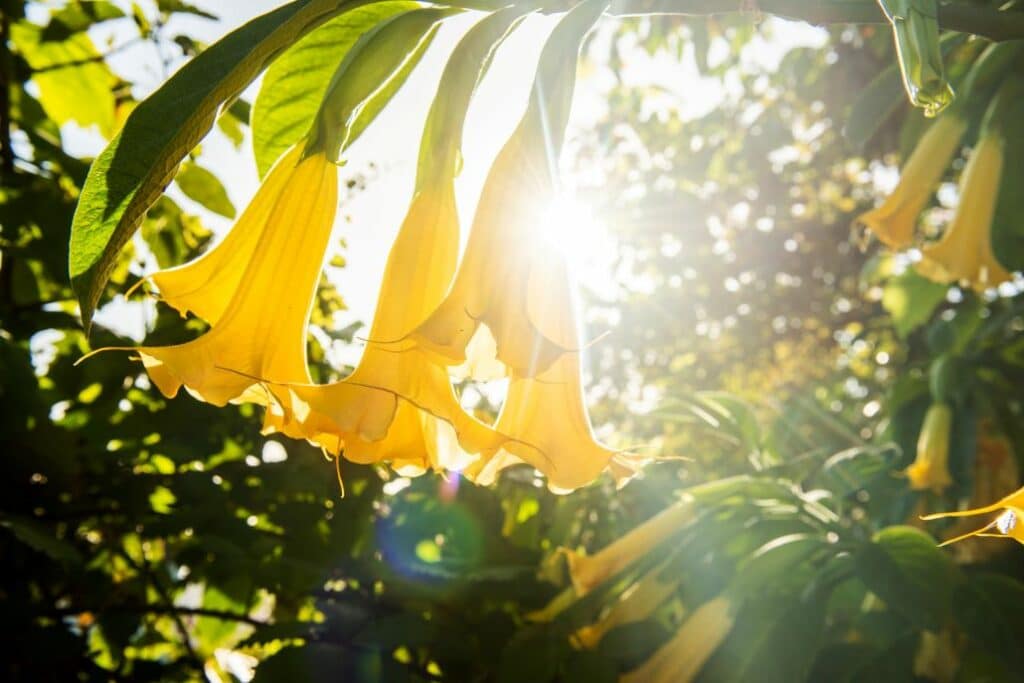
Known for their expansive, bell-shaped blooms, Angel’s trumpets are shrubs or medium-sized trees characterised by slender yet robust trunks and blossoms in hues of red, white, orange, or pink. While they may look inviting and emit a delightful scent, these popular garden plants are extremely poisonous, especially their leaves and seeds.
Containing high levels of alkaloids like scopolamine and hyoscyamine, consumption of these plants by humans can lead to symptoms such as diarrhea, disorientation, severe headaches, paralysis, and in extreme cases, death.
Strychnine tree
Commonly referred to as nux vomica, poison nut, semen strychnos, or quaker buttons, the strychnine tree is a medium-sized species indigenous to South East Asia and Australia.
The tree produces small, orange fruits that contain seeds extremely dangerous due to their neurotoxic properties, which can damage the nervous system leading to seizures, paralysis, and potentially death. Not only the seeds but also the blossoms and bark of the strychnine tree are toxic, comprising alkaloids such as strychnine and brucine.
Interestingly, in small doses, it has been historically employed to stimulate appetite and assist digestion in humans. The strychnine tree finds applications in homeopathy and herbal medicine, though it’s also known for its use as a rat poison. It’s critical to never consume any part of this tree without first consulting a healthcare professional.
Black bean
Originating from Queensland and New South Wales, the black bean, also known as the ‘Moreton Bay chestnut’, flourishes in the damp soil of riverbanks and mountainsides within coastal rainforests. It is highly prized for its timber.
During the months of March to May, the tree yields sizable pods that contain poisonous seeds, each weighing about 30 grams. Consumption of these seeds can lead to symptoms like vomiting and diarrhea, which can become severe without prompt medical treatment.
Deadly nightshade
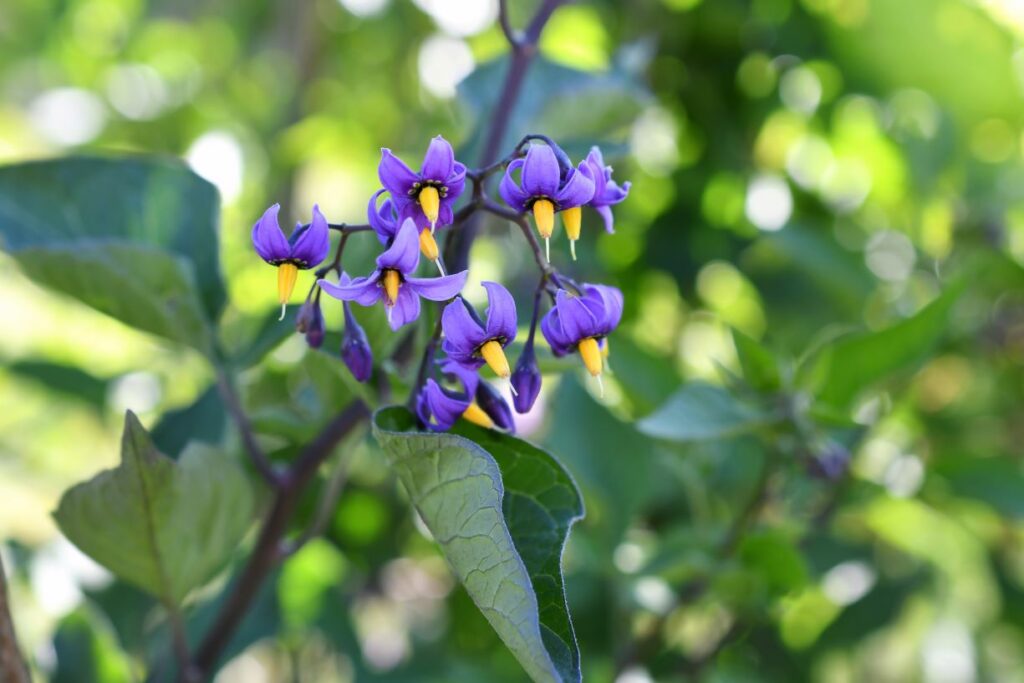
Commonly referred to as ‘devil’s berries’ or ‘death cherries’, the deadly nightshade plant, along with its berries, is extremely toxic. It contains tropane alkaloids, which are known to induce symptoms such as hysteria, hallucinations, unpredictable behavior, and delirium.
This plant typically reaches a height of around one meter. Similar to Angel’s trumpets, deadly nightshades are prevalent in gardens but are not indigenous to Australia.
Consuming just one leaf or roughly 20 berries can be lethal to adults, while even smaller quantities can be similarly dangerous for children.
Oleander
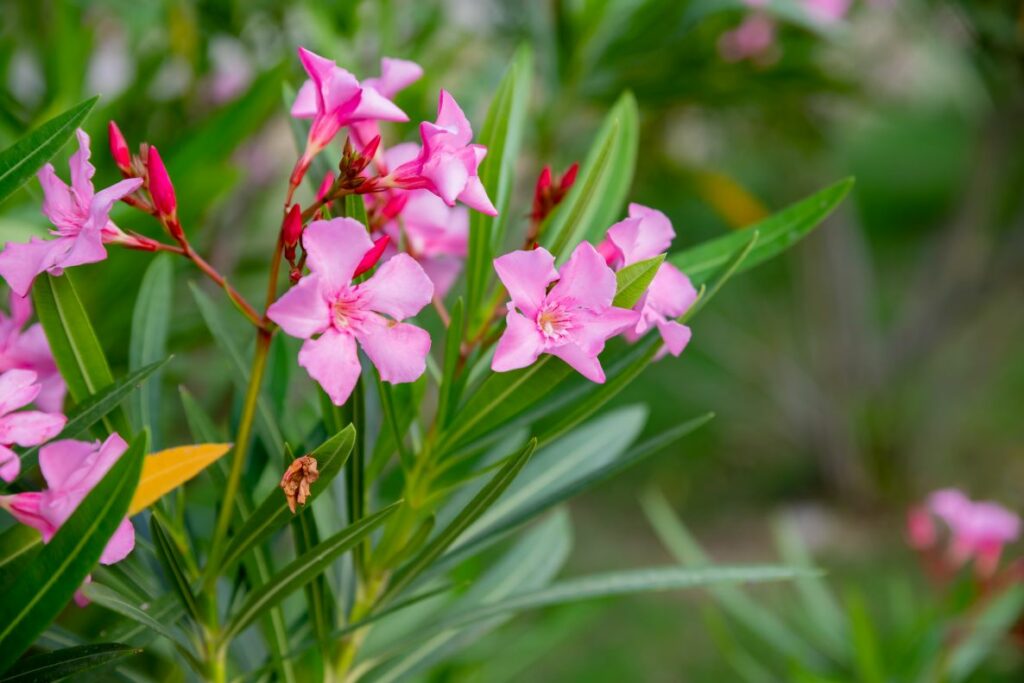
The oleander, named for its similarity to the olive (olea), is a common but highly poisonous garden plant in Australia. This includes the Common or pink oleander (Nerium oleander) and yellow oleander (Thevetia peruviana). Contact with Oleander plants may cause mild skin irritation, but the real danger lies in ingesting any part of it. This is particularly hazardous for children, as consumption can be deadly.
Fortunately, the plant’s leaves are extremely bitter, making it unlikely for a child to consume an entire leaf. Nonetheless, it’s important to recognise this plant and consider not planting Oleander or removing it from gardens with young children. Additionally, burning oleander is hazardous, as its toxicity is released into the smoke and fumes. Inhaling these fumes or using the fire from oleander wood for cooking can pose significant health risks.
Spurge
The Euphorbia genus, encompassing over 2000 plant species, is often referred to as ‘spurges’. These plants contain a substance known as ‘latex’ in their sap, which is highly toxic. Exposure to this sap can lead to severe inflammation in the eyes, nose, or mouth, and can even result in blindness.
To avoid these dangers, it’s crucial to handle these plants carefully and wash your hands thoroughly afterward. However, once exposed to air, the latex quickly hardens, making it challenging to remove with water alone. In such cases, using soap or another emulsifying agent is necessary to effectively break it down. Spurges, including native, cultivated, and weedy varieties, are found extensively throughout mainland Australia.
Milky mangrove
The milky mangrove, aptly nicknamed the ‘blind-your-eye-mangrove’, poses a significant hazard through its toxic milky sap. This sap can lead to temporary blindness if it makes contact with someone’s eyes, along with causing skin irritation and blistering.
This plant is prevalent in Western Australia, Queensland, and New South Wales, as well as in parts of Asia and several Pacific Islands. The milky mangrove thrives in low-lying coastal areas, demonstrating a remarkable ability to endure dry, open environments and the effects of sea salt.
Gympie gympie
Belonging to the nettle family, the gympie gympie, often referred to as the ‘giant stinging tree’, has the potential to cause severe reactions upon contact.
The plant is covered in stinging hairs, found on its stems, leaves, and fruit, which can trigger allergic responses, swelling, and intense pain. For those working in proximity to this plant or visiting areas where it is found, it is advisable to wear protective gloves and consider taking antihistamine tablets beforehand as a precaution.
Nettle family
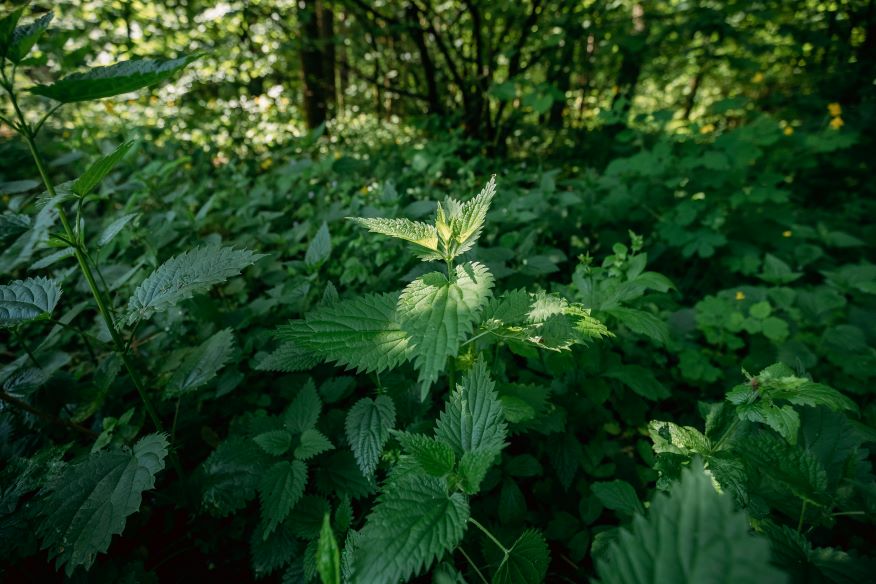
The nettle family encompasses a diverse range of plants such as herbs, shrubs, vines, and small trees. This includes the stinging nettles (Urtica), with native Australian species belonging to the genus Laportea. Numerous species within the nettle family possess stinging hairs, which are known to inflict intense pain upon contact with people.
Castor oil plant (Ricinus communis)
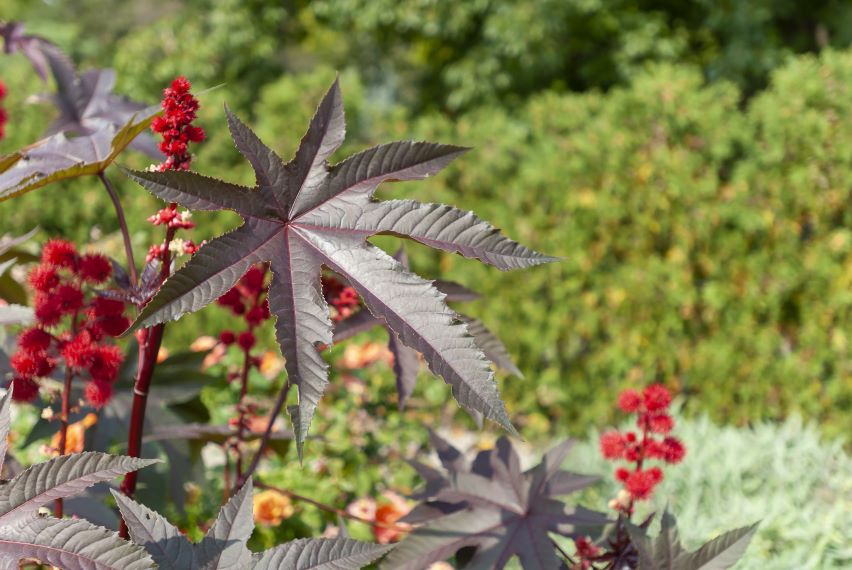
The Castor oil plant is a sizeable, bloom-bearing shrub whose seeds, flowers, and leaves are poisonous. Ingesting even a small portion of any of these parts can lead to symptoms such as vomiting, nausea, diarrhea, and stomach pain.
Coral tree (Erythrina genus)
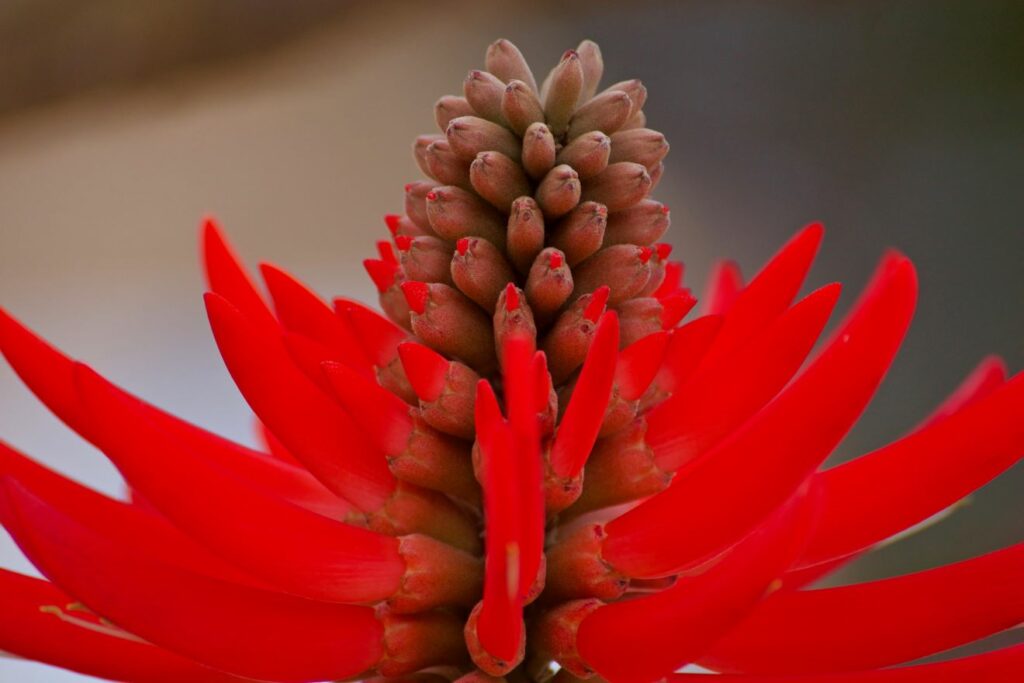
A tree legume native to tropical or subtropical climates, featuring leaves, bark, and seeds that are all toxic. The seeds pose a significant risk, especially to small children and individuals with allergies. Exposure can lead to symptoms such as difficulty breathing, weakness, dizziness, and cyanosis, characterised by a pale, bluish skin tone resulting from insufficient oxygen in the blood.
Rhus or wax tree (Toxicodendron succedaneum)
This species of flowering plant is notably present in Asia, Australia, and New Zealand. Known as Rhus or wax trees, these plants are known to provoke severe allergic reactions, leading to prolonged periods of itchiness and the development of skin blisters that can last a week or more.
What are the symptoms of poisoning from toxic plants?
If someone is exposed to highly toxic plants in Australia, they may experience a range of symptoms such as:
- vomiting
- abdominal pain
- diarrhea
- confusion
- headaches, including intense headaches
- paralysis,
- pupil dilation
- light sensitivity
- blurred vision
- rapid heart rate
- loss of coordination
- staggering,
- skin rashes
- facial flushing
- dryness in the mouth and throat
- slurred speech
- difficulty in urination
- constipation
- delirium, and seizures.
It’s crucial to get immediate medical care in case of suspected plant poisoning. In the event of exposure, it’s advised to contact the Poison Information Centre at 13 11 26 for additional guidance and to seek medical attention without delay or call triple Zero (000) for an ambulance.
Common First Aid Treatments
When dealing with plant poisoning, first aid steps differ based on the nature of the exposure. Below are some basic first aid recommendations:
For Ingestion:
- Urgently contact the Poison Information Centre at 13 11 26 for guidance.
- If the individual is conscious and can swallow, provide them with water or milk as advised by the Poison Information Centre.
- Do not cause vomiting unless a healthcare professional recommends it.
For Skin Contact:
- If poison is on clothing, remove the garments and rinse the skin with water.
- Wash the skin immediately and thoroughly using soap and water following contact with the plant.
For Eye Exposure:
- If the eyes are involved, rinse the eye with clean, flowing water for 20 minutes.
For Inhalation:
- In cases of inhalation poisoning, seek emergency assistance and move the affected person to an area with fresh air.
General Advice:
- If severe symptoms like difficulty breathing, unconsciousness, or seizures occur, seek immediate medical help (such as dialing triple Zero 000 or your local emergency services). Remember, these are general guidelines, and specific first aid methods may differ depending on the plant. For detailed and tailored advice, it’s vital to contact the Poison Information Centre or get medical assistance.
Summing Up
In conclusion, Australia’s diverse landscape is home to a multitude of plants with toxic properties, ranging from mildly irritating to potentially lethal. Understanding the characteristics, habitats, and risks associated with these plants is highly useful for anyone living in or exploring the Australian outdoors.
Remember, the key to safety is not only in recognising these plants but also in knowing how to respond in case of exposure. We encourage you to stay informed. Consider undertaking a first aid course with First Aid Pro to acquire practical first aid knowledge and emergency response capabilities and always exercise caution in natural environments. Stay safe and enjoy the beauty of Australia’s flora with respect and awareness.