


Knowing effective home remedies for jellyfish stings can make all the difference between a ruined holiday and a minor beach inconvenience. Whether you’re swimming along the Great Barrier Reef or enjoying the shores of Bondi Beach, having the right knowledge to treat a jellyfish sting can save you hours of pain and potential complications.
While severe stings may require medical attention, there are several proven remedies you can apply straight away to reduce pain and prevent further venom release. This guide provides practical solutions that every beach-goer in Australia should know.
Common Jellyfish in Australian Waters
Understanding which jellyfish you’re dealing with is crucial for selecting appropriate home remedies for jellyfish stings. Australia’s waters host several species, but two are particularly concerning:
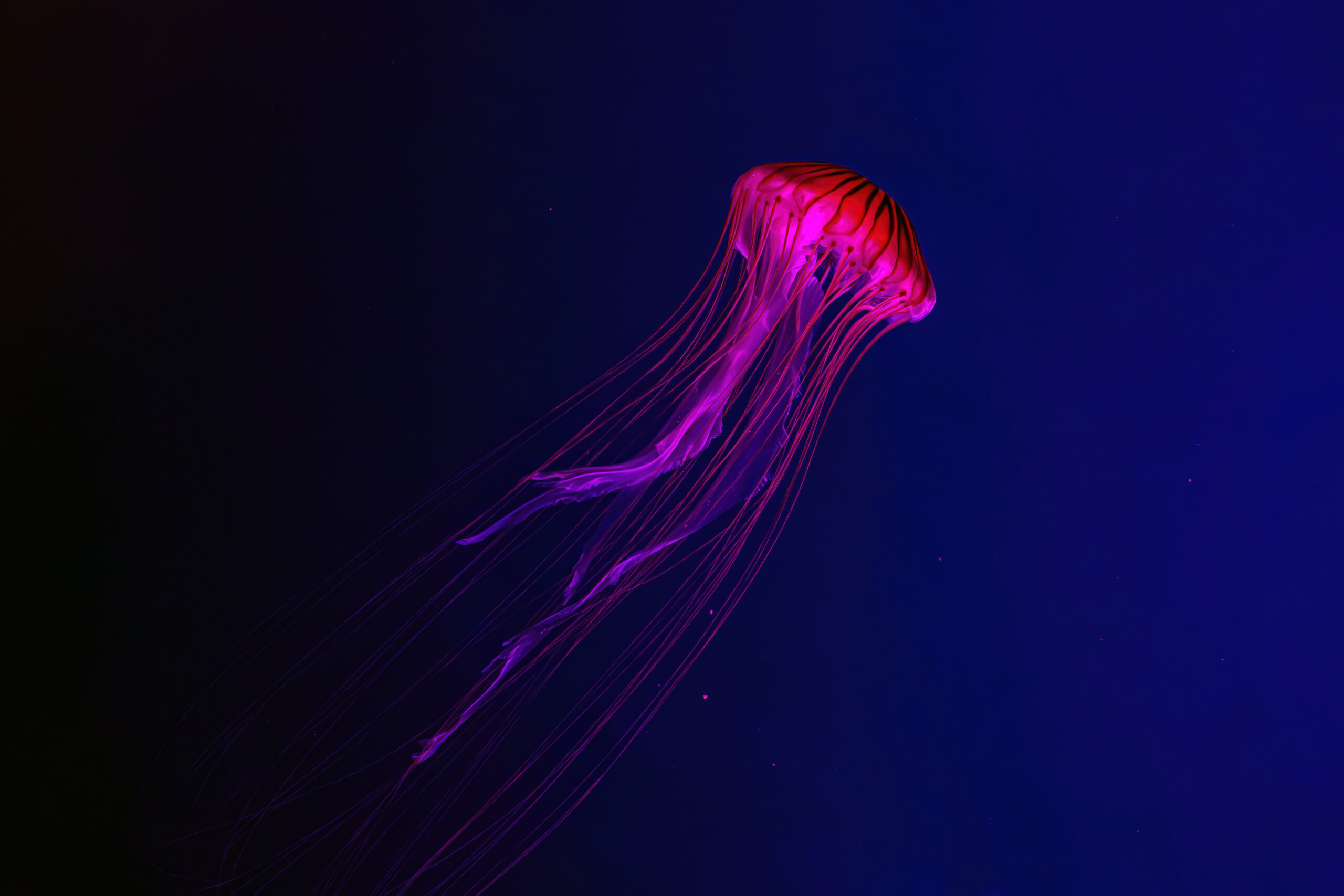
Box Jellyfish: Recognisable by their cube-shaped bell and long trailing tentacles, these are among the most venomous creatures on Earth. They’re primarily found in the tropical northern waters from October to May. Their sting causes immediate, intense pain and can leave distinctive red welts in a ladder pattern.
Irukandji Jellyfish: These tiny, nearly invisible jellyfish (only about 2cm in size) deliver a sting that might seem minor at first but can develop into the potentially life-threatening Irukandji syndrome within 30 minutes. Symptoms include severe back pain, nausea, vomiting, sweating and anxiety.
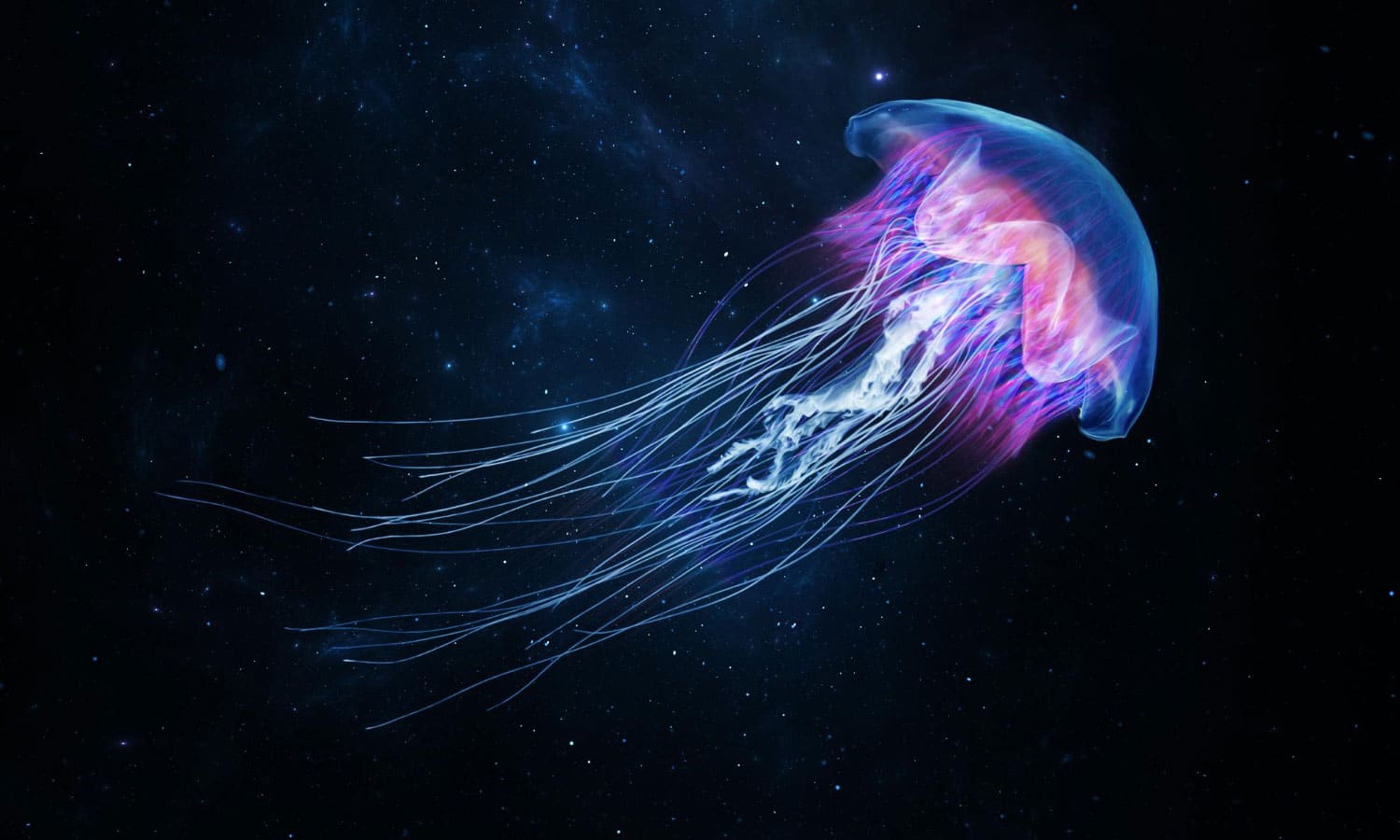
Moon Jellyfish: These common, relatively harmless jellyfish have a distinctive four-leaf clover pattern visible through their translucent bell. Their mild sting typically causes only minor irritation.
Immediate Actions for A Jellyfish Sting
The first steps of home remedies for jellyfish stings should be taken quickly. When dealing with any sting, take these immediate actions:
- Exit the water safely to prevent further stings and potential drowning if severe symptoms develop
- Douse the area with seawater (never fresh water) to rinse away invisible stinging cells
- Remove any visible tentacles using tweezers or the edge of a plastic card (while wearing gloves if possible)
What NOT to do:
- Never rinse with fresh water as it can activate remaining stinging cells
- Don’t rub the area, as this can spread venom
- Avoid applying vinegar unless you’re certain of the jellyfish type
- Don’t apply ice directly to the skin
Effective Home Remedies for Jellyfish Stings
The most effective home treatments for jellyfish stings combine two approaches: neutralising remaining stinging cells and relieving pain from venom already injected.
Neutralising Stinging Cells:
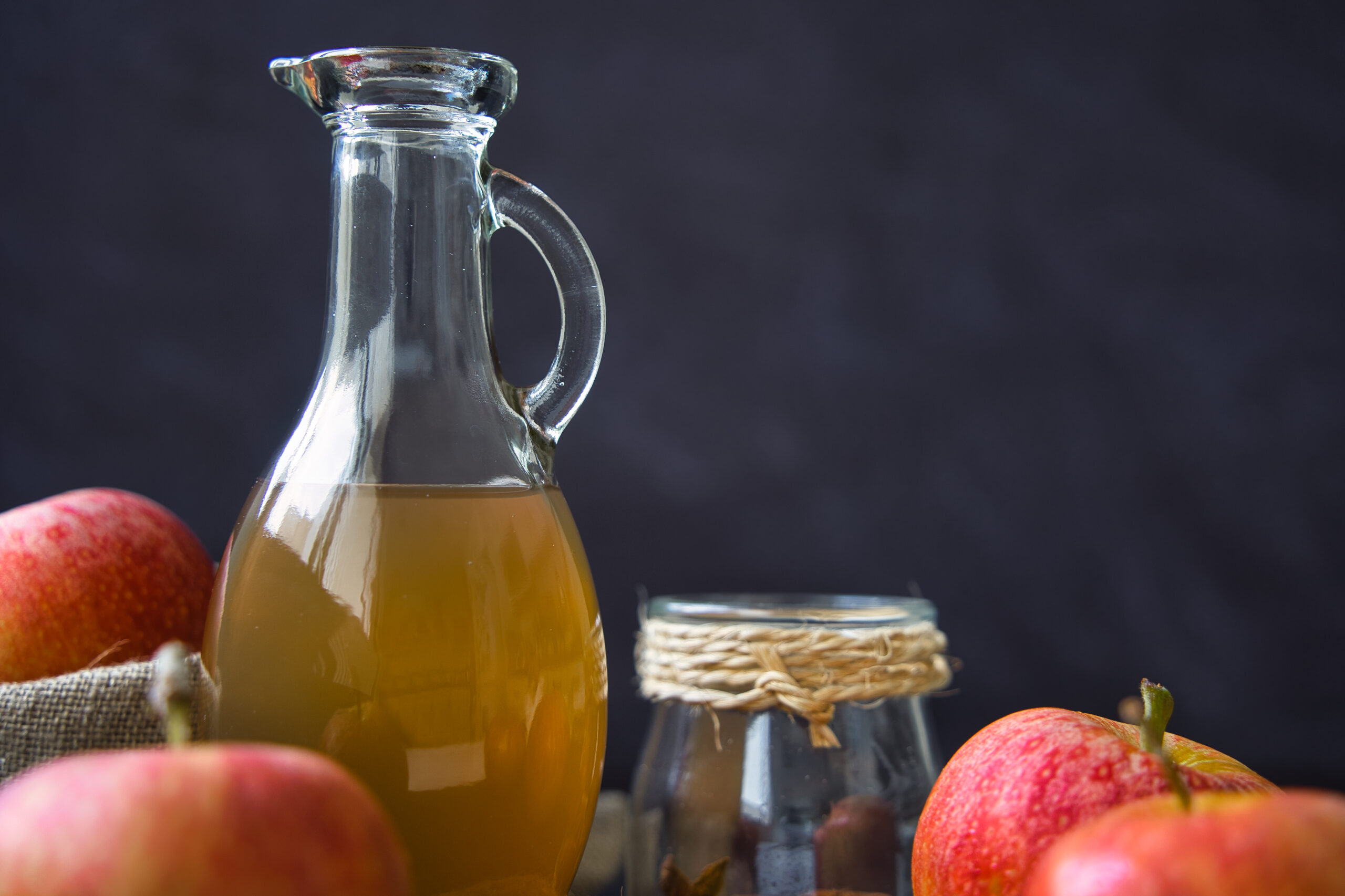
- Vinegar application: For box jellyfish and Irukandji stings, immediately flood the area with vinegar for at least 30 seconds. This deactivates unfired stinging cells but doesn’t relieve pain from venom already injected. Don’t use vinegar for unknown jellyfish species as it can worsen some stings.
Pain Relief Methods:
- Hot water immersion: This is effective for almost all jellyfish stings. Fill a bucket or basin with water as hot as the person can tolerate without burning (test on unaffected skin first, around 45°C) and soak the sting area for 20-45 minutes. The heat helps break down venom proteins.
- Over-the-counter pain relief: Paracetamol can help manage pain while other treatments take effect.
Special Considerations:
- For large box jellyfish stings covering significant areas or on the face/neck, apply vinegar while calling triple zero (000) immediately.
- For suspected Irukandji stings, watch carefully for developing symptoms of Irukandji syndrome (severe back pain, nausea, sweating, anxiety), which can appear 5-40 minutes after the sting. Seek emergency medical help if these symptoms develop.
- For mild stings from common jellyfish, a paste made from baking soda and seawater can sometimes help neutralise the pain when applied to the sting site.
DIY Remedy Kit for Beach Trips
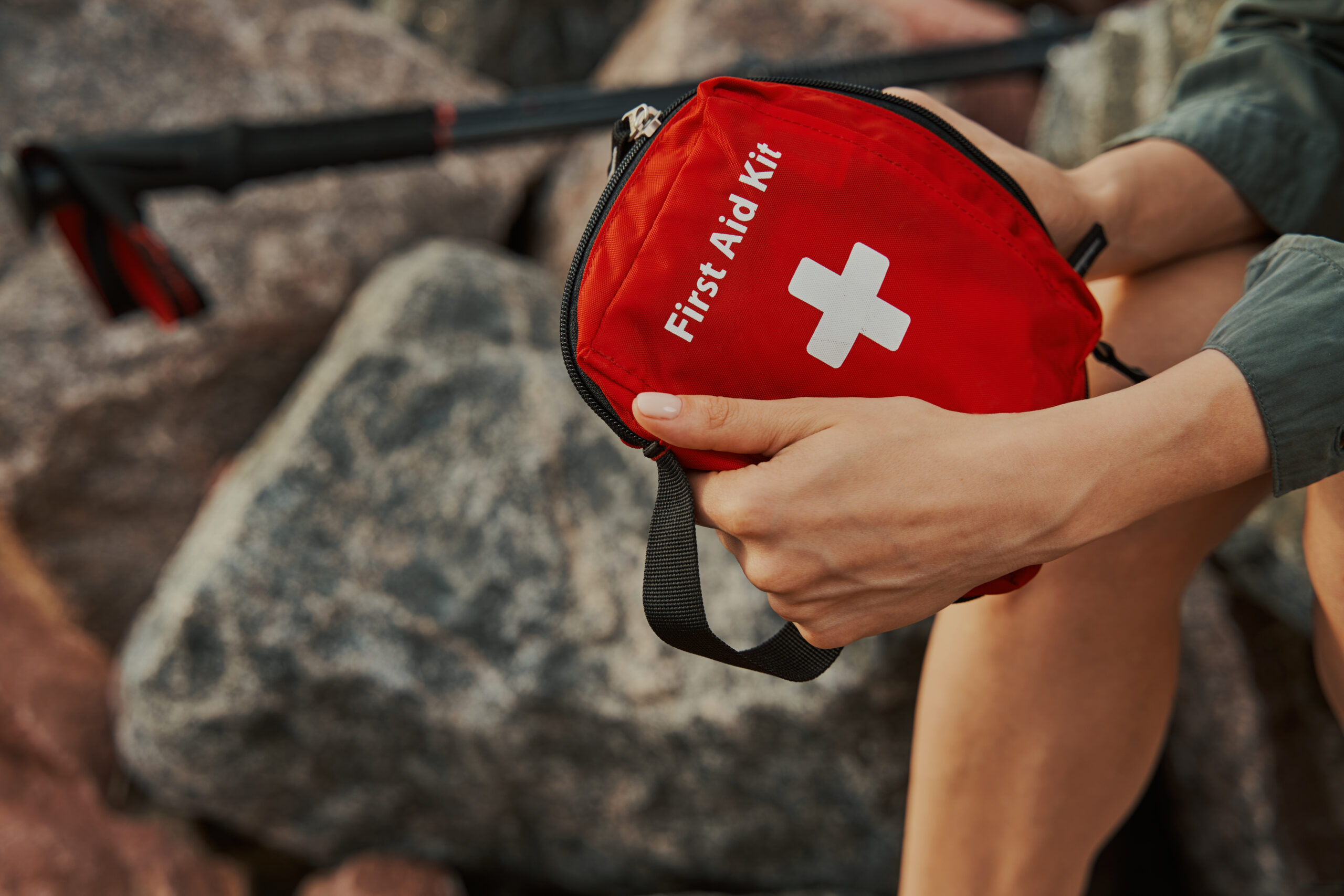
Creating a portable kit with home remedies for jellyfish stings can save precious minutes during an emergency. Prepare a small kit before heading to the beach, especially during jellyfish season. Your kit should include:
- Small bottle of vinegar (for box jellyfish)
- Plastic tweezers for removing tentacles
- Instant heat packs or a thermos of hot water
- Clean container for hot water soaking
- Basic pain relievers like paracetamol
- Hydrocortisone cream for itching during recovery
- Plastic cards for scraping away tentacles
- Clean bandages
Keep this kit in a waterproof container in your beach bag. Many northern Australian beaches provide vinegar stations during stinger season, but having your own supplies ensures immediate treatment regardless of location.
When to Seek Medical Help

While most stings respond well to home remedies for jellyfish stings, certain symptoms require immediate medical attention:
- Difficulty breathing or swallowing
- Chest pain or irregular heartbeat
- Severe pain that isn’t responding to treatment
- Sting areas larger than half a limb
- Sting to the face, eyes, or genital area
- Symptoms of Irukandji syndrome (severe back pain, sweating, nausea, anxiety)
- Signs of anaphylaxis (severe allergic reaction)
When calling emergency services (000), clearly communicate the location, type of jellyfish if known, and the person’s symptoms. If possible, take a photo of the jellyfish for identification, but only if it’s safe to do so.
Prevention Tips
Prevention is the most reliable of all home remedies for jellyfish stings. Follow these guidelines to minimise your risk:
Protective Clothing: During stinger season (November to May in northern waters), wear a full-body lycra stinger suit. Even a regular wetsuit provides some protection against most jellyfish stings.
Beach Safety Awareness: Always swim at patrolled beaches and between the flags. Check for and obey warning signs, which are frequently updated during high-risk periods. Some beaches close entirely during peak stinger season.
Timing Your Swim: Jellyfish are often more prevalent after rainfall and during certain tidal conditions. Ask local lifesavers about the current risks before entering the water.
Reliable Resources: The Australian Marine Stinger Advisory Services and local council websites provide up-to-date information on jellyfish risks. Many beaches also use the BeachSafe app to communicate current conditions and warnings.
Remember, understanding jellyfish patterns and being prepared with effective home remedies can mean the difference between a minor inconvenience and a serious medical emergency during your Australian beach holiday.
Frequently Asked Questions
Can I use meat tenderiser on jellyfish stings?
Although some suggest it among home remedies for jellyfish stings, meat tenderiser isn’t recommended. Scientific studies have found no evidence that it neutralises jellyfish venom, and it may actually cause further skin irritation in some people.
How long does pain from a jellyfish sting typically last?
For minor jellyfish stings, pain typically subsides within 1-2 hours with proper home remedies for jellyfish stings. Skin irritation and redness may persist for 3-5 days. However, severe stings from box jellyfish or Irukandji can cause pain lasting 12+ hours and may require medical intervention.
Is it safe to swim immediately after someone reports a jellyfish sting?
No, it’s generally not safe. Jellyfish rarely travel alone, and where there’s one, there are likely more nearby. When someone is stung, it’s a sign that preventive measures are needed instead of home remedies for jellyfish stings. Exit the water and wait for lifeguards to assess the situation. Some beaches may close temporarily following jellyfish sightings.