


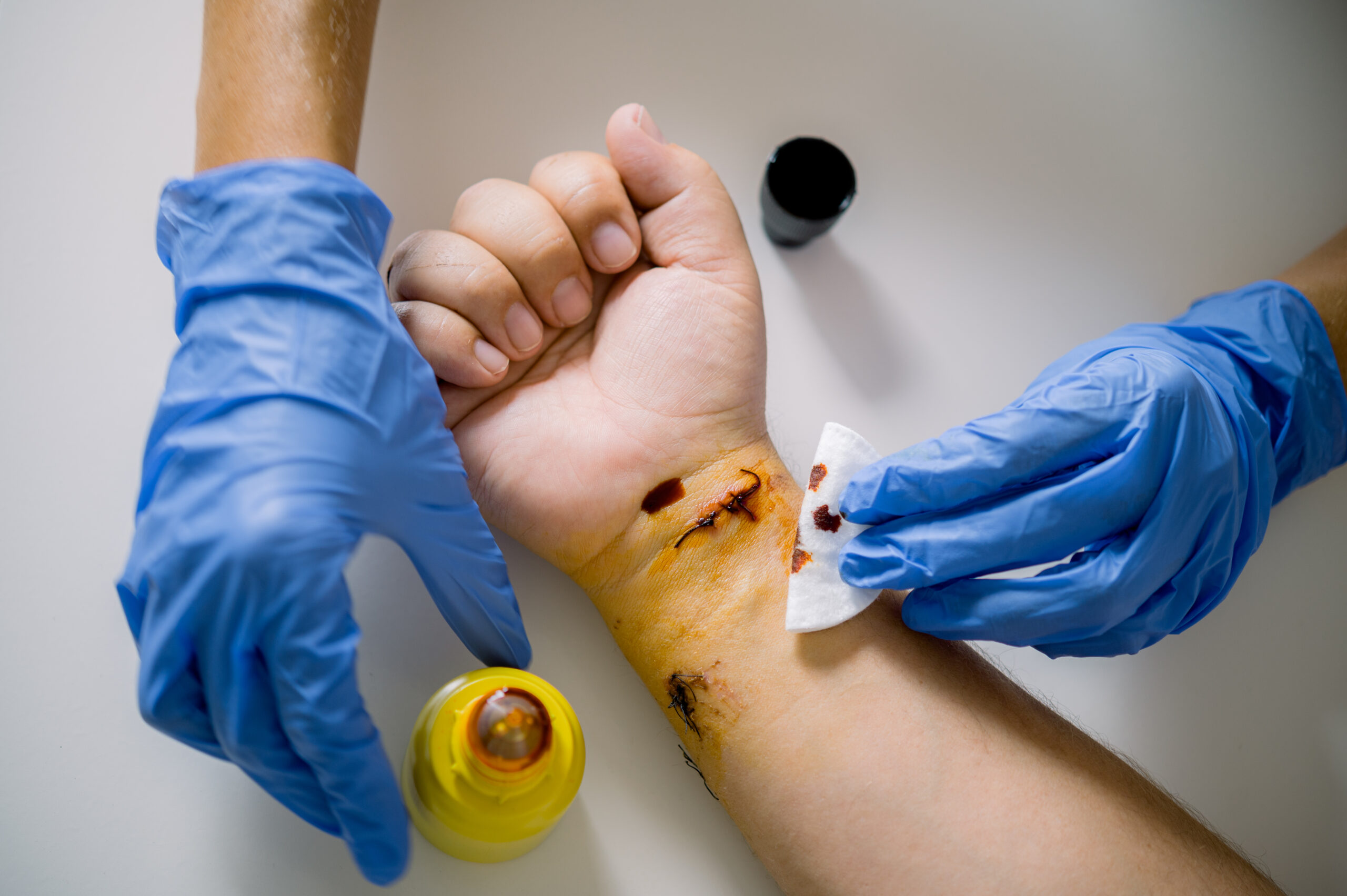
While the way to clean a small wound may seem insignificant, and it’s true that most may be treated at home, proper cleaning and care are vital to prevent infection and promote healing. Knowing how to safely clean a wound can make the difference between a quick recovery and a potentially serious complication.
Whether you’re dealing with a child’s skinned knee or your own kitchen mishap, understanding the correct steps to take can give you peace of mind and guarantee the best possible outcome.
Key Takeaways
- Wash your hands thoroughly with soap and water before touching the wound.
- Rinse the wound with clean running water for at least 30 seconds to remove debris.
- Clean the surrounding skin with mild soap, but avoid getting soap directly in the wound.
- Apply an antiseptic solution gently using a clean cotton swab or gauze pad.
- Cover the wound with a sterile dressing to protect it from contamination and change it daily.
First Aid Before You Clean a Small Wound
Assess the Wound
Before treating a small wound, carefully examine the injury to determine its severity and any potential complications. Look for signs of bleeding, depth of the wound, and any foreign objects embedded in the skin. Assess the wound type, which could be a cut, scrape, puncture, or burn, as each requires slightly different care approaches.
Check for signs of infection, such as redness, swelling, warmth, or pus. If you notice any of these symptoms, especially if they’re spreading, consult a healthcare professional immediately.
If the wound is deep, gaping, or caused by a dirty or rusty object, seek medical attention.
Gather Necessary Supplies
Start by locating your first aid kit, which should contain most of the wound care essentials you’ll need.
Here’s a list of key items to gather:
- Clean water or saline solution
- Mild soap
- Sterile gauze pads
- Adhesive bandages in various sizes
- Antibiotic ointment
Once you’ve assembled these basics, check that you have clean towels or paper towels on hand. You’ll use these to dry the area around the wound after cleaning.
Wash Your Hands Thoroughly
Before treating a small wound, you must thoroughly wash your hands to prevent introducing additional bacteria.
Start by wetting your hands with clean water and applying soap, then scrub all surfaces of your hands for at least 20 seconds.
Once you’ve completed the scrubbing process, rinse your hands under running water and dry them using a clean towel or air dryer.
Stop Any Bleeding
To stop bleeding from a small wound, you’ll need to act quickly and effectively.
Apply Direct Pressure
Applying direct pressure is the primary method to stop bleeding from a small wound. This fundamental wound care technique involves using firm, consistent pressure directly on the injured area.
To effectively apply pressure, use a clean cloth, sterile gauze, or your hand if no other options are available. Maintain steady pressure for at least 15 minutes without lifting or checking the wound, as this can disrupt clot formation.
If bleeding persists after 15 minutes of continuous pressure, seek medical attention.
Elevate Injured Area
In conjunction with applying direct pressure, elevating the injured area above the level of the heart can greatly aid in stopping bleeding from a small wound. This technique utilises gravity to reduce blood flow to the affected area, making it easier for clotting to occur.
To implement proper elevation techniques, you’ll need to position the injury higher than the heart while maintaining comfort and stability. Maintain this position for at least 15 minutes or until the bleeding stops.
If you’re unable to elevate the injured area above your heart due to the wound’s location or other physical limitations, try to keep it as high as comfortably possible.
Clean the Surrounding Area
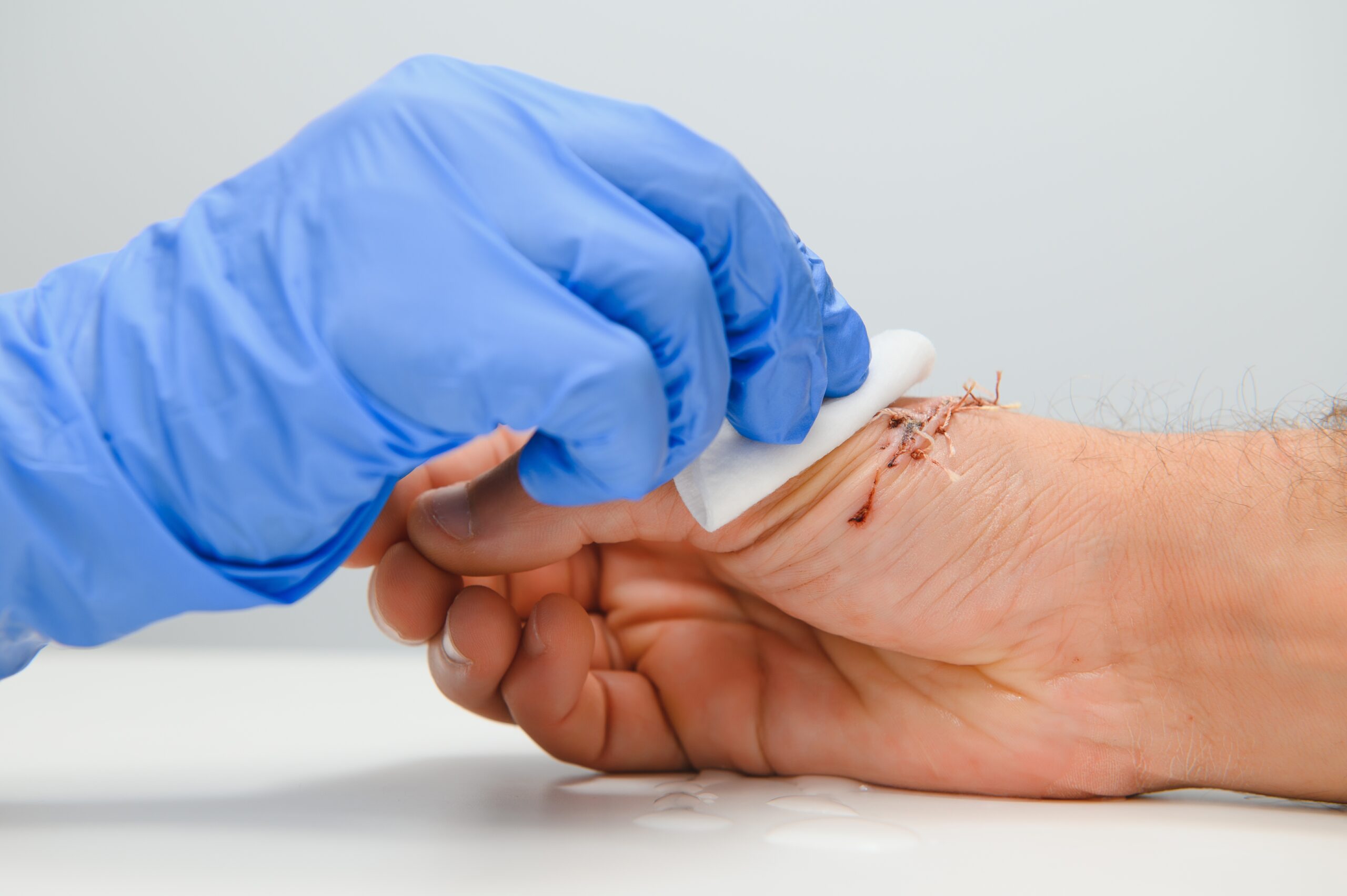
Gently clean the skin around the wound using mild soap and lukewarm water. Avoid getting soap directly in the wound, as it may cause irritation. Rinse the area carefully, removing any dirt, debris, or dried blood.
For effective cleaning of the surrounding area, follow these steps:
- Use a clean, soft cloth or sterile gauze
- Work from the centre of the wound outward in a circular motion
- Avoid using harsh chemicals or alcohol-based products
- Pat the area dry with a clean towel or sterile gauze
- Apply an antibiotic ointment if recommended by a healthcare professional
After cleaning, inspect the surrounding skin for signs of infection such as redness, swelling, or warmth. If you notice any of these symptoms, seek medical attention.
Rinse the Wound
To rinse the wound effectively, you’ll need to use clean running water.
After rinsing with running water, carefully inspect the wound for any remaining visible debris that needs to be removed. Use clean tweezers, sterilised with alcohol, to carefully pick out larger particles. For smaller debris, you can use a soft, sterile gauze pad to lightly wipe the wound area. Always move from the centre of the wound outward to avoid reintroducing contaminants.
If debris is stubborn or embedded, don’t force its removal. Aggressive attempts may cause further tissue damage or push the debris deeper. In such cases, seek medical attention. For superficial debris, you can try using a sterile saline solution to flush it out gently.
Avoid using strong antiseptics like iodine, rubbing alcohol, or undiluted hydrogen peroxide, as these can irritate the wound and surrounding skin. These harsh chemicals may also kill healthy cells, potentially delaying healing. Instead, focus on gentle yet effective cleaning methods.
Apply Antiseptic Solution
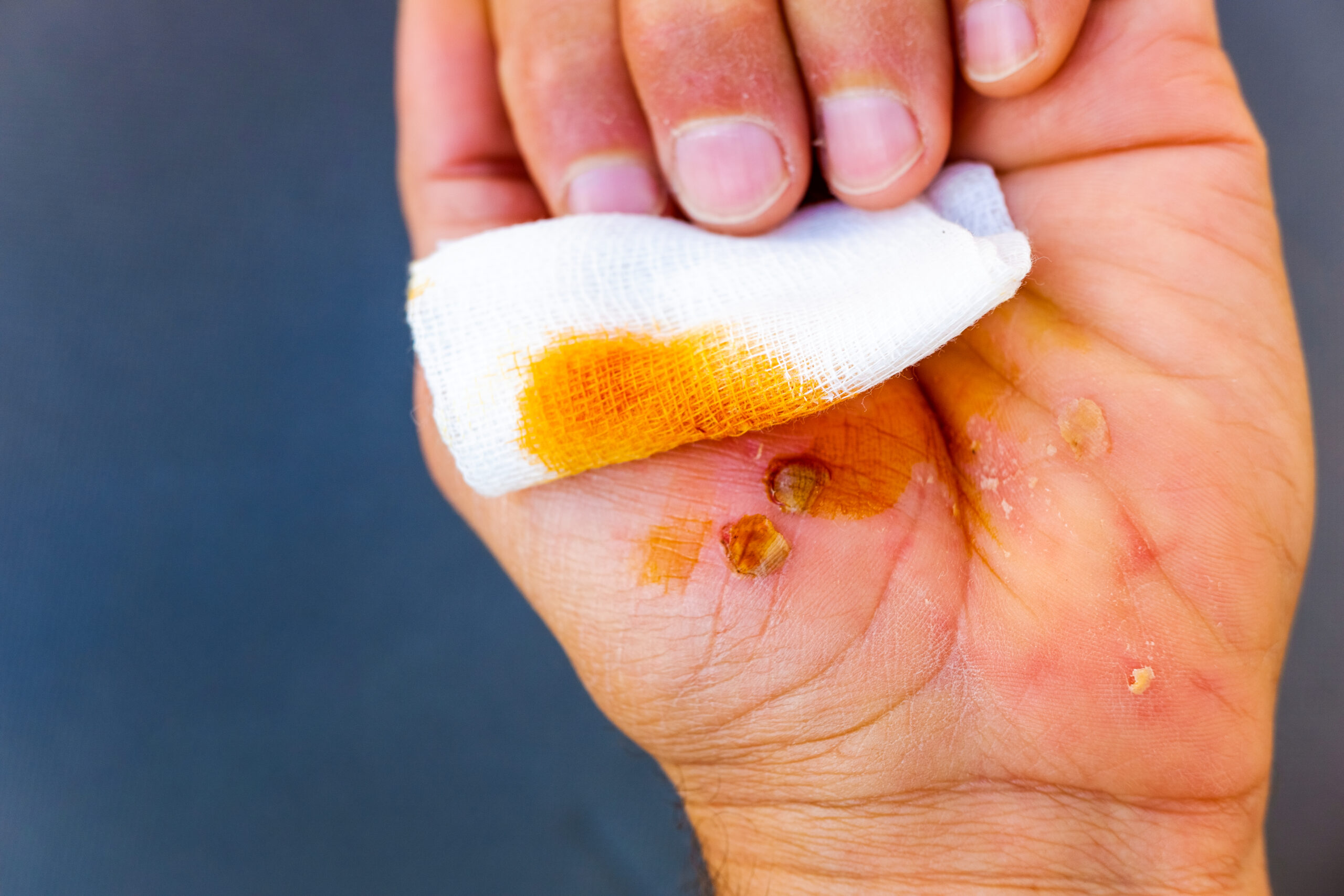
To effectively disinfect the wound, apply an antiseptic solution using a clean cotton swab or gauze pad. There are several antiseptic types available, including hydrogen peroxide, povidone-iodine, and chlorhexidine.
When applying the antiseptic, gently dab it onto the wound and surrounding area. Don’t pour the solution directly onto the wound, as this can cause unnecessary pain and may delay healing. For hydrogen peroxide, apply a small amount and let it fizz for a few seconds before gently wiping it away. With povidone-iodine, apply a thin layer and allow it to dry naturally. Chlorhexidine should be applied in a circular motion, moving outward from the centre of the wound.
Dry the Wound Gently
To dry your wound effectively, follow these guidelines:
- Use a clean, soft cloth or sterile gauze pad
- Pat the wound and surrounding area gently, avoiding rubbing
- Change to a dry part of the cloth as needed to absorb moisture
- Allow the wound to air dry for a few minutes if possible
- Avoid using hair dryers or other heat sources to speed up drying
When drying, be careful not to disrupt any blood clots that may have formed. These clots play an essential role in the healing process. If you notice the wound continuing to bleed, apply gentle pressure with a clean cloth until the bleeding stops.
Cover With Sterile Dressing
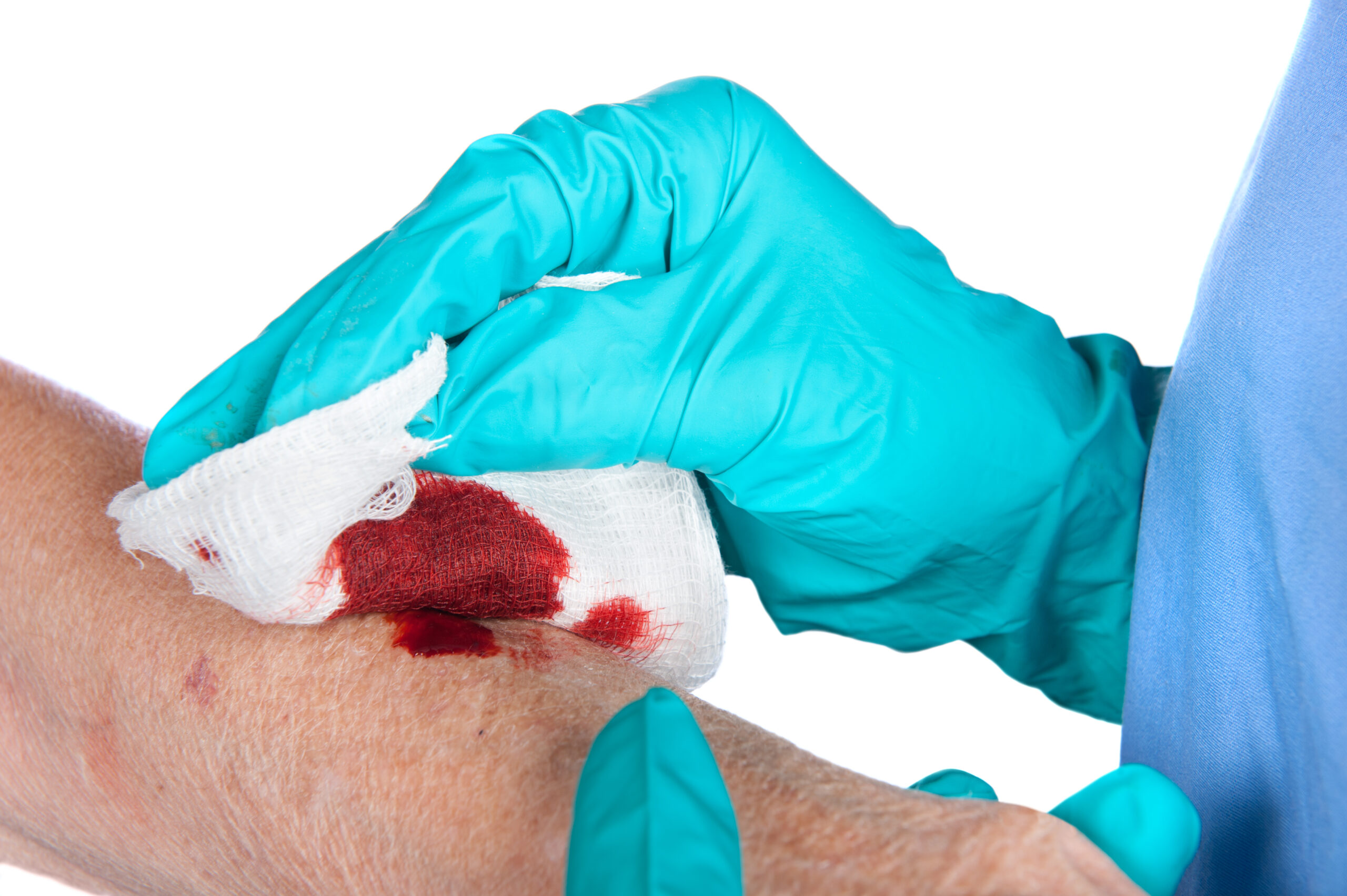
There are various dressing types available for effective wound care:
- Adhesive bandages
- Gauze pads
- Non-stick pads
- Hydrocolloid dressings
- Transparent film dressings
Carefully place the dressing over the wound, ensuring it adheres securely without touching the wound bed. For gauze or non-stick pads, use medical tape to secure the edges.
Change the dressing daily or more frequently if it becomes wet or soiled. When removing the old dressing, do so gently to avoid disrupting the healing process.
Secure the Bandage
After applying the sterile dressing, you’ll need to secure it effectively. There are various bandage types available, including adhesive bandages, gauze rolls, and elastic bandages. Choose the most appropriate type based on the wound’s location and size.
For adhesive bandages, simply remove the protective strips and apply the adhesive edges to clean, dry skin surrounding the wound.
When using gauze rolls or elastic bandages, employ secure techniques to ascertain they stay in place. Start by anchoring one end of the bandage, then wrap it around the affected area with consistent tension. Overlap each layer by about half its width for thorough coverage. Avoid wrapping too tightly, as this can restrict blood flow.
Monitor for Signs of Infection
Vigilant observation of your wound is essential for detecting early signs of infection and ensuring proper healing. As you monitor the wound, be aware of specific infection symptoms that may indicate complications in the healing process. Check the wound daily, preferably at the same time, to track its progress effectively.
Watch for these key signs of infection:
- Increased redness or swelling around the wound
- Warmth or heat radiating from the affected area
- Persistent or worsening pain
- Discharge, especially if it’s yellow, green, or has an unpleasant odour
- Fever or general feeling of illness
If you notice any of these symptoms, consult a healthcare professional immediately. They may indicate that your body is struggling to fight off bacteria, potentially leading to a more serious infection.
Frequently Asked Questions
When should I seek medical attention instead of treating a wound at home?
Seek medical help if the wound is deep, gaping, or caused by a dirty/rusty object. Also get professional care if you notice infection signs (increasing redness, swelling, warmth, pus), develop fever, or if bleeding continues after 15 minutes of direct pressure.
How long should I expect a typical small wound to take to heal?
Healing times vary based on wound type and location. Generally, minor cuts and scrapes heal within 3-7 days. Deeper cuts may take 1-2 weeks, while larger wounds can take several weeks or longer.
Can I use natural remedies on my wounds?
Medical-grade honey (especially Manuka) has proven antimicrobial properties, but store-bought honey isn’t sterile. Fresh aloe vera gel may help with minor burns through anti-inflammatory properties.