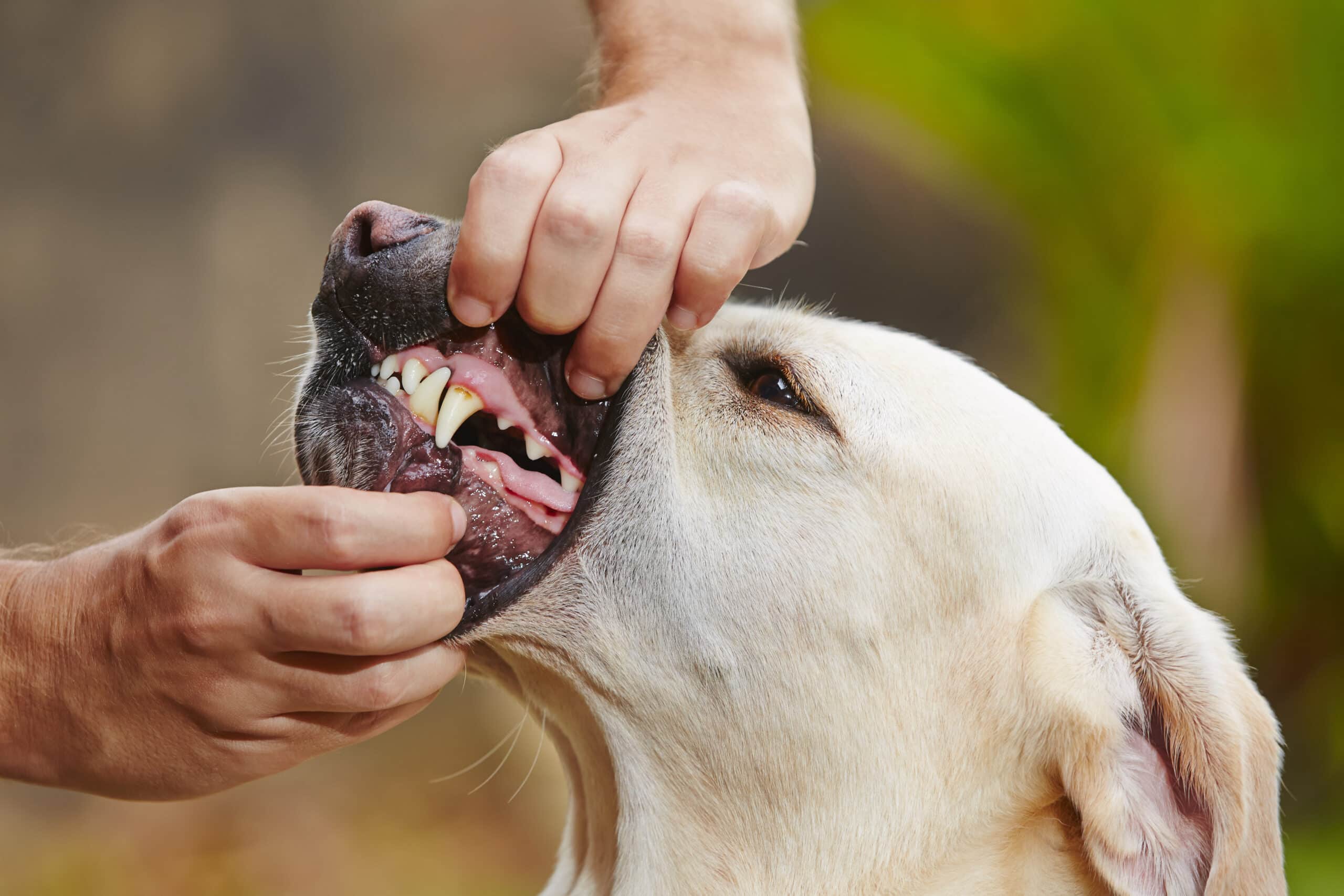



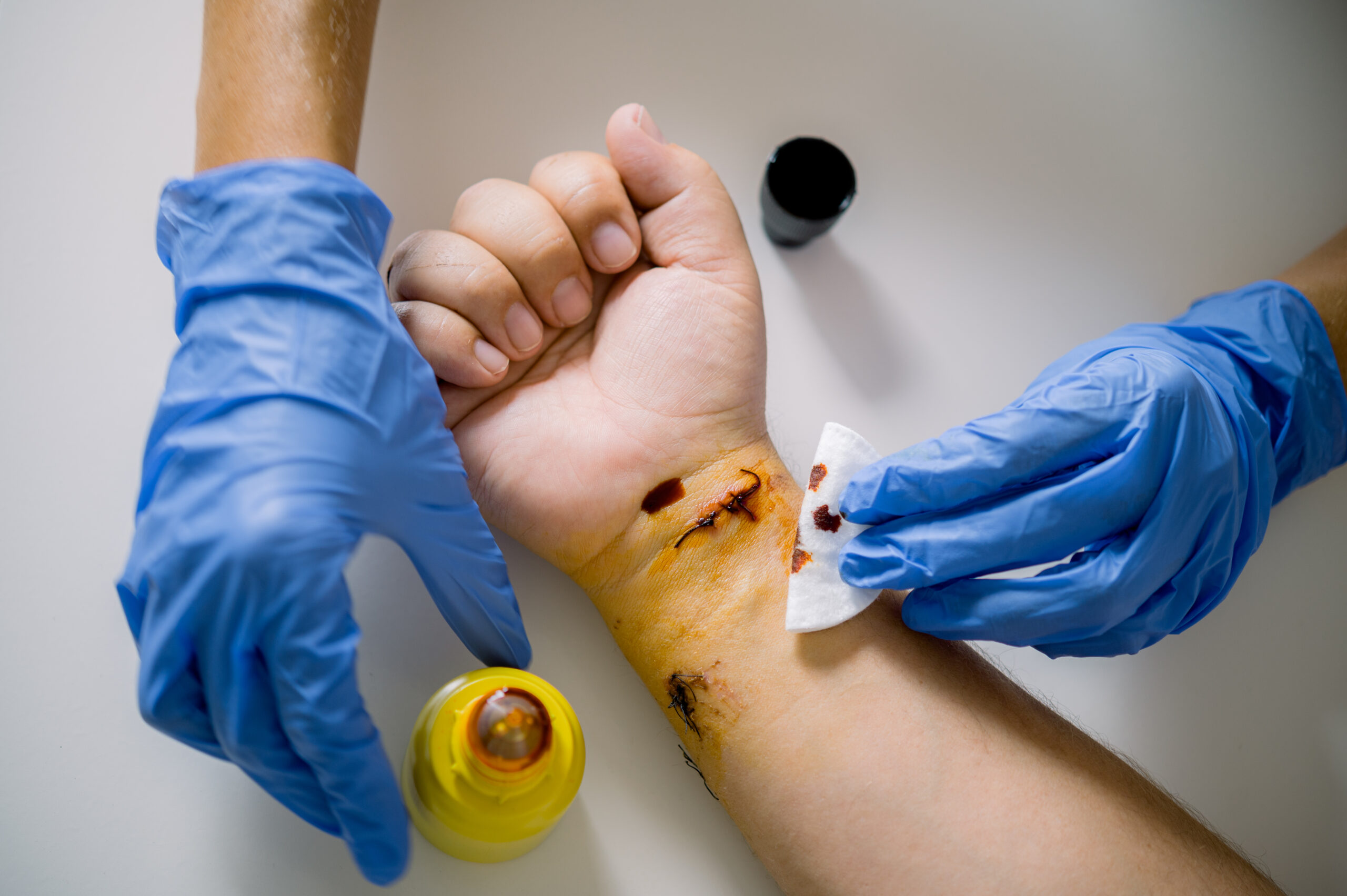
You’ve probably encountered minor wounds at some point in your life and needed to clean and dress minor wounds properly—whether it’s a scrape, a graze, an abrasion, a small cut or laceration, or a minor burn.
While these injuries might seem insignificant, proper care is vital to prevent infection and promote healing. Knowing how to clean and dress a minor wound effectively can make a significant difference in your recovery time and overall health.
But what exactly constitutes a ‘minor’ wound, and how can you tell if your injury requires professional medical attention? Let’s explore the essential steps you should take when faced with a minor injury and uncover some common misconceptions about wound care.
Key Takeaways
- Wash hands thoroughly and assess the wound for severity before beginning treatment.
- Clean the wound with lukewarm water and mild soap, gently removing dirt and debris.
- Apply an antiseptic solution and let it air dry to disinfect the affected area.
- Use a thin layer of antibiotic ointment to keep the wound moist and prevent bacterial growth.
- Cover the wound with an appropriate dressing, changing it daily or when soiled.
Assess the Wound
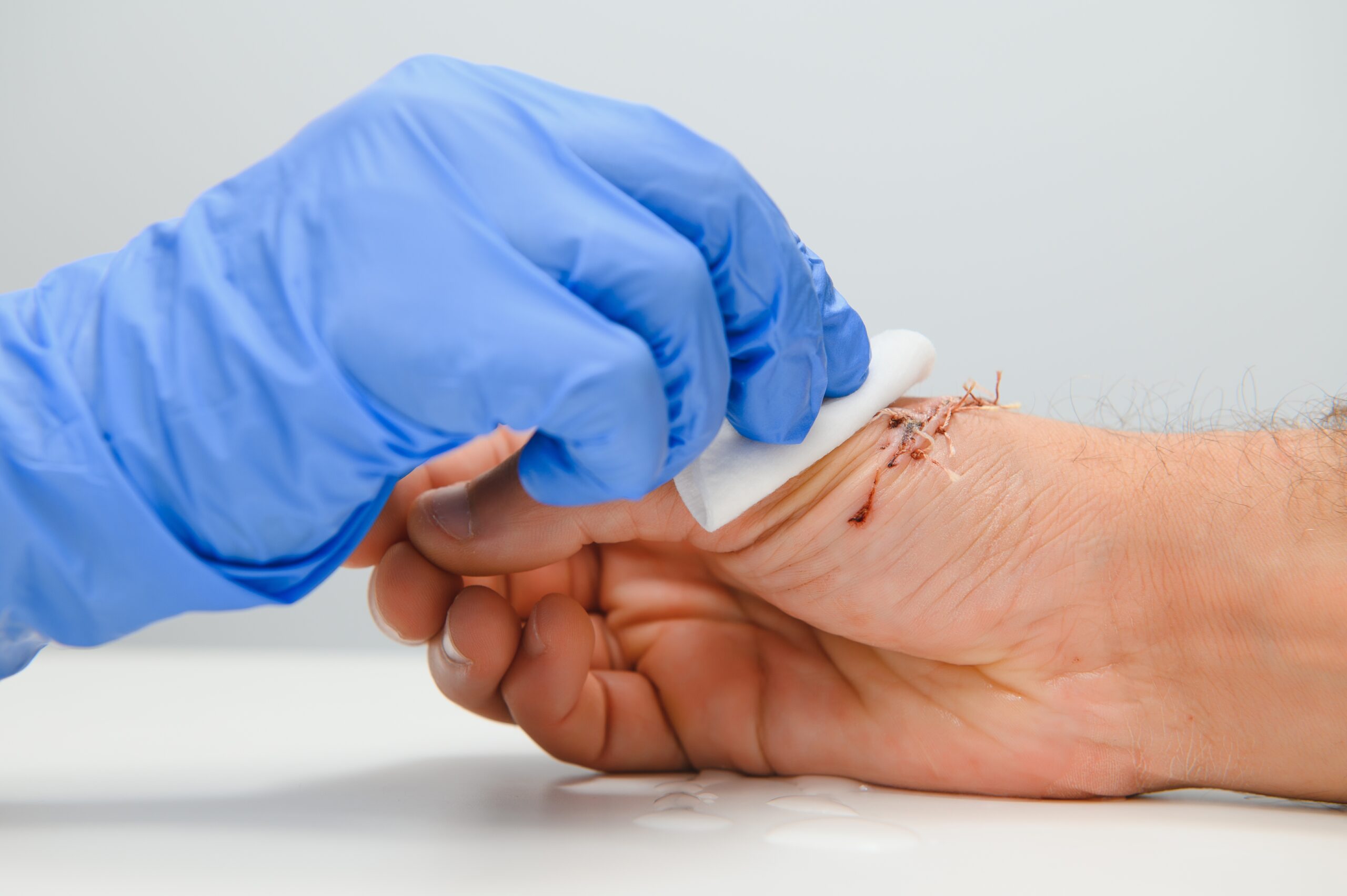
Begin by examining the wound’s size, depth, and location. Measure its length and width, and estimate its depth. Note if it’s on a joint, near significant organs, or in an area prone to infection.
Next, identify the wound type. Is it a cut, scrape, puncture, or burn? Each wound type requires specific care. Cuts may need closure, while scrapes often heal best when left open. A deep cut or puncture wound carries a higher risk of infection and may require professional evaluation and a tetanus shot to ensure safety.
Observe the wound’s appearance. Look for signs of infection such as redness, swelling, warmth, or pus. Check if there’s excessive bleeding or if you can see muscle, bone, or fatty tissue. These indicators may signal a more serious injury requiring medical attention.
Consider the wound’s age and the circumstances of its occurrence. Fresh wounds are easier to clean and treat, while older ones may have an increased risk of infection. Understanding the injury’s cause can help you assess potential complications in the healing process and whether you need to see your doctor.
Gather Necessary Supplies
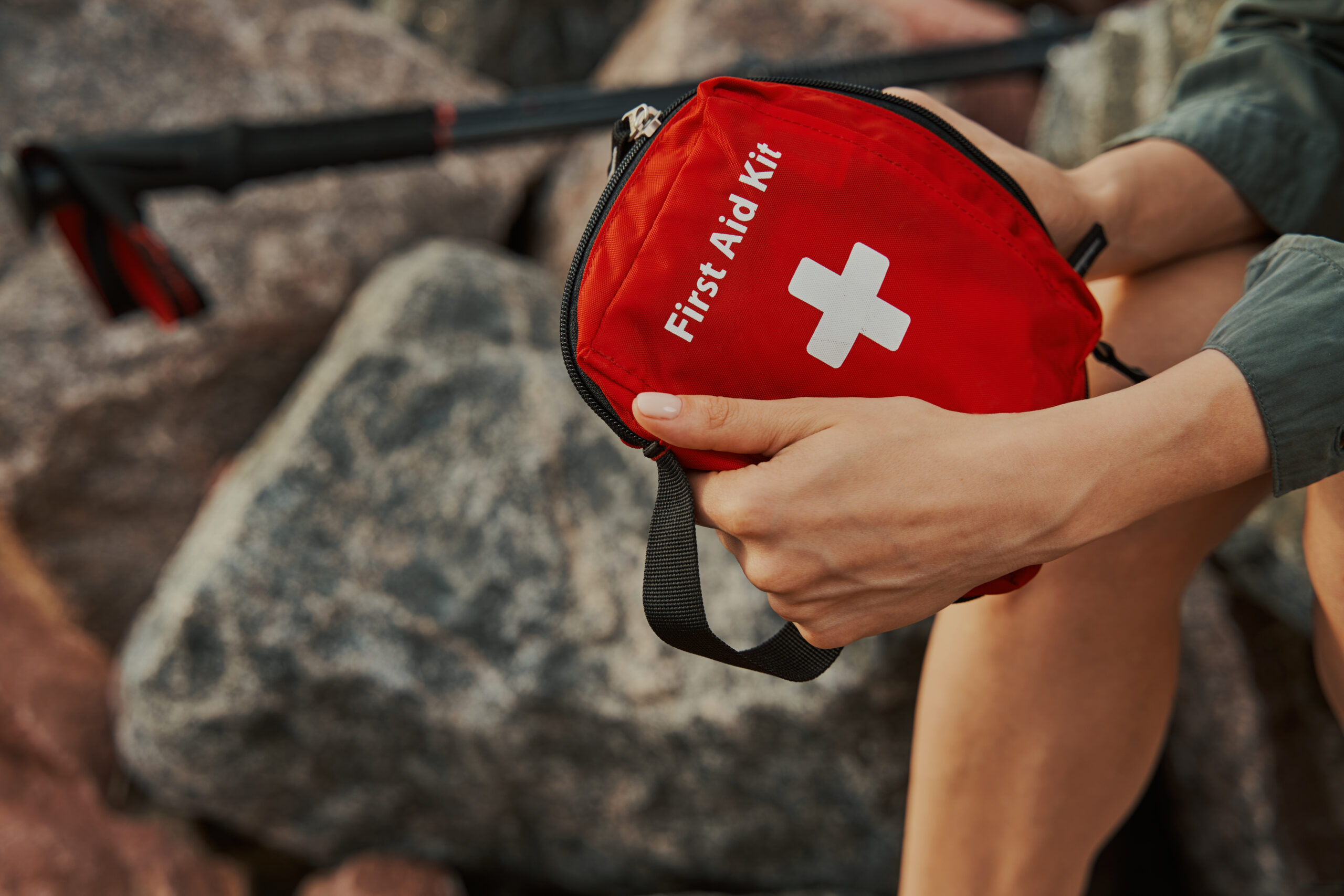
Before you clean and dress minor wounds, you’ll need to assemble a well-stocked first aid kit containing essential supplies for proper wound care and management. A thorough kit is vital for emergency preparedness and effective first aid.
Your kit should include sterile adhesive bandages in various sizes, gauze pads, and adhesive tape for wound coverage. Include antiseptic wipes or solution to clean the affected area and prevent infection. Disposable gloves are necessary to maintain hygiene during treatment.
Add scissors to cut bandages and tape, and tweezers for removing splinters or debris from wounds. Include an elastic bandage for sprains and a triangular bandage for arm slings. Don’t forget pain relief medications like paracetamol or ibuprofen.
Add antibiotic ointment to prevent infection in minor cuts and scrapes. Include a first aid manual for quick reference during emergencies. Consider adding a cold pack for reducing swelling and a small torch for better visibility.
Wash Your Hands
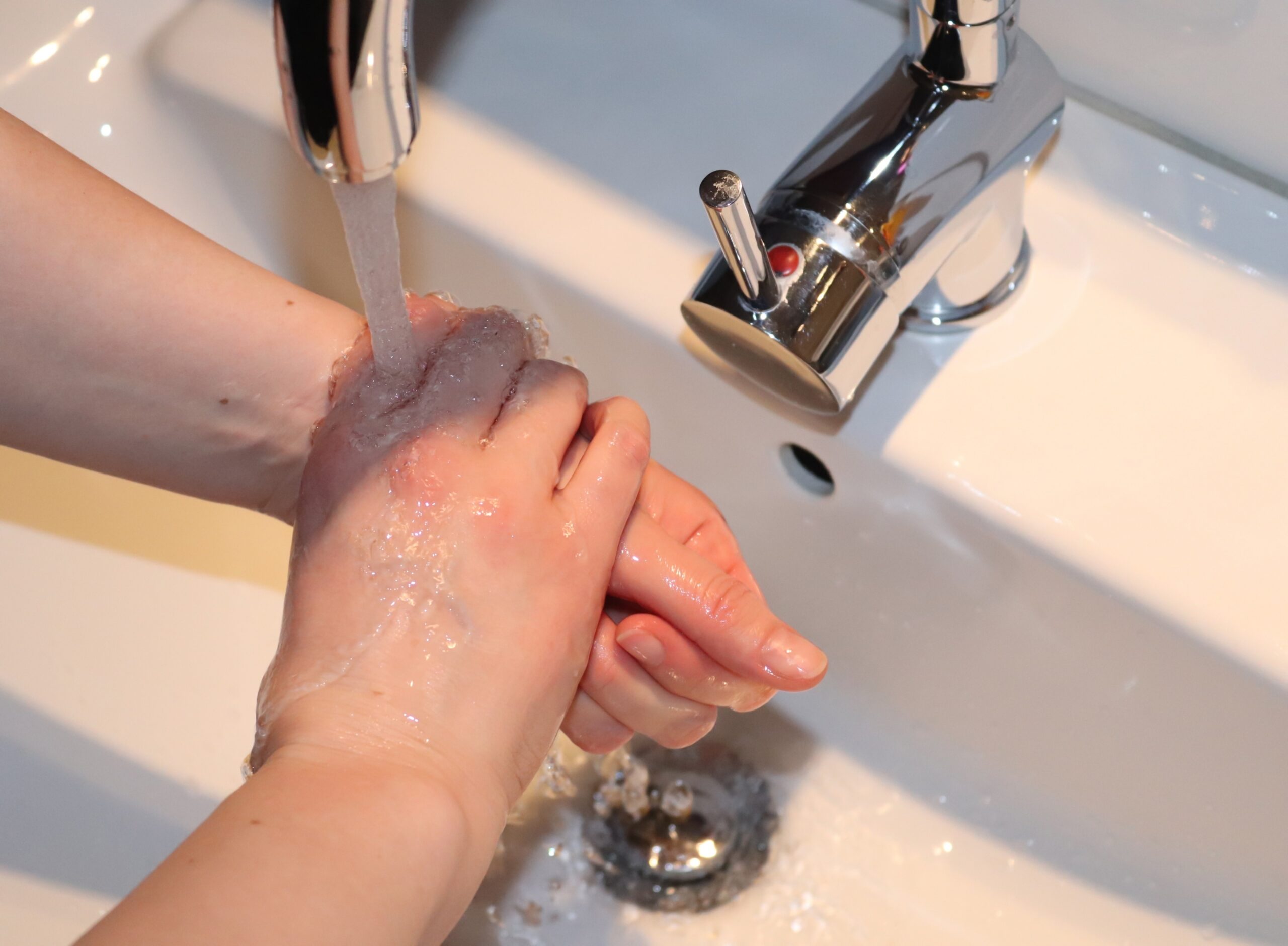
To prevent introducing additional bacteria when you clean and dress minor wounds, thoroughly wash your hands with soap and warm water for at least 20 seconds before treating the wound. Proper hand hygiene is essential for infection prevention and is the first step in wound care. Make sure you clean all surfaces of your hands, including between fingers and under nails.
If soap and water aren’t available, use an alcohol-based hand sanitiser containing at least 60% alcohol. However, if your hands are visibly soiled, always opt for soap and water. After washing, dry your hands with a clean towel or air dry them.
Always wash your hands again after completing wound care to prevent spreading any potential pathogens.
Stop the Bleeding
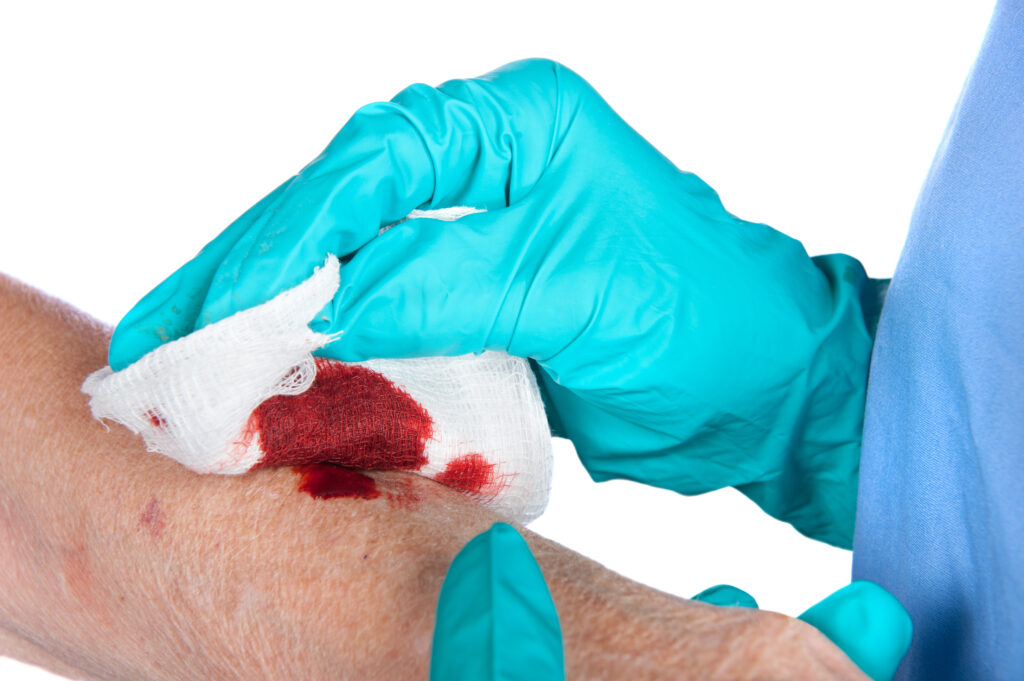
Once your hands are clean, apply firm, direct pressure to the wound using a sterile gauze pad or clean cloth to stop the bleeding before you continue to clean and dress minor wounds. Maintain constant pressure for at least 15 minutes without lifting the gauze or cloth. If blood soaks through, add more layers without removing the original dressing.
For extremity wounds, utilise elevation methods to help reduce blood flow to the area. Raise the injured limb above the level of the heart while continuing to apply pressure. This combination of pressure techniques and elevation can notably slow or stop bleeding in most minor wounds.
If bleeding persists after 15 minutes of pressure, try repositioning your hands slightly to ensure you’re covering the entire wound. For small cuts, pinching the edges of the wound together while applying pressure can be effective. In cases of severe bleeding or if pressure doesn’t work, seek immediate medical attention.
Clean the Wound
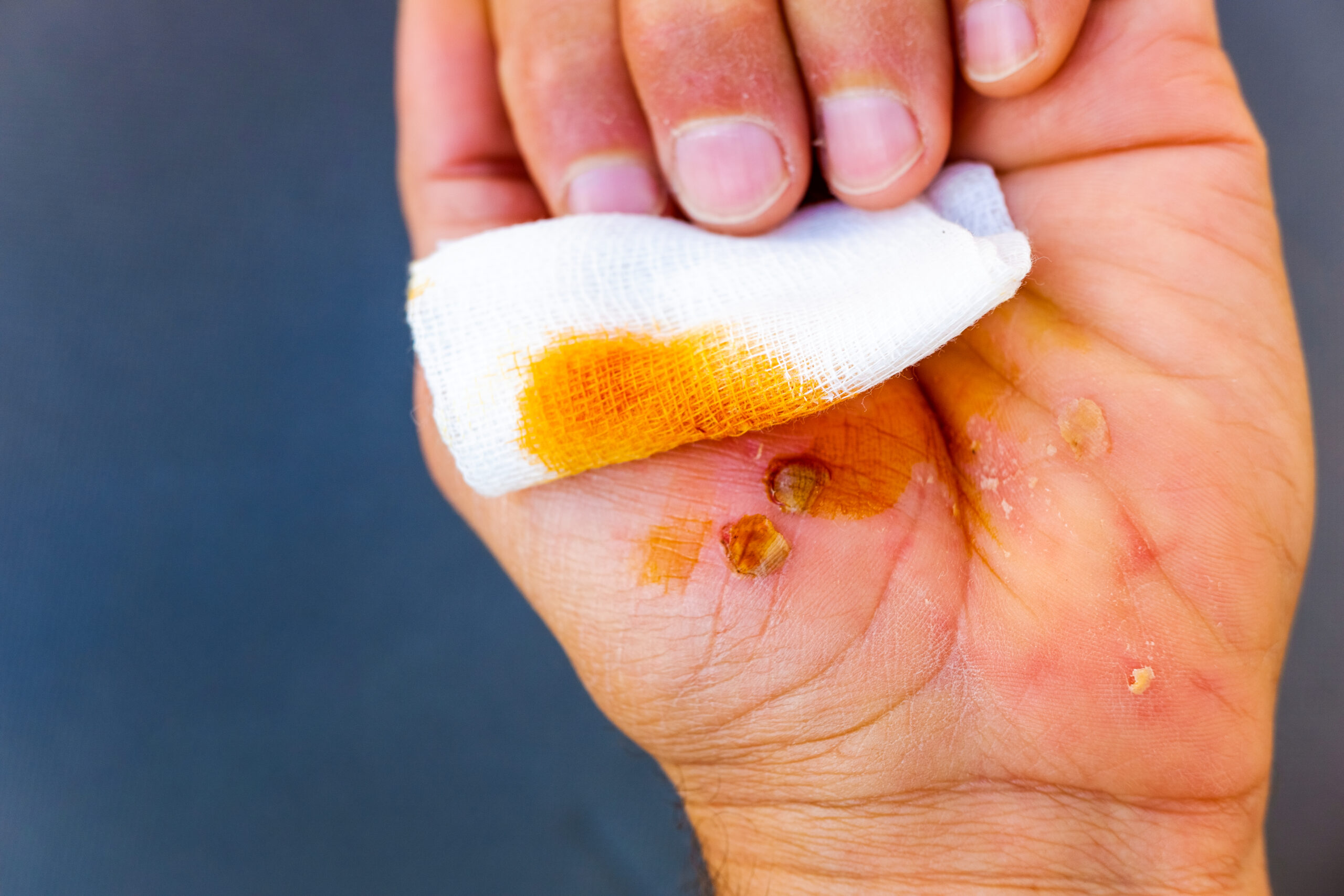
After successfully stopping the bleeding, you’ll need to clean the wound thoroughly to prevent infection and promote proper healing. Proper wound hygiene is vital for infection prevention and ideal recovery.
Begin by washing your hands with soap and water to avoid introducing additional bacteria to the wound site.
Next, gently clean the wound using lukewarm water and mild soap. Avoid using hydrogen peroxide, alcohol, or iodine, as these can damage tissue and delay healing. If there’s visible debris, carefully remove it with clean tweezers that have been sterilised with rubbing alcohol.
For effective wound cleaning and infection prevention, follow these steps:
- Rinse the wound under running water for at least 5 minutes
- Use a soft cloth or gauze to gently clean around the wound edges
- Pat the area dry with a clean towel or sterile gauze
- Apply an antibiotic ointment to keep the wound moist and prevent bacterial growth
Choose Appropriate Dressing
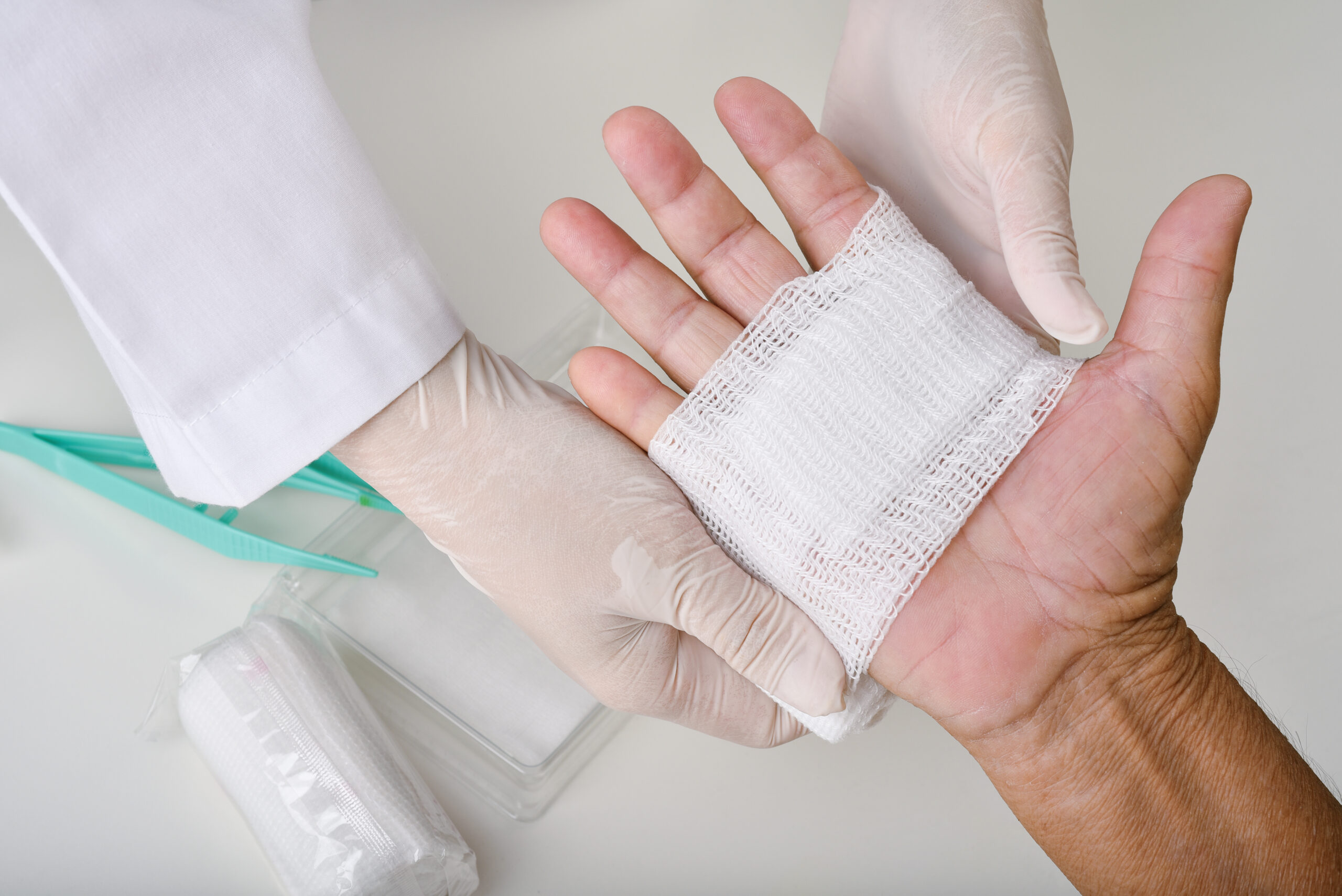
With the antibiotic ointment in place, you’ll need to select an appropriate dressing to protect the wound and maintain a clean healing environment when you clean and dress minor wounds. Choose from various dressing materials based on the wound’s size, depth, and location. For small cuts or scrapes, adhesive bandages or sterile gauze pads secured with medical tape are often sufficient. Larger wounds may require non-stick gauze pads or hydrocolloid dressings.
When applying the dressing, use proper dressing techniques to guarantee ideal healing. First, ensure your hands are clean. Gently place the dressing over the wound, avoiding direct contact with the injury. For adhesive bandages, carefully smooth out any wrinkles to create a secure seal. If using gauze, apply it loosely to allow for some air circulation. Secure the edges with medical tape, ensuring it’s not too tight to impede blood flow.
For wounds in high-movement areas, consider using flexible fabric bandages or butterfly closures to provide extra support. Change the dressing daily or whenever it becomes wet or soiled. Always monitor the wound for signs of infection, such as increased redness, swelling, or discharge.
Secure the Bandage
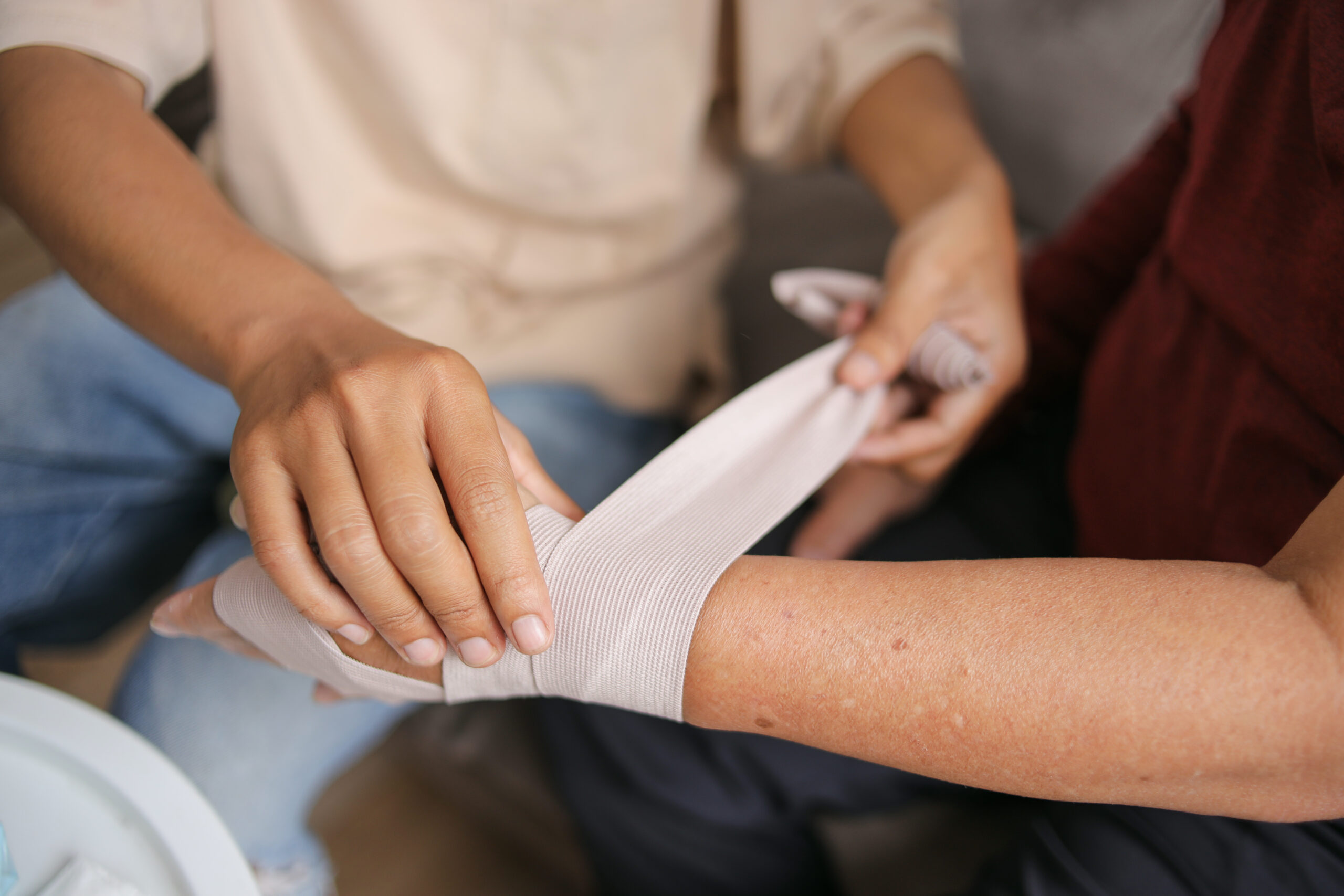
After choosing the appropriate bandage, you’ll need to secure it properly by applying gentle pressure to ensure ideal wound protection and healing when you clean and dress minor wounds.
Begin by positioning the bandage over the wound, guaranteeing it covers the entire affected area. Use your fingers to smooth out any wrinkles or air bubbles, as these can compromise the bandage’s effectiveness.
When applying pressure, use the palm of your hand or fingertips to press down gently but firmly on the bandage. Distribute the pressure evenly across the entire surface to avoid creating areas of uneven adhesion.
Pressure application techniques may vary depending on the bandage type, but generally, you should apply steady pressure for about 30 seconds to a minute.
Follow pressure duration guidelines carefully, as excessive pressure can impede circulation and potentially harm the wound. For adhesive bandages, maintain pressure until you feel the adhesive bond with your skin. For gauze or non-adhesive dressings, hold the pressure until the bandage stays in place on its own.
Once secured, check the edges of the bandage to ascertain they’re fully adhered and there are no gaps where contaminants could enter.
Monitor for Signs of Infection
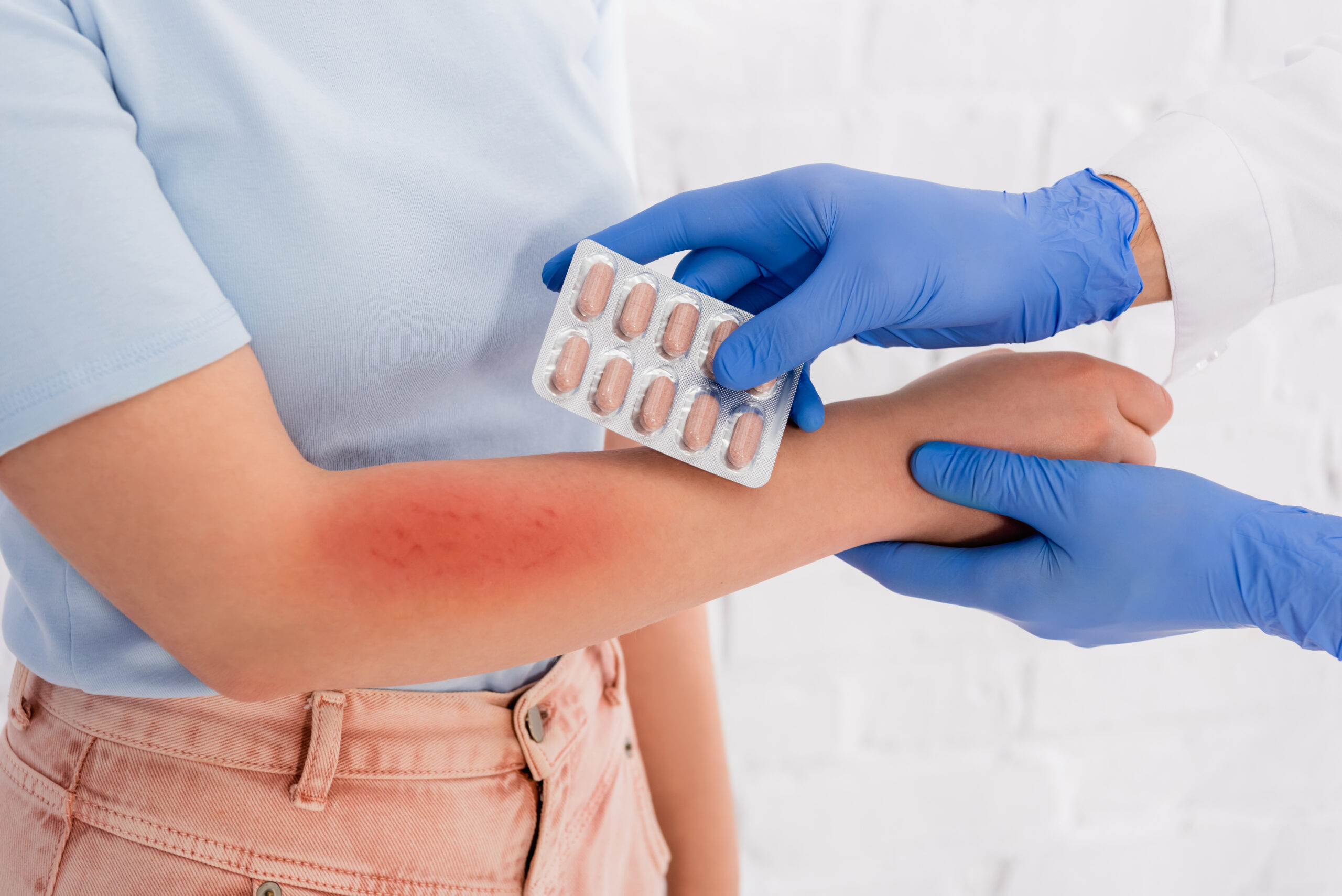
While your wound heals, it’s important to watch for any signs of infection that may develop after you clean and dress minor wounds. Proper wound care and infection prevention are critical for a speedy recovery.
Monitor your wound daily, paying close attention to any changes in appearance, sensation, or surrounding skin.
Be alert for the following signs of infection:
- Increased redness, swelling, or warmth around the wound
- Persistent or worsening pain
- Foul odour or unusual discharge
- Fever or chills
If you notice any of these symptoms, consult your healthcare provider immediately. They may prescribe antibiotics or recommend additional treatment to prevent the infection from spreading.
Change Dressing Regularly
Regular dressing changes are essential for maintaining a clean, healthy environment that promotes ideal wound healing when you clean and dress minor wounds. You should follow specific frequency guidelines based on the type and severity of your wound. Generally, change the dressing at least once daily, or more often if it becomes wet, soiled, or loose.
When to Seek Medical Help
Certain wound characteristics necessitate immediate medical attention, particularly severe bleeding or intense pain, even if you’ve tried to clean and dress minor wounds properly.
In your wound evaluation, watch for these red flags:
- Bleeding that soaks through bandages or continues for more than 20 minutes
- Gaping wounds that can’t be closed with gentle pressure
- Pain that’s severe, persistent, or worsening over time
- Signs of infection such as increased redness, warmth, or pus
Even minor wounds can develop infections, so it’s vital to monitor your injury for specific signs that indicate a need for medical attention.
Other warning signs include increased pain or tenderness, especially if it worsens over time. Pus or cloudy discharge from the wound is a clear indicator of infection. If you notice a foul odour emanating from the injury, this could also signal bacterial growth.
Systemic symptoms like fever, chills, or general malaise may indicate that the infection has spread beyond the local wound area. If you experience any of these symptoms or if your wound isn’t healing as expected, don’t hesitate to seek medical help promptly.
Frequently Asked Questions
Can I Use Hydrogen Peroxide to Clean Wounds?
You might think letting a wound ‘breathe’ is best, but that’s a myth when you clean and dress minor wounds. Keep it covered. Proper wound healing requires moisture, not air exposure. You’ll promote faster healing and reduce infection risk with a clean, protective dressing.
Is It Better to Let a Wound "Breathe" or Keep It Covered?
You might think letting a wound ‘breathe’ is best, but that’s a myth when you clean and dress minor wounds. Keep it covered. Proper wound healing requires moisture, not air exposure. You’ll promote faster healing and reduce infection risk with a clean, protective dressing.
Can I Swim With a Bandaged Wound?
You shouldn’t swim with a bandaged wound after you clean and dress minor wounds. Water exposure risks infection and compromises bandage materials. If you must swim, use waterproof dressings and follow proper swimming precautions. Consult your doctor for specific advice on your wound.