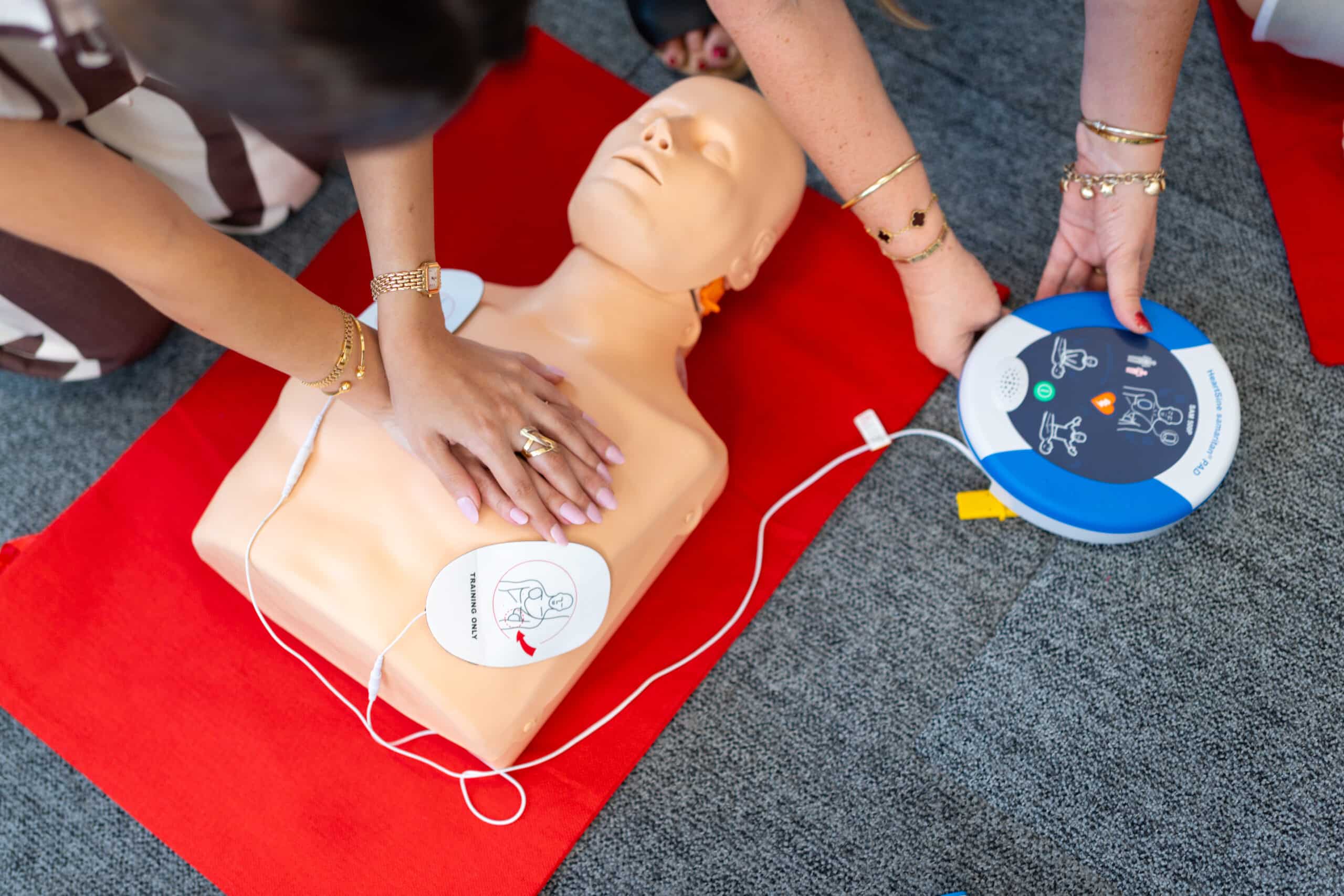





Sharon has 21+ years of experience as a qualified Emergency Care Nurse registered with the Australian Health Practitioner Regulation Agency (APHRA) and 12+ years as a First Aid Trainer.
She takes pride in FirstAidPro making first aid training available, comprehensive and affordable to everybody.
Shoulder injuries are common among people who play sports, lift weights, or participate in other vigorous activities that strain the shoulders. A shoulder injury can be extremely painful and may even keep you from playing your favourite sport for weeks or months. But with the right treatment and self-care measures, you can get better faster.
Shoulder injuries can be acute, sudden, chronic or last indefinitely. Acute injuries are far more common than chronic ones. Injuries usually occur due to a fall on an outstretched hand, overexertion or overuse of the joint, spraining it through repetitive motions such as throwing a ball, or twisting it too far while playing a game that involves reaching overhead with one arm – like golf. It is handy to know how to immobilise a shoulder or other joint to prevent further injury. Slings are taught in a first aid certificate course.
Cause Of Shoulder Injuries
It is important to understand what is causing your shoulder injury and how you can prevent it in the future. Some common factors in shoulder injuries include:
- Overuse: If you are using your shoulder a lot or doing something that puts a lot of stress on the joint – like throwing a lot of netballs or tennis balls, or lifting too much weight – it puts you at a higher risk of an injury. Be careful and take a break when your shoulder gets tired or starts to ache.
- Bad Form: When you are lifting weights, doing yoga, playing tennis, or doing any other activity that puts stress on your shoulder, you should make sure you are doing it correctly. Bad form in such activities can put too much stress on your shoulder, which can lead to injuries like strains and sprains.
- Getting Sick: If you get ill and have a fever, your immune system works hard to fight off the infection. Your body uses a lot of energy to do this and may not have enough left over to heal your muscles and joints if you injure them – meaning a simple injury can take longer to heal.
Recognising The Symptoms Of A Shoulder Injury
Shoulder injuries can be tricky since there are several different parts of your shoulder that work together as a single unit. Here are some common signs that you may have a shoulder injury:
- Pain: This is the most obvious sign of a shoulder injury. You should always pay attention to pain in your shoulder and take note if it is increasing or decreasing – especially if you are recovering from another injury.
- Swelling: Swelling is can be a symptom of a minor injury, but it can also be a sign of a much more serious one. If your shoulder starts to swell, that is a sign that something is wrong – even if you don’t feel pain right away.
- Weakness: Your shoulder may feel weak if you are recovering from an injury. This is a sign that your muscles are struggling to do the same work that they normally do.
- Loss of range of motion: If you have injured your shoulder, you may notice that you cannot move your joint as far as you used to. If this happens, you should see a doctor as soon as possible to get it checked.
How To Treat A Shoulder Injury?
Rest and ice are a great way to manage a shoulder injury. When you injure a joint, it is important to minimise the amount of stress you put on it while it heals. This can make life harder, but it is worth it to allow the shoulder to heal properly. First, avoid activities that cause pain or further injury to the joint. If possible, you may want to limit your everyday tasks while healing to avoid overtaxing your non-injured arm and reduce overall stress on your body.
If your shoulder is hurting, consider using a sling or brace to stabilise your joint and help you avoid moving it. This will also help you manage the amount of pain you are experiencing. First Aid techniques can be applied to bandage and treat the injury. If you don’t currently know much first aid, it’s worth looking into a First Aid certificate, which are available throughout Australia.
Try applying ice to your shoulder as soon as you start to feel pain or notice swelling. It is a great way to reduce inflammation and relieve some of your pain and discomfort.
What You Should Not Do To Treat A Shoulder Injury?
You should avoid the following when treating a shoulder injury:
- Using heat on the affected area: While heat is a great way to relieve muscle and joint pain, it can also increase swelling. Your body naturally produces heat as it works to heal your injury. Using heat on top of that can lead to more swelling, making your pain worse and slowing your recovery. It is best to ice the injury and wait for the swelling to go down before applying any heat to the injury.
- Moving your joint too much and too soon: While you want to keep your joint as mobile as possible, you do not want to put too much stress on it before it is ready. Your doctor can tell you when it is okay to move your shoulder more and what movements are best for you. Bandaging the wound with a taping technique will help prevent the muscle from moving too much.
- Squeezing your joint: Some people find that pressing on their joints can help with pain and swelling. Avoid this with a shoulder injury, as you do not want to exacerbate the injury. Instead, apply a pressure bandage and take an over-the-counter medication like ibuprofen to help with the pain.
Exercises For Recovery From A Shoulder Injury
Rest is important while recovering from an injury, but you also want to get your muscles moving as soon as possible. This helps your muscles stay loose and reduces the risk of atrophy. It is also important to move the joint around so that it does not remain stiff. A physical therapist can help you design an exercise program that is right for you and your injury. They may recommend working with light weights or resistance bands to build up those muscles. Here are a few exercises you can do while recovering from an injury:
- Rotator cuff exercises: A rotator cuff is a group of muscles and ligaments that run through your shoulder. It helps to stabilise your shoulder joint and keep your arm in place. These exercises can help strengthen your rotator cuff and stabilise your joints.
- External rotation exercises: The muscles of your shoulder help you to both internally and externally rotate your joint. External rotation is when you reach your arm out to the side as if you are hugging something. Exercises encouraging external rotation can help improve range of motion and keep your muscles loose and flexible.
- Manual compression: Sometimes, you need to go beyond basic exercises to help loosen your shoulder and reduce pain. You can use manual compression to help push your shoulder’s muscles, ligaments, and tendons and get them moving again.
- Abduction exercises: Abduction is when you move your arms out away from your body. You perform abduction when you lift your arms to put on a shirt or button your pants. Exercises encouraging abduction of your arms can help improve your range of motion and keep your muscles loose and flexible.
- Wall slides: Wall slides are a great way to stretch your shoulder and get your muscles moving again. They are also really easy to do and don’t require much equipment.
What To Do Before Going To See A Doctor?
Journal your pain: It is important to keep track of your pain as you are recovering from an injury. This will help your doctor figure out what is wrong, how to treat it, and how long it will take you to get better.
- Ice your joint: Ice is a great way to reduce swelling, manage pain, and speed up your recovery.
- Get enough sleep: Your body needs sleep so that it can do everything it needs to do each day. If you are not getting enough sleep, you may be more likely to get hurt and take longer to heal.
- Eat healthy: A healthy diet can help your body heal faster, especially if you are in a lot of pain. Avoid sugary and fatty foods, and stick with protein and vegetables.
- Stay active: You do not have to avoid all activities while recovering. Just make sure you choose something that does not put too much stress on your injured joint.
Bottom Line
Shoulder injuries are common and can be serious, especially if you do not get treatment. Ultimately, the best approach to a shoulder injury is to avoid it in the first place. This is especially important for people who play sports and who have to use their shoulders regularly.
If you do injure your shoulder, rest, ice your joint, and keep your muscles moving. If you do this, you are more likely to get better sooner rather than later.