



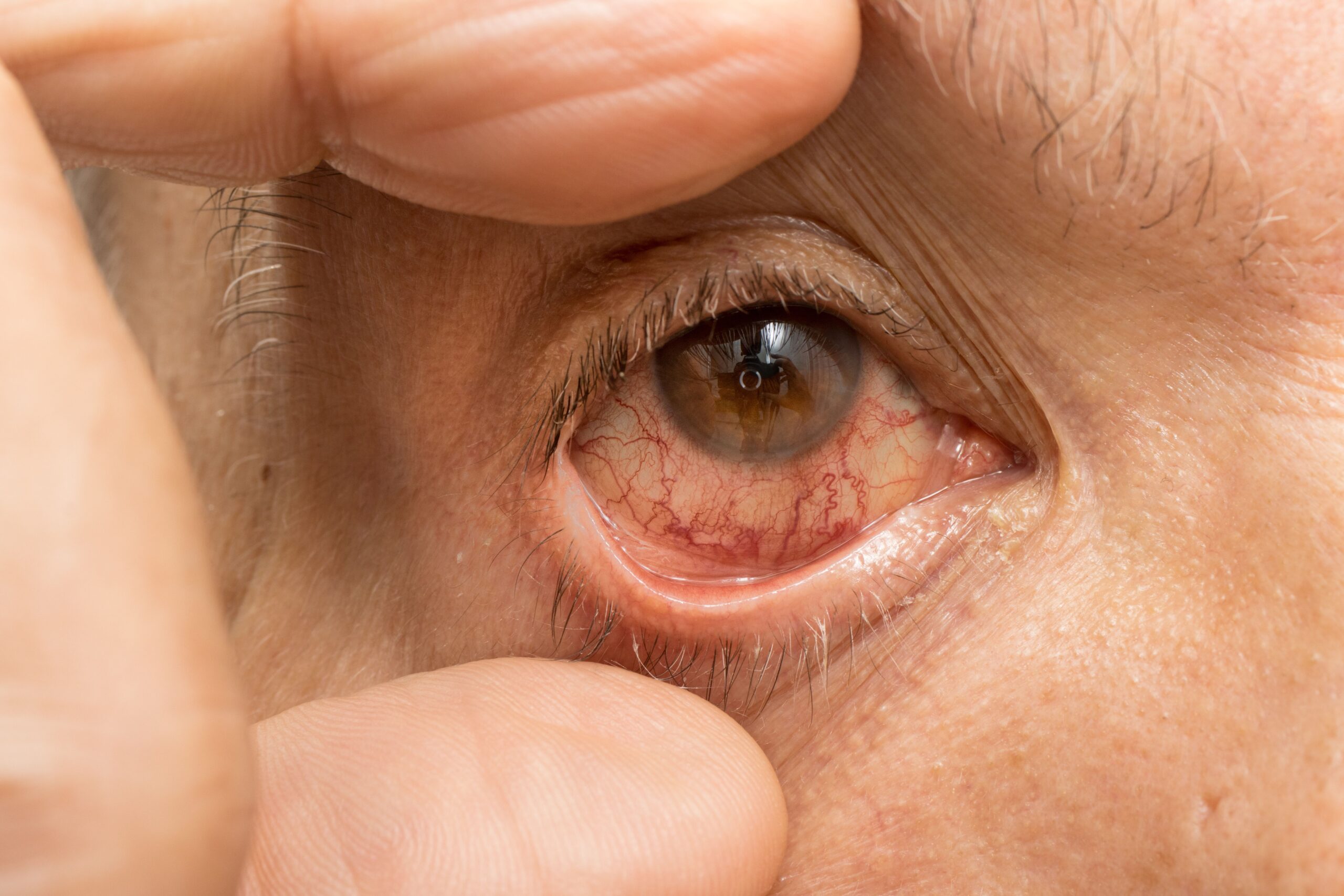
When faced with an eye (ocular) emergency, knowing how to handle eye injuries properly with quick thinking and proper action can mean the difference between preserving sight and permanent damage or blindness. But there’s more to handling eye injuries safely than meets the eye.
You’ll need to assess the situation swiftly, prevent further harm, and know when to seek professional help. The steps you take in those essential first moments can set the course for recovery or complication.
Let’s explore how you can become a guardian of your own vision.
Key Takeaways
- Assess the injury by examining for visible damage, foreign objects, and symptoms like redness, swelling, or vision changes.
- Prevent further damage by avoiding touching or rubbing the eye and shielding it from irritants.
- Flush the eye with sterile water or saline for at least 15-30 minutes, especially in cases of chemical exposure.
- Apply a cold compress gently to reduce swelling and pain, but avoid direct ice contact with the eye.
- Seek immediate medical attention for severe symptoms, embedded objects, or if unsure about proper treatment.
Assess the Severity
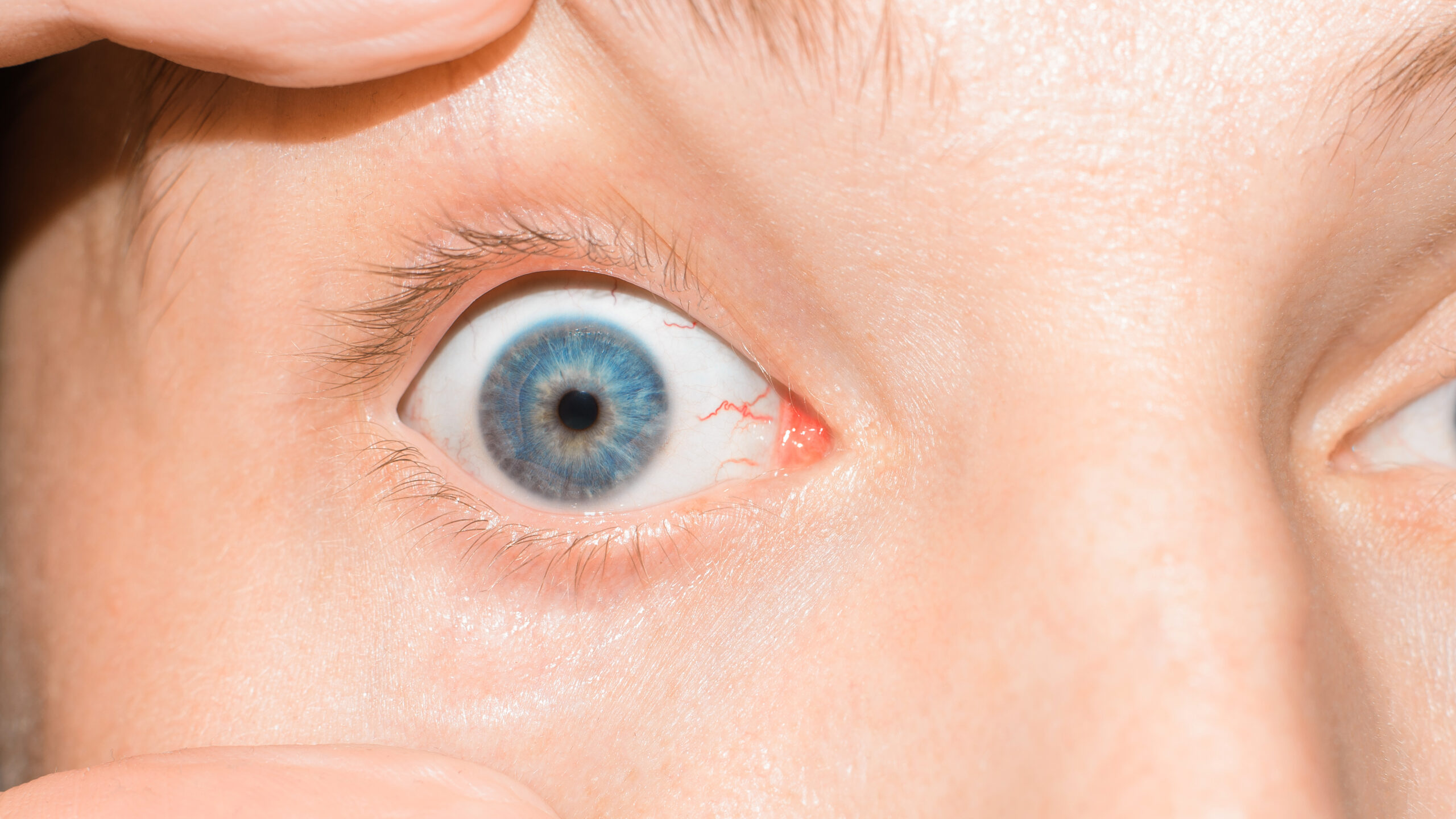
When confronted with an eye injury, you must first determine its severity to properly handle eye injuries by carefully examining the affected eye and surrounding area for visible damage, foreign objects, or abnormal symptoms.
Symptom recognition is essential in this initial assessment. Look for signs of redness, swelling, bleeding, or changes in pupil size or shape. Check if the person can move their eye normally and if their vision is affected.
First aid for eye injuries begins with this evaluation. If you observe any embedded objects, don’t try to remove them. Note any pain, light sensitivity, or excessive tearing. Assess for chemical exposure by checking for burns or discolouration around the eye. In cases of blunt trauma, look for bruising or deformity of the eye socket.
If the injury appears severe, with symptoms such as vision loss, protruding eyeball, or deep lacerations, immediate professional medical attention is necessary.
Prevent Further Damage
To prevent exacerbation of an eye injury, you must refrain from touching or rubbing the affected eye and learn how to handle eye injuries with proper protective measures.
Avoid Touching or Rubbing
Resisting the urge to touch or rub an injured eye is essential for preventing exacerbation of the injury and potential introduction of pathogens. In eye care and first aid, it’s vital to understand that even gentle pressure can worsen damage to delicate ocular structures. Your hands, no matter how clean they appear, can harbour microorganisms that may lead to infection if introduced to the injured eye. Instead, blink repeatedly to encourage natural tearing, which may flush out small particles.
Protect From Further Exposure
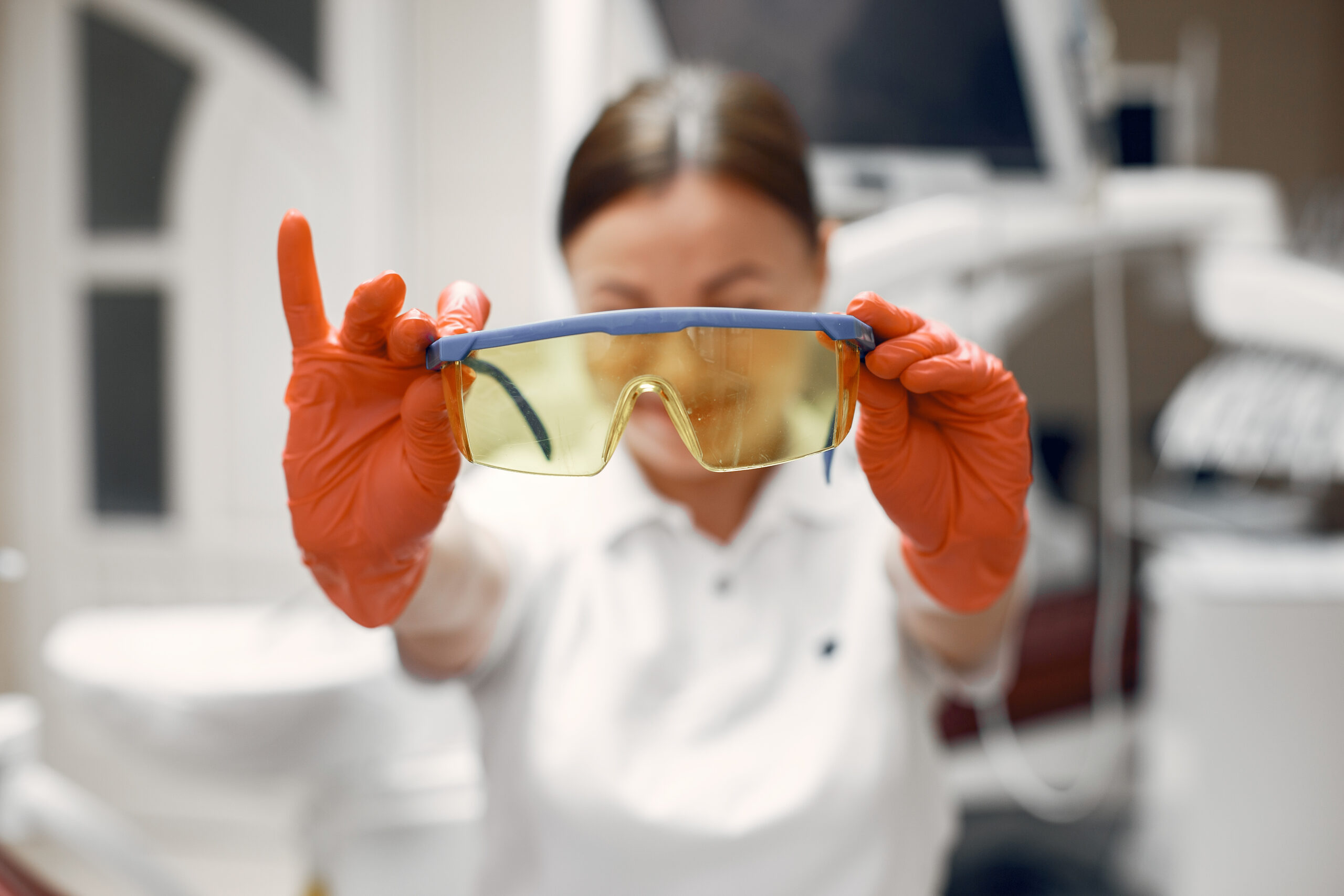
First, remove any contact lenses if present, as they can exacerbate the injury or impede healing. Next, cover the injured eye with a sterile eye shield or a makeshift protective barrier, such as a paper cup taped in place. This prevents further irritation from external stimuli and reduces the risk of infection.
If protective eyewear isn’t available, instruct the patient to keep both eyes closed, as eye movement can aggravate the injury. Ensure the patient remains in a well-lit, dust-free area to prevent additional particulate contamination.
If chemical exposure is suspected, continue flushing the eye with sterile saline or clean water for at least 15 minutes, even after arriving at a medical facility. Avoid applying pressure to the injured eye or surrounding orbital area.
Rinse With Clean Water
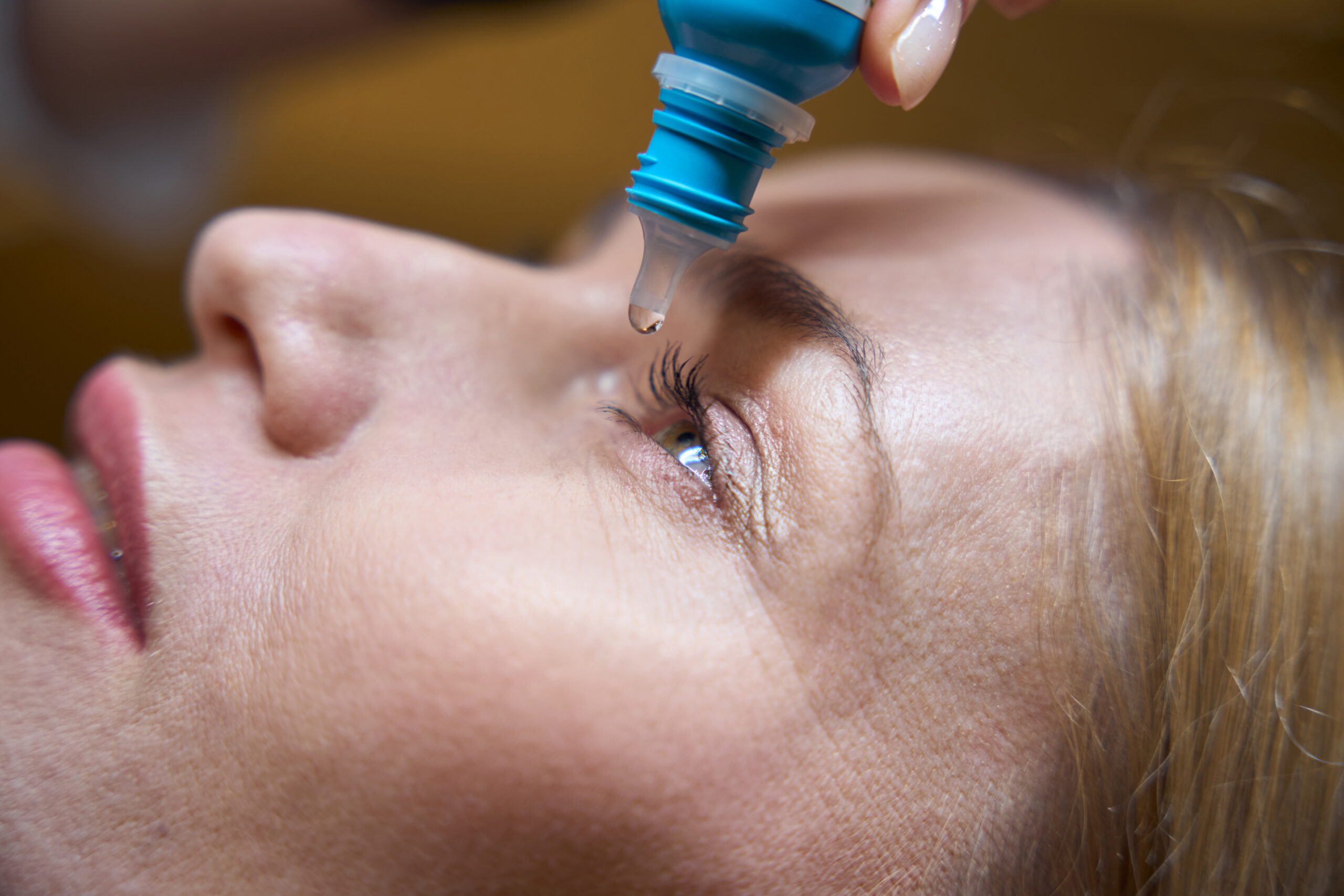
Learning how to handle eye injuries properly includes knowing that clean, sterile water is the primary irrigation solution for flushing foreign bodies or chemicals from the eye. In emergency situations, when sterile water isn’t available, use any clean, uncontaminated water source. Rinsing the eye is an essential step in preventing further damage and reducing the risk of infection.
Here are some eye safety tips for proper rinsing:
- Use an emergency eyewash station if available
- Tilt the head so the affected eye is lower than the unaffected eye
- Hold the eyelids open with your fingers
- Allow water to flow from the inner corner to the outer corner of the eye
- Continue rinsing for at least 15 minutes or until medical help arrives
When rinsing, avoid rubbing the eye or applying pressure. If a chemical splash has occurred, check the Safety Data Sheet (SDS) for specific rinsing instructions. Some chemicals may require extended rinsing times.
Remove Foreign Objects Carefully
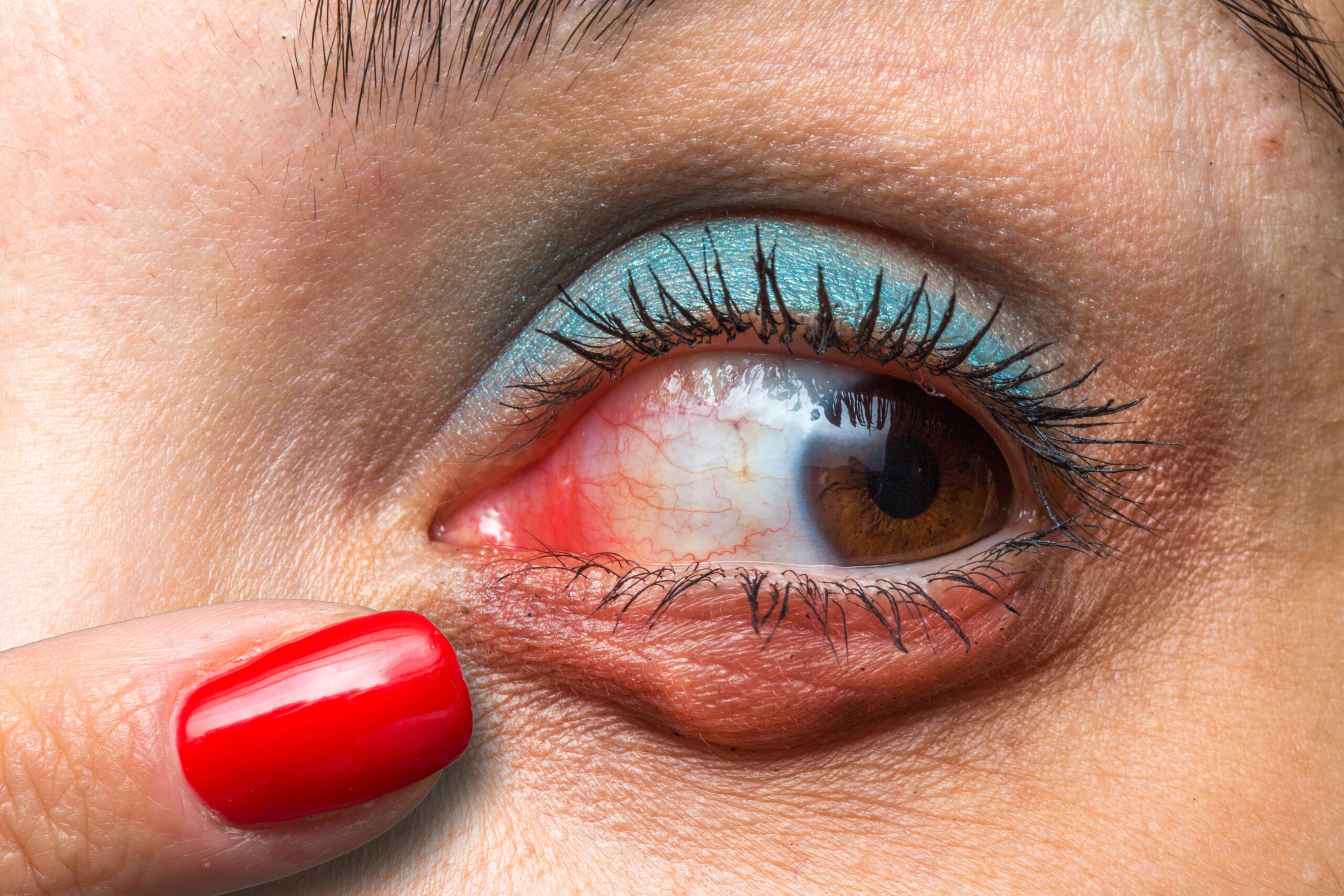
When addressing foreign objects in the eye, you must first assess the object’s location and severity.
Assess Object’s Location
Visual inspection and careful evaluation of the foreign object’s location within the eye are essential first steps in determining the appropriate removal technique to handle eye injuries safely. Object identification and location awareness are vital for safe removal.
Use a bright light source to illuminate the eye, and if possible, employ a magnifying glass for a clearer view. Carefully examine the entire eye surface, including the upper and lower eyelids, to pinpoint the object’s exact position.
If you’re unable to clearly identify the object or its location, don’t attempt removal. Instead, seek immediate medical attention.
Use Gentle Flushing Technique
For the removal of small, non-embedded foreign objects from the eye’s surface, a gentle flushing technique can be employed as an initial intervention.
To perform this procedure, you’ll need clean water or sterile saline solution. Begin by thoroughly washing your hands to maintain proper eye hygiene. Tilt the affected person’s head to the side with the injured eye facing downward. Using a clean container or eyecup, direct a steady stream of lukewarm water or saline solution across the eye from the inner corner towards the outer corner.
Apply gentle pressure to the upper eyelid to keep it raised during flushing. Encourage the person to blink frequently, as this can help dislodge the object. Continue flushing for 15-20 minutes or until the object is removed.
If the foreign body persists, don’t attempt to remove it manually. Instead, seek immediate medical attention.
Apply Cold Compress
Knowing how to handle eye injuries includes understanding that cold compress application can greatly reduce swelling and alleviate pain associated with eye injuries. The cold compress benefits include constricting blood vessels, which minimises inflammation and bruising. It’s crucial to apply the compress correctly to maximise its effectiveness and prevent further damage.
To prepare a cold compress, wrap ice cubes or a gel pack in a clean, soft cloth. Never apply ice directly to your skin or eye area. Hold the compress gently against the affected eye for 10-15 minutes at a time. Repeat this process every 1-2 hours as needed.
Make sure you don’t apply excessive pressure to the eye. Maintain a barrier between the compress and your skin to prevent frostbite. If you’re dealing with a chemical burn, rinse your eye thoroughly with water before applying a cold compress.
Bandage Appropriately

When treating eye injuries, proper bandaging technique is vital to prevent further damage and promote healing.
Begin by selecting the appropriate materials, which typically include sterile gauze pads, medical tape, and an eye shield if available. Avoid using cotton balls or tissues, as they can leave fibres that may irritate the eye.
To apply the bandage, first confirm your hands are clean. Gently place a sterile gauze pad over the affected eye, taking care not to apply pressure. Secure the pad in place with medical tape, applying it diagonally across the forehead and cheek. If both eyes are injured, bandage them separately.
For added protection, place an eye shield over the bandaged eye. This prevents accidental contact and helps maintain the bandage’s position. If a shield isn’t available, you can create a makeshift one using a paper cup with its bottom removed.
It’s essential to avoid tight bandaging, as this can increase intraocular pressure. The bandage should be snug enough to stay in place but loose enough to allow some eye movement.
After bandaging, seek immediate medical attention to confirm proper treatment and prevent potential complications.
Monitor for Complications
Knowing how to handle eye injuries includes understanding that monitoring for complications is crucial to ensuring complete recovery. Vigilantly observe the injured eye for any changes in symptoms or appearance.
It’s vital to adhere to the follow-up care instructions provided by your healthcare provider. This may include regular eye examinations, administering prescribed medications, or performing specific eye exercises. Be prepared to report any new or worsening symptoms immediately.
Monitor for potential systemic effects, such as fever or nausea, which could signal a more widespread reaction to the injury or treatment. Pay close attention to your visual acuity and field of vision. Any sudden changes or distortions should be reported promptly.
Frequently Asked Questions
What should I do if a chemical splashes in my eye?
When learning to handle eye injuries involving chemicals, immediately flush your eye with clean water or saline for at least 15-30 minutes, holding eyelids open. Direct water flow from inner to outer corner. Remove contact lenses first if possible. Always seek medical attention afterward, as some chemical damage progresses over time.
Can I drive myself to the hospital with an eye injury?
No, it’s not advisable to drive yourself to medical care with an eye injury. Knowing how to handle eye injuries includes understanding that even minor injuries can cause tears, pain, light sensitivity, and vision changes that impair your driving ability. Having both eyes open is important for depth perception and peripheral vision. Ask someone to drive you, call a taxi/rideshare service, or contact emergency services if the injury is severe.
Is it safe to take pain medication for an eye injury?
Understanding how to handle eye injuries includes knowing that over-the-counter pain relievers like paracetamol or ibuprofen can help manage discomfort from minor eye injuries. However, aspirin should be avoided as it can increase bleeding risk. Always consult a healthcare provider before taking any medication for eye injuries, especially if you have existing medical conditions or are taking other medications.