



Sharon has 21+ years of experience as a qualified Emergency Care Nurse registered with the Australian Health Practitioner Regulation Agency (APHRA) and 12+ years as a First Aid Trainer.
She takes pride in FirstAidPro making first aid training available, comprehensive and affordable to everybody.
A hypoglycemic attack can affect anyone, not just people living with diabetes. It doesn’t matter who you are, having a hypoglycemic attack is something everyone should avoid; the consequences can be dire regardless of whether or not you have diabetes.
However, sometimes, despite all best efforts, things will go wrong. A hypoglycemic attack can occur regardless of the effectiveness of the precautions taken, and when this happens then intervention in the form of first aid needs to be swift and effective.
While those living with diabetes likely already know what to do when this happens, there are plenty of people who won’t be able to communicate that they are experiencing a hypoglycemic attack. For example, parents of children who need to be able to recognise the signs of attack and need to step in to assist. Whoever you are, by knowing the signs of a hypoglycemic attack and how to assist, you have the potential to save a life.
What is a Hypoglycemic Attack?
A hypoglycemic attack, or hypoglycemic episode, occurs when severe low blood sugar occurs, dropping to around typically below 70 milligrams per decilitre (70 mg/dL) individuals with diabetes and below 55 mg/dL for those without diabetes. A low blood sugar level is most commonly associated with diabetes, often resulting from taking too much insulin, missing a meal, drinking alcohol, or exercising vigorously. However, a hypoglycemic attack can also occur in individuals without diabetes due to certain medications, underlying health conditions, and other circumstances which result in low blood glucose. Immediate treatment is necessary to raise blood glucose levels, and severe hypoglycemia can be life-threatening, potentially leading to seizures, coma, or death if left untreated.
Recognising the Signs, Symptoms, and Triggers

The key to combating hypoglycemia unawareness is to be aware of the symptoms that a low blood glucose level can trigger. An approaching or underway hypoglycemic attack can be identified by many different signs and symptoms, which may appear independently or in combination with any other symptoms.
As many of its symptoms are common, a vital step to take if you or someone you know experiences a symptom or symptoms is to ask how likely it is that a hypoglycemic attack is occurring. Consider questions like “Does the person have a history of diabetes?” or “How long has it been since they’ve eaten?”
Following are the most common low blood sugar symptoms:
- Intense and persistent hunger
- Sweating
- Dizziness
- Tiredness (fatigue)
- Blurred vision
- Trembling or shaking
- Pale skin
- Fast heartbeat
- Headache
- Nausea
- Confusion
- Difficulty concentrating
- Unresponsiveness (loss of consciousness)
- Seizures
- Shaking or feeling jittery
- Nervousness or anxiety
- Irritability
- Clamminess
- Weakness
- Fast heartbeat
Can the Type of Diabetes Affect a Hypoglycemic Attack?
As stated earlier, a hypoglycemic attack occurs at different blood sugar levels depending on whether or not the person in question has diabetes (70 mg/dL for those with diabetes compared to 55 mg/dL for those without). Similarly, a hypoglycemic attack can present differently depending on whether the person affected has Type 1 or Type 2 diabetes. Specifically, those living with Type 2 diabetes are much more likely to present with weakness and dizziness as symptoms.
While hypoglycemic attacks may present differently for different kinds of people, at the end of the day they are all equally as serious and should be treated with the same level of urgency. An immediate response is always necessary as a hypoglycemic attack can be life-threatening for anyone.
Prevention is Better than a Cure
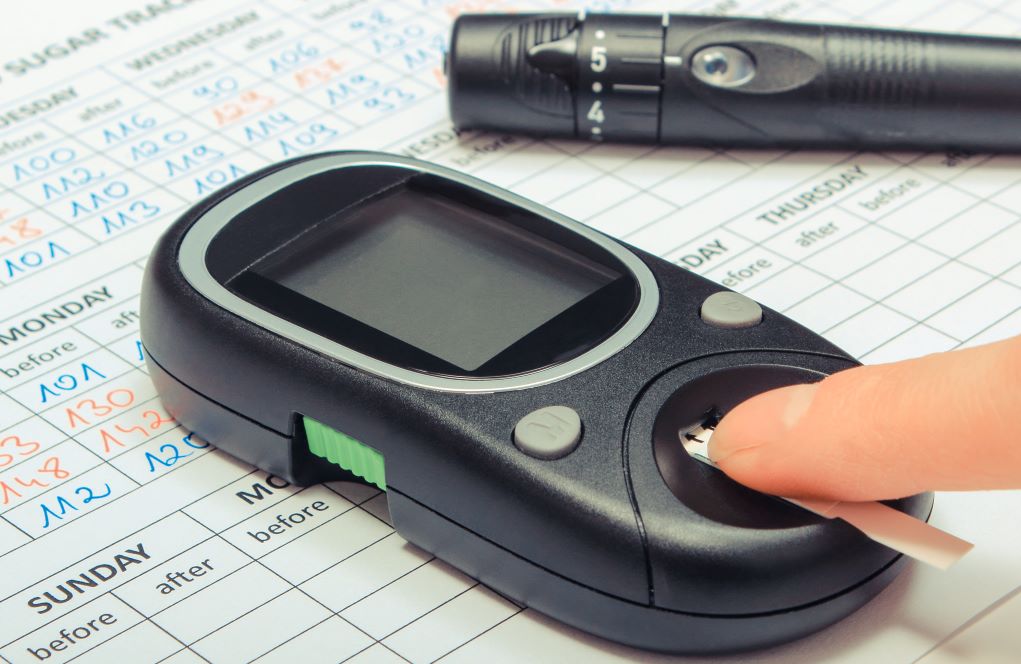
The best first aid isn’t first aid at all, it’s preventing the need for it in the first place. When it comes to hypoglycemic attacks, this means staying aware of your blood sugar levels and being mindful if any symptoms of an attack are happening. There are several ways to do this, both for people living with and without diabetes.
For everyone, but especially for people with diabetes, it is important to regularly check your blood sugar. A blood glucose meter, more commonly known as a blood glucose monitor in Australia, is a portable device used to measure the concentration of glucose in a person’s blood. The device typically requires a small blood sample, often obtained by pricking the fingertip, which is then analysed to provide a reading of the current blood sugar level. Blood glucose monitors can be invasive, noninvasive, or continuous, and they vary in appearance, size, and features, with some having accompanying apps, backlit screens, and USB ports. A continuous glucose monitor is the best option for people severely affected by low glucose levels who need to check regularly and often.
For people who do live with diabetes, keeping up with their diabetes medication regimen is the simplest and most effective way to prevent a hypoglycemic attack. There is a wide variety of diabetes medications available, however, you should only ever take the specific medication prescribed by your doctor.
First Aid for a Hypoglycemic Attack
While prevention is always ideal, however sometimes despite one’s best efforts and taking of the utmost caution, hypoglycemic attacks may still occur regardless. When this happens, quick and decisive first aid action needs to be taken to prevent adverse effects such as seizures, unconsciousness, or even death. First aid for a hypoglycemic attack involves the following steps:
- If the person is unconscious, check their airways, breathing, and pulse, and contact professional medical help as soon as possible.
- If the person is conscious, give them a sugary drink such as fruit juice, regular (non-diet) soda, or glucose tablets.
- Once the person is fully conscious, provide them with a more substantial food item like a sandwich or fruit.
- If the hypoglycemic episode is related to diabetes and the person is unable to eat, they may need to inject insulin or receive intravenous glucose. In such cases, it’s important to assist only if you have completed specialist first aid training and feel entirely comfortable and confident in doing so.
- If the person’s condition doesn’t improve or they become unresponsive, call for emergency medical assistance.
Always Be Prepared
A hypoglycemic attack can affect anyone at any time. Being equipped with the knowledge and skills to provide immediate assistance can be life-saving. By enrolling in one of First Aid Pro’s first aid courses, you’ll learn how to recognise the symptoms of hypoglycemia and administer the appropriate aid. Additionally, you’ll gain the confidence to effectively handle a range of other life-threatening situations. Take the initiative to sign up for a first aid course today and empower yourself to make a positive difference in the face of emergencies.