



Sharon has 21+ years of experience as a qualified Emergency Care Nurse registered with the Australian Health Practitioner Regulation Agency (APHRA) and 12+ years as a First Aid Trainer.
She takes pride in FirstAidPro making first aid training available, comprehensive and affordable to everybody.
Concussions are an unfortunately common malady. It doesn’t take much to cause one, and the effects they can have can be severe and long-lasting. Concussions can happen to anyone, and though they’re always adverse, they’re especially bad when they happen to children. Worst of all are concussions which affect children and toddlers.
When a child that young experiences a concussion it’s every parent’s worst nightmare. It’s hard enough to tell when one has occurred due to the child’s inability to communicate, but its especially difficult if you don’t know how to recognise the signs and symptoms of concussion. Every parent, teacher, and caregiver of a child or children needs this information so they can render aid if and when this worst case scenario happens.
What is a Concussion?
A concussion is a mild traumatic brain injury caused by an impact to the head which causes the brain to rapidly shift within the skull. This sudden movement can cause the brain to bounce or twist in the skull, creating unhealthy chemical changes and damaging brain cells. Concussions are usually temporary, and their effects are not always so severe, however neither of these will always be the case.
Concussions can take much longer to resolve, especially when caused by a serious injury, and even when temporary their effects can be incredibly serious. Despite being classified as a mild head injury a serious or long-term concussion can result in unconsciousness, brain injury, and in extreme cases, can be fatal.
Concussions in Young Children
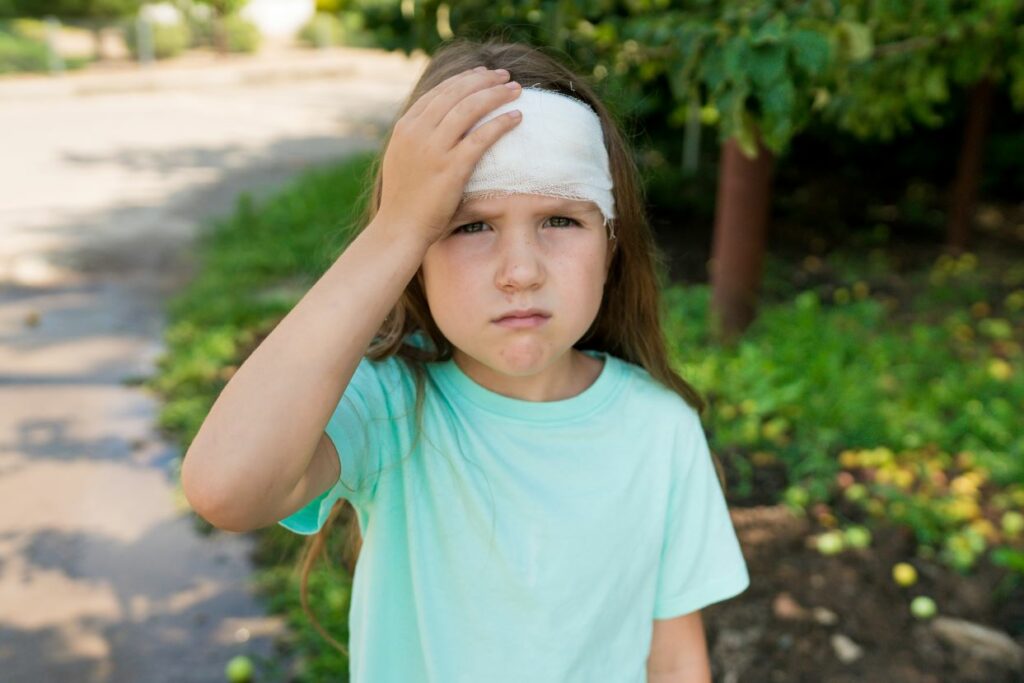
Minor head injuries are something which happen to children often. They’re common in light physical activity, contact sports, and even normal game play. However, though they may be rarer, concussions in babies and toddlers can be particularly concerning due to their developing brains.
It’s essential for parents and caregivers to be able to identify the signs and symptoms of a concussion in this age group, as well as know the appropriate first aid measures to take. While babies and toddlers may not be able to communicate their symptoms, there are specific indicators to watch for.
Knowing these signs and how to respond can be crucial in ensuring the well-being of a child.
Signs and Symptoms
There are many common concussion symptoms. A child’s symptoms may differ from those of an adult, and so while it’s important to know the signs and symptoms of concussion, it’s also important to know how age can impact them. The most common symptoms of concussion adults experience include if they lose consciousness, headaches, problems with concentration, memory, balance, coordination, irritability, confusion, and amnesia.
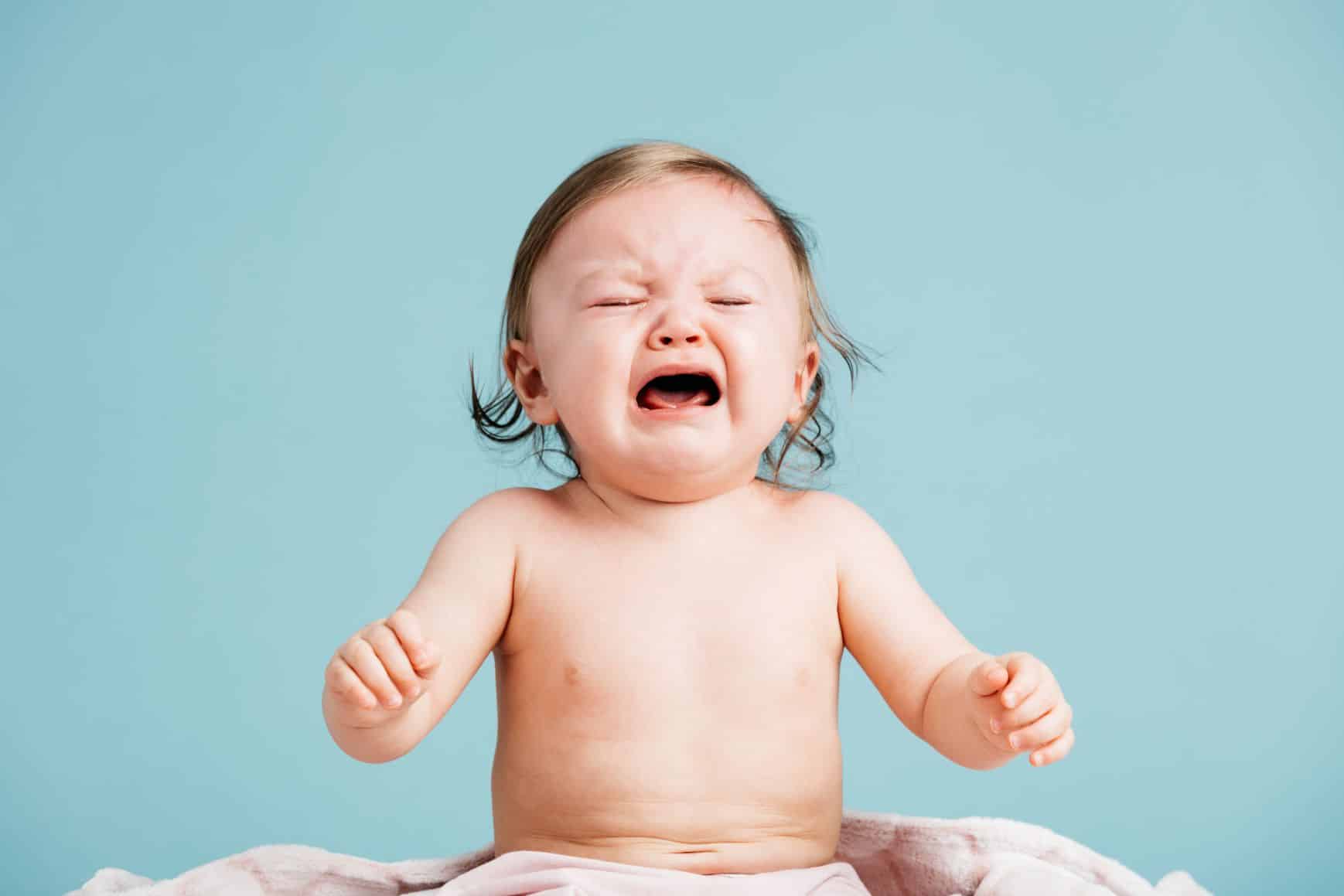
The most common signs and symptoms of a concussion in babies and toddlers include:
Babies:
- Crying when the head is moved
- Irritability
- Changes in sleeping habits
- Vomiting
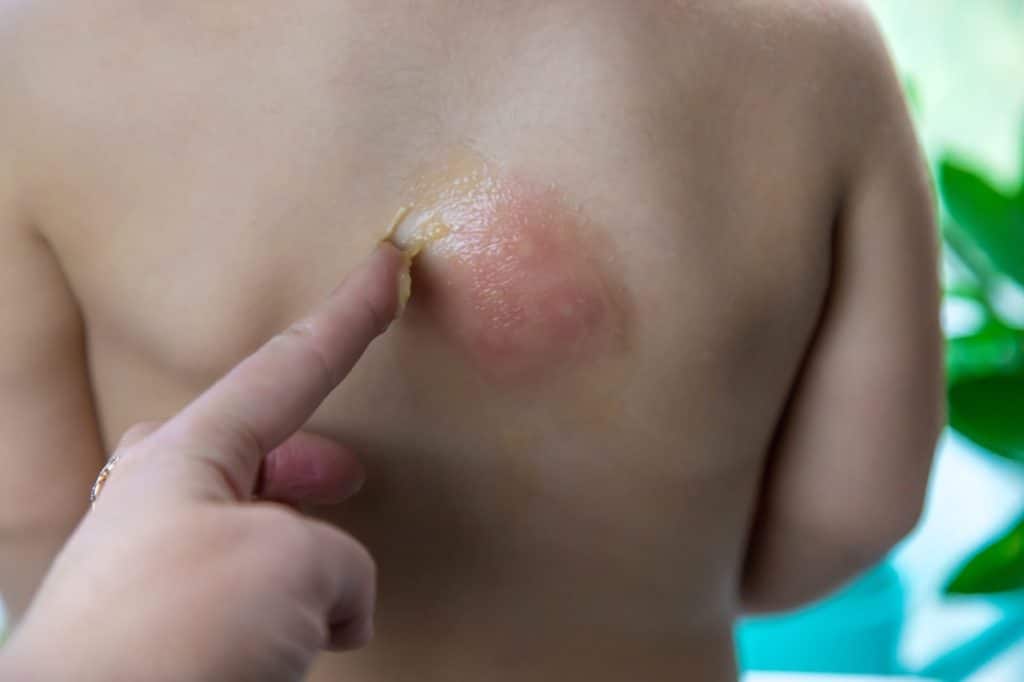
- Bump or bruise on the head
- Seizures (the most obvious sign)
Toddlers:
- Headache
- Nausea or vomiting
- Behaviour changes
- Changes in sleep habits
- Excessive crying
- Loss of interest in playing or favourite activities
The timeframe for concussion symptoms to appear in a baby or toddler can be up to 48 hours after the head injury. In some cases, symptoms may not show up right away, so it’s important to monitor the child’s behaviour following the event. If there are any concerns about a possible concussion, keep an eye on the child for at least 2-3 weeks and seek medical attention if symptoms develop or worsen.
Concussion First Aid
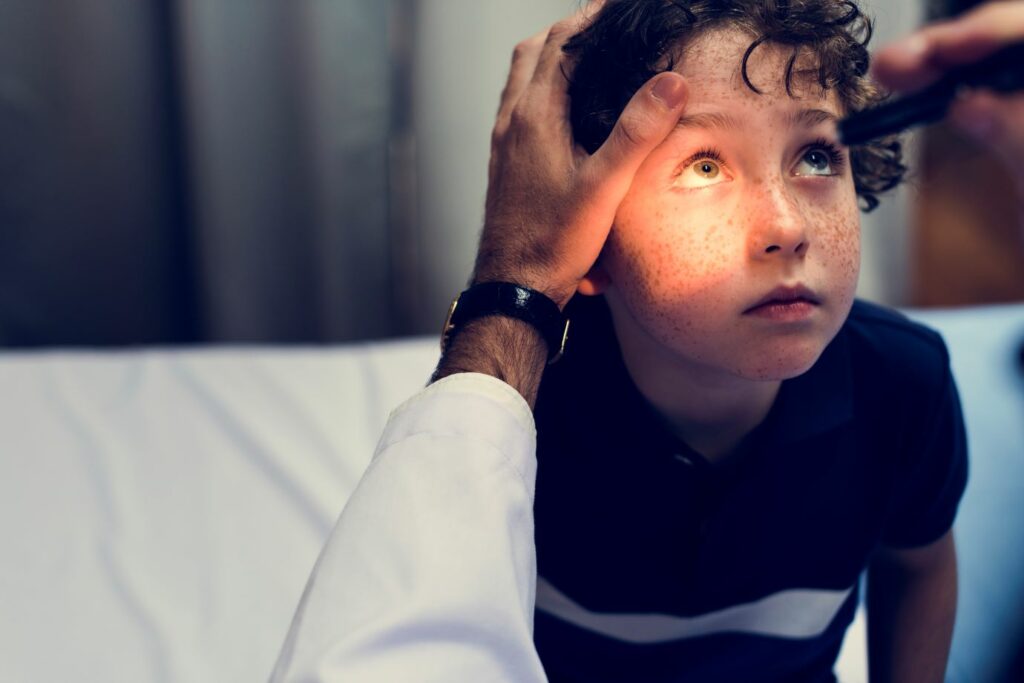
If you believe your child has a concussion then it’s vital you take immediate action. Contact emergency services as soon as you can before providing first aid. No matter how confident you feel, you should only deliver first aid if you have been certified by completing a first aid course. If not, you should seek immediate medical attention and take your child to the emergency department as soon as possible.
To give first aid to a baby or toddler who has had a concussion, you should:
- Apply something cold to the injury for up to 20 minutes to reduce external swelling and pain.
- Monitor the child for symptoms: Keep a close eye on the child for any of the above listed signs of concussion.
- Seek medical attention if needed: If the child shows any concerning symptoms or if you are unsure about the severity of the injury, it’s important to seek medical advice.
- It’s important to prevent a second injury while the child is recovering from a concussion and to ensure they get enough rest and quiet play. A question commonly asked is “can you let a concussed child sleep?” and the answer is fortunately yes.
The recovery time frame for a baby or toddler who has experienced a concussion is typically about two to four weeks on average but for some, symptoms may last for a month or longer. It’s important to monitor the child’s symptoms, and if there are any concerns or if symptoms persist, seek medical advice from an appropriate healthcare provider.
Be Prepared For Anything
It cannot be overstated that if a child has a concussion that you should only intervene and provide first aid if you have been trained in first aid for head injuries. If not, the best thing to do is to take the child to the closest hospital or other appropriate specialist so they can receive aid from a professional.
Whether you’re a new parent, a teacher, or any kind of caregiver for children, learning first aid can help you save their lives. Children love rough play and head injuries are unfortunately, yet understandably common, so take first aid training by enrolling in a childcare first aid course today.