




Sharon has 21+ years of experience as a qualified Emergency Care Nurse registered with the Australian Health Practitioner Regulation Agency (APHRA) and 12+ years as a First Aid Trainer.
She takes pride in FirstAidPro making first aid training available, comprehensive and affordable to everybody.
You’ve probably heard about concussions, but do you know how to spot concussion symptoms?
Recognising the signs of a concussion can be essential for prompt treatment and recovery. Whether you’re an athlete, parent, or just someone concerned about head injuries, understanding these symptoms is important.
From physical discomfort to cognitive changes, concussions can manifest in various ways that aren’t always obvious. By familiarising yourself with these five key indicators, you’ll be better equipped to identify potential concussions in yourself or others.
Let’s explore these essential tips that could make all the difference in managing this serious health concern.

Key Takeaways
• Monitor for persistent headaches, dizziness, or heightened sensitivity to light and noise.
• Watch for cognitive changes like confusion, memory issues, or difficulty concentrating.
• Observe for balance problems, unsteadiness, or coordination difficulties.
• Pay attention to sudden mood swings, increased anxiety, or emotional lability.
• Look for changes in sleep patterns, including insomnia, excessive sleepiness, or disrupted sleep-wake cycles.

Physical Signs of Concussion
Concussions typically manifest through five primary physical signs: headache, dizziness, nausea, sensitivity to light or noise, and balance problems.
You’ll often notice a persistent headache that doesn’t respond to over-the-counter pain relievers. The headache intensity can vary from mild to severe, potentially worsening with physical or cognitive exertion.
Dizziness is another common symptom, often described as a spinning sensation or feeling light-headed. This can be accompanied by nausea or vomiting, especially when moving suddenly or changing positions.
You may also experience heightened sensitivity to light (photophobia) or noise (phonophobia), finding normal levels of illumination or sound uncomfortable or even painful.
Balance issues are a vital indicator of concussion. You might feel unsteady on your feet, have difficulty walking in a straight line, or experience a loss of coordination. These balance problems can persist even after other symptoms have subsided.
It’s important to note that these physical signs may not appear immediately following the injury. Some symptoms can develop hours or even days after the initial trauma.
If you’re experiencing any combination of these symptoms following a head injury, seek medical attention promptly for proper evaluation and treatment.
Cognitive Symptoms to Watch For

Five key cognitive symptoms merit vigilant monitoring following a suspected concussion: confusion, memory issues, difficulty concentrating, slowed reaction times, and altered sleep patterns.
Confusion may manifest as disorientation, difficulty processing information, or an inability to follow conversations.
Memory problems can include both retrograde amnesia (loss of pre-injury memories) and anterograde amnesia (difficulty forming new memories). You’ll need to assess the patient’s ability to recall recent events and retain new information.
Attention issues are another vital indicator. Look for signs of diminished focus, easy distractibility, or an inability to multitask.
Slowed reaction times may be evident in delayed responses to questions or impaired physical reflexes. Cognitive fatigue is common, often resulting in the need for increased mental effort to complete routine tasks.
Altered sleep patterns can include excessive sleepiness, insomnia, or disrupted sleep-wake cycles.
These cognitive symptoms may fluctuate in severity and can persist for days or weeks post-injury. It’s important to track their progression and seek immediate medical attention if symptoms worsen or new ones emerge.
Accurate identification of these cognitive deficits is vital for proper concussion management and recovery.
Emotional Changes After Head Injury

A vital but often overlooked aspect of concussion symptomatology is the spectrum of emotional changes that can manifest following a traumatic brain injury. You may notice considerable alterations in your mood or behaviour, which can be distressing for both you and your loved ones.
These emotional shifts aren’t simply psychological reactions to the injury but are often direct consequences of neurological disruption. You might experience sudden and unpredictable mood swings, oscillating between irritability, sadness, and euphoria within short periods.
Your anxiety levels may also increase, manifesting as excessive worry, restlessness, or panic attacks. It’s important to monitor these symptoms, as they can persist long after physical symptoms have subsided.
Other emotional changes you might encounter include:
- Increased emotional lability (rapid changes in emotional expression)
- Heightened sensitivity to stress
- Diminished frustration tolerance
- Uncharacteristic aggression or impulsivity
- Apathy or lack of motivation
If you’re experiencing these symptoms, it’s vital to communicate them to your healthcare provider. They can greatly impact your quality of life and may require specific interventions, such as cognitive-behavioural therapy or medication management, to address effectively.
Sleep Disturbances and Concussions

Following traumatic brain injury, you may experience significant alterations in your sleep patterns, often manifesting as insomnia, hypersomnia, or circadian rhythm disruptions.
These sleep disturbances can exacerbate other concussion symptoms and impede your recovery process. It’s important to monitor your sleep patterns and fatigue levels, as they’re key indicators of your brain’s healing progress.
Concussion-related sleep disturbances can present in various ways:
• Difficulty falling asleep or staying asleep (insomnia)
• Excessive daytime sleepiness (hypersomnia)
• Altered sleep-wake cycles
• Increased need for sleep
• Frequent nighttime awakenings
If you’re experiencing these symptoms, it’s imperative to consult with a healthcare professional.
They may recommend cognitive behavioural therapy for insomnia (CBT-I), light therapy, or medications to regulate your sleep-wake cycle.
Additionally, maintaining good sleep hygiene practices can help mitigate these disturbances. This includes establishing a consistent sleep schedule, creating a dark and quiet sleep environment, and avoiding screens before bedtime.
When to Seek Medical Attention

While monitoring sleep disturbances is important, it’s equally essential to recognise when your concussion symptoms warrant immediate medical attention.
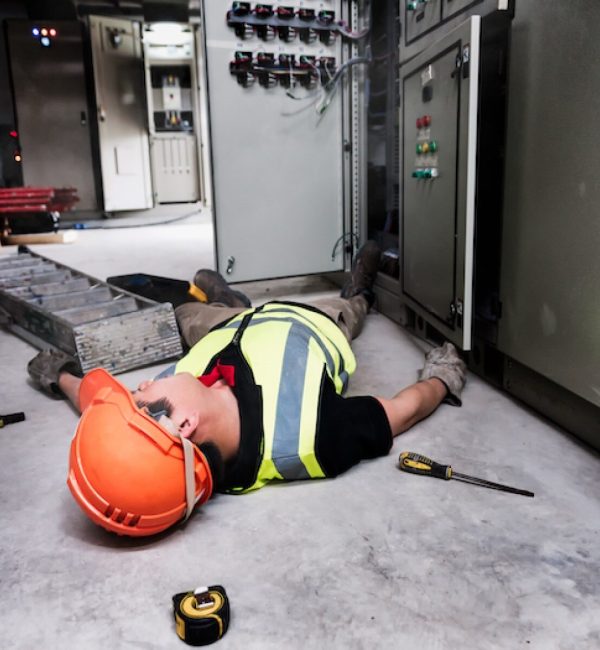
Certain signs indicate the need for urgent concussion assessment and emergency response. If you experience a severe headache that worsens over time, repeated vomiting, seizures, or loss of consciousness, don’t hesitate to seek immediate care.
Other critical symptoms include slurred speech, weakness on one side of the body, or difficulty recognising people or places.
You should also be alert for changes in behaviour, increased confusion, or unusual agitation.
If you notice clear fluid draining from the ears or nose, it could signify a cerebrospinal fluid leak, requiring prompt medical evaluation.
Pupil dilation that’s unequal or doesn’t respond to light changes is another concerning sign.