



Sharon has 21+ years of experience as a qualified Emergency Care Nurse registered with the Australian Health Practitioner Regulation Agency (APHRA) and 12+ years as a First Aid Trainer.
She takes pride in FirstAidPro making first aid training available, comprehensive and affordable to everybody.
A first aider is your unforeseen guardian in moments of crisis, equipped with the knowledge to preserve life with basic emergency life support, prevent conditions from worsening, and promote recovery. Yet, the essence of being a great first aider extends beyond medical interventions—it’s about embodying compassion, composure, communication, and competency. These qualities ensure that a first aider can make a real difference, even within the scope of their limitations which include expertise, training and available aid equipment.
Become a certified workplace first aider, school first aider or community first aider by enrolling in a nationally recognised first aid course at First Aid Pro today.
The Role of a First Aider
The first aider represents the initial support offered to anyone suffering from either a minor or severe ailment or injury, aimed at saving a life, stopping the condition from deteriorating, and encouraging healing until professional medical help can be secured.
It includes immediate medical attention during a critical first aid emergency and addressing less serious ailments such as burns, lacerations, and insect stings.
Understanding the Limitations of First Aid
Though of critical importance, first aid is not a panacea; it’s a stopgap until professional medical help can be obtained. It’s about stabilisation, not diagnosis or comprehensive treatment. Recognising this distinction is crucial for both the provider and receiver of first aid.

Legal Aspects of First Aid
Navigating the legal landscape as a first aider in Australia means understanding the delicate balance between offering assistance and recognising the limits of one’s abilities. The duty of care mandates that first aiders act within their level of training, always aiming to preserve life without causing further harm.
Confidentiality is paramount, ensuring that a casualty’s personal information is protected, while consent—whether implied or explicit—must be obtained whenever possible. The legal responsibilities underscore the importance of training, such as the certified childcare first aider course offered by First Aid Pro, which emphasises the legal and ethical aspects of providing care.
The following is a useful summary of the first aider’s legal limitations and obligations in the Australian context:
- Consent
- First aiders must seek and attempt to gain consent from the casualty before providing first aid. If consent is not given and a person is touched against their will, they have the legal right to bring charges of assault or battery against the first aider.
- Duty of Care
- Once first aid is started, the first aider is under a legal obligation to continue to provide care until certain conditions are met, such as vital signs returning or paramedic assistance arriving. This is known as the duty of care.
- Good Samaritan Law
- A person who is acting in good faith in assisting someone in need is protected from any personal liability. This law applies to trained first aiders as well as general members of the public.
- Workplace Codes of Practice
- Designated workplace first aiders should be familiar with the Work Health and Safety Act Codes of Practice for First Aid, which provides practical guidance on how to achieve the standards of work health and safety required.
First aiders need to be aware of these limitations and legal obligations to ensure that they provide care within the boundaries of the law and in the best interest of the casualty.
Consequences for Overstepping Boundaries
When first aiders overstep their boundaries, the repercussions can range from legal challenges to personal guilt. Anyone must train as a professional CPR first aider or an occupational health first aider understand where their responsibilities end and where professional medical care begins. This understanding not only protects the first aider legally but also ensures the casualty receives the most appropriate level of care without delay.
Practical Limitations of First Aid
First aiders are often the first on the scene in an emergency, but their ability to intervene is not without limits. Severe cases such as major trauma, heart attacks or stroke require more than first aid can offer; they necessitate professional medical intervention.
Recognising these limitations is a core component of certified first aid training which emphasises the importance of emergency services. For instance, a wilderness first aider or a remote area first aider learns to stabilise a casualty while expediting evacuation to a medical facility. First aid courses like those offered by a registered training organisation such as First Aid Pro, ensure first aiders are prepared to make these critical decisions.
We would like to stress once again that first aid is crucial in minimising injuries and preventing disabilities or long-term effects. Nevertheless, there are certain injuries that first aid cannot treat comprehensively. Some common injuries that may require professional medical attention beyond first aid include:
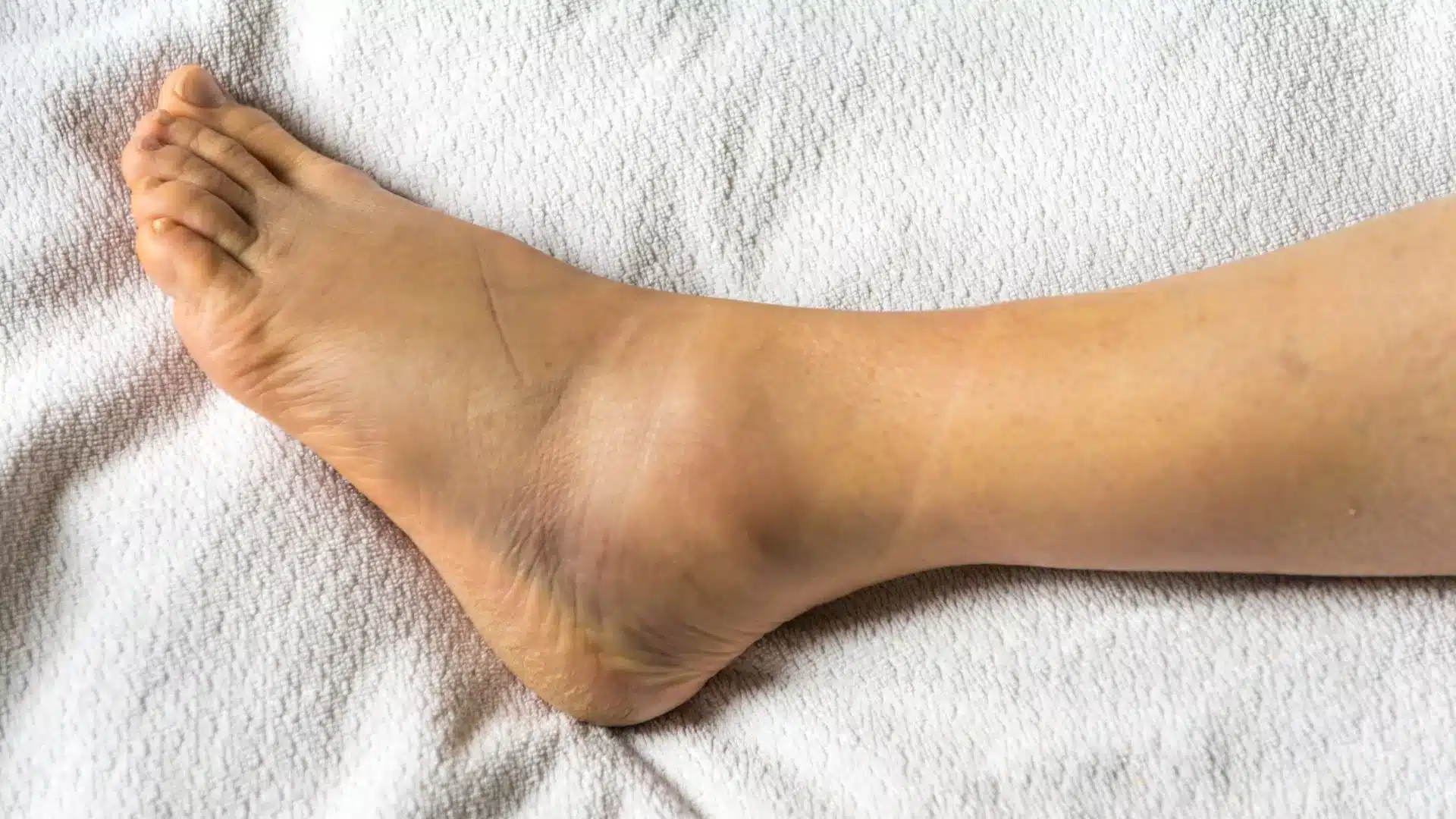
- Fractures: While first aid can help stabilise a fracture, it cannot provide the definitive treatment that is needed to ensure proper healing. Immobilisation and professional medical care are both essential for managing fractures.
- Serious Burns: First aid can provide immediate care for burns, but serious burns require specialised medical treatment to prevent complications and promote proper healing.
- Major Trauma: In cases of major trauma, such as severe head injuries or deep wounds, first aid is not sufficient, and immediate professional medical attention is necessary.
- Poisoning: First aid for poisoning involves initial steps to identify the poison and contact the Poisons Information Centre, but it does not replace the need for urgent medical assessment and treatment by healthcare professionals.
- Cardiac Arrest: While first aid techniques like CPR can be life-saving, they are not a substitute for professional medical care and advanced life support measures
It’s important to recognise the limitations of first aid and seek professional medical help for injuries that require advanced treatment beyond the scope of first aid.
When to Hand Over Care
A hallmark of a knowledgeable first aider is knowing when to hand over care to someone with superior skills or qualifications. This could be a healthcare provider’s first aider arriving on the scene or when emergency medical services arrive to take over. The transition of care should be seamless, with the first aider providing a clear, concise handover that includes what interventions were made and any responses observed. This ensures continuity of care and maximises the casualty’s chances of a positive outcome.
Critical First Aid Interventions
Despite some limitations, effective first aid can significantly impact a casualty’s recovery.
Critical first aid interventions are essential in minimising injuries and preventing long-term effects. As we have noted above, the primary goal of first aid is to preserve life, prevent the condition from worsening, and promote recovery until professional medical help arrives. Some key first aid interventions include:
- First Aid Risk Assessment: It is crucial to assess the surrounding areas and ensure safety for both the first aider and the injured person.
- Calling for Help: In critical situations, it is important to call for professional medical help immediately, such as dialling 000 in Australia or the local emergency number.
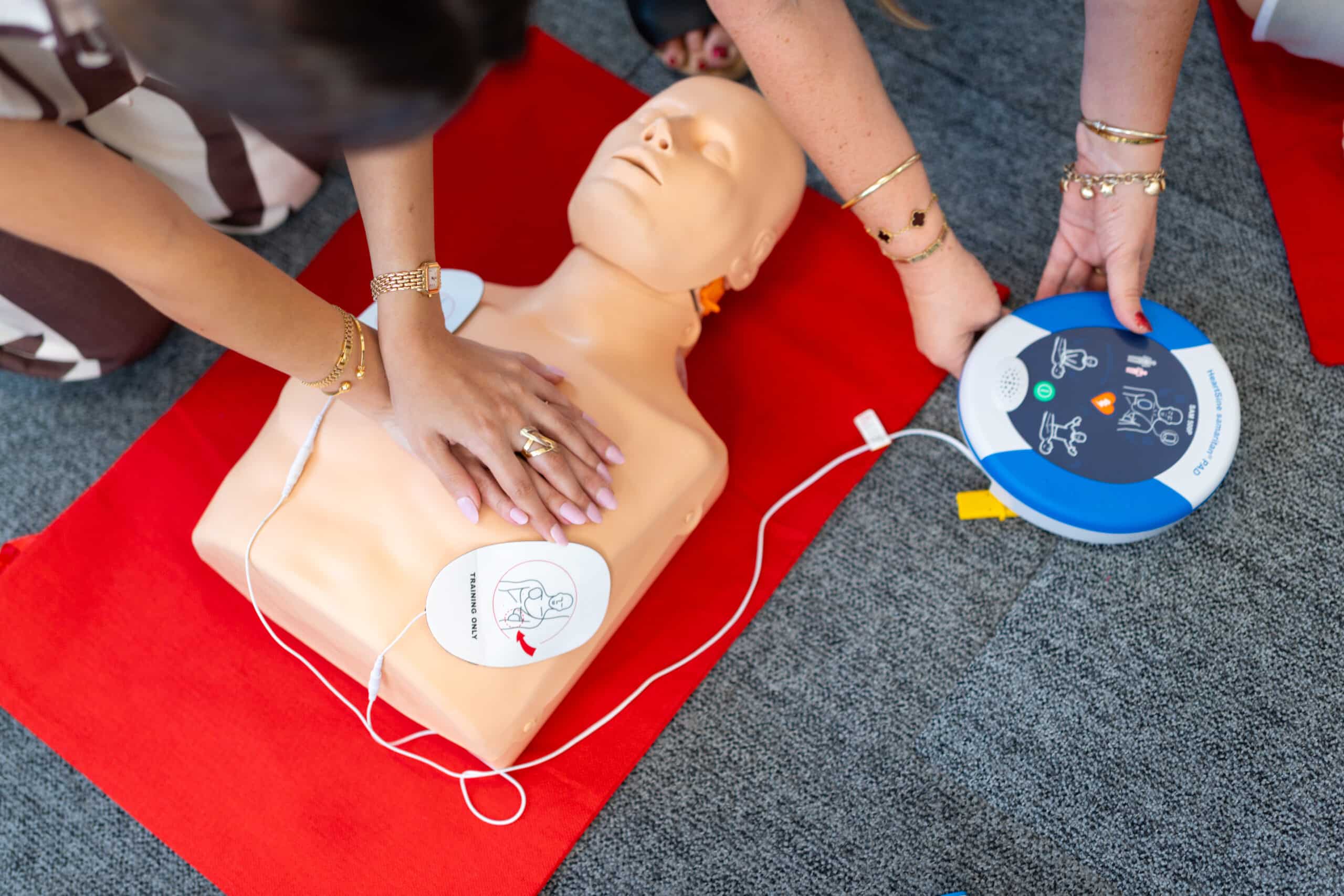
- Performing Basic First Aid Techniques: This may include cardiopulmonary resuscitation (CPR) for individuals whose heart has stopped beating or who are not breathing, controlling severe bleeding, providing care for burns, immobilising fractures, and addressing choking incidents and allergic reactions.
- Administering Medications: In some cases, administering medications such as epinephrine for anaphylaxis or aspirin for heart attack as part of first aid may be necessary.
- Providing Psychological Support: First aid also involves providing reassurance and comfort to those in need, minimising panic and anxiety, and contributing positively to overall well-being.
- Using a First Aid Kit: First aid kits contain necessary items such as bandages, sterile gauze, dressings, and other medical supplies to provide immediate medical assistance.
Enhancing First Aid Effectiveness Within Limitations
Continuous education is the cornerstone of effective first aid. First Aid Pro offers a spectrum of accredited first aid training courses designed to keep first aiders up-to-date with the latest practices and techniques. From the certified pediatric first aider to the industrial first aider, ongoing training ensures that individuals are ready to respond effectively within their roles’ limitations.
This education not only benefits the first aider but also the wider community, as it elevates the overall standard of care available in emergencies. Some of the most popular nationally recognised first aid qualifications provided Australia-wide by First Aid Pro include:
- HLTAID011 – Provide First Aid
- HLTAID009 – Provide Cardiopulmonary Resuscitation
- HLTAID012 – Provide First Aid In An Education And Care Setting
- HLTAID014 – Provide Advanced First Aid
- HLTAID015 – Provide Advanced Resuscitation And Oxygen
- HLTAID013 – Provide first aid in a remote or isolated site
Become a certified first aid responder by enrolling in a nationally recognised first aid course at First Aid Pro today.
Conclusion
First aid is a critical skill set with inherent limitations, defined by the scope of practice, legal responsibilities, and practical capabilities. Recognising these limitations is essential to ensure that the very best first aid care is provided to injured and sick people. Education and training play a pivotal role in preparing first aiders to navigate these boundaries effectively.
With providers like First Aid Pro leading the way in first aid training, individuals have the opportunity to become proficient, confident, legally savvy, certified first aiders, ready to make a potentially life-saving difference even within the limits of their roles. Make sure that an emergency first aid situation doesn’t render you powerless to help someone you know and love. Become a trained first aider with First Aid Pro.
Frequently Asked Questions
What is the primary goal of first aid?
The primary goal of first aid is to preserve life, prevent further harm, and promote recovery in any person suffering from minor or serious illness or injury. It provides immediate care until professional medical services arrive, focusing on basic emergency life support and stabilising conditions.
Can first aid replace professional medical treatment?
No, first aid cannot replace professional medical treatment. It’s intended as a temporary measure to stabilise someone until professional healthcare services can take over. First aid can save lives and prevent conditions from worsening, but it is not a substitute for comprehensive medical care.
What are the legal responsibilities of a first aider in Australia?
In Australia, first aiders have a duty of care to act within their training level, seek consent before providing care, maintain confidentiality, and continue care until professional help arrives or the situation is resolved. They’re also protected under Good Samaritan laws when acting in good faith.
What are some common situations where first aid is crucial?
First aid is crucial in a variety of situations, including accidents resulting in injuries such as burns, lacerations, and fractures, medical emergencies like cardiac arrest and stroke, and conditions requiring immediate care like severe allergic reactions and poisoning.
What should I do if I’m not sure how to provide first aid?
If you’re unsure how to provide first aid, the best course of action is to call for professional medical help immediately. You can provide basic support like ensuring the person’s safety and comfort, but avoid doing anything you’re not trained to do to prevent causing further harm.
How can I become a certified first aider?
You can become a certified first aider by enrolling in a nationally recognised first aid course offered by reputable organizations like First Aid Pro. These courses cover a range of skills, from basic to advanced first aid techniques, including CPR, and provide you with the knowledge and confidence to act effectively in emergencies.
Are there any limitations to what first aid can achieve?
Yes, there are limitations to what first aid can achieve. While first aid can be life-saving and is effective in preventing conditions from worsening, it cannot treat serious medical conditions comprehensively. Injuries or conditions like major trauma, serious burns, and certain medical emergencies require professional medical attention beyond the scope of first aid.