



Sharon has 21+ years of experience as a qualified Emergency Care Nurse registered with the Australian Health Practitioner Regulation Agency (APHRA) and 12+ years as a First Aid Trainer.
She takes pride in FirstAidPro making first aid training available, comprehensive and affordable to everybody.
A low voltage rescue kit is essential safety equipment used to protect workers and enable a safe, controlled rescue during an electrical emergency. In Australia, every site working on or near low-voltage electrical installations up to 1000V must have a compliant LVR kit available and workers must be trained in low voltage rescue (LVR) procedures under AS/NZS 4836. This article explains what an LVR kit is, how it works, why it is required by Australian Standard, and why proper training—especially the nationally recognised UETDRMP018 Perform Rescue From a Live Low Voltage Panel course—is critical for safety, compliance, and saving lives.
Protect your team and stay compliant. Enrol in First Aid Pro’s nationally recognised UETDRMP018 Perform Rescue From a Live Low Voltage Panel course today.
Key Takeaways
- A low voltage rescue kit (LVR kit) is mandatory on any Australian site working on or near live low-voltage electrical installations up to 1000V, as required by AS/NZS 4836.
- LVR kits contain specialised insulated equipment—such as a rescue crook, insulated gloves and an insulated mat—designed to help workers safely rescue a person without risking electric shock.
- Australian WHS laws require formal LVR and CPR training, with workers completing UETDRMP018 Perform Rescue From a Live Low Voltage Panel and HLTAID009 Provide CPR every 12 months.
- LVR kits must be inspected every six months to ensure insulation integrity, functionality, and compliance with Australian Standard requirements.
- Proper rescue training dramatically improves outcomes in electrical emergencies by enabling workers to act quickly, isolate danger, and provide CPR if the casualty has suffered shock or cardiac arrest.
- Every electrical workplace needs a compliant low voltage rescue kit and at least one trained safety observer to maintain safe systems of work, emergency preparedness and WHS compliance.
Understanding Low Voltage Rescue (LVR) in Australia
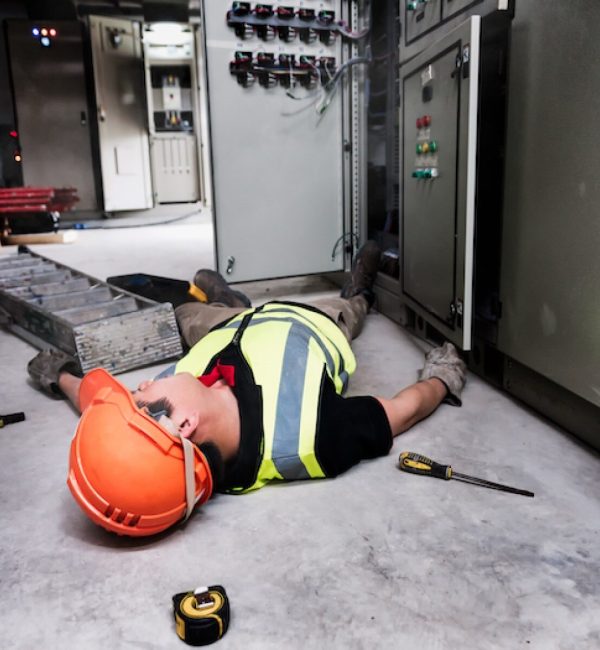
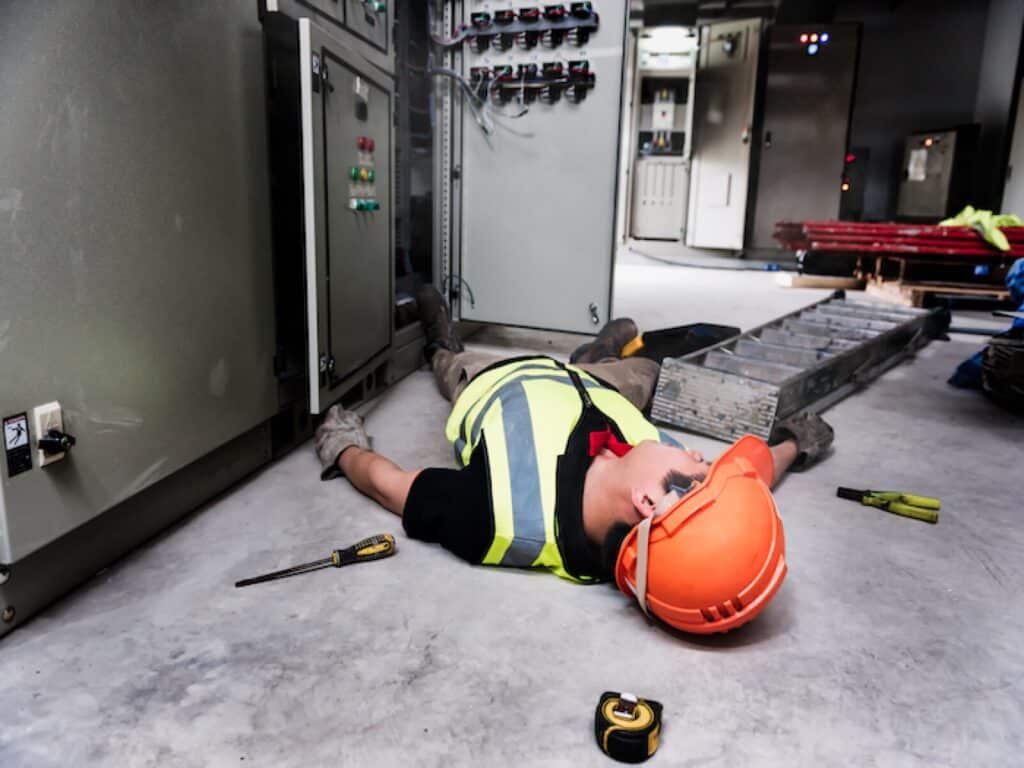
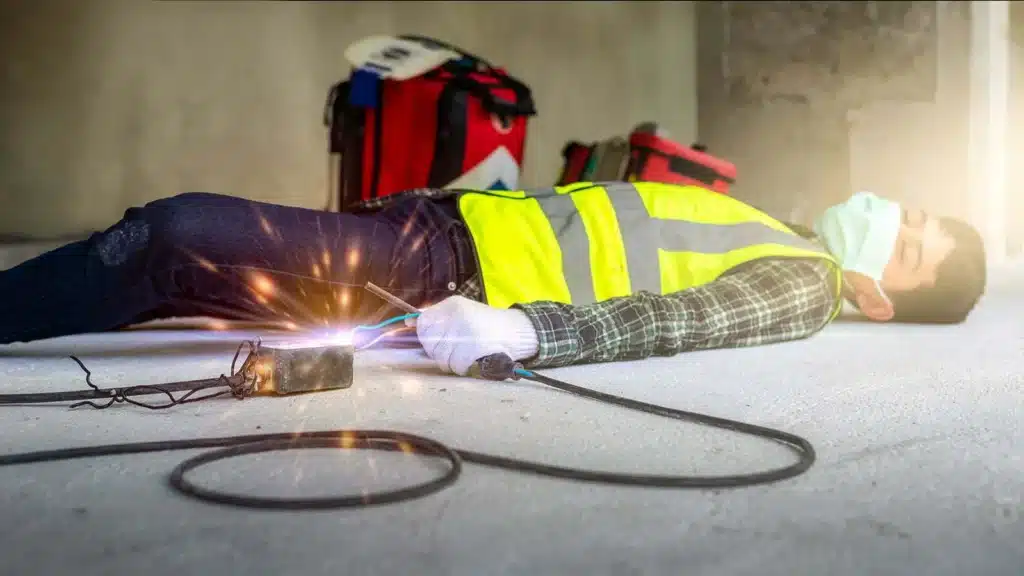
Low voltage rescue refers to the safe removal of a person who has come into contact with live low-voltage electrical equipment, typically below 1000V AC. Because electrical current can cause muscle contraction, cardiac arrest, burns, and other life-threatening effects, a fallen worker cannot be touched or approached without proper equipment.
In Australian workplaces, the risks associated with low-voltage electrical environments are taken seriously. Under WHS laws and AS/NZS 4836, workers must be able to act quickly and safely if an electrical incident occurs. This is where a low voltage rescue kit and LVR training play a vital role. The rescuer must be equipped to avoid electric shock themselves while performing a safe rescue.
At its core, low voltage rescue is about prevention, preparedness, and rapid response. Without the right tools and training, both the casualty and the rescuer face significant danger.
What Is a Low Voltage Rescue Kit?
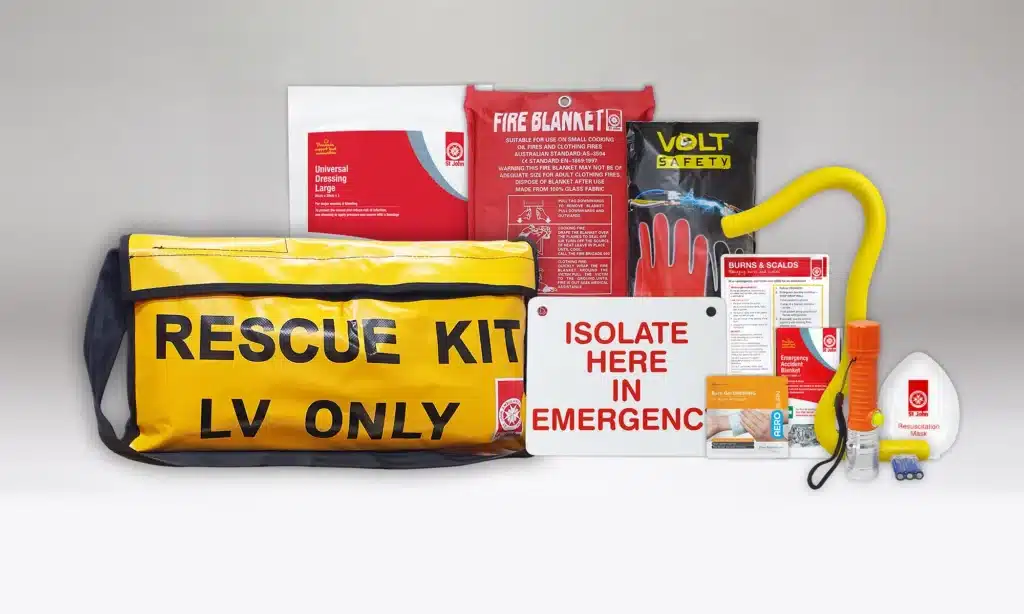
A low voltage rescue kit (LVR kit) is a set of insulated tools and safety equipment used by trained personnel to safely rescue a person from a live LV panel or switchboard. Its purpose is to provide physical protection to the rescuer, ensure electrical isolation, and support immediate first aid including CPR if required.
A compliant LVR kit allows a rescuer to:
- maintain insulation from live components
- remove a casualty from a live LV panel
- manage shock or other injuries
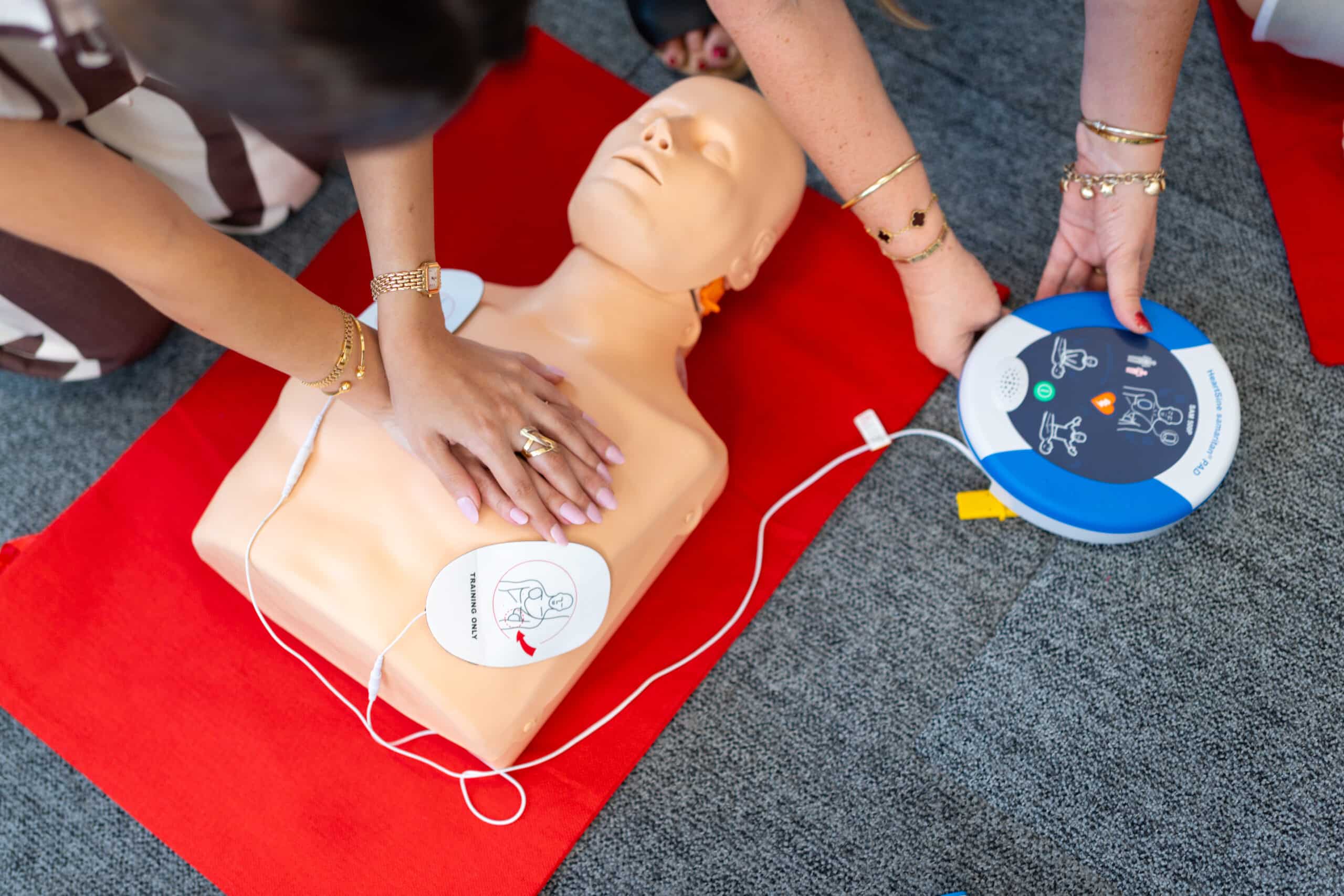
- commence cardiopulmonary resuscitation (CPR)
- follow WHS-approved rescue procedures
Because electrical incidents often occur suddenly and without warning, having the kit within arm’s reach of a switchboard or low voltage panel is considered best practice.
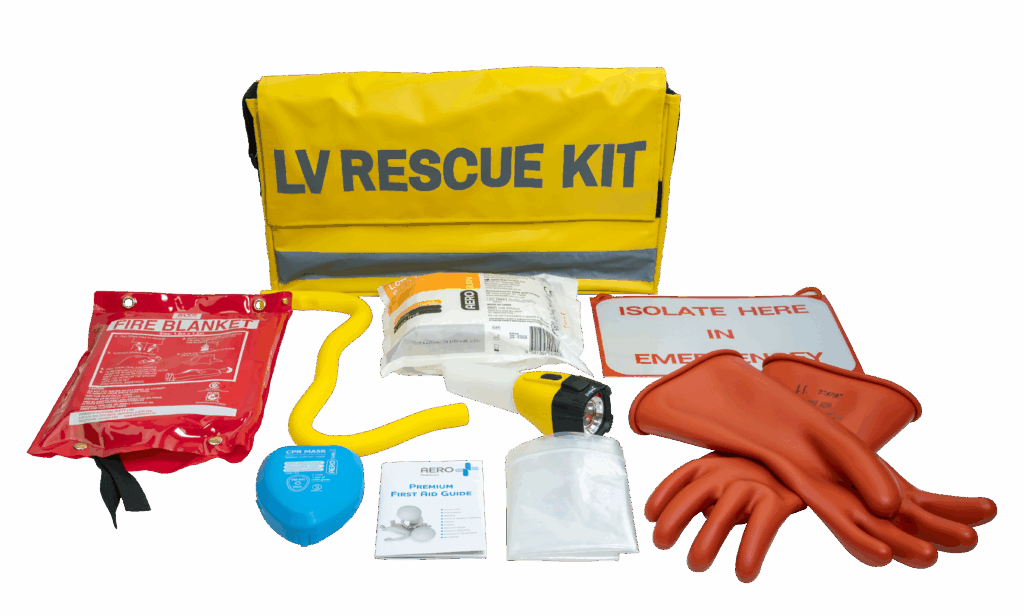
What’s Inside a Low Voltage Rescue Kit?
A compliant Low Voltage Rescue kit must include insulated and safety-rated equipment designed for LV rescue, electrical isolation, and first aid.
Core Components of an Australian Low Voltage Rescue Kit
Item | Function | Relevant Australian Standard |
Insulated Rescue Hook / Crook | Used to pull the casualty clear of live components. | AS/NZS 4836:2011 |
Insulated Gloves (Class 00 or 0) | Protects rescuer from electric shock. | AS 2225 |
Insulated Mat or Rescue Board | Prevents current flow through the rescuer. | AS/NZS 2978 |
CPR Mask / Barrier Device | Allows safe resuscitation without cross-infection risk. | HLTAID009 |
Torch (non-conductive) | Ensures visibility in switchboards or low-light areas. | WHS compliant |
Signage & Instruction Chart | Displays step-by-step LVR and CPR procedures. | WHS electrical regulations |
Many organisations also include a fire blanket, first aid kit, and lock-out/tag-out device to support rescue and isolation procedures.
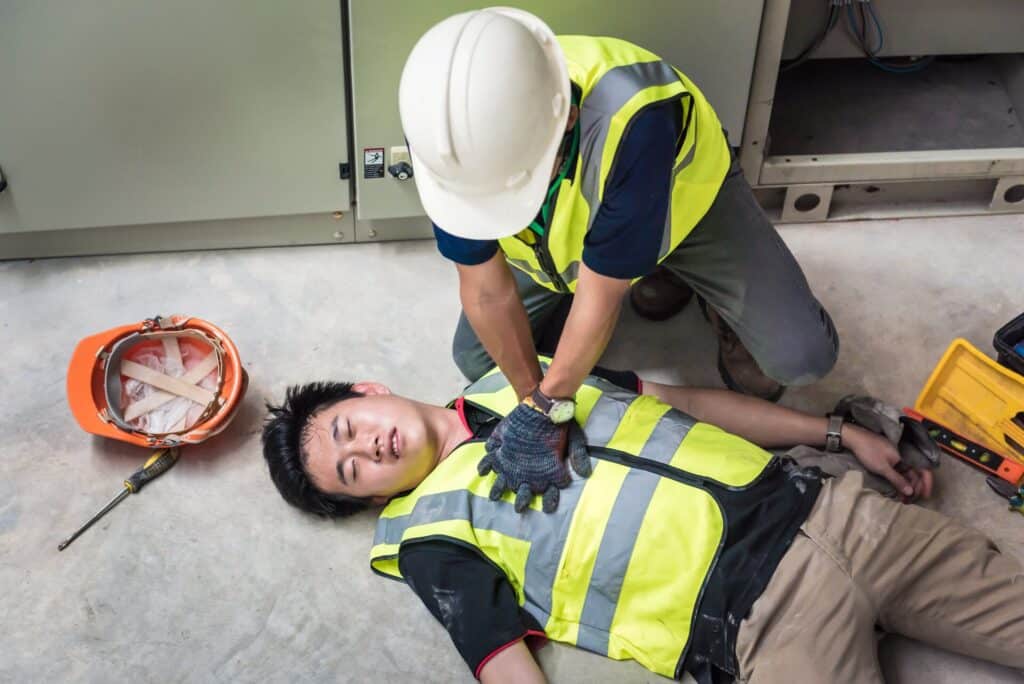
⚡ Why Every Electrical Worker Needs a Low Voltage Rescue Kit
Electrical incidents often occur without warning. A compliant low voltage rescue kit (LVR kit) ensures the rescuer can act quickly, safely, and in line with Australian WHS requirements. Every electrician working near live low-voltage equipment must be prepared to:
Without a low voltage rescue kit, a rescuer risks electrocution or may be unable to assist at all.
Workplaces that carry out maintenance, testing, or work on live LV panels—especially in the supply industry, construction, industrial settings, and renewable energy—must have these kits on-site as a risk control measure.
Australian Standards and Legal Requirements
Low voltage rescue procedures are governed by the Australian Standard AS/NZS 4836:2011 – Safe working on or near low-voltage electrical installations and equipment. This standard outlines requirements for:
- LVR kits on every site that works on or near live LV
- Proper insulation and testing of rescue equipment
- Competency training for workers (including CPR and LVR)
- Inspection intervals and documentation
- Use of safety observers where required
Employers and electrical workers must also follow WHS Acts and Regulations relevant to their state or territory.
Key Compliance Requirements
Requirement | Responsible Party | Frequency |
Inspection of LVR kits | Safety Officer / Competent Person | Every 6 months |
Employee | Every 12 months | |
Rescue equipment documentation | Employer | Ongoing |
Maintaining AS/NZS standard compliance | Employer | Continuous |
Failure to comply can lead to:
- WHS penalties
- site shutdowns
- insurance issues
- greater risk of injury or fatality during a rescue
Compliance is not just a legal obligation—it is essential to workplace safety.
Testing and Inspection Requirements in Australia
Regular inspection ensures that an LVR kit remains effective, safe, and compliant. Damaged or degraded equipment can transfer electrical current to the rescuer, making testing essential.
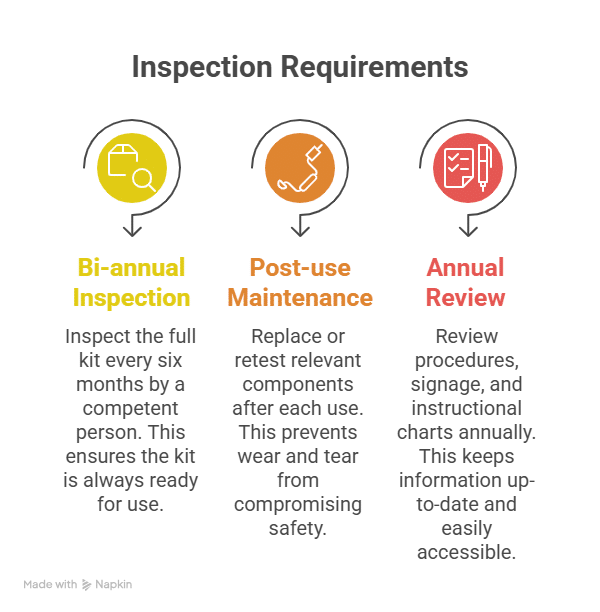
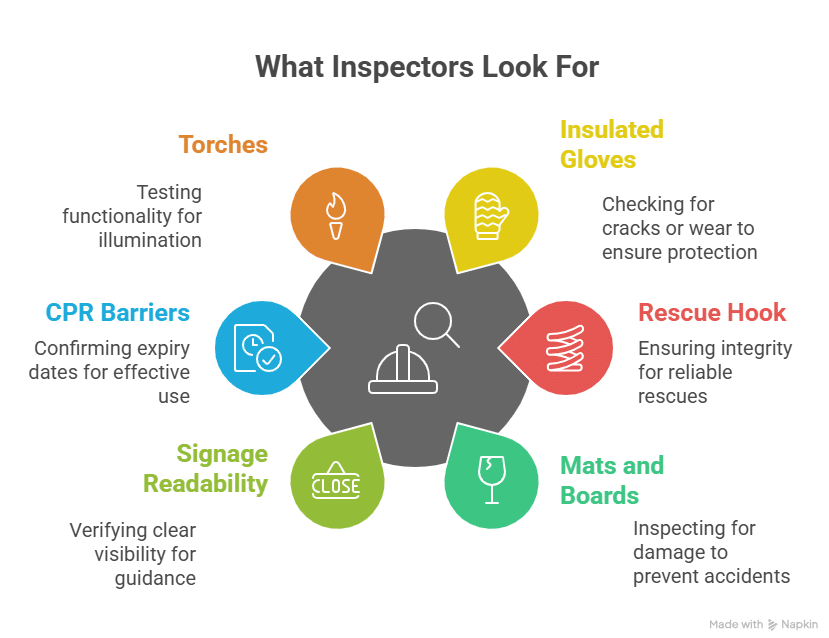
In addition, keeping a logbook ensures proof of compliance and supports best practice.
Who Needs a Low Voltage Rescue Kit?
Any worker exposed to low voltage electrical environments must have immediate access to a compliant LVR kit. This includes:
Roles Requiring an LVR Kit
Role | Requirement |
Electricians | Mandatory under WHS law |
Construction Supervisors | Required when overseeing LV panel work |
Facilities Managers | Needed where staff access electrical installations |
Renewable Energy Technicians | Required for battery systems and inverters |
Safety Observers | Must be trained and equipped |
Apprentices & Trade Assistants | Required when working near LV panels |
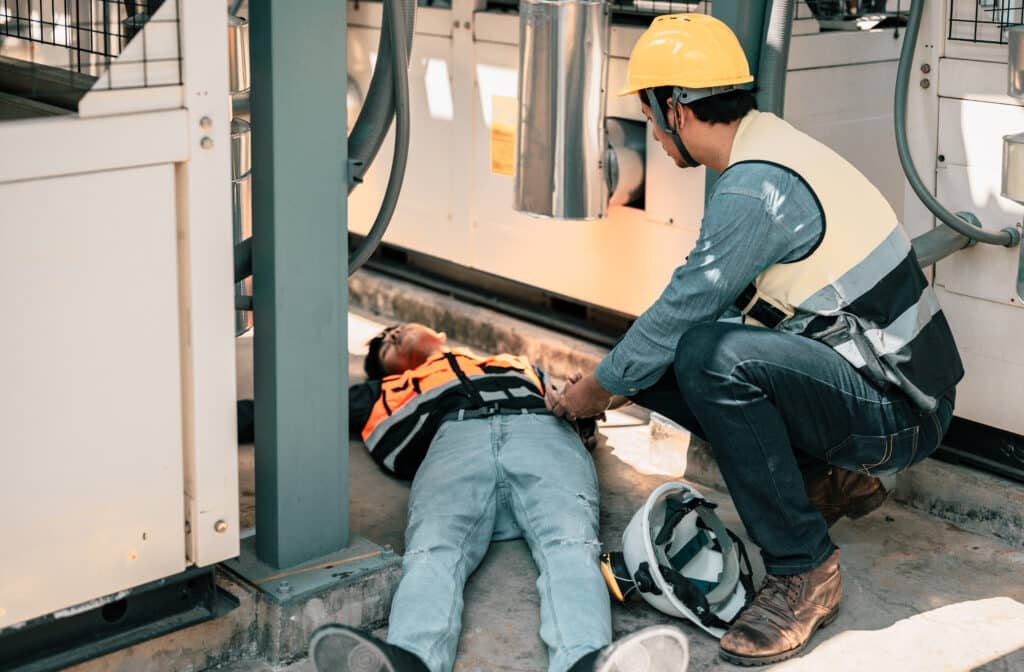
Every site conducting LV work must have at least one trained safety observer capable of conducting a safe rescue.
⚡ Why Proper LVR Training Matters
Having a low voltage rescue kit is essential. But without training, even the best kit is ineffective—and dangerous to the rescuer.
Nationally Recognised LVR Training
The recognised unit in Australia is:
UETDRMP018 – Perform Rescue from a Live Low Voltage Panel
This nationally accredited course ensures workers have the skills and knowledge to perform a safe rescue from a live LV panel and provide CPR until emergency services arrive.
📘 What the Course Covers
If you work on or near live low-voltage equipment, completing the
UETDRMP018 LVR CPR course is essential for compliance and safety.
👉 Book your place with First Aid Pro today.
⚡ 5 Steps of a Safe Low Voltage Rescue
A safe low voltage rescue requires calm, quick action and adherence to Australian electrical safety procedures. These five steps outline the essential process for rescuing a casualty from a live low-voltage environment.
Assess hazards and avoid contact.
Turn off power if safe to do so.
Stand on an insulated mat and wear insulated gloves.
Remove the casualty from the live area.
Begin CPR and call 000.
How Low Voltage Rescue Protects Electrical Workers
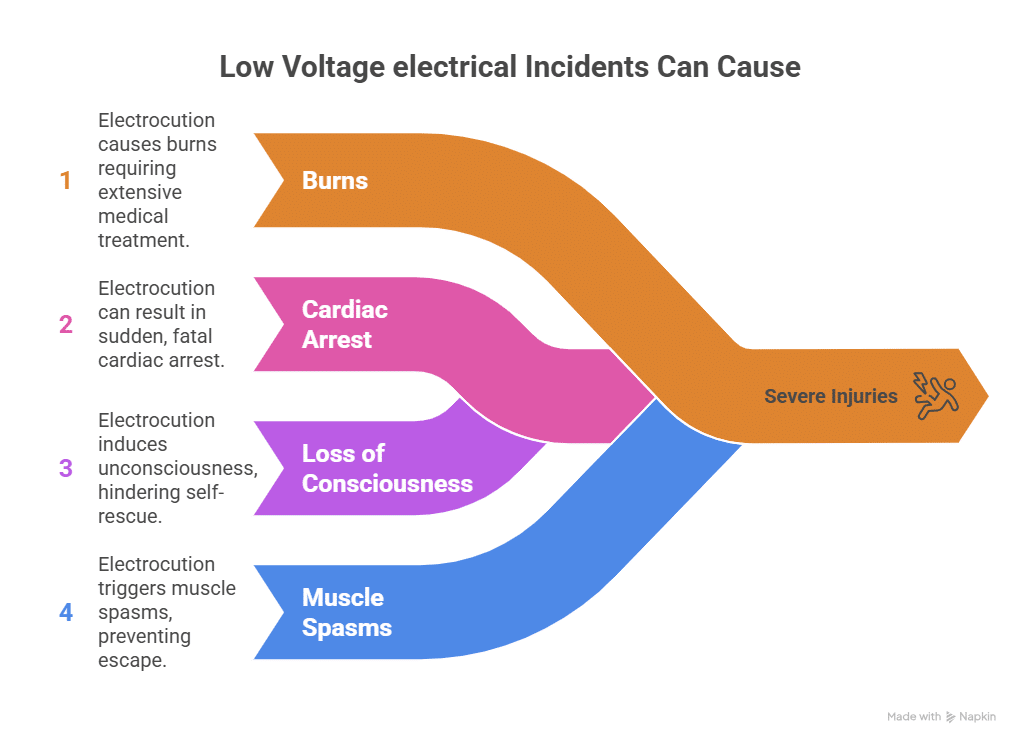
These events can happen silently and instantly.
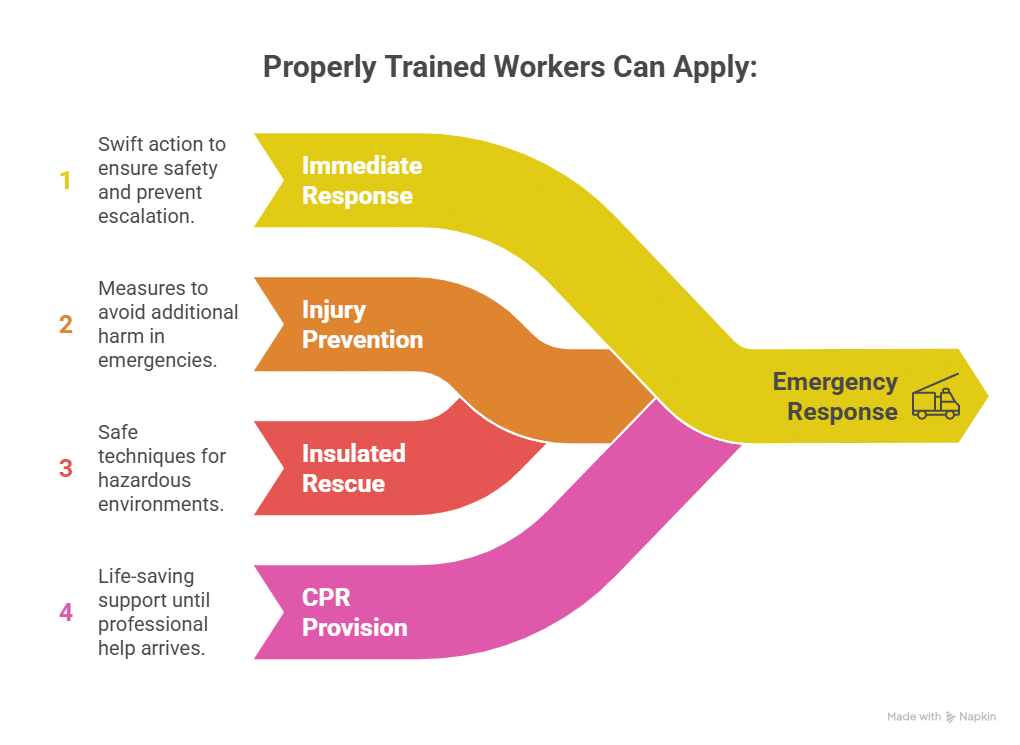
This rapid response greatly increases survival outcomes and reduces the severity of shock or other injuries.
Knowledge Test Quiz: Low Voltage Rescue
Test your understanding of low voltage rescue procedures. Select the best answer for each question, then click Check Answers.
Every Site Needs a Compliant Low Voltage Rescue Kit
A low voltage rescue kit is more than a compliance requirement—it is a life-saving resource for every electrical worker in Australia. With electrical hazards present in workplaces across the country, having the right equipment and the right training is critical. By following the Australian Standard, maintaining your kit correctly, and ensuring all relevant personnel complete the UETDRMP018 low voltage rescue course, your site will be prepared to respond to emergencies safely and effectively.
Be prepared. Stay compliant. Save a life.
Enrol in First Aid Pro’s nationally recognised UETDRMP018 Perform Rescue From a Live Low Voltage Panel course today.
References
Frequently Asked Questions
Is a low voltage rescue kit mandatory in Australia?
Yes. Under AS/NZS 4836 and WHS laws, any workplace conducting low-voltage electrical work must have a compliant Low Voltage Rescue kit on-site.
How often should a low voltage rescue kit be inspected?
At least every six months by a competent person, and after any use.
Is training required to use a low voltage rescue kit?
Yes. Only workers who have completed the UETDRMP018 LVR course are permitted to perform a rescue from a live LV panel.
What voltage counts as “low voltage” under Australian Standard?
Low voltage includes electrical installations up to 1000V AC or 1500V DC.
Why do electricians need CPR as well as Low Voltage Rescue training?
Electrical incidents can cause cardiac arrest, so CPR is often required immediately after the casualty is removed from the live area.