



Sharon has 21+ years of experience as a qualified Emergency Care Nurse registered with the Australian Health Practitioner Regulation Agency (APHRA) and 12+ years as a First Aid Trainer.
She takes pride in FirstAidPro making first aid training available, comprehensive and affordable to everybody.
A manual handling course for healthcare workers is nationally accredited training that teaches safe lifting, transfer and patient handling techniques to prevent workplace injuries. In Australia, the HLTWHS005 Conduct Manual Tasks Safely qualification is the industry standard certification for nurses, aged care workers, disability support staff and other healthcare professionals who regularly perform manual handling tasks as part of their daily duties.
Musculoskeletal disorders represent one of the most significant health risks in the healthcare sector. According to Safe Work Australia, healthcare and social assistance workers experience some of the highest rates of serious workplace injuries, with many resulting from improper manual handling techniques. This comprehensive guide examines the requirements, benefits and essential components of manual handling training for Australian healthcare professionals.
Ready to enhance your workplace safety skills? Enrol in First Aid Pro’s nationally recognised HLTWHS005 Manual Handling Course today and gain the practical competencies healthcare employers demand.
Key Takeaways
- HLTWHS005 is the national standard for healthcare manual handling training
The HLTWHS005 Conduct Manual Tasks Safely unit is the recognised Australian qualification for healthcare workers who perform lifting, transfers, and patient handling. - Manual handling is a leading cause of injury in healthcare
Around 40–50% of serious workplace injuries in healthcare and social assistance are linked to manual handling, particularly affecting the back and shoulders. - Healthcare manual handling involves people, not just loads
Tasks such as patient transfers, repositioning, and mobility support carry higher risk due to unpredictable movement and require specialised training. - WHS laws require risk management and worker training
Under Australian WHS legislation, employers must provide training and safe systems of work to minimise risks from hazardous manual tasks. - The Four P’s framework underpins safe manual handling practice
Plan, Position, Pick, and Proceed provide a structured, evidence-based approach to reducing injury risk during manual tasks. - Regular refresher training supports safety and compliance
While HLTWHS005 does not expire, refresher training every 12–24 months helps maintain competency, adapt to new equipment, and meet employer expectations.
What is Manual Handling in Healthcare?
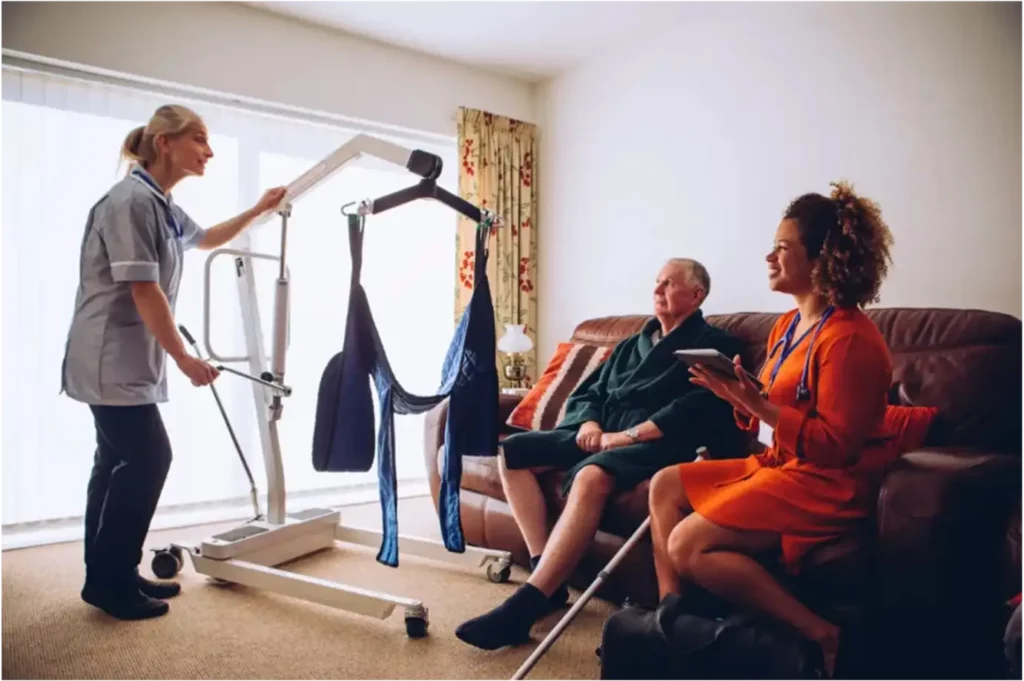
Manual handling refers to any activity requiring the use of force by a person to lift, lower, push, pull, carry, move, hold or restrain an object, load or person. In healthcare settings, manual handling encompasses a broad range of tasks performed daily by nurses, carers and support workers.
Common manual handling tasks in healthcare include:
- Transferring patients between beds, chairs and wheelchairs
- Repositioning patients in bed to prevent pressure injuries
- Assisting residents with mobility and ambulation
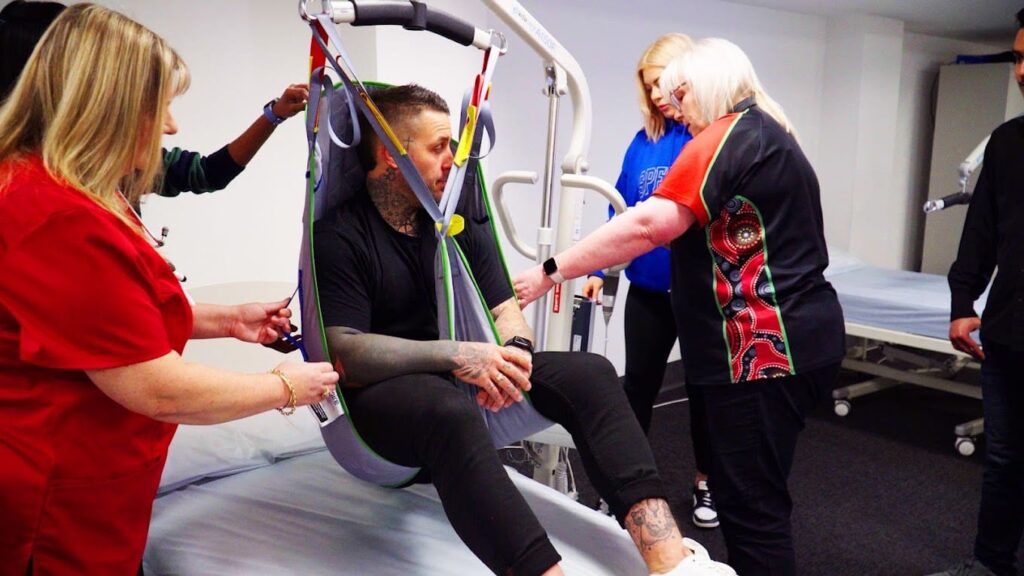
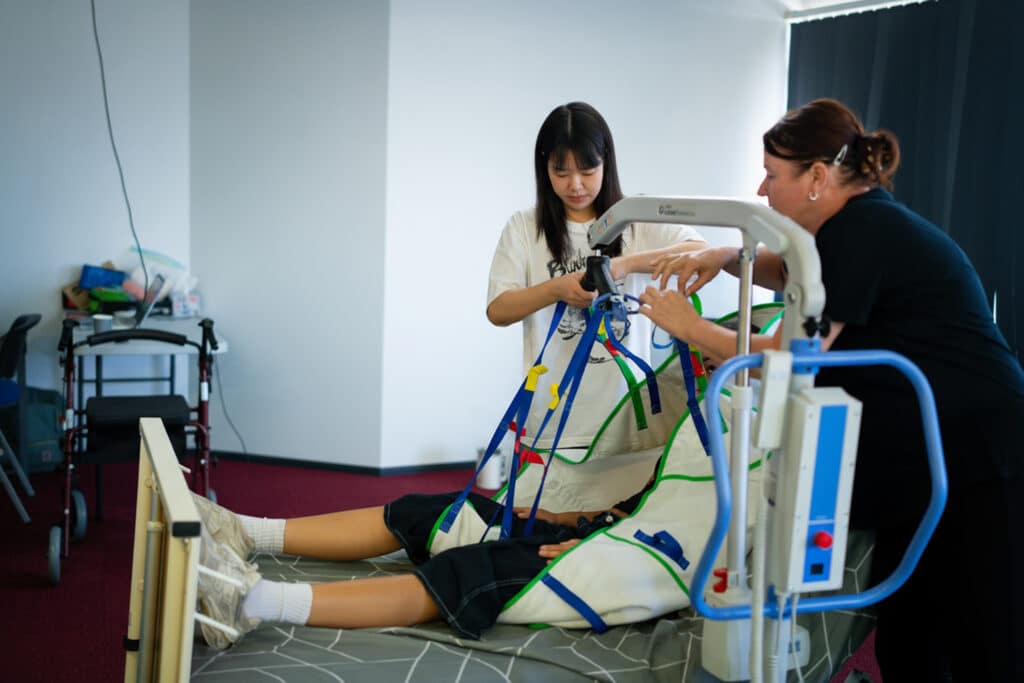
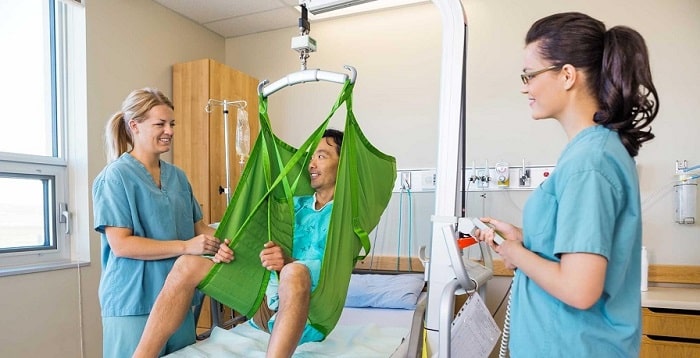
- Operating mechanical lifting equipment such as hoists and slide sheets
- Moving medical equipment, supplies and trolleys
- Handling and transporting linen, waste and supplies
When performed incorrectly or without proper training, these routine activities can lead to serious musculoskeletal injuries affecting the back, shoulders, neck and limbs. The repetitive nature of healthcare work, combined with time pressures and challenging patient circumstances, increases injury risk substantially.
What Is the HLTWHS005 Manual Handling Course?
HLTWHS005 – Conduct Manual Tasks Safely is a nationally recognised unit of competency that provides practical skills for performing manual tasks in line with WHS regulations.
For healthcare workers, this course focuses on:
- Safe patient handling techniques
- Risk assessment for hazardous manual tasks
- Injury prevention strategies
- Legal and workplace responsibilities
Successful participants receive a Statement of Attainment, recognised across Australia.
Why Manual Handling Training is Essential for Healthcare Workers
The healthcare industry faces unique manual handling challenges that make specialised training absolutely critical. Safe Work Australia statistics consistently show that healthcare workers experience disproportionately high rates of work-related musculoskeletal disorders.
Legal and Regulatory Compliance
Under the Work Health and Safety Act 2011 and associated regulations, healthcare employers have a legal duty to provide safe systems of work. This includes ensuring workers receive adequate information, training and supervision in manual handling. For healthcare organisations, this means providing HLTWHS005 training or equivalent to all staff involved in patient handling and manual tasks.
Regulatory bodies including the Aged Care Quality and Safety Commission regularly assess whether care facilities maintain appropriate manual handling training records and implement safe work practices. Non-compliance can result in enforcement actions, penalties and increased insurance premiums.
Injury Prevention and Worker Safety
Healthcare workers who complete comprehensive manual handling training demonstrate significantly lower injury rates compared to untrained colleagues. The training equips workers with practical skills to assess risks, use mechanical aids effectively and apply biomechanically sound techniques when handling patients and equipment.
Safe Work Australia estimates preventing injuries adds $28.6B to the economy yearly, with healthcare seeing high returns from fewer claims and productivity gains.
Indirect benefits include compliance avoidance, morale improvement, and efficiency, making training a strong ROI.

Patient Safety and Quality of Care
Safe manual handling practices directly benefit patients and residents. Proper transfer techniques reduce the risk of falls, skin tears and other injuries during care delivery. Trained staff demonstrate greater confidence in using lifting equipment, which encourages appropriate use of mechanical aids rather than attempting unsafe manual lifts.
Additionally, healthcare workers who understand biomechanics and patient handling principles provide more dignified, comfortable care. They can better communicate with patients during transfers and position them optimally for both safety and comfort.
HLTWHS005 Manual Handling Course Requirements
The HLTWHS005 Conduct Manual Tasks Safely qualification is the nationally recognised standard for manual handling training in Australia. This accredited course is specifically designed for healthcare, community services and other industries where manual handling forms a significant component of daily work.
Entry Requirements
The HLTWHS005 course has minimal entry barriers, making it accessible to healthcare workers at all career stages. Participants must meet these basic requirements:
- Be at least 14 years of age (under 18 requires parental consent)
- Hold a valid Unique Student Identifier (USI) for certification purposes
- Possess adequate language, literacy and numeracy skills to understand safety procedures
- Be physically capable of demonstrating manual handling techniques including bending, squatting and lifting
- Have basic computer literacy for online learning components
These requirements ensure participants can safely engage with both the theoretical and practical components of the training while being able to apply learned techniques in real workplace situations.
HLTWHS005 Course Structure and Delivery
Modern HLTWHS005 training typically follows a blended learning model that combines online theory with face-to-face practical assessment. This flexible approach accommodates the busy schedules of healthcare workers whilst ensuring comprehensive skill development.
The online component covers theoretical knowledge including WHS legislation, risk assessment principles, anatomy and biomechanics, and workplace procedures. Participants complete this section at their own pace, typically requiring 2-3 hours of study time.
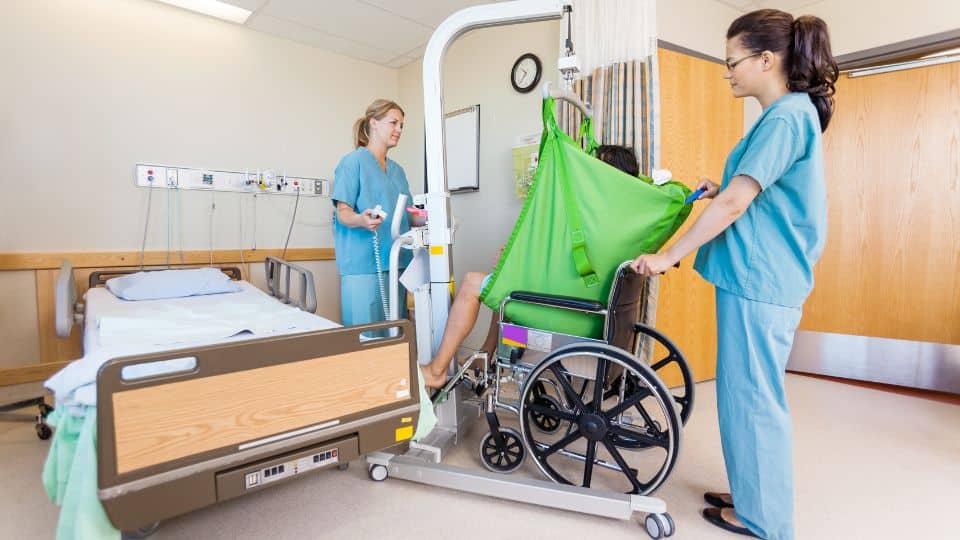
The face-to-face practical session runs for approximately 3 hours and focuses on hands-on application of manual handling techniques. Experienced instructors guide participants through realistic workplace simulations, ensuring competency in safe lifting, patient transfers and equipment operation.
Gain nationally recognised certification with First Aid Pro’s flexible blended learning format. Our HLTWHS005 course combines convenient online theory with essential hands-on practice. Enrol now to secure your place.
Assessment Methods
To achieve the HLTWHS005 Statement of Attainment, participants must demonstrate competency through both written and practical assessments. The written component typically includes multiple choice questions and short answer responses covering WHS regulations, risk identification and safe work procedures.
Practical assessment requires participants to demonstrate correct manual handling techniques in simulated workplace scenarios. Assessors evaluate body positioning, communication during team lifts, proper use of mechanical aids and application of the Four P’s framework (Plan, Position, Pick, Proceed).

Core Manual Handling Skills for Healthcare Workers
The Four P’s framework provides a systematic approach to any manual handling task. This evidence-based methodology reduces injury risk by ensuring workers pause and assess before acting.
- Plan: Assess the task, identify hazards, determine required equipment and plan the safest approach. Consider the patient’s condition, environment and available resources.
- Position: Adopt a stable base with feet shoulder-width apart, position yourself close to the load, ensure clear pathways and optimal body alignment.
- Pick: Use leg muscles rather than back, maintain neutral spine position, keep the load close to your body and avoid twisting movements.
- Proceed: Move smoothly and steadily, communicate with team members during coordinated lifts, monitor your body for signs of strain and adjust technique as needed.
Patient Handling and Transfer Techniques
Healthcare-specific manual handling training emphasises patient transfers as a high-risk activity requiring specialised techniques. The course covers appropriate methods for moving patients between beds, chairs, wheelchairs and examination tables whilst maintaining patient dignity and comfort.
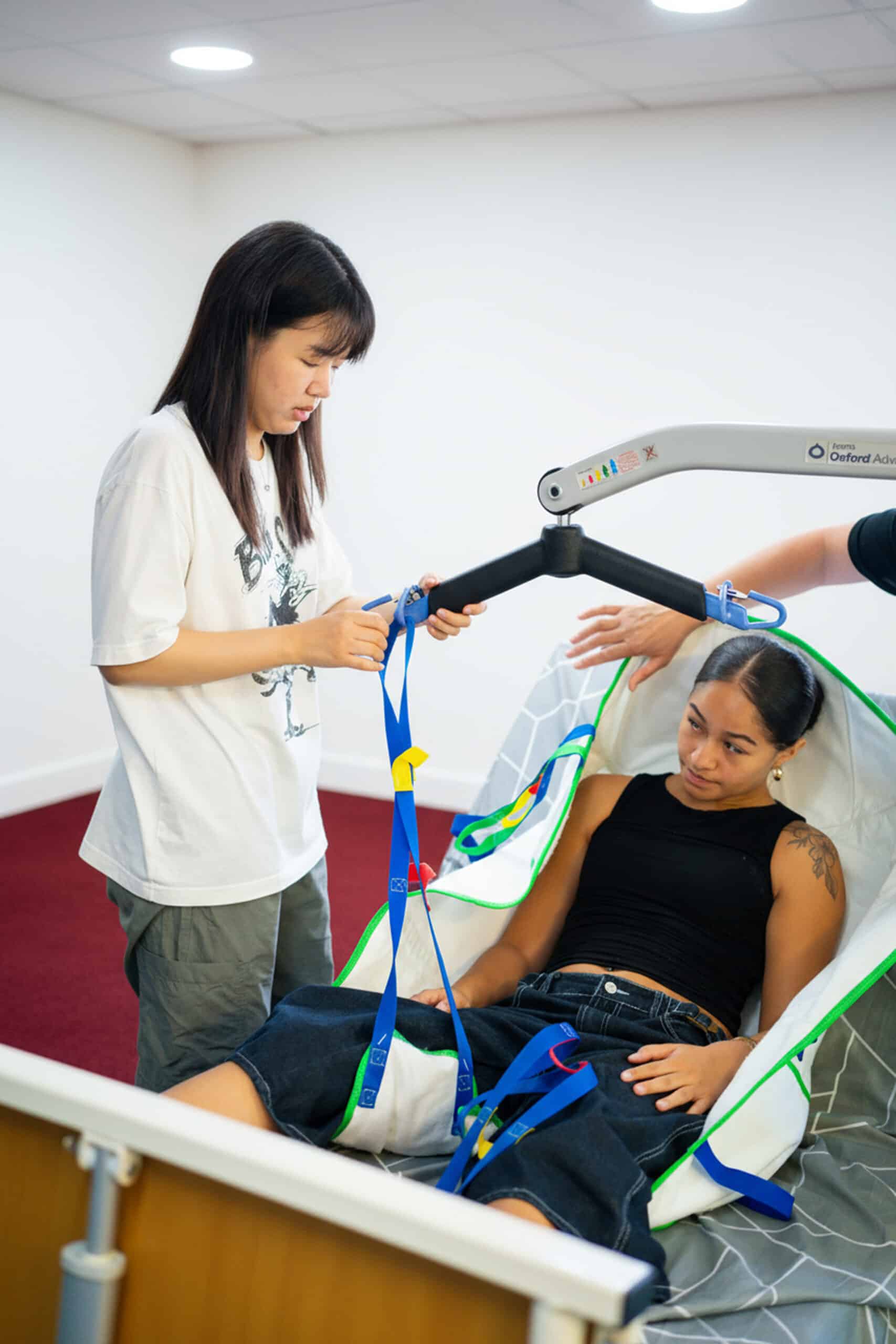
Participants learn to assess patient mobility levels, communicate transfer procedures clearly and select appropriate mechanical aids. Training includes proper use of slide sheets, transfer boards, standing aids and ceiling or mobile hoists. Understanding when to use mechanical assistance rather than manual lifting is emphasised throughout the course.

Risk Assessment and Hazard Identification
Effective risk assessment forms the foundation of safe manual handling practice. Healthcare workers learn to systematically evaluate tasks before commencing, considering factors such as load weight, frequency of handling, awkward postures, environmental constraints and individual worker capabilities.
The training covers Safe Work Australia’s risk management framework, teaching workers to identify hazards, assess likelihood and consequence of injury, implement control measures and review effectiveness. This proactive approach enables healthcare teams to modify tasks and implement engineering or administrative controls where feasible.
Common Manual Handling Equipment in Healthcare Settings
A simple reference to help staff match the right equipment to the task and reduce strain during patient handling.
Slide Sheets
Mobile Hoists
Transfer Boards
Standing Aids
Height-Adjustable Beds
Key Benefits of HLTWHS005 Certification
Obtaining nationally recognised manual handling certification delivers substantial benefits for individual healthcare workers, their employers and the patients they serve. The investment in quality training generates returns across multiple dimensions of workplace safety and professional development.
Career Advancement and Employment Opportunities
HLTWHS005 certification is increasingly mandatory for employment in aged care, disability support, hospitals and community health settings. Many healthcare employers list this qualification as an essential requirement in position descriptions, particularly for roles involving direct patient care.
For healthcare workers seeking career progression, manual handling certification demonstrates professional commitment to workplace safety. The qualification supports applications for senior care positions, team leader roles and specialist areas such as rehabilitation or aged care. Additionally, the nationally recognised Statement of Attainment is transferable across all Australian states and territories, facilitating geographic mobility.

Personal Health and Injury Prevention
The most immediate benefit of manual handling training is personal injury prevention. Healthcare workers who understand biomechanics and safe lifting principles experience fewer musculoskeletal injuries, enabling longer, healthier careers. Chronic back pain, shoulder injuries and repetitive strain conditions can be career-ending; proper HLTWHS005 training provides the knowledge and skills to avoid these outcomes.
Beyond physical health, workers report increased confidence in performing manual tasks. This psychological benefit reduces workplace stress and anxiety associated with challenging patient handling situations. Knowing how to assess risks and access appropriate equipment empowers workers to advocate for safe practices.
Organisational Benefits
Healthcare organisations with comprehensive manual handling training programs demonstrate measurable improvements in safety culture and operational efficiency. Reduced injury rates translate directly to lower workers’ compensation insurance premiums, decreased sick leave costs and improved staff retention.
Facilities with well-trained staff also experience better patient outcomes and satisfaction scores. Proper handling techniques reduce patient injuries from falls and improper transfers. Regulatory compliance is strengthened, supporting positive outcomes in quality audits and accreditation assessments.

Who Should Complete Manual Handling Training?
The HLTWHS005 manual handling course is essential for a broad range of healthcare and community services workers who regularly perform manual tasks as part of their role. The training is specifically designed for positions involving patient handling, equipment operation and physical care delivery.
Healthcare professionals who should complete this course include:
- Registered nurses and enrolled nurses working in hospitals, aged care or community settings
- Assistants in nursing and healthcare support workers
- Aged care workers and personal care attendants
- Disability support workers and community carers
- Physiotherapy assistants and rehabilitation support staff
- Patient transport officers and ambulance support personnel
- Mental health support workers in residential facilities
- Home care workers providing in-home support services
Students undertaking healthcare qualifications such as Certificate III in Individual Support, Certificate III in Health Services Assistance or nursing degrees should also complete manual handling training early in their studies to establish safe practices from the outset of their careers.
Don’t wait for an injury to prioritise safety. Enrol in First Aid Pro’s HLTWHS005 Manual Handling Course today and protect your health while advancing your healthcare career with nationally recognised certification.

Maintaining Manual Handling Competency
Manual handling skills require regular refreshment to maintain competency and ensure workplace practices align with current WHS standards. Industry best practice recommends that healthcare workers undertake refresher training every 12 to 24 months, depending on organisational policies and individual job requirements.
HLTWHS005 refresher courses provide opportunities to update knowledge of new equipment, review challenging techniques and reinforce safe work habits. They also allow workers to raise questions about specific workplace scenarios and receive expert guidance on managing difficult manual handling situations.
Between formal training sessions, healthcare workers should actively engage in workplace safety initiatives. This includes participating in toolbox talks, reporting hazards and near-misses, contributing to risk assessments and mentoring new staff in safe manual handling practices. Regular equipment checks and maintenance also form essential components of ongoing competency.
Manual Handling Knowledge Test
Test your understanding of key manual handling concepts.

HLTWHS005 Manual Handling Course: Protecting Healthcare Workers and Patients
Manual handling training represents a fundamental investment in workplace safety and professional development for Australian healthcare workers. The HLTWHS005 qualification provides essential knowledge and practical skills that protect workers from injury while ensuring safe, dignified care for patients and residents.
With musculoskeletal injuries accounting for a significant proportion of healthcare workplace incidents, proper manual handling certification is no longer optional but essential. The combination of legislative requirements, industry expectations and personal health considerations makes this qualification vital for anyone working in direct patient care, aged care, disability support or community health services.
By completing nationally recognised manual handling training with an experienced provider like First Aid Pro, healthcare workers gain transferable skills, meet employer requirements and demonstrate commitment to safety excellence. The blended learning approach ensures both theoretical understanding and practical competency, preparing participants for the real-world challenges of healthcare manual handling.
Protecting your health and advancing your career begins with proper training. Enrol in a quality HLTWHS005 course today and join thousands of Australian healthcare workers who prioritise safety, professionalism and quality patient care.
References
- Safe Work Australia. (2023). Work-related Musculoskeletal Disorders. Retrieved from https://www.safeworkaustralia.gov.au
- Safe Work Australia. (2021). Code of Practice: Hazardous Manual Tasks. Commonwealth of Australia.
- WorkSafe Victoria. (2023). Hazardous Manual Handling Identification Tool. State of Victoria.
- Victorian WorkCover Authority. (2023). Healthcare and hospitals: Safety basics. WorkSafe Victoria.
- Australian Skills Quality Authority. (2024). HLTWHS005 Conduct manual tasks safely unit descriptor.
Frequently Asked Questions
How long does HLTWHS005 certification remain valid?
HLTWHS005 does not have a national expiry date. However, most healthcare employers require refresher training every 12–24 months to maintain practical competency and WHS compliance. The Statement of Attainment remains valid indefinitely, but skills must be kept current through regular practice and refresher training.
Can I complete HLTWHS005 training entirely online?
No. HLTWHS005 cannot be completed fully online due to mandatory practical assessment requirements. Training is delivered in a blended format, combining online theory with a face-to-face practical session to demonstrate safe manual handling techniques and equipment use.
Is manual handling training the same across all healthcare settings?
The core principles of HLTWHS005 are consistent nationwide, but practical training is contextualised for different healthcare environments. Techniques and equipment vary between hospitals, aged care, disability support and community health settings.
What happens if I fail the practical assessment?
If competency is not demonstrated, participants are usually offered additional coaching and reassessment. HLTWHS005 is competency-based, meaning certification is issued once safe manual handling techniques are demonstrated to the required standard.
Does HLTWHS005 certification apply in all Australian states?
Yes. HLTWHS005 is nationally recognised and accepted across all Australian states and territories. Employers may require additional workplace-specific training, but this complements—not replaces—the HLTWHS005 qualification.