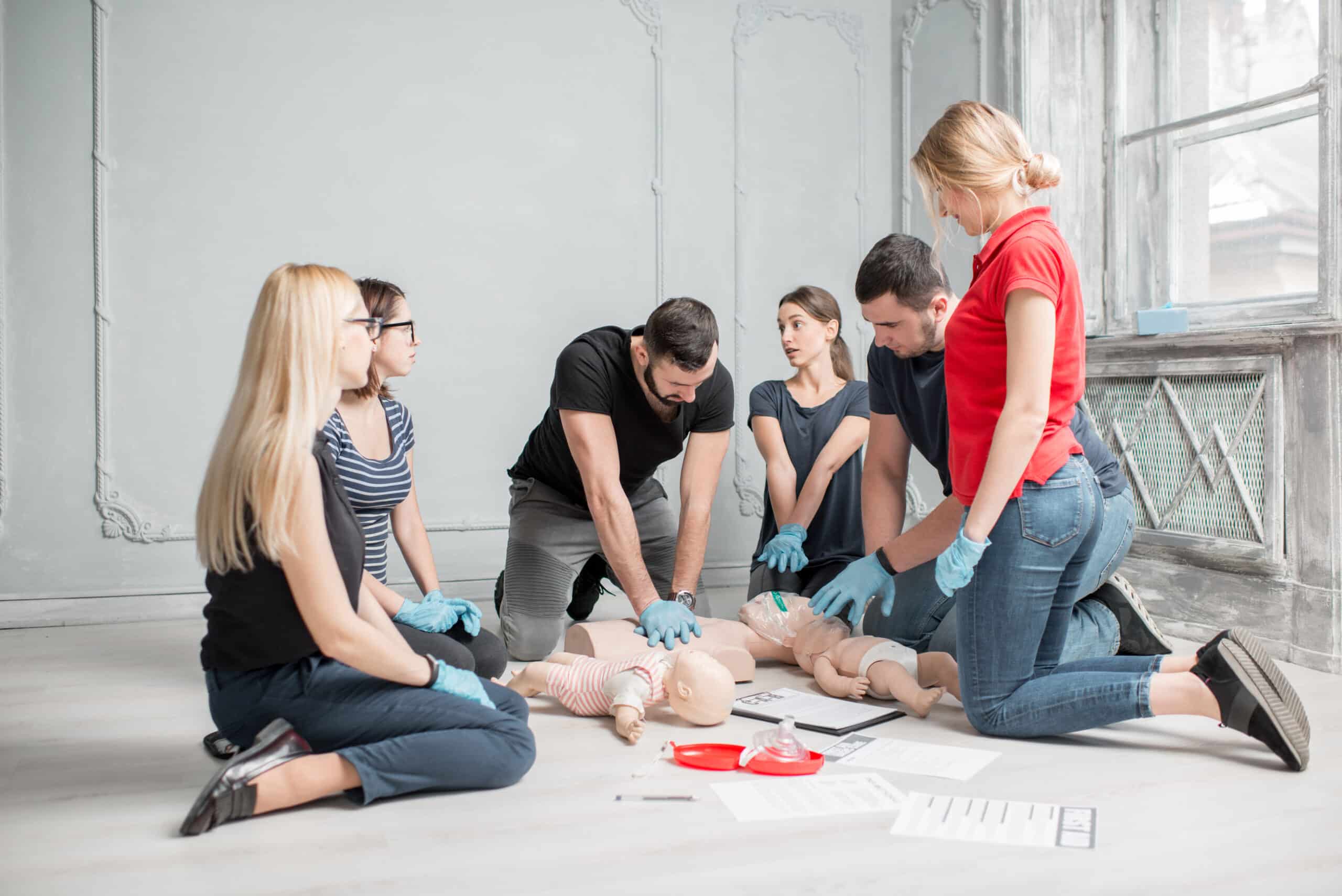




Mental health first aid is the initial help and support provided to someone experiencing a mental health crisis or developing mental illness. Just as physical first aid teaches us to respond to injuries and emergencies, a mental health first aid course equips ordinary people with the skills to recognise, understand and respond to signs of mental health problems in their communities, workplace, and families.
In Australia, where one in five people experience mental health issues each year, having these skills can make a profound difference in someone’s recovery journey. This comprehensive guide will teach you how to recognise warning signs, start supportive conversations, provide initial support, and connect people with appropriate professional help.
Ready to make a real difference in your community and workplace? Enrol in First Aid Pro’s accredited Mental Health First Aid course and gain
Key Takeaways
Mental Health First Aid (MHFA) equips everyday Australians with the skills to recognise, respond to, and support individuals experiencing mental health challenges or crises.
Early recognition of symptoms—such as changes in mood, behaviour, or communication—can significantly improve outcomes and support recovery.
Supportive conversations grounded in empathy, active listening, and non-judgmental language are essential to reducing stigma and encouraging help-seeking behaviour.
The ALGEE action plan (Approach, Listen, Give support, Encourage professional help, Encourage other supports) forms the evidence-based foundation of MHFA training.
MHFA training promotes safe, culturally appropriate support, including specialised modules for Aboriginal and Torres Strait Islander communities, youth, and workplace settings.
Accredited MHFA courses are nationally recognised and valued by employers, particularly in education, healthcare, and corporate environments.
MHFA does not replace professional mental health care, but bridges the gap until professional support is available.
Enrolling in a Mental Health First Aid course with First Aid Pro is a proactive step toward creating mentally healthier workplaces, schools, and communities.

Providing Mental Health First Aid: Recognising Signs and Symptoms
Early Warning Signs to Recognise
Mental health problems often develop gradually, and early recognition can lead to better outcomes. Here are key signs to observe when someone is facing mental health challenges:
Mental Health Warning Signs
Recognising the early indicators of mental health challenges
Mental Health in Australia
Depression Warning Signs
- Persistent sadness or low mood lasting more than two weeks
- Loss of interest in activities once enjoyed
- Changes in appetite or sleep patterns
- Fatigue and lack of energy
- Difficulty concentrating or making decisions
- Feelings of worthlessness or excessive guilt
- Social withdrawal from friends and family
Anxiety Warning Signs
- Excessive worry about everyday situations
- Physical symptoms like rapid heartbeat, sweating, or trembling
- Avoiding situations that cause anxiety
- Restlessness or feeling on edge
- Difficulty sleeping due to worry
- Panic attacks or sudden intense fear
Severe Psychotic States
- Hearing voices or seeing things others don't
- Unusual or bizarre thoughts or beliefs
- Significant changes in behaviour or personality
- Difficulty distinguishing between reality and imagination
- Extreme suspiciousness or paranoia
- Disorganised thinking or speech
Ready to Learn Mental Health First Aid?
Gain the skills and confidence to recognise these warning signs and provide appropriate support
Enrol in Mental Health First Aid CourseMental health first aid training also recognises that Aboriginal and Torres Strait Islander people may experience mental health challenges differently due to historical trauma, cultural factors, and ongoing social disadvantage. A culturally appropriate approach to providing mental health first aid is essential for supporting these communities effectively.

Recognising a Mental Health Crisis
A mental health crisis requires immediate attention. Mental Health First Aid training teaches you to recognise the signs, understand when professional help is necessary and where it is available:
Mental Health Crisis Response Guide
Essential warning signs and immediate action steps for crisis situations
| Crisis Type | Warning Signs | Immediate Action |
|---|---|---|
| Suicidal Thoughts & Behaviours | Talking or writing about death, giving away possessions, sudden calmness after depression, hopelessness, expressing no reason for living, seeking means to self-harm, withdrawal from others, dramatic mood changes. | Stay with the person, listen non-judgementally, call 000 (emergency) or Lifeline 13 11 14, do not leave them alone. |
| Panic Attacks | Intense fear, chest pain, rapid heartbeat, sweating, trembling, difficulty breathing, feeling of losing control or fear of dying. | Stay calm, reassure the person, encourage slow breathing, stay with them until symptoms resolve or professional help arrives if symptoms worsen. |
| Non-Suicidal Self-Injury | Unexplained cuts or burns, wearing long sleeves in hot weather, hiding injuries, discussing self-harm, changes in mood or behaviour. | Express concern, avoid judgement, offer support, ask if medical attention is needed, encourage professional help. If serious injury or overdose, call 000. |
| Aggressive Behaviours | Threats, physical violence, inability to calm down, raised voices, invasion of personal space, erratic or unpredictable behaviour. | Ensure your own safety first, seek immediate assistance (call 000 if needed), do not attempt to physically restrain unless trained and safe to do so. |
Mental Health First Aid Training: Starting Supportive Conversations in the Workplace

Approaching Someone in Crisis Situations
Starting a conversation about mental health issues requires sensitivity and timing. In workplace settings, choose a private, comfortable setting when you won’t be interrupted. Begin with observations rather than assumptions when you support someone:
Starting Mental Health Conversations
What to say and what to avoid when supporting someone
The Power of Words in Mental Health Support
The way we communicate can make the difference between someone feeling supported or further isolated. Choose your words carefully to create a safe space for conversation.
💚 What TO Say
Supportive conversation starters
⚠️ What NOT to Say
Phrases that can cause harm
Additional Communication Tips
Learn More About Mental Health First Aid
Master the skills to have confident, supportive conversations when someone needs help
Enrol in Mental Health First Aid CourseImproving Mental Health Literacy Through Effective Communication

Mental health literacy involves understanding mental health issues and knowing how to support someone effectively. Open-ended questions help encourage conversation:
- “What’s that like for you?”
- “How long have you been feeling this way?”
- “What do you think might help?”
- “Who do you usually talk to when you’re struggling?”
- “What would make things easier for you right now?”
Active Listening Techniques for First Aid Training
- Give your full attention – put away distractions
- Use body language that shows you’re listening
- Reflect back what you hear: “It sounds like you’re feeling overwhelmed”
- Ask clarifying questions to better understand
- Avoid interrupting or offering quick solutions
MHFA Course Essentials: Steps to Provide Initial Support

The Evidence-Based Action Plan
MHFA is the evidence-based framework used in mental health first aid training that equips individuals with the skills to respond effectively:
A – Approach the person
- Look for signs of distress or changes in behaviour
- Choose an appropriate time and place
- Be respectful and non-confrontational
L – Listen without judgement
- Give the person your full attention
- Allow them to express their feelings
- Don’t interrupt or offer immediate solutions
G – Give support and guidance
- Provide emotional support and understanding
- Share factual information about mental health
- Offer practical help where appropriate
E – Encourage appropriate professional help
- Discuss options for professional support
- Offer to help them access services
- Respect their autonomy in decision-making
E – Encourage other supports
- Help them identify their support network
- Suggest self-help strategies
- Connect them with peer support groups
Mental Health Support Through Non-Judgmental Communication
Effective Communication: "I" vs "You" Statements
Learn how to express concern without creating defensiveness
The Power of Personal vs Accusatory Language
"I" statements help create a safe space for dialogue by focusing on your own feelings and observations rather than making the other person feel blamed or judged.
Choose Your View
💚 Use "I" Statements
Focus on your feelings and observations
⚠️ Avoid "You" Statements
Can sound accusatory and create defensiveness
Real-World Example Comparison
How Each Approach Affects the Conversation
• Openness to dialogue
• Reduced defensiveness
• Focus on care and concern
• Invitation for conversation
• Shame and guilt
• Argument or conflict
• Shutting down communication
• Feeling judged or blamed
Master Supportive Communication Skills
Learn proven techniques for having difficult conversations with care and effectiveness
Enrol in Mental Health First Aid CourseCreating Safety and Mental Health Support
Immediate comfort measures:
- Ensure physical safety first
- Provide a calm, quiet environment
- Offer practical support (water, comfortable seating)
- Respect personal space and boundaries
- Ask what they need to feel safe
Interested in mental health first aid training that’s recognised throughout Australia? First Aid Pro’s MHFA course is delivered by accredited MHFA instructors and provides nationally recognised qualifications that employers value.

Mental Health Crisis Response: Essential Skills for Critical Situations
Responding to Suicidal Thoughts and Behaviours
If someone is experiencing suicidal thoughts:
- Take it seriously – never dismiss or minimise
- Ask directly – “Are you thinking about suicide?”
- Stay with them – don’t leave them alone
- Remove means – safely remove potential harmful items
- Get help immediately – call 000 or Lifeline 13 11 14
- Follow up – check in regularly until the crisis resolves
For non-suicidal self-injury situations:
- Remain calm and non-judgmental
- Provide first aid for any injuries
- Encourage professional help
- Help them develop safety plans
- Connect them with appropriate services
Responding to Panic Attacks
During panic attacks:
- Stay calm yourself
- Encourage slow, deep breathing
- Help them focus on their surroundings
- Remind them it will pass
- Don’t leave them alone
Grounding techniques to suggest:
- Name 5 things they can see
- Name 4 things they can touch
- Name 3 things they can hear
- Name 2 things they can smell
- Name 1 thing they can taste
Emergency Contacts for A Mental Health Crisis
Service | Phone Number | When to Use |
Emergency Services | 000 | Immediate danger to self or others |
Lifeline | 13 11 14 | Suicide prevention, crisis support |
Beyond Blue | 1300 22 4636 | Depression, anxiety support |
Kids Helpline | 1800 55 1800 | Support for young people under 25 |
MensLine Australia | 1300 78 99 78 | Men’s mental health support |
1800RESPECT | 1800 737 732 | Domestic violence support |

Professional Help and Mental Health First Aid Resources Australia
Encouraging Professional Help: A Step-by-Step Guide
Learn how to gently guide someone towards professional mental health support
The Importance of Professional Mental Health Support
Sometimes caring support from friends and family isn't enough. Learning how to gently encourage someone to seek professional help can be life-changing for their recovery journey.
Two-Step Approach to Encouraging Professional Help
Gentle Conversation Starters
Approach the conversation with care and sensitivity
Practical Support Options
Offer concrete help to make accessing services easier
Key Principles for Encouraging Professional Help
Example Conversation Flow
Learn More About Supporting Others
Master the skills to guide people towards professional help with confidence and compassion
Enrol in Mental Health First Aid CourseMental Health First Aid Resources
Primary Care Options:
- General Practitioner (GP) – first point of contact, can provide Mental Health Care Plans
- Psychologist – specialised therapy and counselling
- Psychiatrist – medical doctor specialising in mental health, can prescribe medication
- Social Worker – practical support and community connections
Online and Telephone Support:
- LIVIN: livin.org
- Beyond Blue – www.beyondblue.org.au
- Headspace – www.headspace.org.au (for young people)
- SANE Australia – www.sane.org
- Black Dog Institute – www.blackdoginstitute.org.au
- Emerging Minds – www.emergingminds.com.au
- Mental Health Australia: https://mhaustralia.org/resources

Accessing Community Support
Peer Support Groups:
- Local community centres often host support groups
- Online forums and communities
- Workplace Employee Assistance Programs (EAP)
- Religious or spiritual communities
Self-Help Resources:
- Mental health apps like Smiling Mind or MindSpot
- Online therapy programs
- Self-help books and resources
- Exercise and wellness programs
Reduce Stigma and Support Recovery Through Mental Health First Aid
Language That Helps Reduce Stigma
When you encounter people facing mental health challenges, stereotypes which reinforce social stigmas can easily present barriers to providing help and should be avoided at all costs. It is vital that those seeking to provide mental health first aid don’t assign negative labels to people in distress, but rather use terms and language that helps provide mental and emotional ‘distance’ between the person and their negative feelings.
Language to Avoid: Reducing Mental Health Stigma
Learn which words and phrases can cause harm and perpetuate stigma
The Power of Words in Mental Health
The language we use can either reduce stigma or reinforce harmful stereotypes. Understanding which words to avoid is crucial for creating supportive environments.
Important Warning
The phrases shown below can cause significant harm to people experiencing mental health challenges. They are displayed here for educational purposes to help you recognise and avoid stigmatising language.
Choose Your Focus
Stigmatising Terms
Labels that dehumanise and stigmatise
Dismissive Phrases
Statements that minimise and invalidate
Person-First Language
Respectful language that humanises
Hopeful Language
Words that inspire and encourage
How Stigmatising Language Causes Harm
• Creates feelings of isolation
• Reduces self-worth and confidence
• Triggers anxiety and distress
• Prevents open conversations
• Reinforces silence and secrecy
• Delays early intervention
• Creates hostile environments
• Damages relationships and trust
• Reinforces harmful stereotypes
• Reduces treatment engagement
• Increases risk of relapse
• Hinders support network development
Interactive Quiz: Test Your Understanding
Your friend is having a difficult day and shares their feelings with you. Which response is most supportive?
Someone mentions they're seeing a therapist. What's the best response?
Learn More About Supportive Communication
Master the language skills to reduce stigma and create supportive environments
Enrol in Mental Health First Aid CourseReferences
- Mental Health First Aid Australia. (2023). Mental Health First Aid Guidelines. MHFA Australia.
- Australian Bureau of Statistics. (2022). National Study of Mental Health and Wellbeing. Australian Government.
- Jorm, A. F., Kitchener, B. A., & Mugford, S. K. (2005). Experiences in applying skills learned in a Mental Health First Aid training course: a qualitative study of participants’ stories. BMC Psychiatry, 5(1), 43.
- Livin: Livin.org
- Kitchener, B. A., & Jorm, A. F. (2008). Mental Health First Aid: an international programme for early intervention. Early Intervention in Psychiatry, 2(1), 55-61.
- Australian Government Department of Health. (2023). National Mental Health Strategy. Commonwealth of Australia.
Emerging Minds. (2023). Supporting Aboriginal and Torres Strait Islander Mental Health. Emerging Minds.