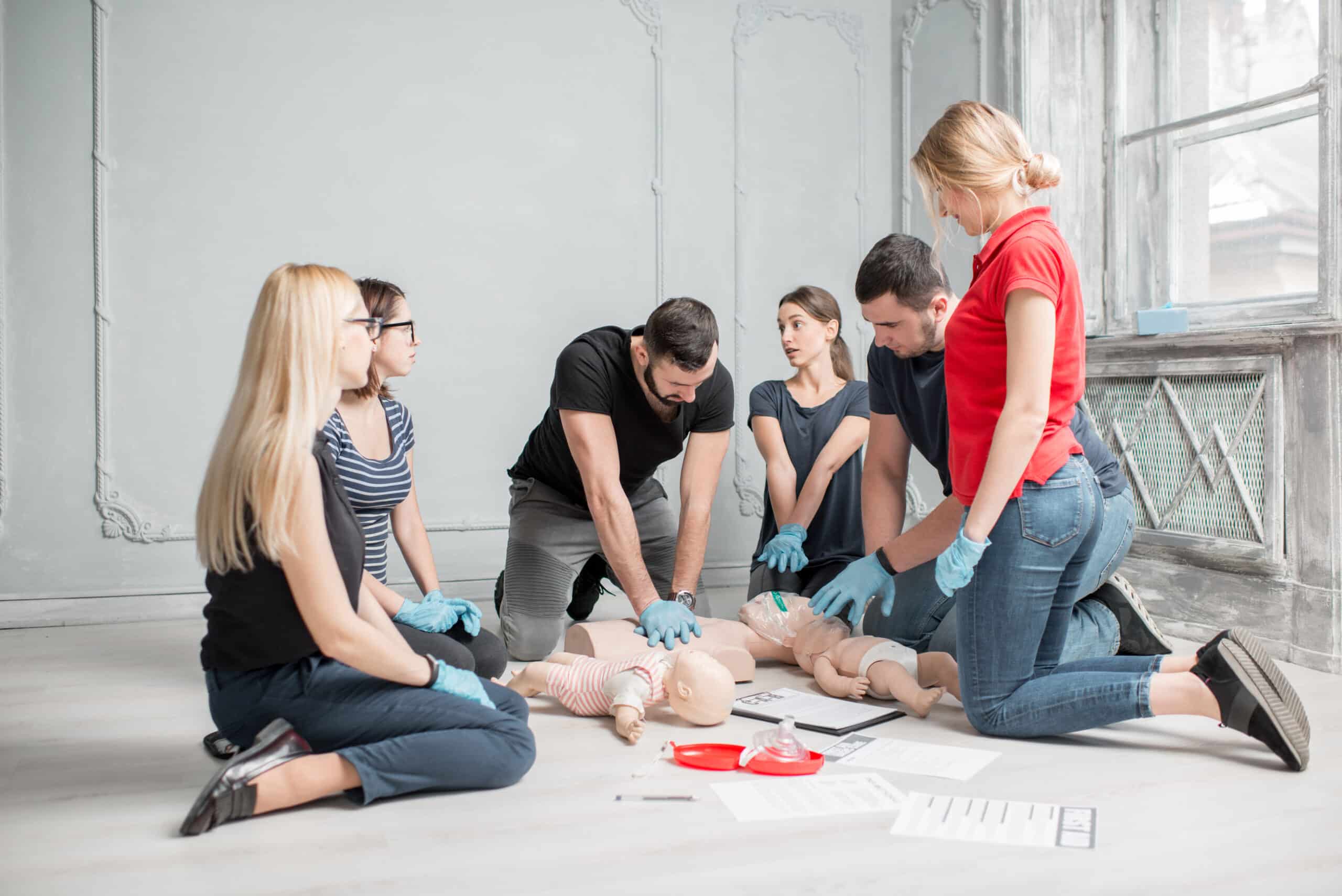



Mental health first aid is an evidence-based training course designed to teach people how to recognise and respond to someone experiencing a mental health problem or mental health crisis until professional help arrives or the crisis resolves.
In Australia, where nearly half of all adults will experience a mental health condition in their lifetime, the ability to provide mental health first aid has become as essential as traditional first aid training. Mental health first aid Australia has pioneered courses that equip adults with the skills and knowledge to support people facing mental health issues, making workplaces, schools, and communities safer and more supportive environments.
This comprehensive guide explores everything you need to know about mental health first aid training, from understanding what MHFA courses involve to finding the right training pathway for your needs. Whether you’re looking to become an accredited mental health first aider for your workplace or simply want to better support friends and family, this guide will help you navigate the world of mental health training in Australia.
Ready to make a difference? Enrol in a nationally recognised Mental Health First Aid course with First Aid Pro today and gain the confidence to recognise and respond when someone needs support.

Key Takeaways
- Mental health first aid training courses empower adults to recognise signs and symptoms of common mental health problems and crisis situations
- MHFA courses are available in various formats including face-to-face, elearning, and blended delivery options
- The standard mental health first aid course teaches participants the ALGEE action plan for supporting adults experiencing a mental health problem or crisis
- Accredited courses provide nationally recognised certification valid for three years
- Mental health first aiders play a vital role in promoting positive mental health practices and reducing stigma in workplaces and communities
- First Aid Pro offers flexible training opportunities to become an accredited mental health first aider

What Is Mental Health First Aid Training?
Understanding Mental Health First Aid (MHFA)
As mentioned above, mental health first aid is the help provided to someone experiencing a mental health problem or mental health crisis until appropriate professional help is received or the crisis resolves. Much like traditional first aid skills for physical injuries, MHFA training course content equips people with practical strategies to provide mental health first aid in various situations.
The course is designed to build knowledge and confidence in recognising the signs and symptoms of mental health issues, including depression, anxiety disorders, psychosis, and substance use problems. Mental health first aiders learn to apply mental health first aid skills using a structured approach that prioritises safety, reduces distress, and connects people with professional mental health services.
Importantly, mental health first aid training does not teach participants to become therapists or diagnose conditions. Instead, the course teaches practical, evidence-based strategies to provide initial support until professional mental health support can be accessed.
The MHFA Model in Australia
Mental Health First Aid Australia developed the world’s first mental health first aid training program in 2000. Created by Betty Kitchener and Professor Tony Jorm, the program was designed to improve mental health literacy across the Australian community and has since expanded to over 25 countries worldwide.
The MHFA course follows an action plan known as ALGEE:
ALGEE Step | Action | Purpose |
Approach | Assess for risk of suicide or harm | Ensure safety and begin conversation |
Listen | Listen non-judgementally | Build trust and show support |
Give support | Give reassurance and information | Reduce distress and offer hope |
Encourage | Encourage appropriate professional help | Connect to mental health services |
Encourage | Encourage self-help and other support | Build resilience and recovery strategies |
This evidence-based framework provides first aiders with a clear structure to follow when supporting someone experiencing a mental health problem or crisis situation.

Who Should Undertake Mental Health First Aid Training?
Mental health first aid training is suitable for anyone aged 18 or over who wants to learn how to support people facing mental health challenges. The course is particularly valuable for:
-
Managers and supervisors
Implementing mental health first aid training in your workplace. -
Human resources professionals
Responsible for developing and maintaining employee health and wellbeing programs. -
Teachers and youth workers
Supporting adults and young people experiencing mental health challenges. -
Healthcare workers
Expanding their professional skills beyond physical first aid. -
Community members
Wanting to help friends, family, or colleagues in need of mental health support. -
First responders
Regularly dealing with crisis situations and high-stress environments.
No prior knowledge or qualifications are required to enrol in a standard mental health first aid course, making it accessible to all adults across Australia.
Mental Health First Aid Course Options in Australia

Types of MHFA Training Courses Available
Mental Health First Aid Australia offers several accredited courses designed to meet different community needs:
Standard Mental Health First Aid Course
This flagship program teaches course participants to provide mental health first aid to adults experiencing common mental health problems and crisis situations. The course covers depression, anxiety, psychosis, substance use disorders, and suicide prevention.
Youth Mental Health First Aid
Specifically designed for adults who work with or care for young people aged 12-18, this course addresses the unique mental health challenges affecting adolescents.
Aboriginal and Torres Strait Islander Mental Health First Aid
This culturally adapted course acknowledges the specific mental health experiences and healing practices of Aboriginal and Torres Strait Islander communities.
Older Person Mental Health First Aid
Focused on mental health issues affecting older Australians, including dementia, depression, anxiety, and suicide risk in elderly populations.

Delivery Methods: Classroom, Elearning, and Blended Options
Modern mental health first aid training courses offer flexible delivery to suit different learning preferences and schedules:
Delivery Method | Duration | Best For | Format |
Face-to-face | 12-14 hours (typically 2 days) | Interactive learners, workplace groups | In-person classroom with licensed MHFA instructor |
Elearning | Self-paced online learning + 5 hours instructor contact | Busy schedules, remote locations | Online modules + virtual instructor session |
Blended | Self-paced online + half-day workshop | Balanced flexibility and interaction | Pre-learning online + practical workshop |
All delivery methods cover the same core content and lead to the same nationally recognised certification, ensuring mental health first aiders receive consistent, high-quality training regardless of format.
Accreditation and Recognition
Mental health first aid training courses must be delivered by a licensed MHFA instructor who has completed intensive instructor training courses through Mental Health First Aid Australia. This ensures all course participants learn from qualified professionals who understand both the content and effective teaching methods.
Upon successful completion, participants become an accredited mental health first aider with certification recognised across Australia. This accreditation demonstrates your competence to apply mental health first aid skills in real-world situations and is valued by employers across various industries.
Join thousands of Australians gaining confidence to support others – enrol in First Aid Pro’s Mental Health First Aid course today and receive expert training from experienced instructors.
What You'll Learn in Your MHFA Training Course

Core Skills to Provide Mental Health First Aid
The mental health first aid training course teaches participants a comprehensive set of practical skills to recognise and respond when someone may be experiencing a mental health problem. These skills to provide effective support include:
Recognition Skills
Mental health first aiders learn to identify signs and symptoms of common mental health problems including changes in thinking, mood, behaviour, and physical health. The course teaches participants to recognise when someone experiencing difficulties may need support and how to approach sensitive conversations.
Communication Techniques
Effective listening skills form the foundation of psychological first aid. Course participants learn non-judgemental communication strategies, including how to ask direct questions about suicide, how to validate someone’s feelings, and how to have difficult conversations with compassion and respect.
Crisis Intervention
The MHFA course equips adults with strategies for managing acute crisis situations, including when someone is experiencing suicidal thoughts, panic attacks, psychotic episodes, or substance intoxication. First aiders learn to assess risk, ensure safety, and provide appropriate support until professional help arrives.
Understanding Common Mental Health Problems

A significant portion of mental health training focuses on building knowledge about prevalent mental health conditions:
Depression and Anxiety Disorders
Course covers the signs and symptoms of clinical depression, generalised anxiety disorder, panic disorder, post-traumatic stress disorder (PTSD), and obsessive-compulsive disorder (OCD). Mental health first aiders learn to distinguish between normal stress responses and conditions requiring professional mental health services.
Psychosis
The training course includes information about psychotic disorders, including schizophrenia and bipolar disorder. Participants gain confidence to recognise symptoms like hallucinations, delusions, and disorganised thinking, and learn safe approaches to supporting adults experiencing psychosis.
Substance Use Disorders
The course is designed to help first aiders understand the relationship between substance use and mental health, recognise problematic patterns, and provide appropriate support without judgement.
Suicidal Thoughts and Behaviours
Perhaps most critically, the mental health first aid training course provides thorough education on suicide prevention, including how to ask directly about suicidal thoughts, assess immediate risk, and connect people with crisis support services.

Promoting Positive Mental Health Practices
Beyond crisis response, the MHFA course emphasises prevention and early intervention. Course participants learn tips for promoting positive mental health practices as well as strategies for building resilience, reducing stigma, and creating supportive environments where people feel safe discussing mental health concerns.
Course Structure and What to Expect
Standard Course Format and Duration
The standard mental health first aid course involves 12-14 hours of learning, typically delivered over two full days for face-to-face training or through self-paced elearning modules plus a shorter instructor-led session for blended options.
Component | Time Allocation | Activities |
Introduction and Mental Health Basics | 2 hours | Group discussion, mental health literacy foundation |
Depression and Anxiety | 3 hours | Case studies, ALGEE application, role-plays |
Psychosis and Substance Use | 3 hours | Recognition skills, communication practice |
Suicide Prevention | 2.5 hours | Risk assessment, safety planning, resource connections |
Self-Care and Course Review | 1.5 hours | Practical application, knowledge assessment |
Interactive Learning Experience
Mental health first aid training courses use engaging, adult-learning principles to ensure participants gain both knowledge and confidence. A licensed MHFA instructor facilitates activities including:
- Small group discussions exploring real-life scenarios
- Role-play exercises practicing ALGEE steps
- Video case studies demonstrating mental health problems and crisis situations
- Reflection activities connecting content to personal experiences
- Skills practice sessions with constructive feedback
This interactive approach ensures course participants not only understand theoretical concepts but can confidently apply mental health first aid skills when needed.
Assessment and Certification
To become an accredited mental health first aider, participants must demonstrate their learning through:
- Active participation in course activities
- Successful completion of a knowledge assessment (typically multiple-choice format)
- Demonstrated understanding of the ALGEE action plan
Upon meeting these requirements, participants receive a certificate of attainment valid for three years, plus a comprehensive manual for ongoing reference.
Benefits of Becoming a Mental Health First Aider

Workplace Advantages
Implementing mental health first aid training in your workplace creates significant organisational benefits:
Reduced Stigma and Increased Help-Seeking When employees see colleagues trained to support people experiencing mental health difficulties, it normalises conversations about mental health and wellbeing. This cultural shift encourages earlier help-seeking and reduces the isolation often associated with mental health problems.
Improved Employee Wellbeing Mental health first aiders can identify concerns early, provide initial support, and connect colleagues with professional mental health services before problems escalate. This early intervention approach reduces absenteeism, presenteeism, and staff turnover.
Legal and Duty of Care While mental health first aid training isn’t legally mandated in most Australian workplaces, it demonstrates an employer’s commitment to psychological safety and fulfils duty of care obligations to provide a safe work environment.
Personal Development
Beyond workplace applications, mental health training provides valuable personal benefits:
- Enhanced confidence to recognise when friends or family may be struggling
- Better understanding of your own mental health and wellbeing
- Practical skills applicable in everyday situations
- Reduced fear and increased comfort discussing mental health
- Greater empathy and connection with others
Community Impact
As more Australians become accredited mental health first aiders, communities benefit from increased mental health literacy, reduced stigma, and stronger social support networks. Mental health first aid training contributes to suicide prevention efforts and helps create communities where mental health challenges are met with compassion rather than judgement.
Take the first step toward supporting mental health in your community – explore training pathways with First Aid Pro and discover how you can make a meaningful difference.
Maintaining Your Skills and Knowledge
Refresher Course Requirements
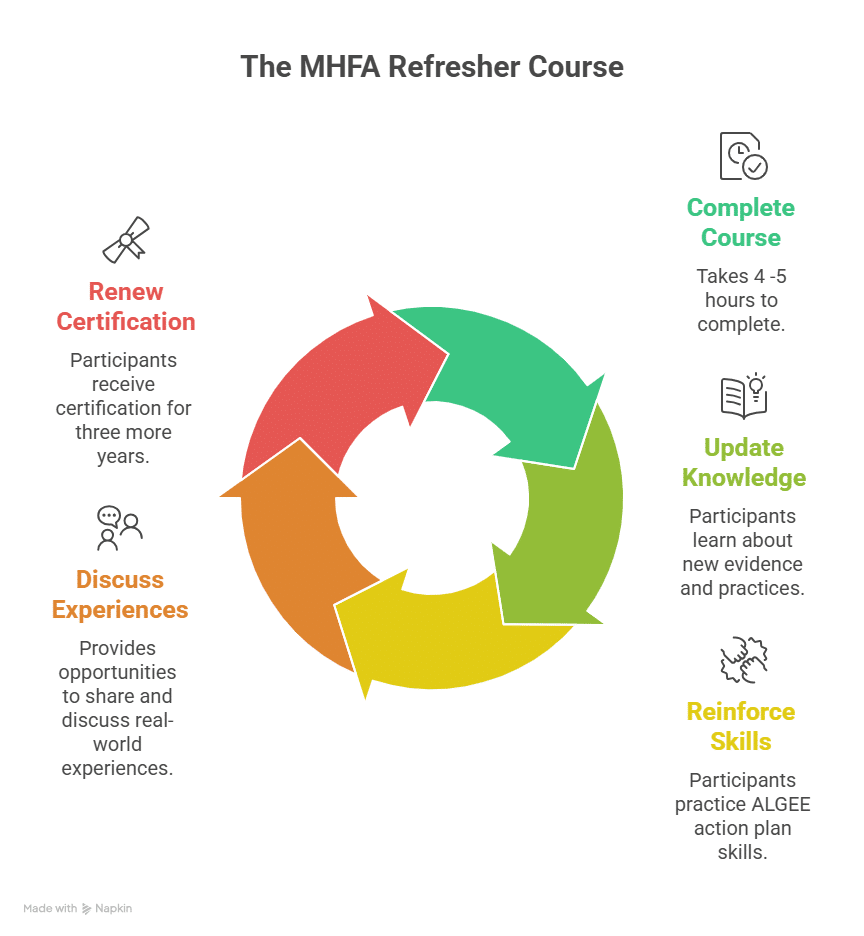
Mental health first aid certification remains valid for three years from course completion. To maintain current accredited status, mental health first aiders should complete a refresher course before their certification expires.
Ongoing Professional Development
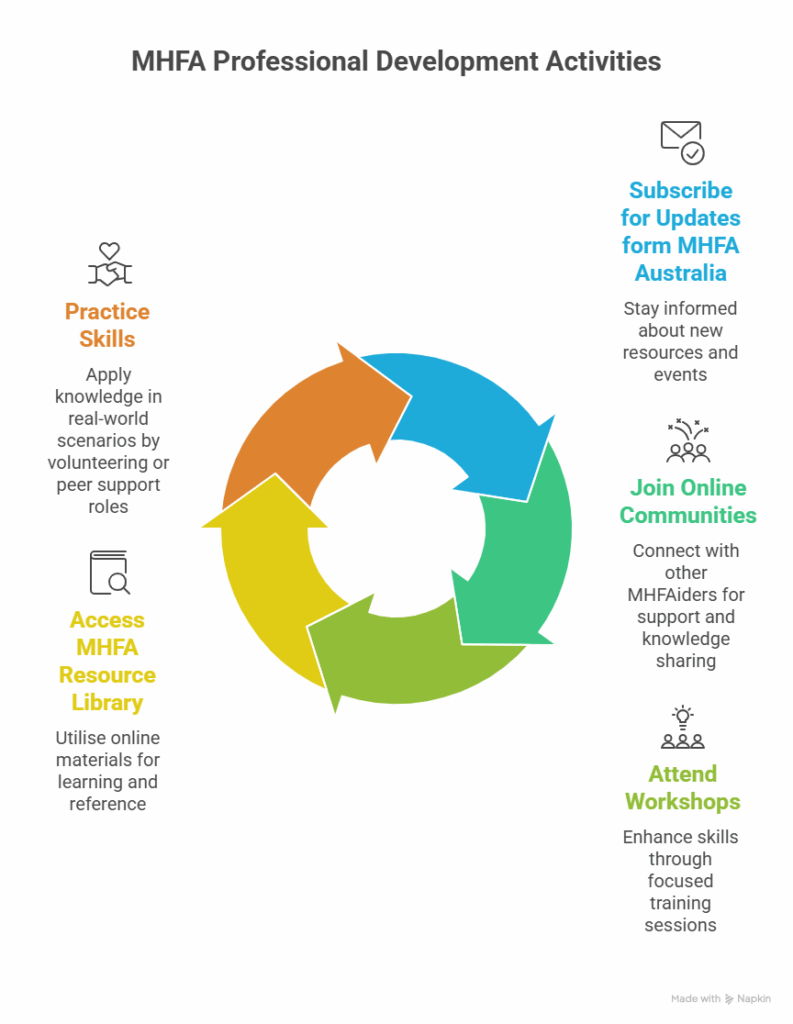
Beyond formal refresher training, mental health first aiders can maintain and enhance their skills through:
When to Seek Professional Help
An essential part of mental health training involves understanding the limits of first aid and knowing when to encourage appropriate professional help. Mental health first aiders should always:
- Recognise that first aid is temporary support, not treatment
- Connect people with professional mental health services for ongoing support
- Understand that some situations require immediate professional intervention
- Know local crisis services and how to access them quickly
- Practice self-care and seek support when needed
Knowledge Test Quiz
Test your understanding of mental health first aid concepts.
1. What does the “A” in ALGEE stand for?
2. How long is mental health first aid certification valid?
3. Which of the following is NOT a role of a mental health first aider?
4. When should you ask someone directly about suicide?
5. Mental health first aid training teaches you to:
Finding the Right MHFA Course Provider
Choosing Accredited Training
When selecting a mental health first aid training provider, ensure they meet these essential criteria:
- Courses delivered by licensed MHFA instructors with current credentials
- Nationally recognised certification upon completion
- Comprehensive course materials including participant manual
- Positive reviews from previous participants
- Clear information about course content and assessment requirements
- Ongoing support and resources for graduates
First Aid Pro meets all these standards and offers:
- Experienced, passionate instructors
- Multiple locations across Australia
- Flexible scheduling including weekend options
- Modern, comfortable training facilities
- Outstanding customer service and support
- Competitive pricing with transparent costs
Workplace Training Options
Contact First Aid Pro to discuss workplace training packages and how to develop a comprehensive mental health strategy for your organisation.
The Future of Mental Health First Aid in Australia
Growing Recognition and Adoption
Mental health first aid training continues expanding across Australian workplaces, schools, and communities. Governments at federal and state levels increasingly recognise MHFA as a key component of mental health strategy, with funding programs supporting wider access to training.
Many industries now encourage or require designated mental health first aiders, similar to traditional first aid officer requirements. This trend reflects growing understanding that psychological safety is as important as physical safety in creating healthy, productive environments.
Innovation in Training Delivery
Mental Health First Aid Australia continues developing new resources and delivery methods to increase accessibility:
- Enhanced elearning platforms with interactive scenarios
- Virtual reality simulations for practicing crisis response
- Mobile apps providing quick reference guides for first aiders
- Specialised courses addressing emerging mental health concerns
- Integration of cultural safety principles across all training
Your Role in the Movement
Every person who completes mental health first aid training contributes to a more mentally healthy Australia. By gaining the skills and knowledge to support people experiencing mental health difficulties, you join a growing network of MHFAiders making genuine differences in their communities.
Whether you provide mental health first aid to one person or many, whether in a workplace, family, or community setting, your training equips you to respond with confidence when someone needs support.
Don’t wait to make a difference. Enrol in a nationally recognised Mental Health First Aid course with First Aid Pro and gain the confidence to support someone experiencing mental health challenges. Explore training pathways today and join the movement creating a mentally healthier Australia.
References
- Mental Health First Aid Australia. (2024). About Mental Health First Aid. https://mhfa.com.au
- Mental Health Australia: website
- Australian Bureau of Statistics. (2023). National Study of Mental Health and Wellbeing. ABS, Canberra.
- Beyond Blue. (2024). Mental Health in the Workplace. https://www.beyondblue.org.au
- Safe Work Australia. (2023). Work-Related Psychological Health and Safety: A Systematic Approach. SWA, Canberra.
- Kitchener, B.A., & Jorm, A.F. (2002). Mental health first aid training for the public: evaluation of effects on knowledge, attitudes and helping behaviour. BMC Psychiatry, 2(10).
- Black Dog Institute. (2024). Workplace Mental Health Resources. https://www.blackdoginstitute.org.au
- Headspace. (2024). Youth Mental Health First Aid. https://headspace.org.au
- Lifeline Australia. (2024). Crisis Support and Suicide Prevention Services. https://www.lifeline.org.au