



Sharon has 21+ years of experience as a qualified Emergency Care Nurse registered with the Australian Health Practitioner Regulation Agency (APHRA) and 12+ years as a First Aid Trainer.
She takes pride in FirstAidPro making first aid training available, comprehensive and affordable to everybody.
Bandages are an essential part of first aid. They’re the most valuable tool when it comes to most medical emergencies, especially managing wounds and cuts. They’re a must have for any first aid kit. But for a bandage to be effective and work properly, it must be applied correctly by someone with the skill and knowhow to do so.
There are many different types of bandages, and each variety is made with a specific purpose or use in mind. Some are designed for specific types of injuries, such as a soft tissue injury, and others are meant to be used only on specific body parts. Different bandages are also made from different materials. Using the wrong bandage in the wrong situation means at best that it won’t work as well as it should, and at worst it can negatively affect the body’s healing process.
Having bandages stocked at home, at work, or in any first aid kit is a great place to start. But knowing the different kinds of bandages and when to use each one is an even better next step.
Defining the Bandage
The concept of what a bandage is might seem incredibly straightforward. However, bandages are often mistaken for dressings, and the two terms are commonly used interchangeably, though this is not correct. Confusing a bandage for a dressing is a bad start if you’re trying to lend age in a medical emergency.
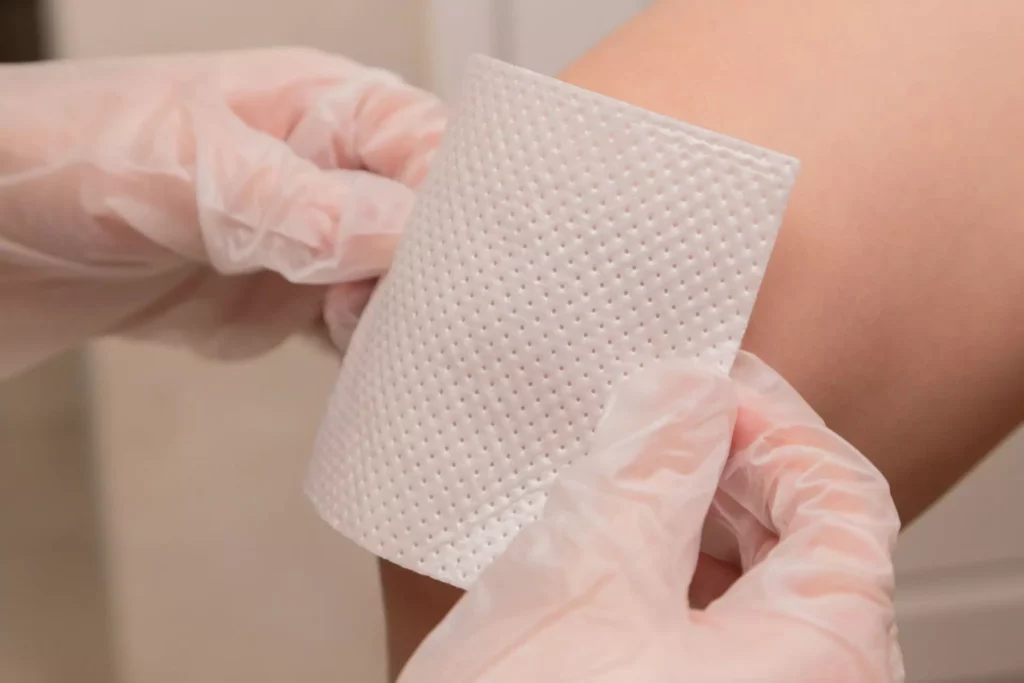
Fortunately, the difference between the two is very easy to remember. A dressing is the primary layer of material placed directly on a wound, while a bandage is the soft piece of material which is used to hold the dressing in place against the wound.
However, the definition of a bandage runs even deeper than that, and there’s no such thing as a “normal” bandage. As there are several different types of bandages and each one has its own specific use. Some are meant to keep a body part still during the healing process, while others are meant to help stem bleeding and haemorrhages.
The 4 Main Varieties of Bandages
There are a lot more than just four types of bandages, however many of these are limited in their use and access to people working in the medical profession. When it comes to bandages commonly used for first aid however, there are four main types that are most commonly found in first aid kits and which are the most effective at handling everyday medical emergencies.
Roller Bandages
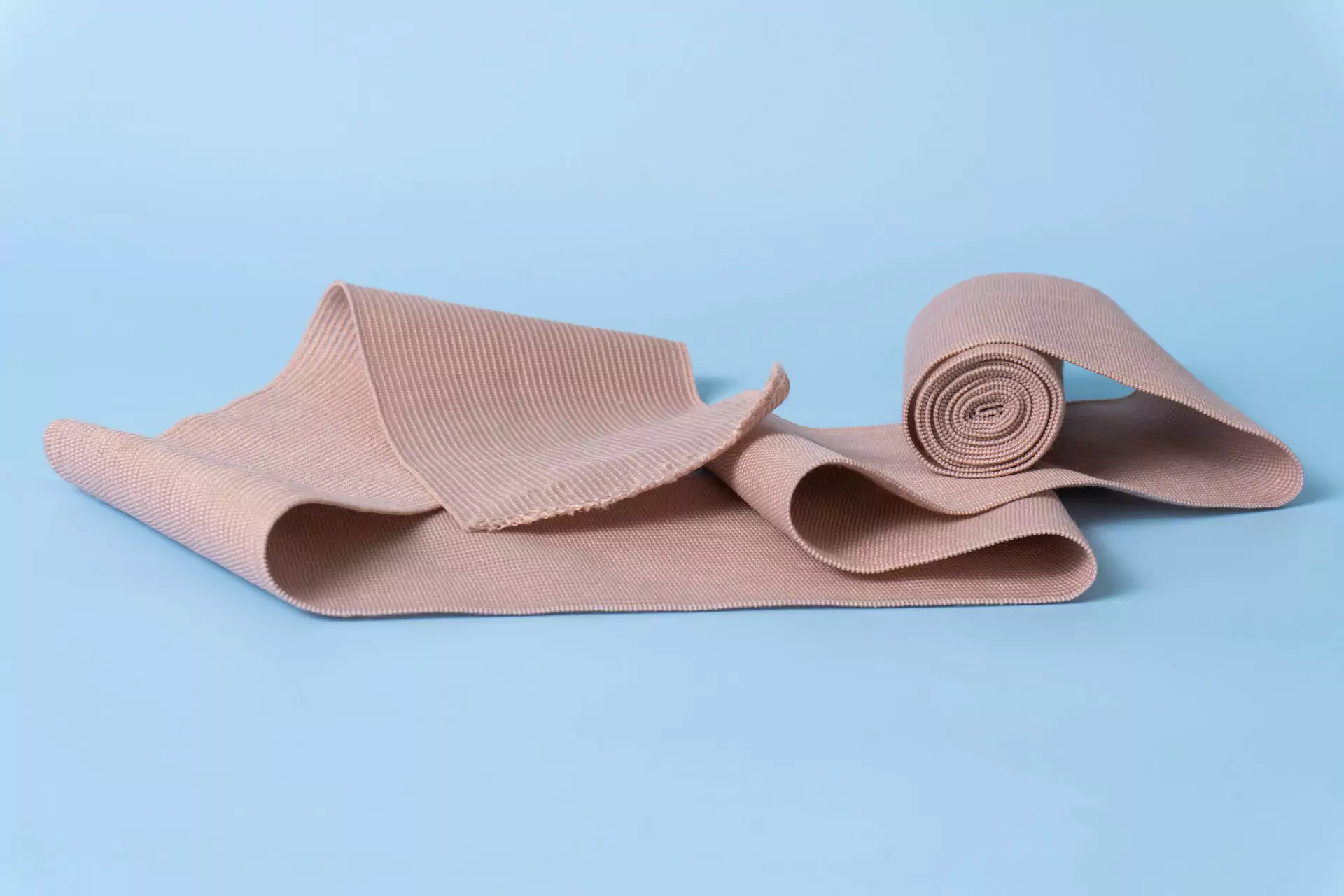
A roller bandage, also known as gauze bandage, is the most common type of bandage and is probably what you imagine when you think of the word. They’re also the most versatile style of bandage, and their use is applicable to most injuries. Using a roller bandage depends on the injury in question. However, the most common way to use gauze bandages is to support a dressing against a wound or injury. To do so, wrap the bandage securely around the dressing from the bottom up.
Triangular Bandages
A triangle bandage, also known as a cravat bandage, is probably what you imagine when you think of a sling. Though this is not their only use, it is certainly what they’re most commonly used for. To create an arm sling from a triangular bandage, hold the victim’s injured arm across their chest, put the bandage under the arm before tying it around their neck. Adjust the length and tightness of the bandage as necessary by using tape or safety pins.
Tube Bandages
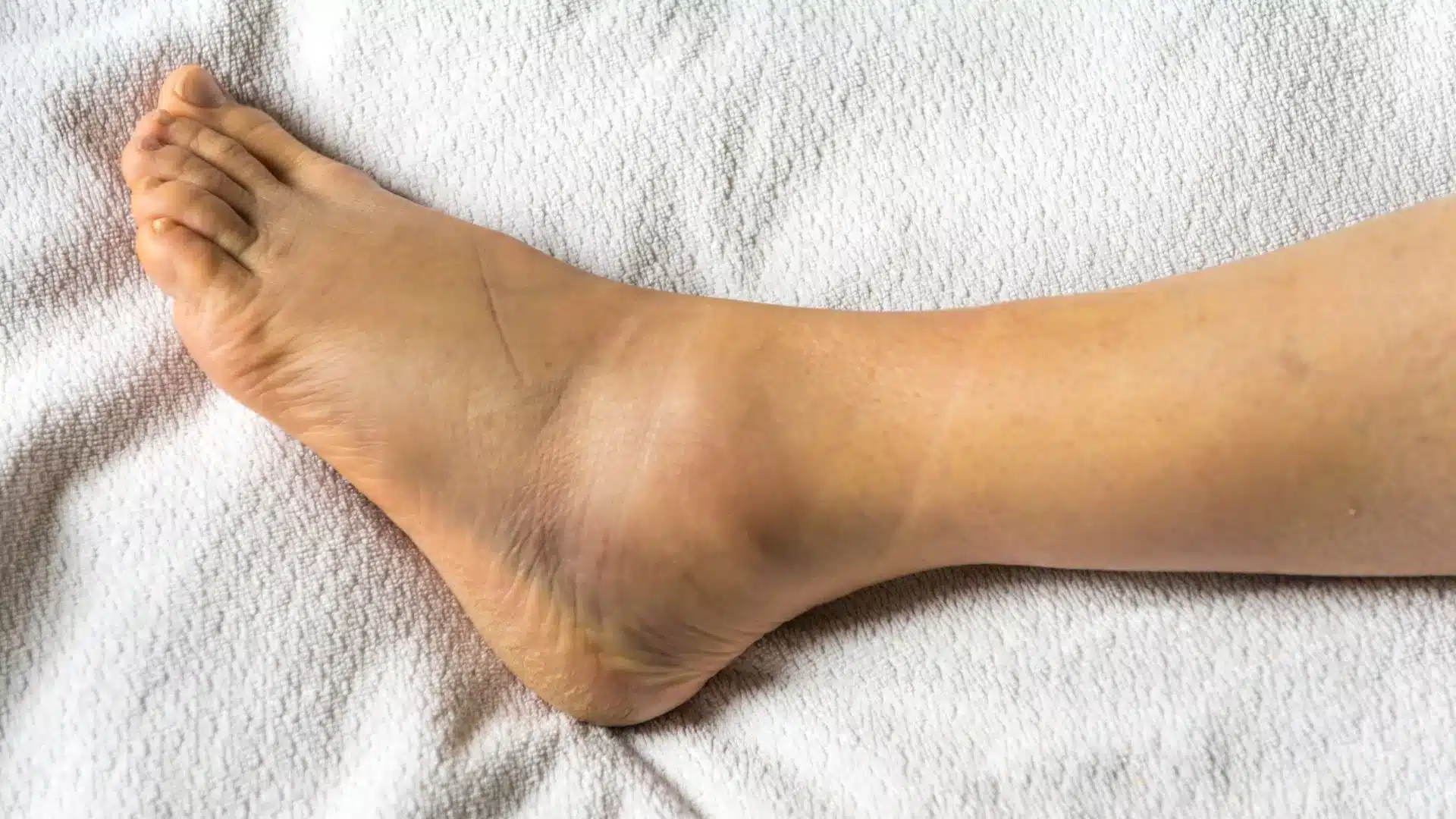
A tubular bandage is, as its name suggests, tube shaped. Made from elastic gauze, they are most commonly seen slipped over people’s joints to help stabilise a sprain. Though they may be the least versatile style of bandage, they’re ideal for this specific task and they’re the simplest to use. To apply a tube bandage simply slide it over the affected joint.
Compression Bandages
A compression bandage, like a tube bandage, is made from an elastic material and is most commonly applied to sprained or strained limbs and joints. They also come in two varieties: short stretch compression bandages, and long stretch compression bandages. Rather than holding a dressing in place, a compression bandage is designed to apply a gentle, yet very high resting pressure to the site of an injury, reducing swelling and improving the healing process. To apply compression bandages, wrap it tightly (but not too tight) around the affected limb, working from the inside outward.
No Matter the Bandage, One Thing is Always the Same
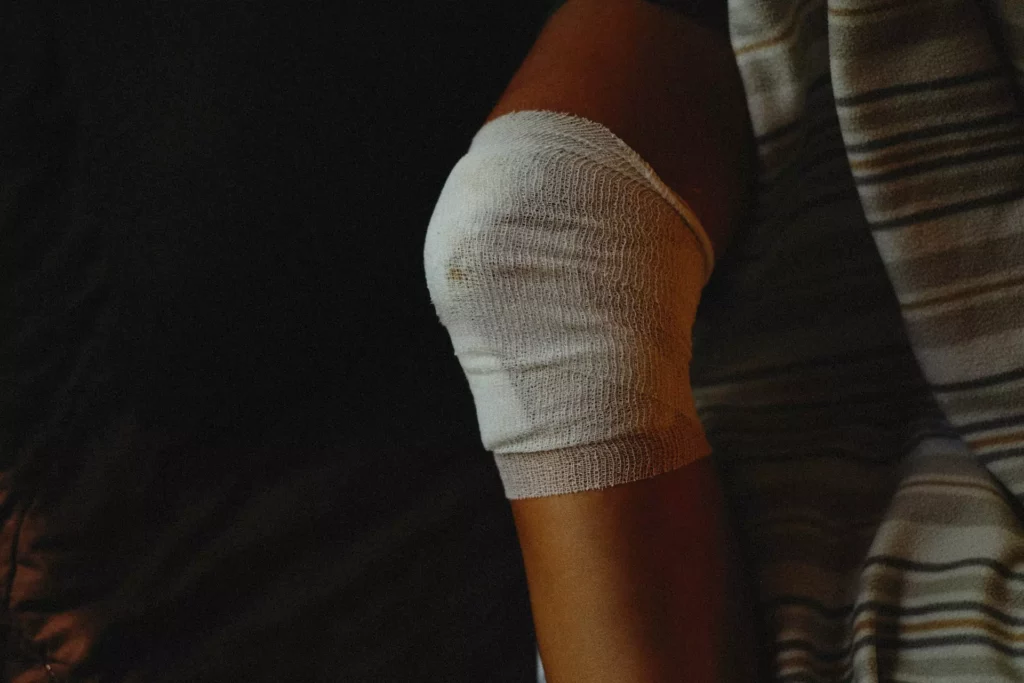
Once a bandage has been affixed over a wound, one thing that’s always important to do is to double check that it hasn’t been wrapped too tightly. If it has, the bandage could be cutting off circulation to the affected area and be impeding the healing process. The way to check this is incredibly simple. All you need to do is press down on the person’s skin on the side of the wrapping away from the person’s heart. If the bandage has been wrapped correctly, the skin should briefly turn pale before quickly regaining its natural colour. If the paleness persists, then loosen the bandage or take it off completely before trying to reapply it once again. If paleness continues to return to the victim’s skin, seek immediate professional medical attention.
The Best Time to Use a Bandage
Knowing when to use a bandage is crucial for wound management. In everyday situations, it is important to apply a bandage to minor cuts, scrapes, strains, sprains, or abrasions that break the skin, or to support soft tissue injuries. These are all fairly straightforward injuries, and bandages are straightforward healthcare tools, but there’s so much more they can help with, including wound management in extreme scenarios.
While taking a basic first aid course to learn about correct and proper bandage use is a great start and a great way to learn how to manage everyday injuries, what about those injuries that aren’t so everyday? What do you do then? Advanced first aid training covers a wider range of bandages, and more dire situations in which they’re used. And what about if you’re out hiking and don’t have access to bandages at all when an injury occurs? Wilderness first aid training can help teach you what to do in a pinch.
So while bandages are easy to use and simple to understand, the way to use them properly and the range of situations that they can help in are much more vast than you might think at first. Reading is a great start, but the key to really getting to know what to do is to take a first aid course. Injuries and accidents can occur at any time and without warning, so don’t wait and sign up today!