



Sharon has 21+ years of experience as a qualified Emergency Care Nurse registered with the Australian Health Practitioner Regulation Agency (APHRA) and 12+ years as a First Aid Trainer.
She takes pride in FirstAidPro making first aid training available, comprehensive and affordable to everybody.
PUAFER006 – Lead an Emergency Control Organisation is the nationally recognised unit of competency designed to prepare learners to become a Chief Fire Warden, able to take charge during emergencies in Australian workplaces. In accordance with AS 3745–2010 Planning for Emergencies in Facilities, the course equips participants with the skills and knowledge to manage an Emergency Control Organisation (ECO), oversee evacuations, communicate with emergency services, and ensure workplace safety and compliance.
Whether you work in an office, warehouse, retail space, healthcare facility, or educational institution, emergencies such as fire, gas leaks, or medical incidents can occur at any time. Having trained Chief Wardens in place is not just a compliance requirement; it is essential to protecting lives and property.
Enrol today in a nationally recognised PUAFER006 Chief Fire Warden course with First Aid Pro and make sure your workplace is prepared for any emergency.
Key Takeaways
- PUAFER006 is the nationally recognised Chief Fire Warden training course in Australia.
- It prepares wardens to lead an Emergency Control Organisation effectively.
- Chief Wardens are responsible for pre-planning, leading responses, and post-incident reporting.
- Compliance with AS 3745–2010 requires ECOs, drills, and trained Chief Wardens.
- Training builds confidence to manage emergencies and liaise with emergency services.
What is the PUAFER006 Chief Fire Warden Course?
The PUAFER006 Lead an Emergency Control Organisation course is a formal unit of competency within the Public Safety Training Package. It focuses on developing the ability to command, coordinate, and lead workplace emergency responses.
Unlike general fire warden training, PUAFER006 is specifically designed for those appointed as Chief Fire Wardens or Deputy Chief Wardens. It teaches participants how to:
- Assess facility emergency situations and determine the safest course of action.
- Give clear instructions to members of the ECO and building occupants.
- Coordinate evacuations, lockdowns, or shelter-in-place procedures.
- Liaise directly with emergency services and hand over control when required.
- Compile reports for the Emergency Planning Committee (EPC) following incidents.
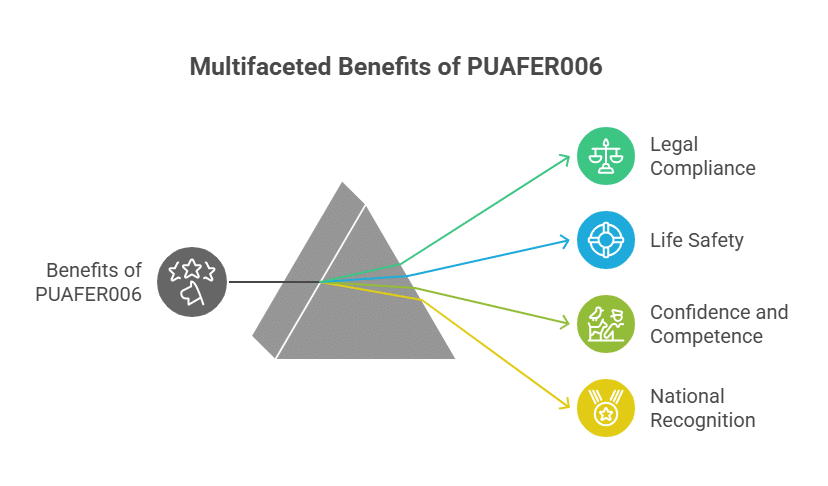
On successful completion, learners receive a Statement of Attainment that is recognised nationally, providing evidence they have the skills and knowledge required to lead members of an emergency control organisation effectively.
Why Workplaces Need PUAFER006 Certification
Australian workplaces are legally required under WHS legislation to provide a safe environment for staff, contractors, and visitors. This includes developing and practising emergency plans. By training Chief Wardens through PUAFER006, organisations can ensure there is a competent leader available to take charge during emergencies, implement emergency plans, and make decisions that protect lives.
Understanding the Emergency Control Organisation
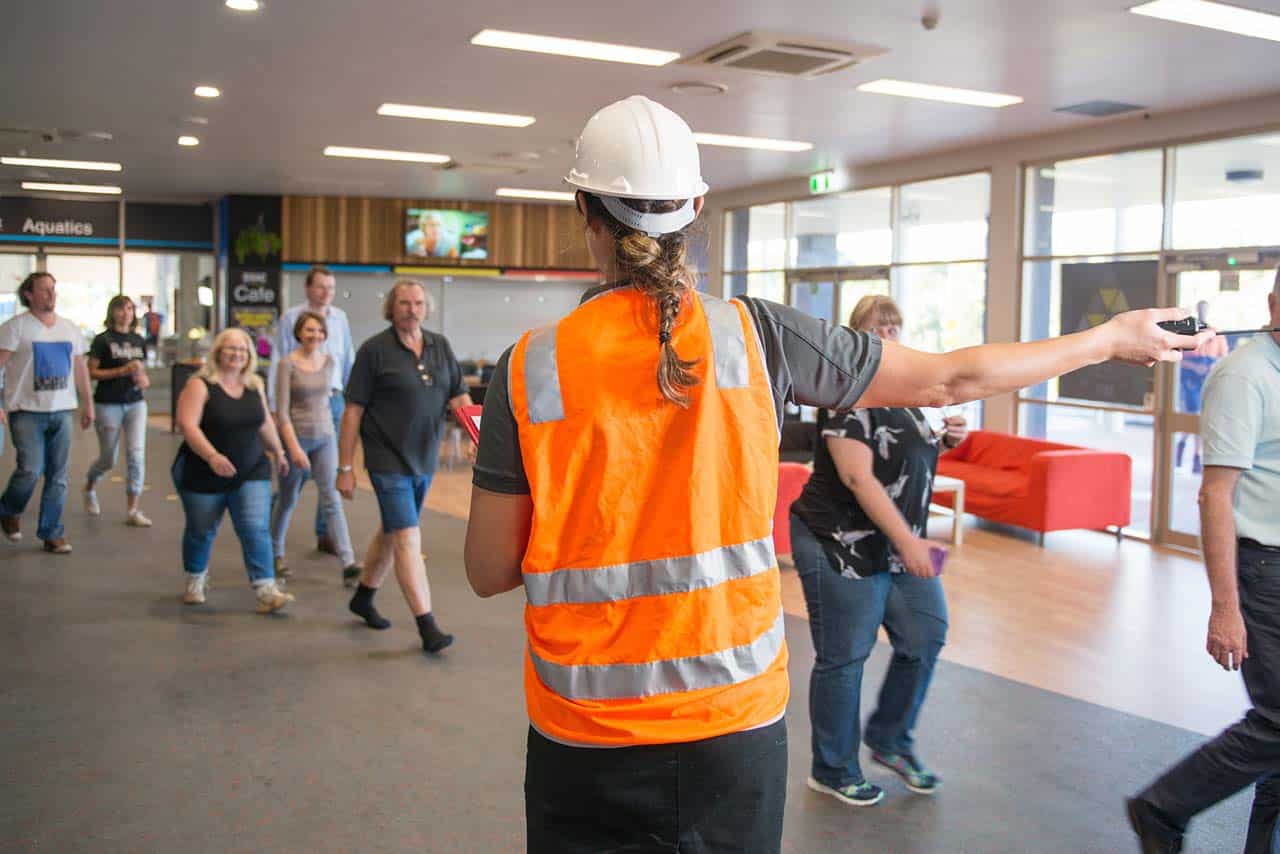
An Emergency Control Organisation (ECO) is the team of people responsible for managing a workplace emergency in accordance with the facility’s emergency plan. Each ECO is structured to ensure that every area of the workplace is covered, communication flows effectively, and all occupants are guided to safety.
Roles Within an ECO
The ECO is usually made up of:
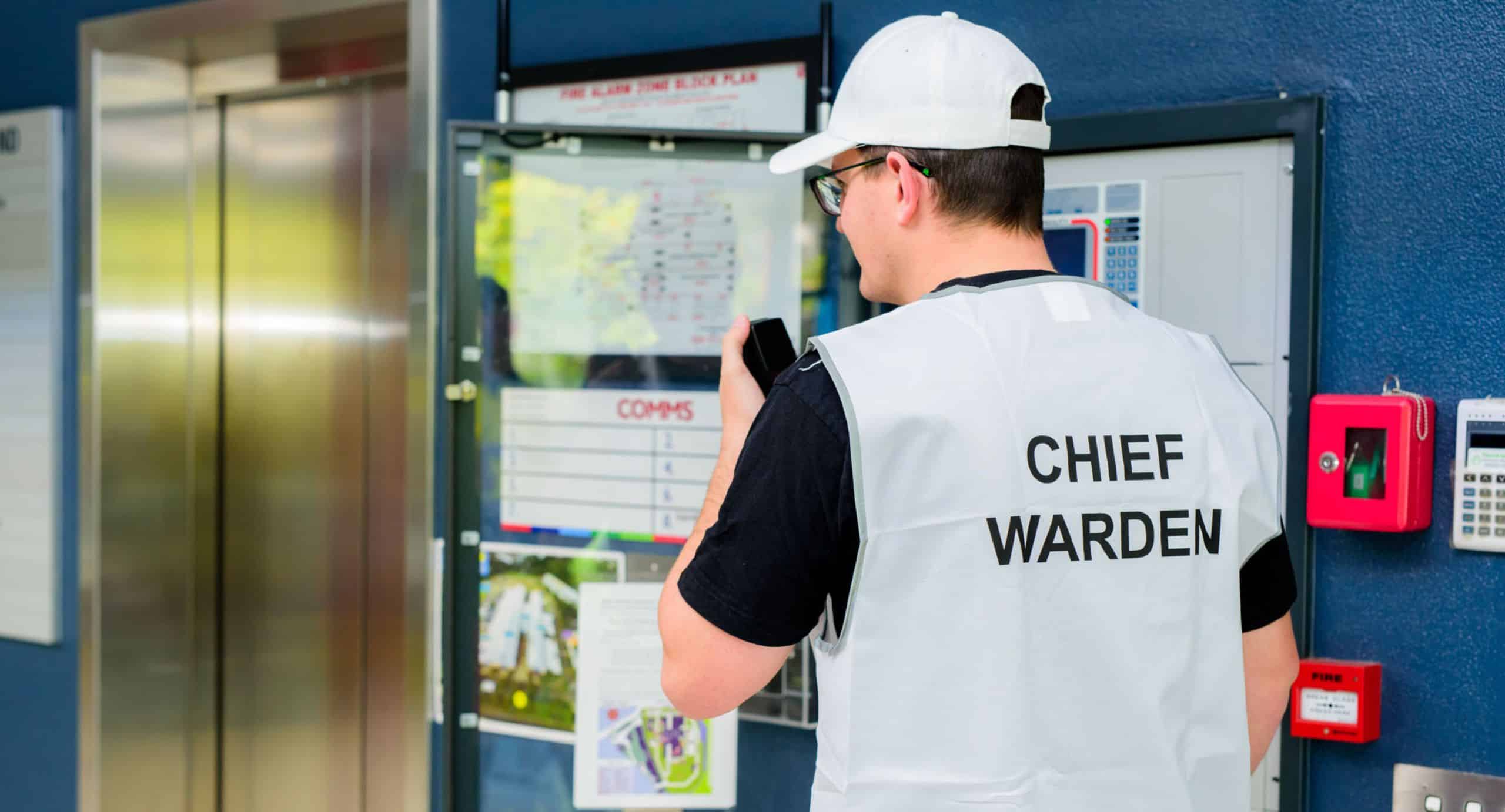
- Chief Warden / Chief Fire Warden – responsible for overall leadership and decision-making.
- Deputy Chief Warden – supports the Chief and may assume leadership if necessary.
- Communications Officer – operates alarms, phones, or radios, and relays instructions.
- Floor or Area Wardens – direct staff and visitors, check work areas, and report to the Chief.
Emergency Control Organisation (ECO) – Structure
Chief Warden /Chief Fire Warden Leads ECO
Assesses emergencies, sets the priority order for responding, gives instructions to wardens and occupants, monitors control indicator equipment (e.g., FIPs), and acts as primary liaison with emergency services until control is formally returned to the building owner.
Deputy Chief Warden Second-in-command
Supports the Chief Warden, coordinates designated areas, and assumes control if the Chief Warden is unavailable. Ensures emergency stations are attended and resources are positioned according to the facility emergency plan.
Communications Officer Controls comms
Operates public address systems, radios and alarms, relays Chief Warden instructions, and keeps others informed throughout the emergency in accordance with the facility emergency plan and AS 3745.
Floor / Area Wardens Frontline guidance
Direct staff and visitors to safe assembly areas, check spaces are cleared, report status to the Chief Warden, and support evacuation, shelter-in-place, or lockdown as instructed. Escalate hazards immediately to the ECO.
This structured approach ensures every member of the ECO has defined tasks, reducing confusion during high-pressure situations.

Responsibilities of the Chief Fire Warden
The Chief Fire Warden has ultimate responsibility for the ECO and is expected to:
- Assess the nature of an incident quickly and accurately.
- Decide whether to evacuate, lockdown, or shelter-in-place.
- Provide clear instructions to wardens and occupants.
- Ensure emergency stations are attended and equipment such as fire indicator panels (FIPs) are monitored.
- Brief attending emergency services and hand over control.
- Ensure that a post-incident report is submitted to the EPC.
In short, the Chief Warden is responsible for the command, control and coordination of all emergency actions.
Chief Fire Warden Training in Australia
What the PUAFER006 Course Covers
Let’s look a little deeper now into just what accredited chief fire warden training entails. The PUAFER006 course—Lead an Emergency Control Organisation—covers the essential skills and knowledge needed to command, control, and coordinate a workplace emergency response in roles such as Chief Warden and Chief Fire Warden.
Key Areas Covered
Emergency Planning and Preparation
- Undertaking pre-emergency planning for various workplace emergencies, including fires, bomb threats, and chemical incidents.
- Ensuring compliance with Australian Standards (AS3745) and workplace safety regulations.
Emergency Response Leadership
- Commanding and directing wardens and emergency teams during incidents.
- Prioritising actions and making critical decisions about people’s safety in emergencies.
- Coordinating and managing evacuations, including use of alarms and communication systems.

Communication and Liaison
- Communicating effectively with emergency services and site management before, during, and after emergencies.
- Providing briefings to emergency services and staff.
Post-Emergency Actions
- Conducting debriefs, compiling incident reports, and reviewing emergency responses for continual improvement.
Practical Skills and Assessment
- Leading realistic scenario-based drills and exercises in the workplace.
- Completing practical assessments and written evaluations on emergency plans, evacuations, and documentation.
This training is intended for those responsible for overseeing emergency control organisations in workplaces—such as offices, factories, schools, and institutions—where decisive, compliant, and effective emergency leadership is required. By the end of the course, participants have the confidence to lead workplace emergency responses in accordance with the facility emergency plan.
Book your PUAFER006 Chief Fire Warden training with First Aid Pro today and meet your WHS and AS 3745 obligations.
Leading an Emergency Control Organisation in Practice
Pre-Emergency Planning and Drills
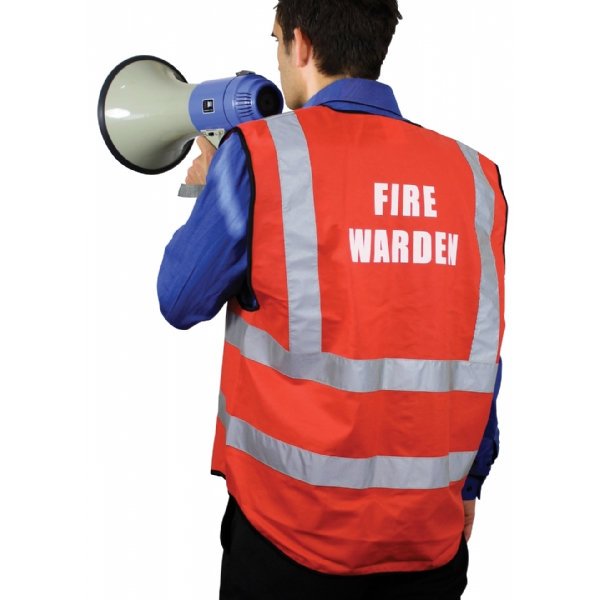
An effective Chief Warden / Chief Fire Warden ensures that all members of the ECO are familiar with their roles before an incident occurs. This includes organising drills, ensuring emergency equipment is functional, and updating the facility emergency plan when needed.
Command, Control and Coordination
During an emergency, the ability of the Chief Fire Warden ability to stay calm and communicate clearly can make the difference between chaos and order. They must provide instructions on the priority order for responding, ensure wardens are in place, and monitor the progress of evacuations.
Liaison with Emergency Services
As mentioned earlier, one of the most critical tasks of a Chief Warden is acting as the primary liaison with emergency services. They must brief fire, police, or ambulance crews on arrival, providing accurate details about the emergency, building layout, and any occupants still inside. Control of the incident is only returned to the organisation once emergency services are satisfied that the hazard has been resolved.
Workplace Emergency Procedures
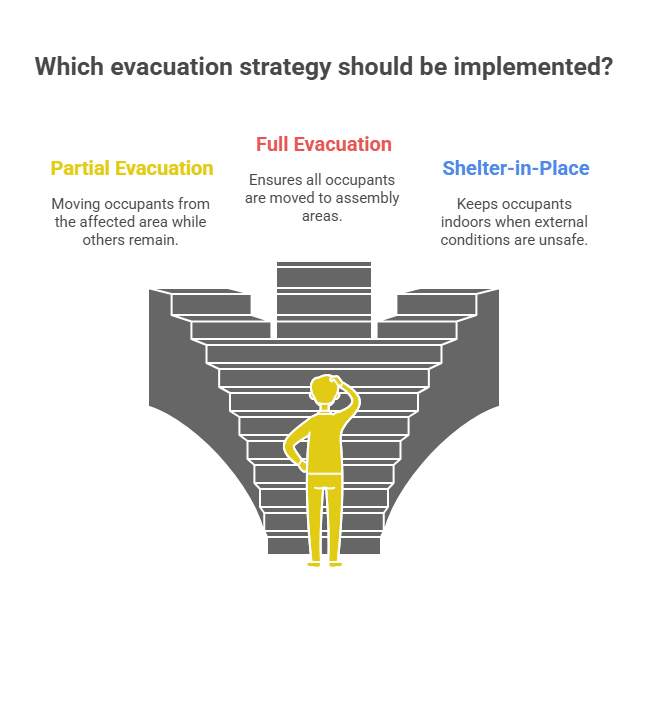
Partial vs Full Evacuation and Shelter-in-Place
Not every emergency requires a full building evacuation. PUAFER006 training teaches Chief Wardens / Chief Fire Wardens to assess situations and choose the most appropriate response:
Managing Emergency Signals and Equipment
Chief Wardens must understand the meaning of emergency signals and alarms, operate fire indicator panels, and coordinate the use of emergency systems. This technical knowledge is vital for ensuring correct responses and keeping occupants safe.
Reporting to the Emergency Planning Committee
Once the incident is concluded, Chief Wardens compile reports that are presented to the EPC. These reports highlight what occurred, what actions were taken, and what improvements can be made. This continuous cycle of review ensures workplaces are always improving their emergency readiness.
Why PUAFER006 Training is Essential for Safety & Compliance
Workplace emergencies are unpredictable, but preparation is not optional. Chief Fire Warden training provides the skills to lead and coordinate effective emergency responses, ensuring safety and compliance.
Compliance with AS 3745–2010
Australian Standard AS 3745–2010 Planning for Emergencies in Facilities outlines the minimum requirements for emergency planning in workplaces. It requires that:
- ECOs are established with clearly defined roles.
- Chief Wardens / Chief Fire Wardens receive formal training in PUAFER006.
- Evacuation drills are conducted at least every six months.
- Refresher training is undertaken annually.
Completing PUAFER006 not only ensures compliance but also demonstrates that an organisation is committed to safety and emergency preparedness.
Enrol in PUAFER006 Chief Fire Warden training with First Aid Pro now and take the lead in your workplace’s emergency safety.
References
Frequently Asked Questions
The chief fire warden is responsible for leading an emergency control organisation during a facility emergency. This includes managing emergency responses, coordinating with emergency services, and ensuring the safety of all occupants by implementing the facility emergency plan.
To become a chief fire warden, you are required to complete a chief fire warden training course that covers skills and knowledge required for managing emergency situations. This course typically includes understanding emergency plans, emergency signals, and the priority order for responding to emergencies.
The PUAFER006 unit of competency focuses on the skills needed to lead an emergency control organisation effectively. It provides training on how to manage emergency situations, lead emergency responses, and coordinate with deputy chief wardens and other members of an emergency control organisation.
The chief warden is responsible for taking the lead in emergency situations, ensuring that emergency plans are followed, giving instructions on the priority order for actions, and acting as the primary liaison with emergency services. They also manage the control and coordination of emergency actions and ensure that emergency stations are attended.
Preparation for workplace emergencies involves conducting regular training and drills, understanding the facility emergency plan, participating in the emergency planning committee and management, and ensuring that all staff are trained and familiar with their roles during an emergency. Regular reviews and updates of emergency plans are essential to adapt to any changes in the workplace environment.