



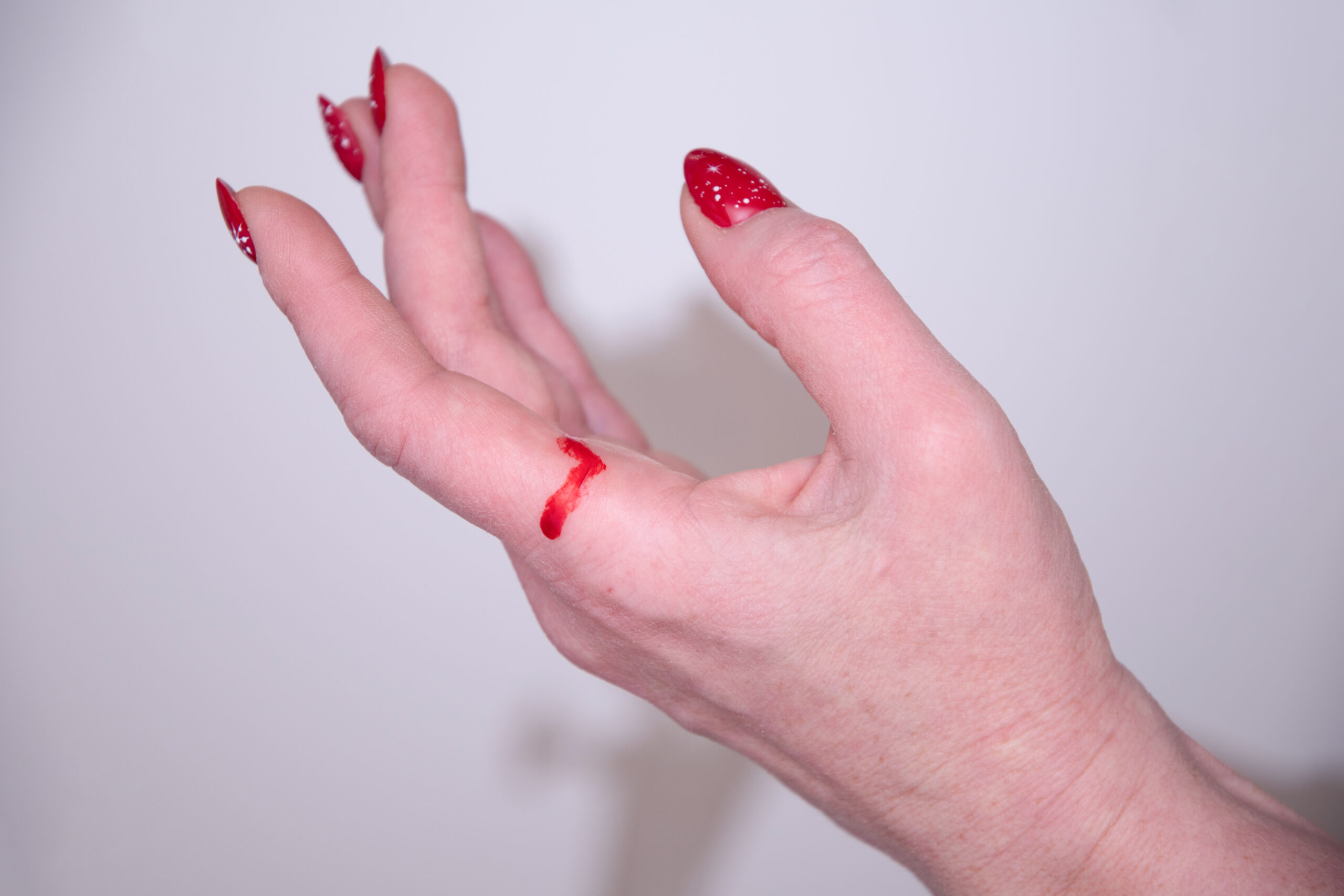
When you’re faced with a puncture wound, knowing how to treat it safely can mean the difference between quick healing and serious complications.
You’ll need to act swiftly and decisively, following a series of vital steps to minimise the risk of infection and promote proper healing.
From evaluating the wound’s severity to applying the right aftercare, each action you take plays a key role in the recovery process.
But there’s more to treating puncture wounds than meets the eye, and overlooking even one small detail could lead to unexpected consequences.
So, what are these essential steps, and how can you make sure you’re handling a puncture wound correctly?
Key Takeaways
- Assess the wound’s severity, location, and bleeding, seeking medical help for deep penetrations or persistent bleeding.
- Clean the wound thoroughly with water and mild soap, applying antiseptic solution to the surrounding area.
- Control bleeding by applying direct pressure with clean gauze for at least 15 minutes.
- Check for and carefully remove any visible foreign objects, seeking medical attention if necessary.
- Apply a sterile dressing, monitor for signs of infection, and consider tetanus vaccination if needed.
Assess the Wound
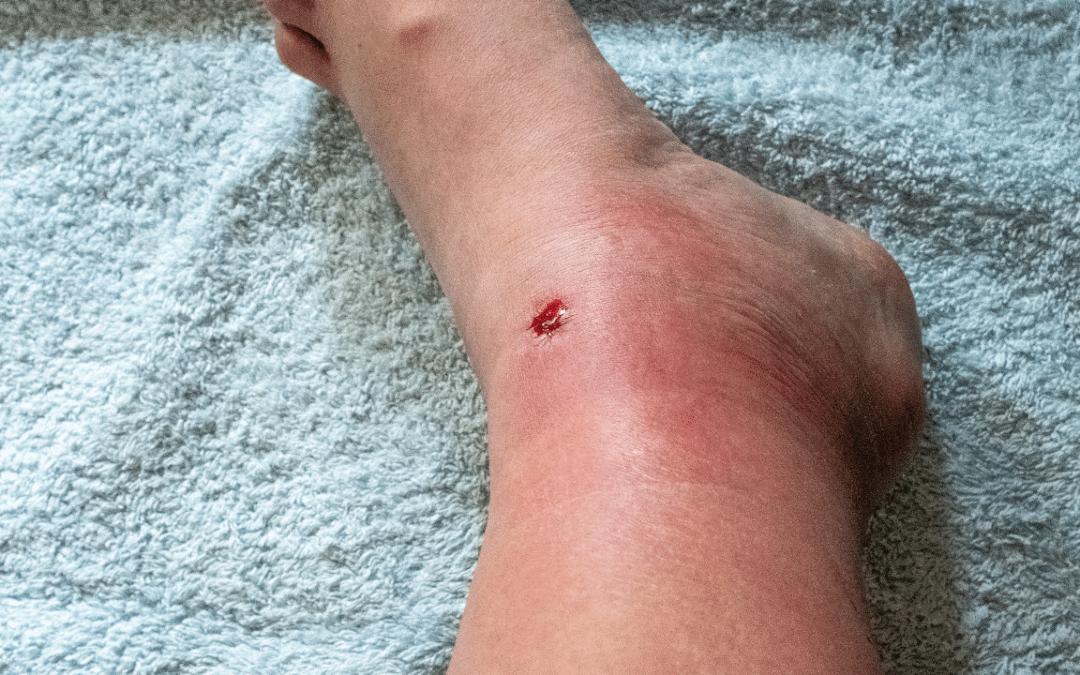
Begin by taking a close look at the puncture wound to determine its severity and location. Assess the depth, size, and cause of the injury. If it’s deep, wide, or caused by a rusty or dirty object, it’s likely more serious.
Check for any foreign objects still lodged in the wound, but don’t attempt to remove them yourself.
Next, evaluate the bleeding. If it’s profuse or doesn’t stop with gentle pressure, you’re dealing with a more severe wound. Pay attention to the wound’s location; injuries near joints or on the face may require immediate medical attention.
Clean the Affected Area
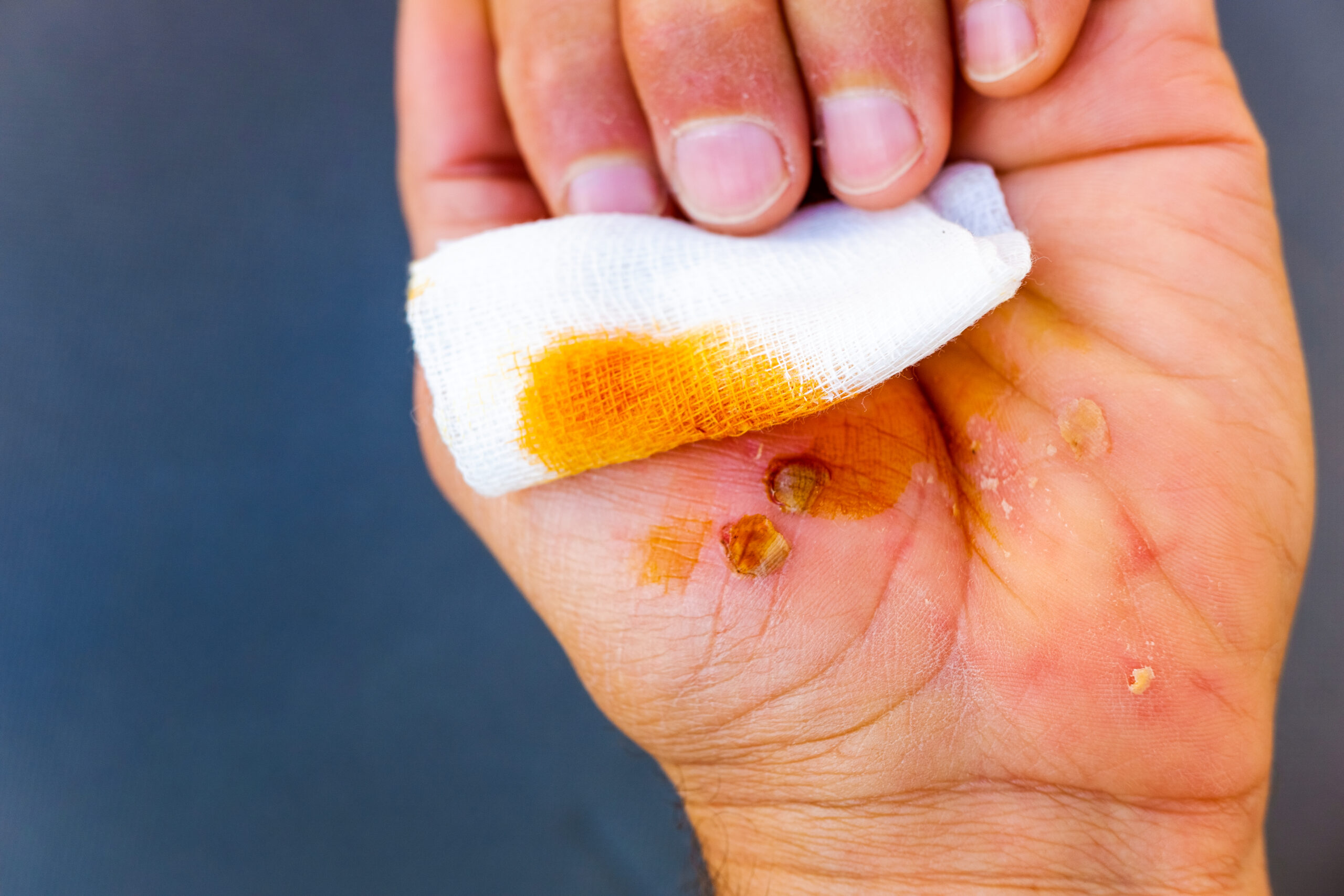
Before touching the wound, thoroughly wash your hands with soap and warm water for at least 20 seconds to prevent introducing additional bacteria. This step can’t be overstated in its significance for hand hygiene. Proper handwashing techniques are essential in reducing the risk of infection when treating puncture wounds.
To wash your hands effectively, start by wetting them with clean, running water. Apply soap and lather well, making sure to cover all surfaces, including between your fingers and under your nails. Scrub for at least 20 seconds – about the time it takes to hum the ‘Happy Birthday’ song twice. Rinse thoroughly under running water, then dry your hands using a clean towel or air dry them.
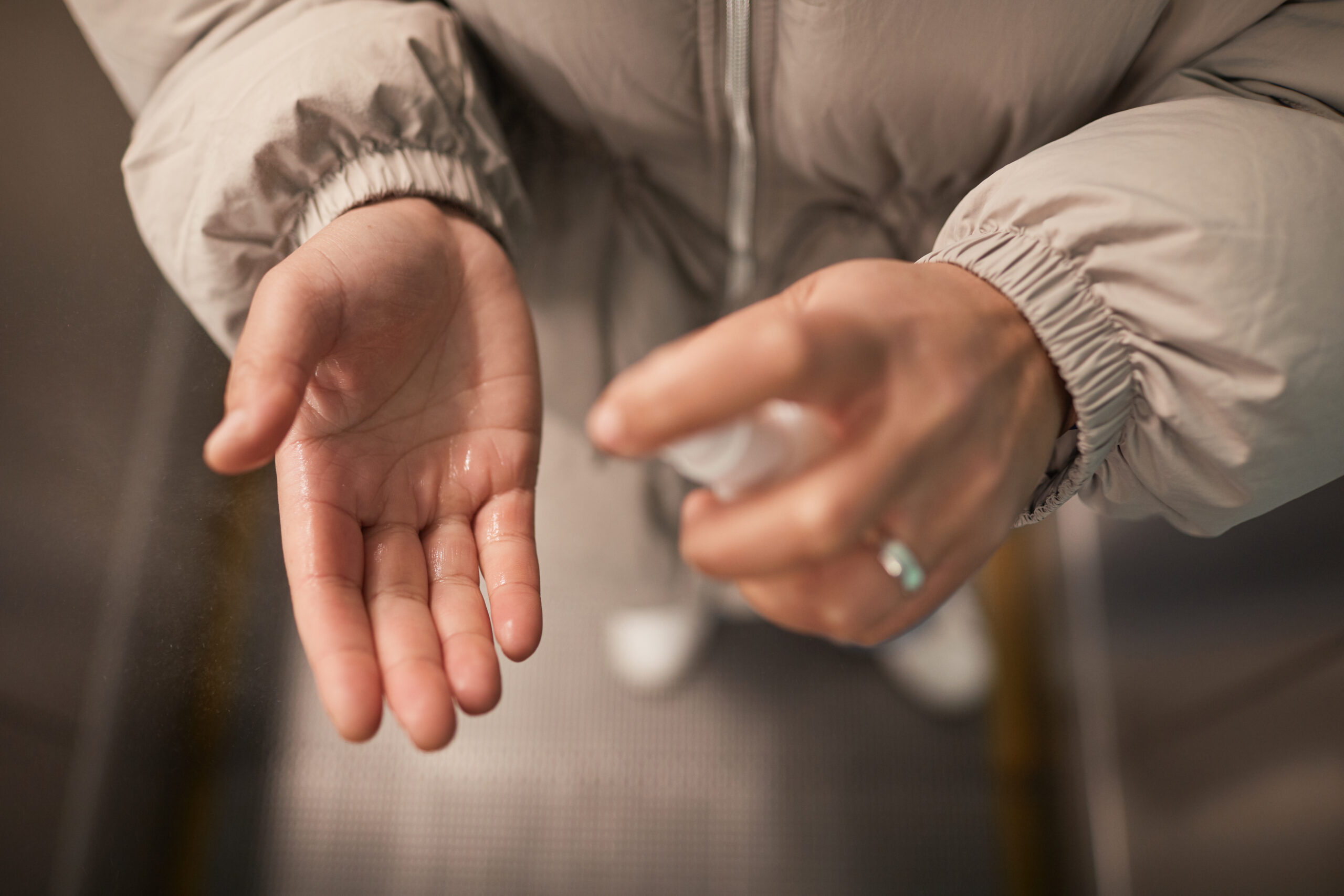
If soap and water aren’t available, use an alcohol-based hand sanitiser containing at least 60% alcohol. Apply the product to the palm of one hand and rub your hands together, covering all surfaces until they’re dry. Remember, while hand sanitisers can quickly reduce the number of microbes on hands, they don’t eliminate all types of germs. When treating puncture wounds, always prioritise soap and water if available.
Examine for Foreign Objects
Careful inspection of the wound is essential to identify any foreign objects that may have become lodged during the puncture. Various foreign object types can become trapped, including splinters, glass shards, or metal fragments. To effectively examine the wound, you’ll need to employ proper wound inspection techniques.
Here are three key steps to examine for foreign objects:
- Use magnification: A magnifying glass can help you spot small objects that might be missed by the naked eye.
- Probe gently: With clean tweezers, carefully feel for any resistance or hard spots within the wound.
- X-ray if necessary: For deep punctures or when you suspect metal objects, seek medical attention for an X-ray examination.
If you find a foreign object, don’t attempt to remove it yourself unless it’s clearly visible and easily accessible. Deep or embedded objects should be removed by a healthcare professional to prevent further damage.
Apply Antiseptic Solution
To effectively disinfect the wound, select an appropriate antiseptic solution like hydrogen peroxide, iodine, or rubbing alcohol. These antiseptic types are readily available and effective in preventing infection. When choosing your antiseptic, consider the wound’s location, depth, and your skin sensitivity.
Application methods vary depending on the antiseptic you’ve chosen. Here’s a general guide:
- Hydrogen peroxide: Pour directly onto the wound, let it bubble for a few seconds, then rinse with clean water.
- Iodine: Apply using a sterile cotton swab, covering the entire wound area. Allow it to dry before bandaging.
- Rubbing alcohol: Dab gently with a cotton ball, being careful not to saturate the wound.
Don’t use soap or hydrogen peroxide on open wounds regularly, as they can damage healing tissue. Instead, clean the wound with mild soap and water before applying your chosen antiseptic.
Don’t pour the antiseptic directly into the wound, as this can cause tissue damage and slow healing. Instead, work from the centre of the wound outward in a circular motion, ensuring you cover the entire affected area.
Pat the area dry with a clean, soft cloth after application. Remember, some stinging is normal, but if you experience severe pain or an allergic reaction, rinse the area immediately with clean water and seek medical attention.
Cover the Wound
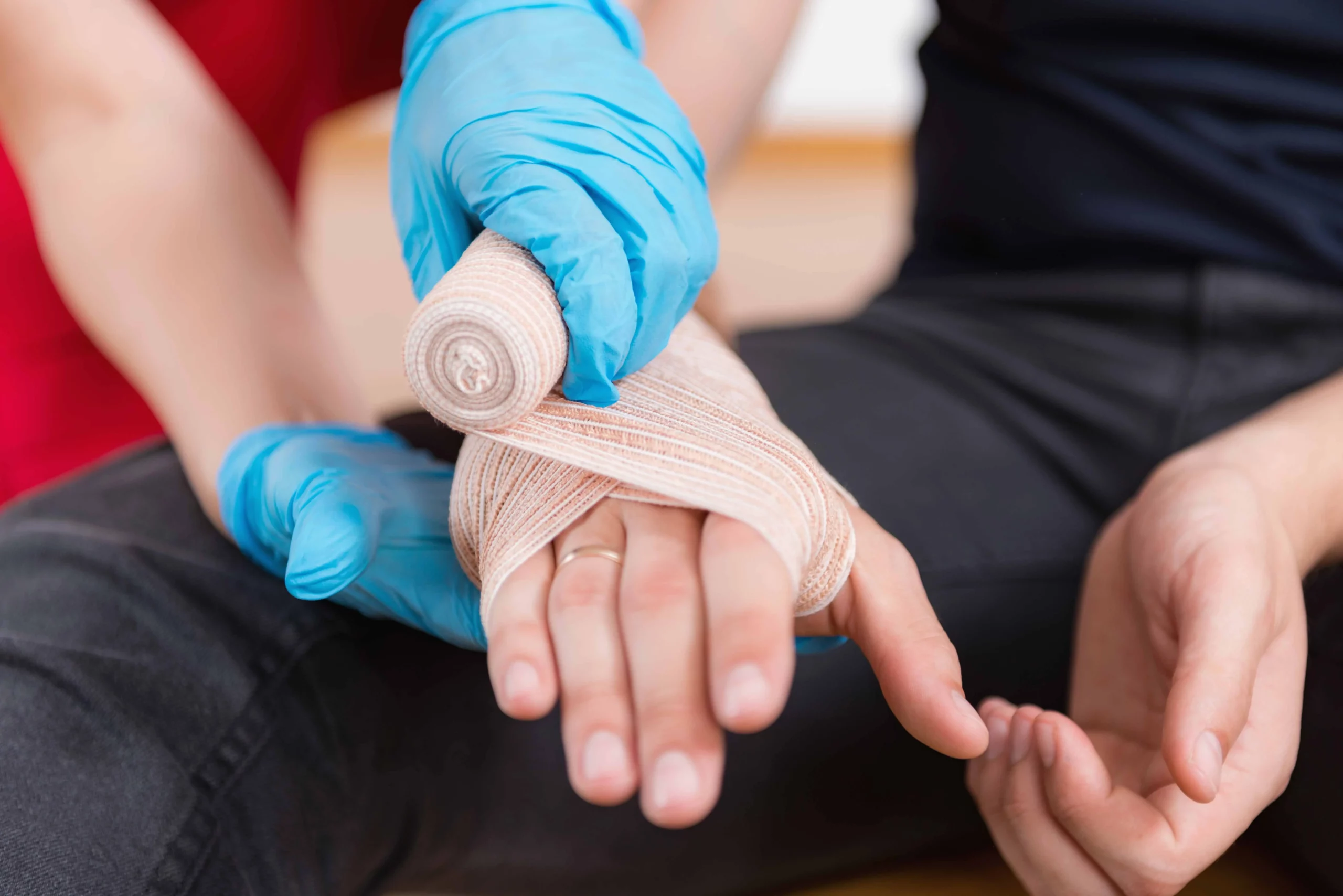
After cleaning the puncture wound, you’ll need to apply a sterile dressing to protect it from further contamination and promote healing.
Choose an appropriate wound dressing technique based on the size and location of the injury. For small punctures, a simple adhesive bandage may suffice. Larger wounds might require gauze pads or non-stick dressings.
When applying the dressing, make sure it completely covers the wound and extends slightly beyond its edges. This creates a protective barrier against dirt and bacteria. If using gauze, secure it with medical tape, taking care not to apply the tape directly to the wound. For hard-to-reach areas, consider using self-adherent wrap or tubular bandages.
Pain Management Techniques
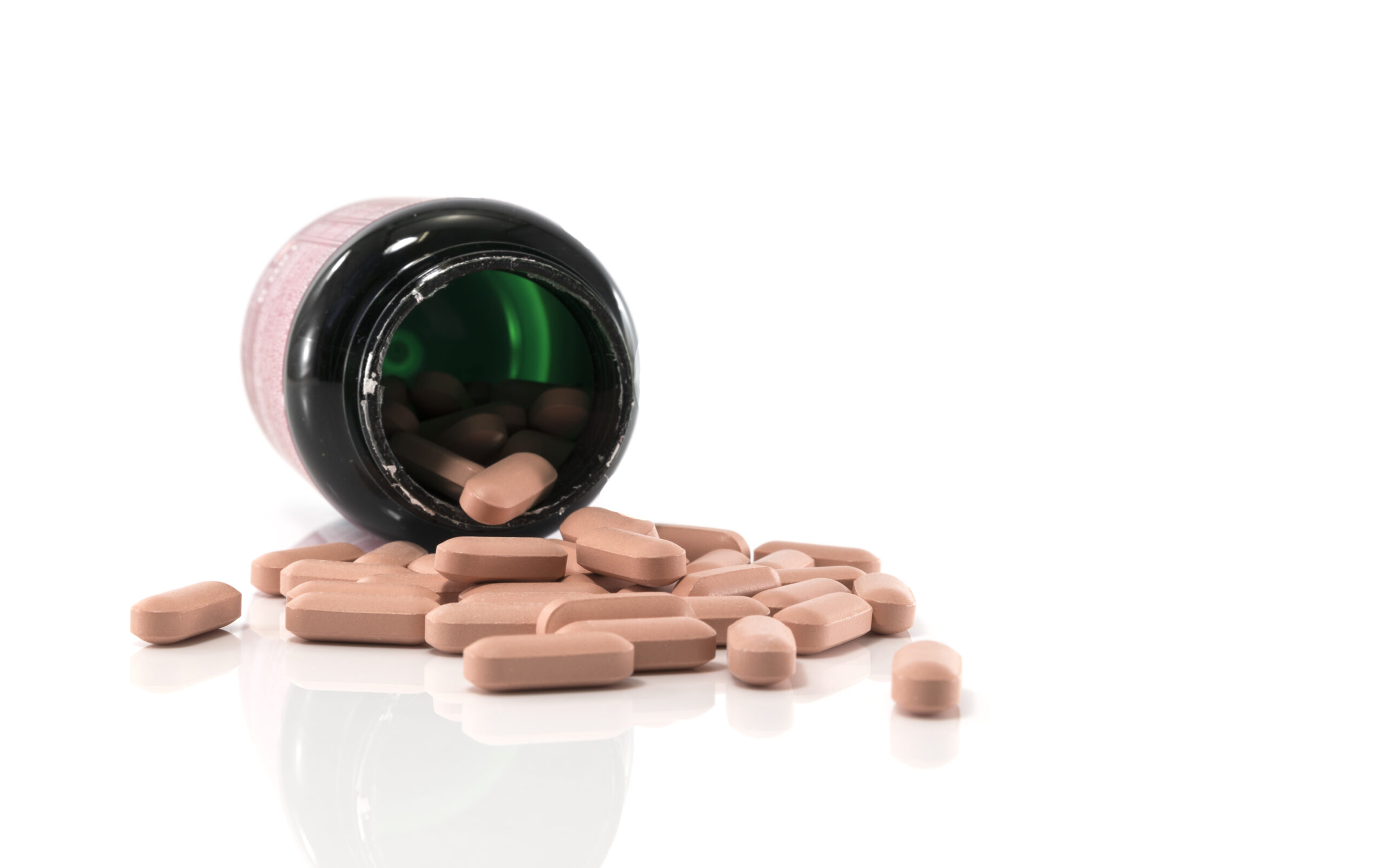
Several effective techniques can help manage pain associated with puncture wounds. For immediate pain relief, you can apply a cold compress to the affected area for 15-20 minutes at a time. This will help reduce swelling and numb the pain. Over-the-counter pain medications like paracetamol or ibuprofen can also provide significant relief. Remember to follow the recommended dosage instructions on the package.
In addition to medication, consider these non-pharmaceutical pain management techniques:
- Deep breathing exercises: Focus on slow, controlled breaths to help relax your body and reduce pain perception.
- Distraction methods: Engage in activities that occupy your mind, such as reading, listening to music, or watching a movie.
- Gentle massage: Lightly massaging the area around the wound can help increase blood flow and reduce pain.
Tetanus Prevention
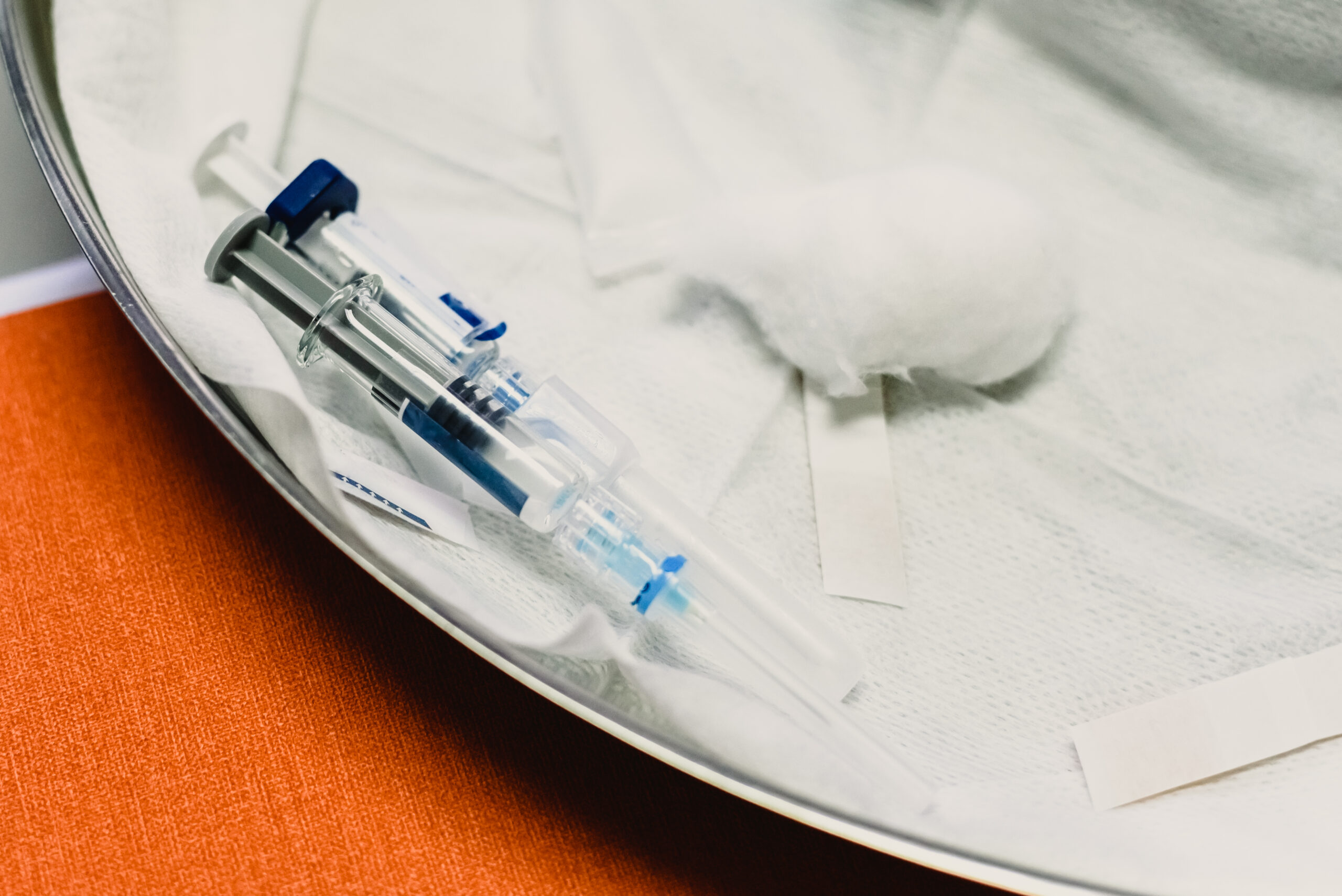
Tetanus is a serious bacterial infection that can be life-threatening, especially for those with puncture wounds. If you’re unsure about your tetanus vaccine history, consult your healthcare provider immediately.
For adults, you should receive a tetanus booster shot every 10 years. However, if you’ve suffered a dirty or deep puncture wound and it’s been more than 5 years since your last tetanus shot, you’ll need a booster.
Children typically receive a series of tetanus vaccinations as part of their routine immunisations, but they may need a booster if they’re injured.
If you haven’t had a tetanus shot in the past 5 years, or if you’re unsure, seek medical attention promptly. The doctor will evaluate your wound and determine if you need a tetanus booster shot.
When to Seek Medical Help

Beyond tetanus concerns, you should know when a puncture wound requires immediate medical attention. The severity of a puncture wound can vary, and certain signs indicate the need for professional consultation. You shouldn’t hesitate to seek medical help if you notice any of the following:
- Deep penetration: If the object has pierced deep into the skin, muscle, or bone, it’s vital to get medical assistance. Deep wounds have a higher risk of infection and may damage internal structures.
- Persistent bleeding: If you can’t stop the bleeding after applying direct pressure for 10-15 minutes, it’s time to see a doctor. Continuous bleeding might indicate a more severe injury.
- Signs of infection: Watch for redness, swelling, warmth, or pus around the wound site. If you develop a fever or experience increasing pain, seek medical help immediately.
Additionally, if the puncture wound is from a rusty object, animal bite, or occurs in a sensitive area like near the eyes or genitals, consult a medical professional.
Complications to Watch For
While managing pain is important, it’s equally essential to monitor your puncture wound for potential complications that may require immediate medical attention.
Keep a close eye on the wound site and be alert for signs of infection, which can greatly impede the healing process. Watch for redness that spreads beyond the immediate wound area, increased swelling, or warmth around the site. These could indicate an inflammatory response or infection.
If you notice pus or an unusual discharge, it’s a clear sign that infection has set in. Fever, chills, or general malaise are also red flags that shouldn’t be ignored.
Pay attention to any persistent or worsening pain, as this may signal a deeper infection or damage to underlying structures. If you experience numbness or tingling around the wound, it could indicate nerve damage.
Additionally, be aware of any stiffness or limited movement in the affected area, which might suggest joint or tendon involvement.
Frequently Asked Questions
How Long Does It Typically Take for a Puncture Wound to Heal?
You might think all puncture wounds heal quickly, but they don’t. Typically, it takes 2-4 weeks for complete healing. The healing process depends on wound depth, location, and your wound care routine. Proper treatment accelerates recovery.
Are Puncture Wounds More Prone to Infection Than Other Types of Wounds?
Yes, puncture wounds are more prone to infection. You’ll need to be vigilant about puncture wound prevention. Watch for infection symptoms like redness, swelling, or fever. These wounds can trap bacteria deep in tissues, increasing the risk of infection.
Can I Go Swimming With a Healing Puncture Wound?
You shouldn’t swim with a healing puncture wound. It’s not safe for wound care or swimming safety. Wait until it’s fully healed to avoid infection and complications.