


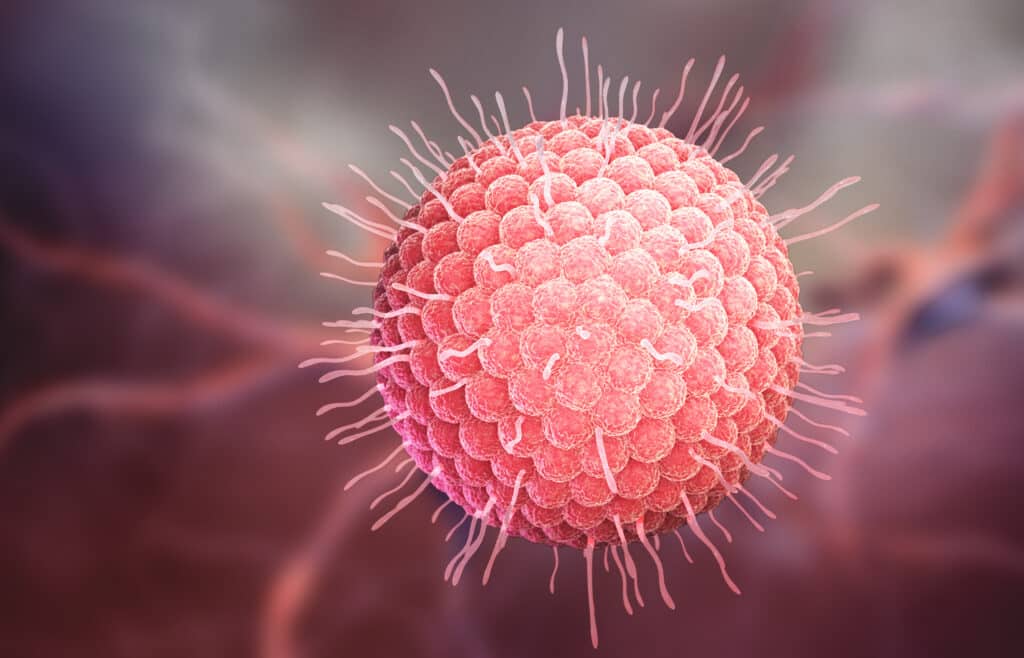
Shingles is a viral infection that causes a painful rash, also known as herpes zoster. This condition occurs when the varicella-zoster virus—the same virus that causes chickenpox—reactivates after lying dormant in your nerve tissue for years or even decades. In Australia, approximately 1 in 3 people will develop shingles during their lifetime, with risk of developing shingles increasing substantially after age 50.
Understanding Shingles and Herpes Zoster: The Virus That Returns
Unlike its viral predecessor chickenpox, shingles very rarely spreads through airborne transmission. Instead, the reactivated virus travels along specific nerve pathways to your skin, typically creating a painful rash confined to one side of the body or face—either the left or right side, but rarely both.
Recent Australian health data reveals that over 120,000 Australians are diagnosed with shingles annually. The most common complication is post-herpetic neuralgia (PHN), a type of nerve pain that can persist long after the rash resolves. Australian data indicates that approximately 5–30% of people diagnosed with shingles develop PHN, with the risk increasing with age. Nearly half of surveyed patients report pain lasting more than 12 months, and many experience significant impacts on their daily life and ability to work.
First Aid Pro’s certified training programs equip participants with practical skills to help manage health emergencies such as shingles. Our focused curriculum aligns with guidelines from Australian health authorities, blending technical knowledge with real-world application.
Key Facts About Shingles and Herpes Zoster
- Shingles is a viral infection that causes a painful rash
- One in three Australians will develop shingles during their lifetime
- Early recognition and treatment significantly reduces complication risks
- The shingles vaccine is highly effective and free for eligible Australians
- Postherpetic neuralgia is a serious complication that can cause pain to last for months or years
- If you suspect shingles, consult your healthcare provider within 72 hours of rash appearance for optimal treatment outcomes.
What Causes Shingles?
Shingles Symptoms: What to Watch For
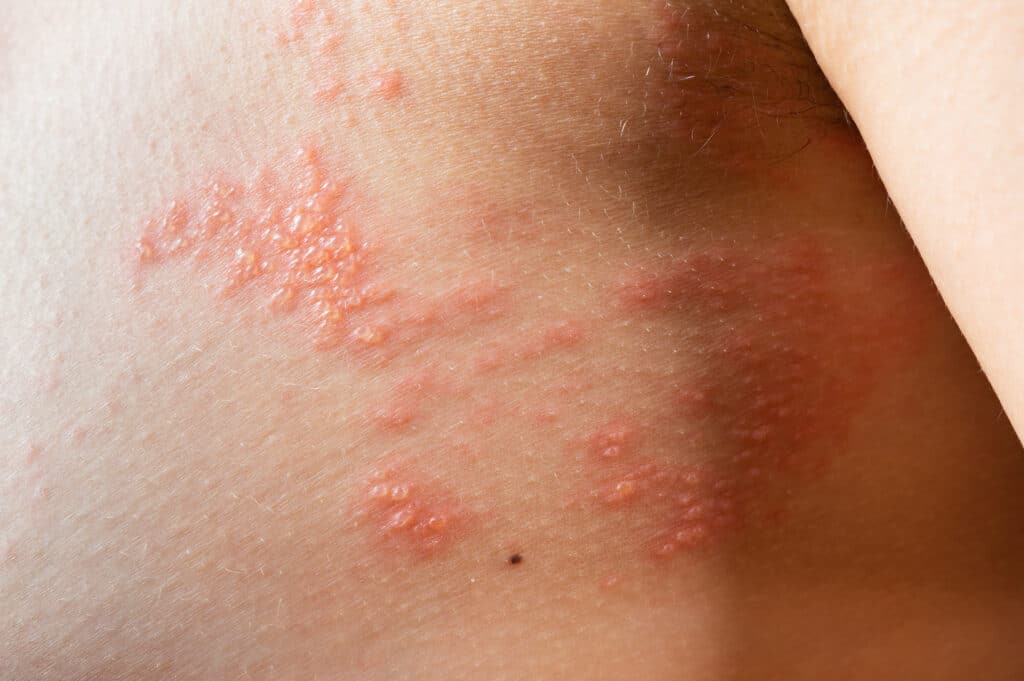
The varicella zoster virus stays inactive until something triggers it to become active again. Recognising the signs and symptoms of shingles early can significantly improve treatment outcomes and reduce complication risks.
Signs and Symptoms: How Shingles Develops
Shingles is caused by the varicella-zoster virus, which remains in your body after you’ve recovered from chickenpox. The virus stays inactive within nerve cells until something—such as age, stress, or a weakened immune system—triggers its reactivation.
The Most Common Signs and Symptoms Include:
- Pain: Often the first symptom, pain caused by shingles can range from mild to severe
- Skin sensitivity: The area where the rash will appear becomes extremely sensitive
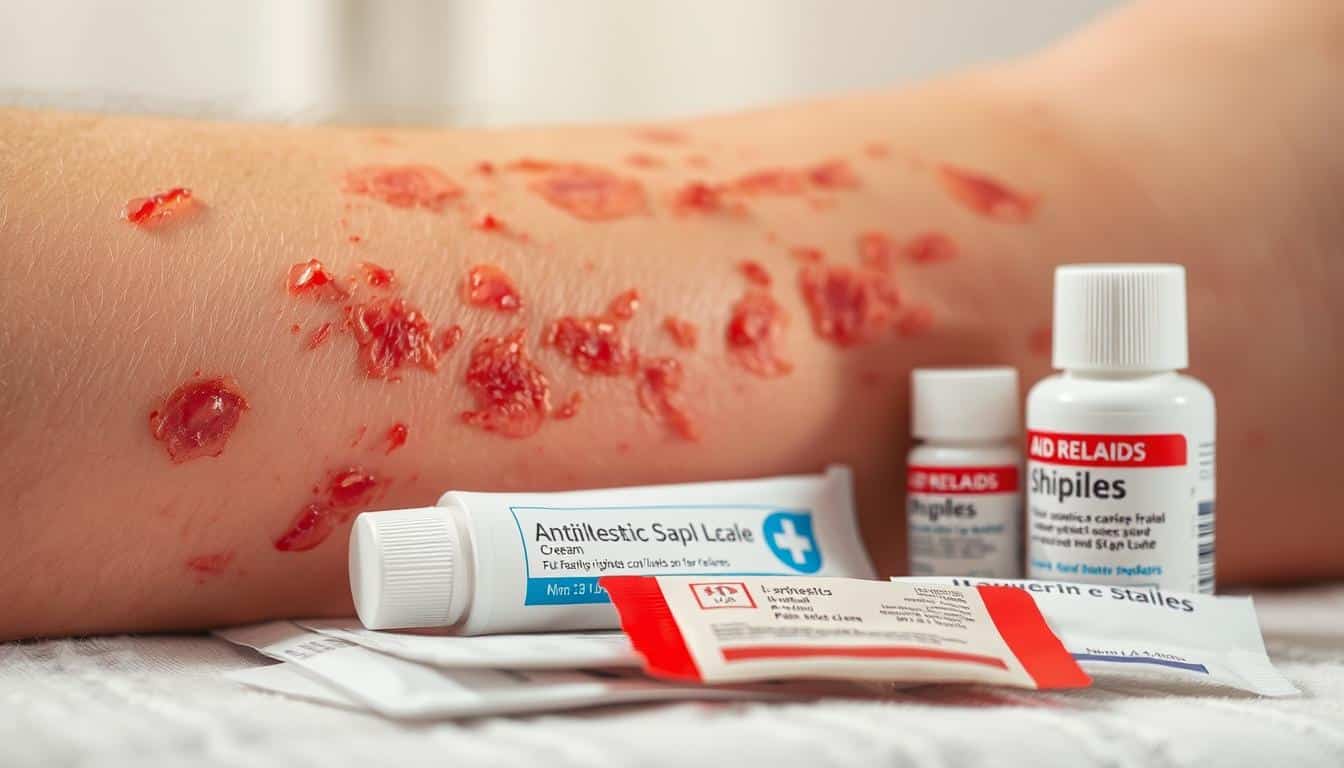
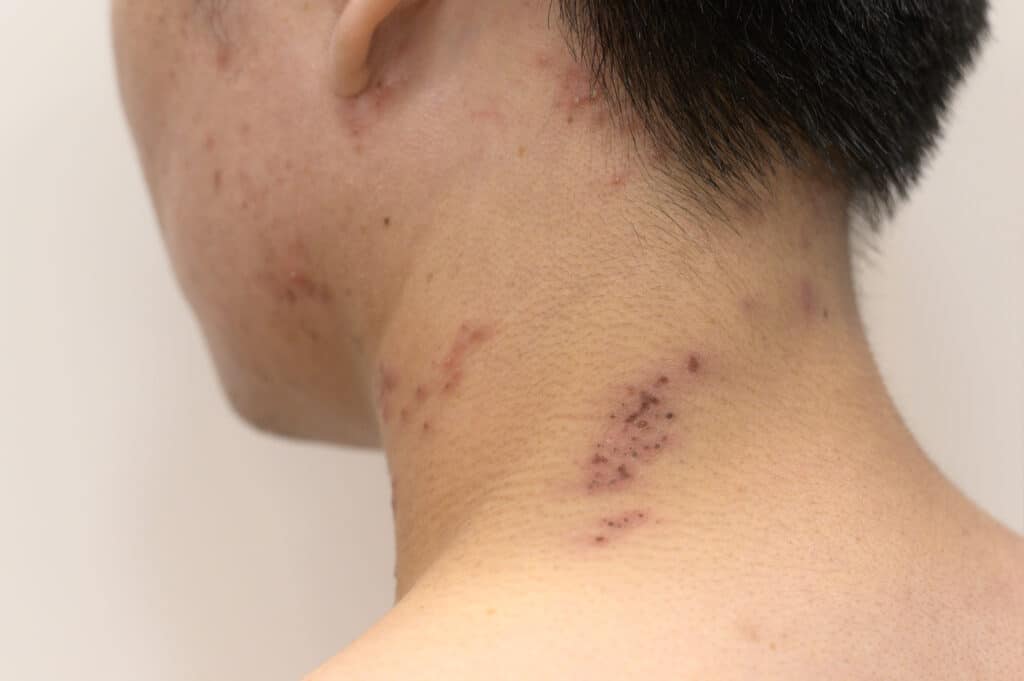
- Rash: A skin rash that usually appears on one side of the face or body
- Blisters: Shingles blisters filled with fluid that break open and crust over
- Itching: Moderate to severe itching may accompany the rash
- Fever and fatigue: Systemic symptoms may include headache, fever and general unwellness
The varicella-zoster virus infections follow dermatomal patterns: This means the shingles rash develops along nerve pathways, typically affecting only one side of the body—either the right side of the body or the left, but rarely crossing the midline.
Common Symptoms of Shingles
People with shingles typically experience a progression of symptoms:
| Stage | Duration | What You'll Experience | What's Happening |
|---|---|---|---|
| Pre-rash | 1-5 days | Tingling, burning, or severe pain in a specific area; headache; malaise; sometimes fever | Virus reactivates and travels along nerves |
| Rash onset | 2 to 3 days | Red, inflamed patches appear, usually on one side of the body or face | Virus reaches skin surface |
| Blister Formation | 3-5 days | Fluid-filled shingles blisters cluster together, often forming a band-like pattern | Active viral replication |
| Crusting and Healing | 7-10 days | Shingles blisters burst, form scabs, and gradually heal | Viral activity diminishes |
| Post-infection | Variable | Potential lingering nerve pain called postherpetic neuralgia | Nerve damage from viral infection |
Crucial warning: Many people get shingles with intense pain up to a week before any visible shingles rash appears, making early diagnosis challenging. This pre-rash pain is often mistaken for other conditions such as kidney problems, heart disease, or spinal issues.
Unexplained burning, tingling, or shooting pain confined to one side of your body warrants prompt medical attention, especially if you’re over 50 or have a weakened immune system.
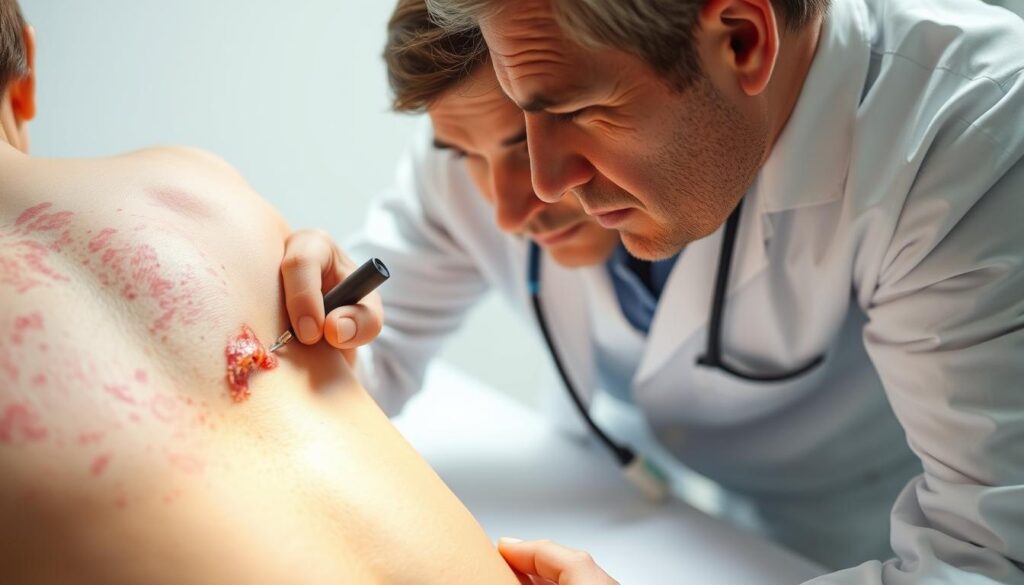
How are Shingles Diagnosed in Australia?
Most general practitioners can diagnose shingles through visual examination and assessment of your symptoms. The distinctive appearance of a painful rash on one side of the face or body is often sufficient to diagnose shingles.
For atypical presentations, healthcare providers may recommend:
- Laboratory testing of fluid from blisters
- PCR testing to detect viral DNA
- Blood tests to assess immune function
Early treatment is crucial: Medical research shows that antiviral medication delivers maximum benefit when started within 72 hours of rash appearance. This underscores the importance of seeking medical attention at the first sign of symptoms.
Can You Get Shingles After Chickenpox?
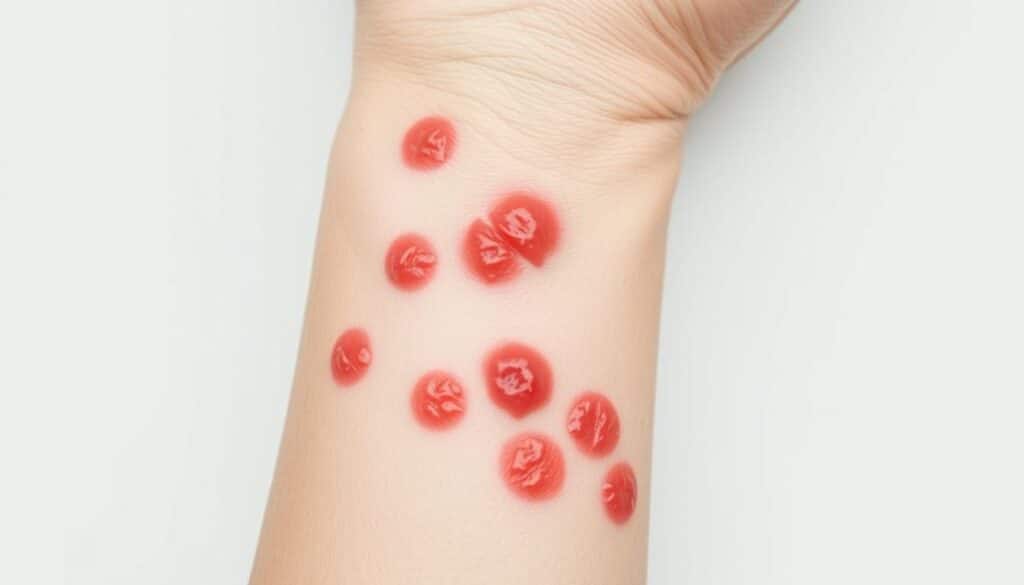
Yes—shingles is caused by the same virus that causes chickenpox. After someone recovers from chickenpox, the virus stays dormant in nerve tissue. Years later, the virus may reactivate as shingles.
Who Can Get Shingles?
- Anyone who has had chickenpox can develop shingles
- People who received the chickenpox vaccine may still get shingles, though the risk is lower
- The risk of developing shingles increases with age, particularly after 50
- Those with weakened immune systems face higher risk
- Stress, certain medications, and some medical conditions may trigger an attack of shingles
Important fact: You cannot “catch” shingles from someone who has shingles—but someone who has shingles can transmit the virus to people who have never had chickenpox or the chickenpox vaccine, causing chickenpox in those individuals.
The Shingles Vaccine: Best Protection Against Herpes Zoster
Vaccination offers the most effective way to prevent shingles and its complications.
The recombinant zoster vaccine (Shingrix) is the preferred shingles vaccine in Australia and provides strong protection against shingles.
The Australian Immunisation Program recommends:
Vaccination Eligibility and Effectiveness
| Population Group | Eligibility Status | Cost Structure | Effectiveness |
|---|---|---|---|
| Adults 50 years and older | Covered under National Immunisation Program (NIP) for those 65+ | Free of charge for eligible groups; approximately $150-300 per dose for others | 97% effective in adults 50-69, 91% in adults 70+ |
| Aboriginal and Torres Strait Islander people aged 50+ | Covered under NIP | Free of charge | 90-97% effective depending on age |
| People with weakened immune systems aged 18+ | Covered under NIP from July 2023 | Free of charge | 68-91% effective depending on condition |
To get vaccinated: Speak with your GP about getting the shingrix vaccine or visit a pharmacy that offers vaccination services. The shingles vaccine may be administered even if you’ve had shingles before, as it can prevent future occurrences.

Postherpetic Neuralgia and Other Complications of Shingles
Without proper treatment, shingles can lead to several serious complications:
Complications of Shingles: Beyond the Rash
- Postherpetic neuralgia (PHN): Long-term nerve pain called postherpetic neuralgia can last for months or even years after the shingles rash heals
- Vision problems: If shingles occurs near or in the eye, permanent vision loss may result
- Neurological issues: In rare cases, shingles may cause encephalitis, facial paralysis, or hearing problems
- Secondary infections: Bacterial infection of shingles blisters can cause additional complications
- Widespread rash: In severely immunocompromised individuals, the rash may spread across multiple dermatomes
Australian research highlight: Studies show approximately 18% of Australians over 70 with shingles develop postherpetic neuralgia, which can severely impact quality of life and may not respond well to standard pain treatments.
Living with Shingles: Managing the Condition
If you develop shingles, these strategies can help manage symptoms while the infection runs its course:
Practical Daily Management for Shingles Infection
- Pain control: Establish a regular schedule for pain medication rather than waiting for pain to intensify
- Wound care: Keep blisters clean to prevent bacterial infection
- Cool compresses: Apply cool, wet compresses to reduce pain and itching
- Loose clothing: Wear loose-fitting, cotton clothing to minimise irritation of affected skin
- Stress management: Practice relaxation techniques, as stress may worsen symptoms
- Rest: Allow your body additional rest to support immune function
For severe pain: If over-the-counter medications don’t provide relief from the pain caused by shingles, prescription medications may be necessary. Speak with your healthcare provider about options.
First Aid for Shingles
While shingles itself requires medical assessment and potentially antiviral medication, there are several first aid strategies that can reduce symptoms and prevent complications.
Self-Care and First Aid Measures
| Action | Details |
|---|---|
| 1Keep rash clean and dry | Reduces risk of bacterial infection |
| 2Apply cool compresses | Helps soothe itching and burning |
| 3Avoid scratching or picking | Prevents scarring and secondary infections |
| 4Wear loose clothing | Minimises irritation on sensitive skin |
| 5Use pain relief (paracetamol) | Can help manage pain; ibuprofen is also suitable unless contraindicated |
| !Seek antiviral treatment early | Works best if started within 72 hours of rash appearing |
Note: Always consult with a healthcare professional for personalised medical advice.
Note: Do not use topical antibiotic or steroid creams unless advised by a doctor.
First aid training gives you the knowledge to safely manage common health emergencies. Join a First Aid Pro training course near you to upskill today.
Quick Guide To Shingles: Common Questions Answered
Can I get shingles more than once?
Yes. Approximately 5% of people will experience recurrent cases of shingles. Recurrence rates are higher in immunocompromised individuals and those over 65.
Is the shingrix vaccine available at pharmacies?
Yes. Many Australian pharmacies now offer vaccination services. While the shingles vaccine is free under the National Immunisation Program for eligible groups, others can get the shingles vaccine for approximately $150-180 per dose.
What triggers shingles infection?
Medical evidence suggests several factors may cause shingles to develop: age (increased risk of herpes zoster after 50), stress, certain medications, and conditions that weaken the immune system.
Can someone who has shingles spread it to others?
The shingles virus can be spread to people who have never had chickenpox or the chickenpox vaccine through direct contact with open shingles blisters. Once these blisters crust over, the person is no longer contagious.
What workplace considerations exist for shingles?
Fair Work Australia guidelines suggest reasonable accommodations for employees with acute conditions like shingles, particularly those working with vulnerable populations. Many employers accept a medical certificate without requiring detailed disclosure.
Stay One Step Ahead of Shingles
Shingles can be a painful and complex condition, but early recognition, timely treatment, and informed first aid can significantly reduce its impact. Whether you’re managing your own recovery or supporting someone else, having the right knowledge makes all the difference. Understanding how to care for a shingles rash, recognising signs of complications, and knowing when to seek medical help are all essential skills.
Enrol in a certified first aid course with First Aid Pro to gain practical, nationally recognised training that prepares you to respond confidently to health emergencies like shingles—and many others.
Helpful Resources
Here are four helpful resources for information and support on shingles in Australia:
- Healthdirect Shingles Information
Offers comprehensive details on shingles symptoms, treatment, prevention, and vaccination, including eligibility for free vaccines 11. - Australian Government Department of Health – Shingles Immunisation Service
Provides up-to-date information on shingles vaccination, eligibility for free vaccines, and guidance for specific risk groups 2. - Immunisation Coalition Shingles Guide
A practical guide for both healthcare professionals and the public on shingles risks, complications, and prevention 3. - Painaustralia Support Groups & Help Lines
Lists support groups, helplines, and community resources for people living with chronic pain, including those affected by shingles complications 5.