


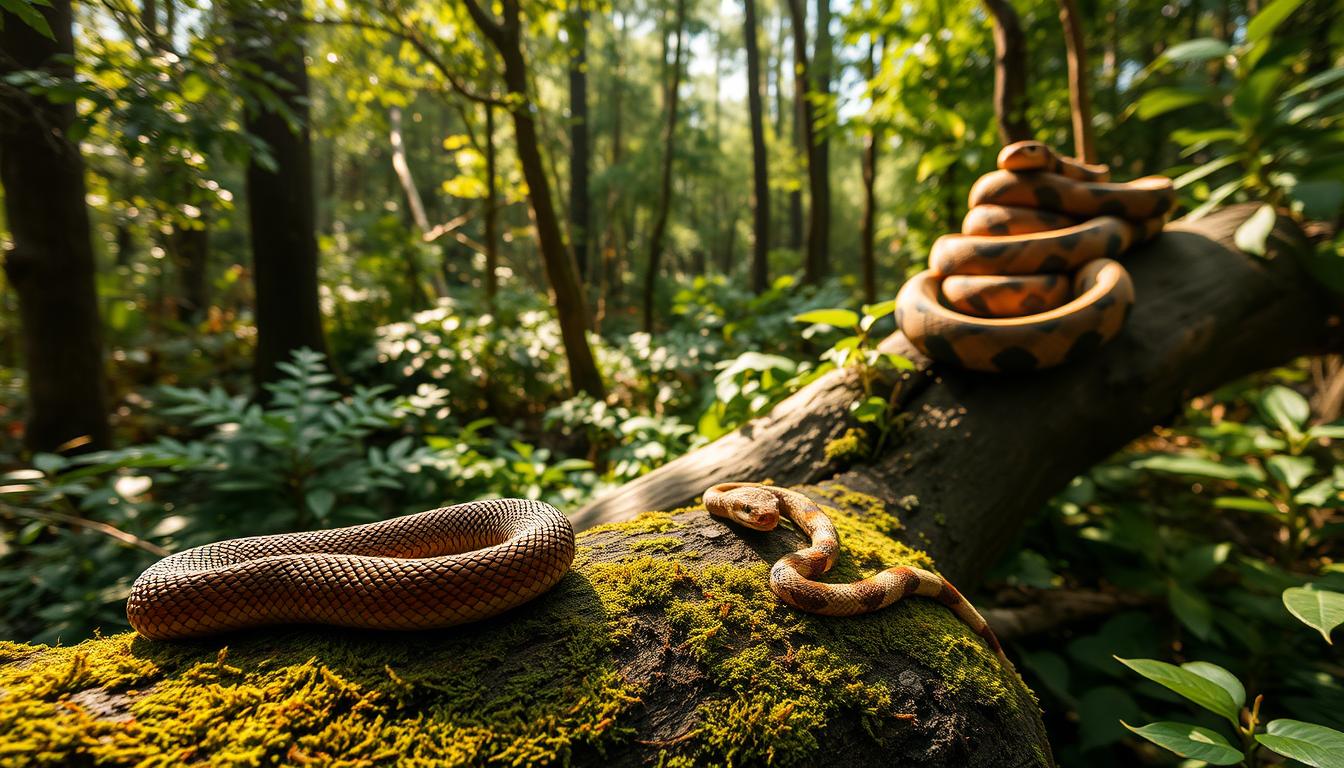
Did you know that while mainland Australia hosts over 170 snake species, snakes in Tasmania number just three? This stark contrast highlights the unique ecological isolation of Australia’s island state. The Tasmanian Tiger Snake, White-lipped Snake, and Lowland Copperhead comprise the entire serpent population of this southern territory.
These slithering residents have adapted specifically to the cooler climate of the Apple Isle, developing distinct characteristics from their mainland relatives. The Tasmanian Tiger Snake, for instance, has evolved unique venom compounds that help it thrive in the island’s temperate conditions. Read on to find out everything you need to know about snakes in Tasmania including first aid tips.
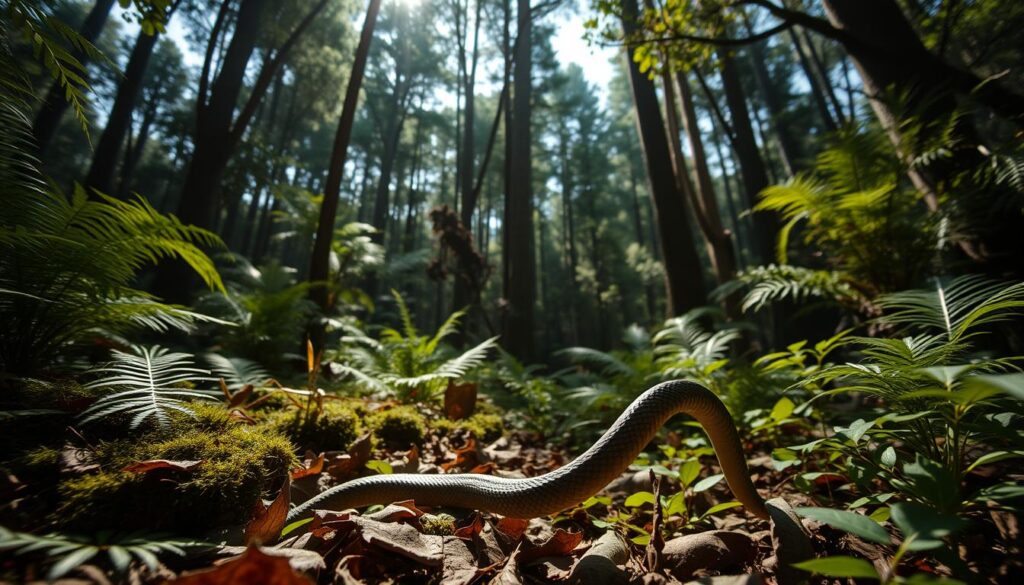
Tasmanian snake species in natural habitats
While all three reptile species possess venom, they rarely pose threats to humans. Most encounters occur when these shy creatures feel cornered or threatened. Understanding their behaviour and habitats can significantly reduce any risks during bushwalking or gardening activities.
Throughout this guide, you’ll discover fascinating insights about these misunderstood creatures. We’ll explore their ecological significance, identification features, and practical safety measures to ensure both human wellbeing and snake conservation.
Key Takeaways
- Tasmania hosts only three snake species compared to mainland Australia’s 170+
- All Tasmanian reptiles are venomous but generally shy and non-aggressive
- The Tiger Snake, White-lipped Snake, and Lowland Copperhead are the only species found on the island
- These creatures have adapted uniquely to Tasmania’s cooler climate
- Understanding snake behaviour is crucial for both human safety and conservation
- Most snake encounters occur when the reptiles feel threatened or cornered
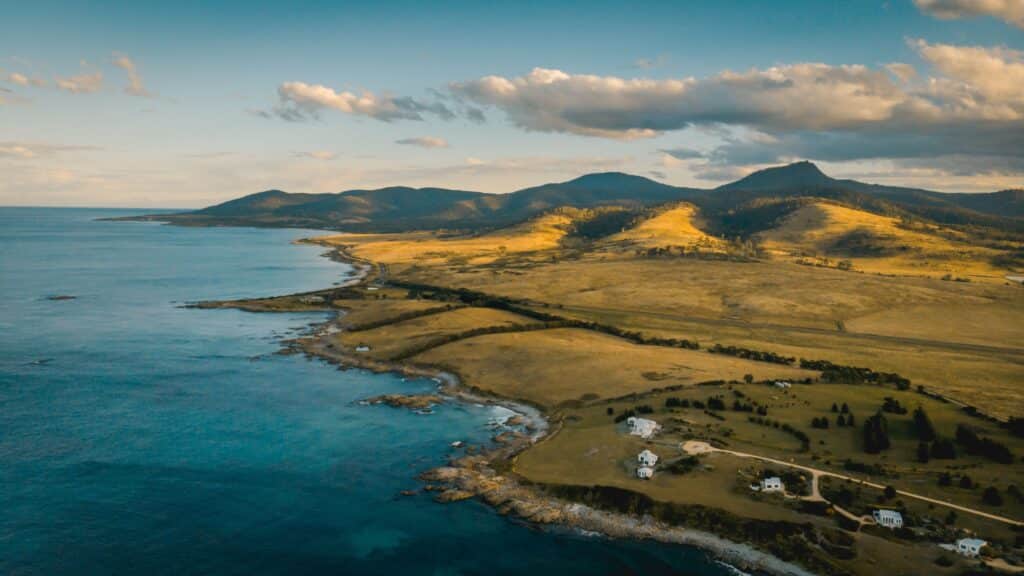
Island Evolution and Its Effects
Tasmania’s separation from mainland Australia has profoundly influenced its snake population. The Bass Strait, formed approximately 12,000 years ago when sea levels rose after the last ice age, created a formidable geographical barrier that prevented further snake migration to the island.
This isolation has led to unique evolutionary adaptations among Tasmanian snakes. The Tasmanian Tiger Snake (Notechis ater humphreysi), for example, has developed as a distinct subspecies with characteristics that differ from its mainland relatives.
Comparison with Mainland Australia
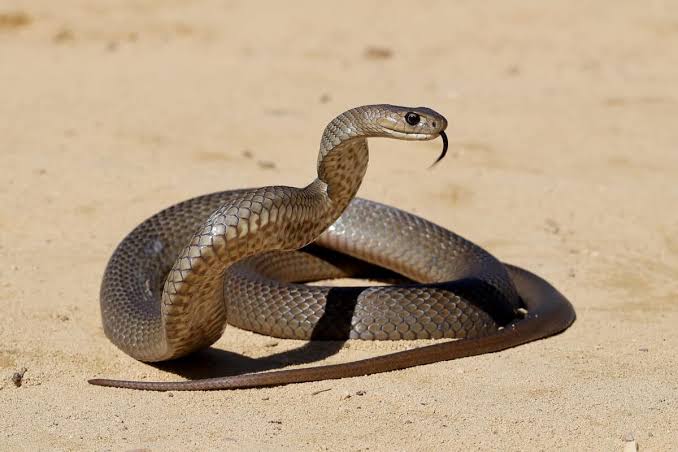
When you compare Tasmania’s snake diversity with mainland Australia, the difference is remarkable. The mainland is home to over 100 snake species, including highly venomous varieties like the Eastern Brown Snake, Red-bellied Black Snake, and Death Adder—none of which are found in Tasmania.
Snake Comparison: Tasmania vs Mainland Australia
| Feature | Tasmania | Mainland Australia |
|---|---|---|
| Number of snake species | 3 | 100+ |
| Venomous species | 3 (all species) | 25+ dangerous species |
| Largest snake | Tiger Snake (up to 1.8m) | Coastal Taipan (up to 3m) |
| Climate adaptation | Cold-adapted species only | Desert, tropical, and temperate species |
This stark difference highlights how geographical isolation and Tasmania’s cooler climate have created a unique evolutionary laboratory. The island’s snake fauna represents a specialised subset of Australia’s reptiles that have adapted to specific ecological conditions not found on the mainland.
The Three Venomous Snakes in Tasmania
As we have discussed, despite its reputation for diverse wildlife, Tasmania hosts only three venomous snake species, each playing a vital role in the island’s ecosystem. These three species have adapted remarkably well to the island’s unique conditions and can be found across various habitats.
While all three snakes possess venom, they generally prefer to avoid human contact. Encounters typically only result in defensive behavior when the snakes feel threatened or cornered. Understanding these fascinating reptiles is key to appreciating their ecological importance and ensuring safe coexistence.
Tasmanian Snake Species Characteristics
| Characteristic | Lowland Copperhead | Tiger Snake | White-lipped Snake |
|---|---|---|---|
| Average Length | 1-1.5 meters | 1.2-1.8 meters | 40-60 centimeters |
| Head Color | Coppery/reddish-brown | Same as body | Dark with white lip line |
| Temperature Tolerance | Active at 5-25°C | Active at 12-30°C | Active at 8-28°C |
| Primary Diet | Frogs, small mammals | Frogs, birds, mammals | Small lizards, skinks |
Tiger Snake: Tasmania's Most Notorious Serpent
Among Tasmania’s limited snake species, the Tiger Snake reigns as the island’s most notorious and recognisable serpent. The Tasmanian Tiger Snake (Notechis ater humphreysi) represents a distinct subspecies found exclusively on King Island and throughout Tasmania, having evolved unique adaptations to the cooler island climate
Physical Characteristics and Identification
Tasmanian Tiger Snakes typically measure between 1-1.5 meters in length with robust, thick bodies that convey their powerful presence. Their coloration tends to be darker than mainland varieties, ranging from deep olive-brown to almost black.
The distinctive yellowish or off-white cross-bands that give these snakes their name may be highly visible on some individuals while barely noticeable on others. This variation can make Tasmanian Tiger Snake identification challenging for the untrained eye.
Their broad heads and slightly upturned snouts are key identifying features, along with their large eyes with round pupils. Juvenile Tiger Snakes display more prominent banding, which often darkens as they mature.
Habitat and Distribution
These adaptable predators thrive across various environments throughout Tasmania, though they show a marked preference for watery habitats. You’ll frequently encounter them near:
- Wetlands and marshes
- Creek and river systems
- Farm dams and water reservoirs
- Coastal heathlands
The Tiger Snake habitat in Tasmania extends from sea level to highland areas, though they’re most abundant in the eastern and northern regions of the island. They’ve also successfully adapted to disturbed environments, occasionally appearing in suburban areas with suitable cover and prey.
Behaviour and Diet
Despite their fearsome reputation, Tiger Snakes typically avoid human confrontation unless threatened. When cornered, they display a distinctive defensive posture by flattening their necks and raising their heads in a cobra-like stance.
Tiger Snake behaviour includes impressive swimming abilities, with the capacity to remain submerged for up to nine minutes. They’re also skilled climbers, particularly when pursuing prey or seeking shelter.
Their diet primarily consists of frogs, small mammals, birds, and lizards. Tasmanian Tiger Snakes have adapted to the island’s cooler climate by being more active during daylight hours, often seen basking to raise their body temperature. If you encounter one in the wild, it’s crucial to keep your distance and allow it space to retreat – most Tiger Snake bites occur when people attempt to kill or handle these powerful reptiles.
Lowland Copperhead: The Cold-Adapted Predator
Among Tasmania’s venomous reptiles, the Lowland Copperhead has evolved remarkable cold-adaptation mechanisms that allow it to thrive where other snakes cannot. This resilient species has mastered survival in Tasmania’s cooler climate, making it a fascinating subject for both researchers and wildlife enthusiasts.
Physical Characteristics and Identification
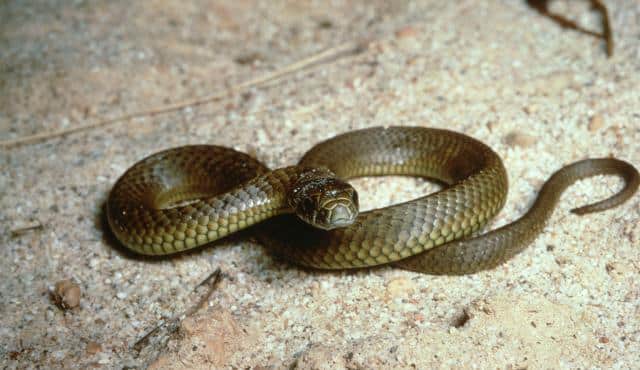
The Lowland Copperhead (Austrelaps superbus) typically grows to between 1 and 1.5 meters in length. Its most distinctive feature is the coppery or reddish-brown coloration on its head, which contrasts with its darker body. This coloration can vary from pale brown to almost black, depending on the individual and habitat.
When identifying a Copperhead snake, look for its rounded snout and the characteristic copper-tinged head. The body scales are smooth and glossy, often appearing darker toward the spine. Unlike many other venomous snakes, Copperheads lack prominent patterns, though some individuals may display subtle banding.
Copperheads are sometimes confused with patternless Tiger Snakes. The key difference lies in the head shape and coloration – Copperheads have a more distinct copper-colored head and generally lack the Tiger Snake’s banded pattern. Their eyes are medium-sized with round pupils, unlike the elliptical pupils found in many other snake species.
Habitat and Distribution
Lowland Copperheads are widely distributed throughout Tasmania, particularly favoring cooler, wetter environments. You’ll find them in marshlands, wet forests, and highland regions where other snake species are less common. Their remarkable cold tolerance allows them to inhabit areas up to 1,500 meters above sea level.
These cold-adapted snakes have a unique ability to remain active at temperatures as low as 5°C, when most other Australian snakes would be dormant. This adaptation gives them a competitive advantage in Tasmania’s climate, allowing them to hunt and breed in conditions that would immobilise other reptiles.
Behaviour and Diet
Copperheads are primarily diurnal (day-active) hunters, though they may become crepuscular (active at dawn and dusk) during hotter weather. Their diet consists mainly of frogs, lizards, and small mammals, with a particular fondness for frogs in wetland habitats.
When encountered, Copperheads typically prefer to retreat rather than confront. However, if cornered or threatened, they will flatten their bodies, hiss loudly, and may strike if provoked. Their venom is potent enough to be dangerous to humans, though they’re generally not aggressive without cause.
The Copperhead’s cold-adaptation has allowed it to exploit ecological niches unavailable to other Australian snakes. Their ability to hunt in cold conditions means they face less competition for food resources during Tasmania’s cooler months, contributing to their success on the island.
White-lipped Snake: Tasmania's Smallest Venomous Snake
Among Tasmania’s venomous reptiles, the diminutive White-lipped Snake stands out as the island’s most compact yet fascinating serpent. Known scientifically as Drysdalia coronoides, this small but widespread species plays an important role in Tasmania’s ecosystems despite often going unnoticed by humans due to its secretive nature.
Physical Characteristics and Identification
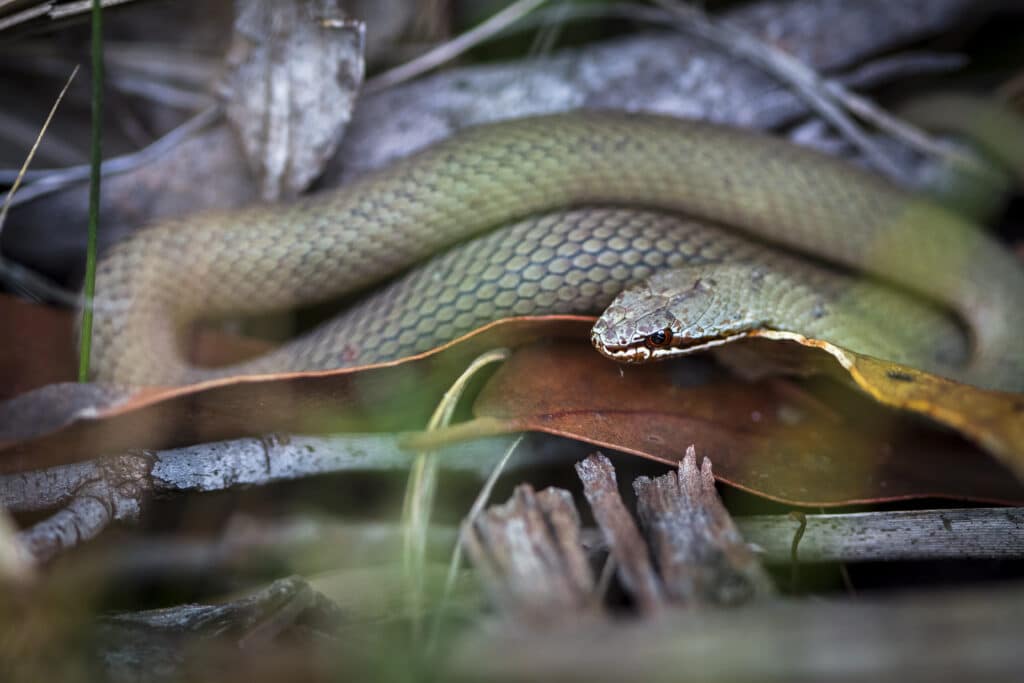
The White-lipped Snake typically measures just 30-40 centimetres in length, making it significantly smaller than its Tasmanian relatives. Its most distinctive feature is the pale white or cream-coloured stripe along its upper lip, which gives the species its common name. The body coloration ranges from olive-grey to brown, sometimes with a subtle reddish tinge.
Unlike the more robust Tiger Snake or Copperhead, the White-lipped Snake has a slender build with a relatively small head that barely widens from the neck. Their scales are smooth and glossy, and they possess small eyes with round pupils. Young specimens often display more vibrant coloration that fades slightly as they mature.
Habitat and Distribution
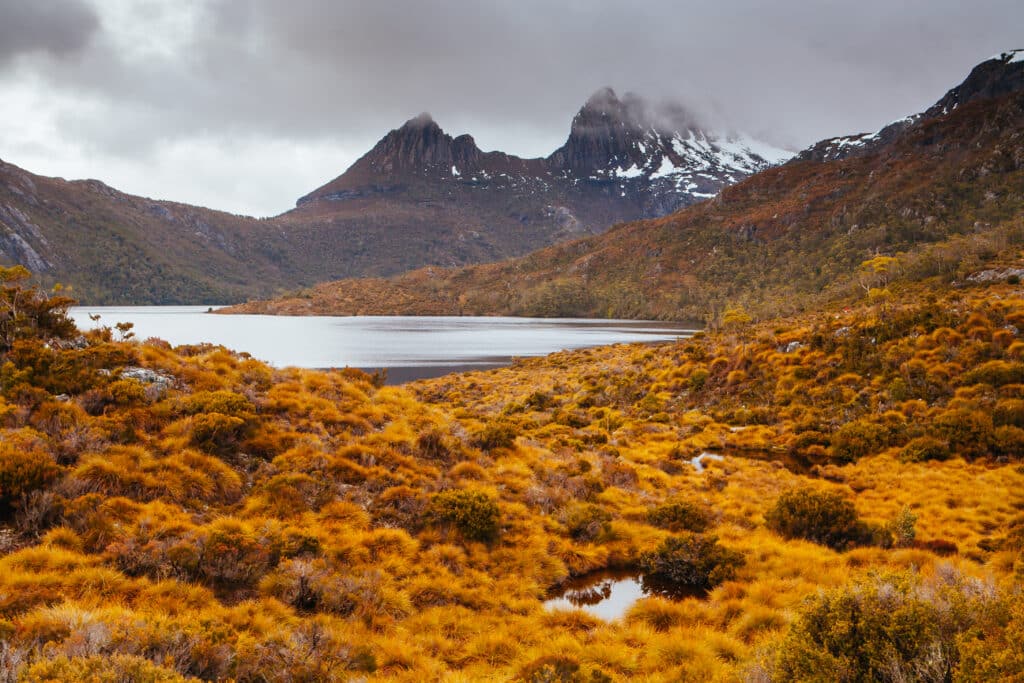
White-lipped Snakes are widely distributed throughout Tasmania, occupying diverse habitats across the island. They show a particular preference for grassy woodlands, heathlands, and coastal areas where their small prey items are abundant. You’ll often find them in areas with good ground cover such as leaf litter, rocks, or fallen timber.
These adaptable reptiles can be found from sea level to elevations of over 1,000 metres, demonstrating their remarkable ability to thrive in various Tasmanian environments. Despite their widespread distribution, their small size and secretive habits mean they’re frequently overlooked by casual observers.
Behaviour and Diet
White-lipped Snakes are primarily diurnal (day-active), especially during cooler months when they bask in morning sun to raise their body temperature. Their diet consists mainly of small lizards and skinks, which they hunt by actively foraging through vegetation and ground debris.
Despite being venomous, these snakes pose minimal risk to humans. Their venom is relatively mild compared to other Tasmanian species, and their small fangs make effective envenomation unlikely. Bites are extremely rare and typically only occur when the snake is directly handled or accidentally stepped on.
When threatened, White-lipped Snakes will first attempt to flee rather than confront perceived danger. If cornered, they may flatten their bodies slightly and perform short, jerky movements as a warning display before attempting to escape again.
Tasmanian Snake Species Comparison
| Characteristic | White-lipped Snake | Tiger Snake | Lowland Copperhead |
|---|---|---|---|
| Average Length | 30-40 cm | 120-180 cm | 100-150 cm |
| Venom Potency | Mild | Highly toxic | Moderately toxic |
| Primary Diet | Small lizards, skinks | Frogs, small mammals | Frogs, reptiles, mammals |
| Activity Pattern | Mainly diurnal | Diurnal and crepuscular | Diurnal, cold-tolerant |
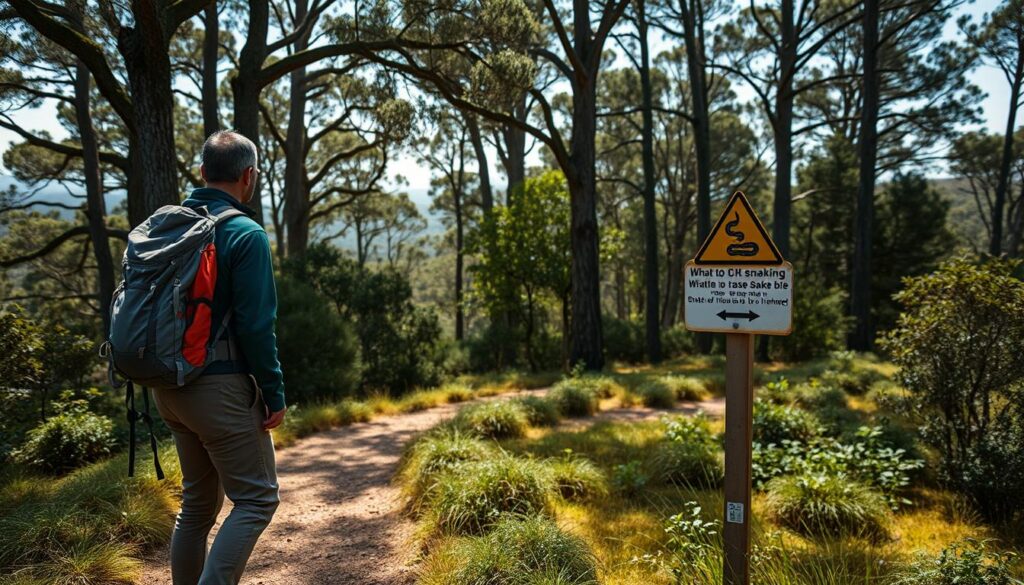
Snakes in Tasmania: Distribution and Habitat Preferences
Understanding where Tasmania’s snakes live and why they prefer certain habitats is crucial for both conservation efforts and human safety. The island’s three venomous snake species have adapted to specific environmental conditions, resulting in predictable distribution patterns across Tasmania’s diverse landscapes.
Coastal Regions and Wetlands
Coastal areas and wetlands represent prime Tasmanian snake habitats, particularly for Tiger Snakes. These water-loving serpents thrive around marshes, lagoons, and estuaries where their preferred prey—frogs, small mammals, and birds—are abundant. The nutrient-rich environments of Tasmania’s east coast wetlands support especially dense populations.
Lowland Copperheads also frequent these areas, often found basking on sun-warmed rocks near water bodies. Both species utilise the dense vegetation surrounding wetlands for shelter and hunting grounds.
Forests and Woodlands
Tasmania’s forests and woodlands host all three native snake species, though in varying densities. White-lipped Snakes show a strong preference for dry sclerophyll forests with open understories, where they hunt for small skinks among leaf litter and fallen timber.
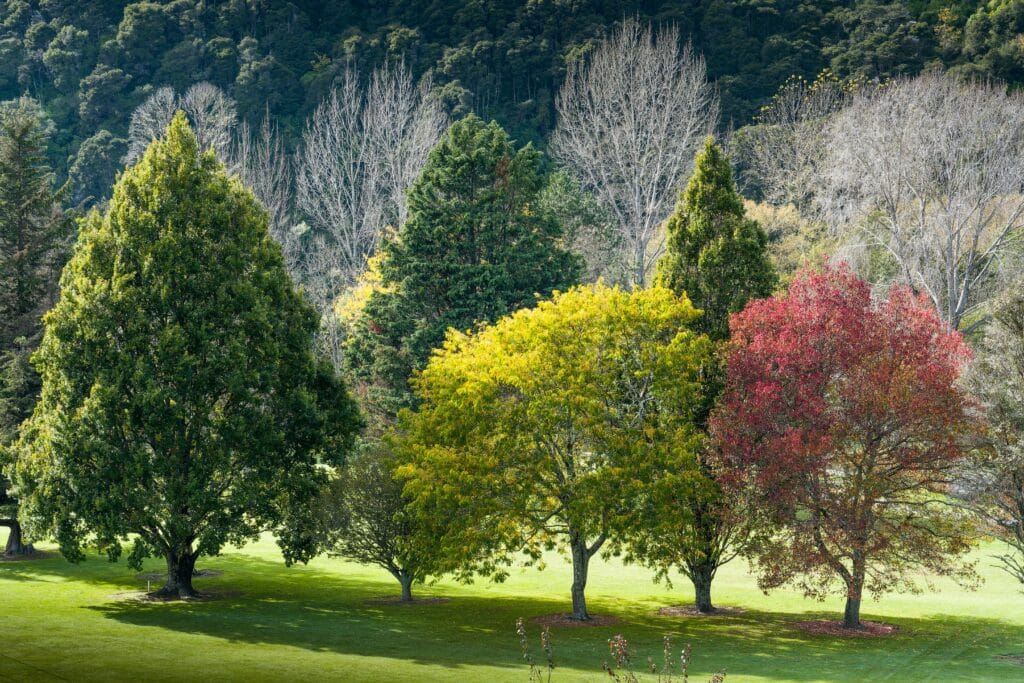
Seasonal Activity Patterns of Tasmanian Snakes
Throughout the year, Tasmania’s snakes display distinct activity patterns that reflect their remarkable adaptation to the island’s changing seasons. Understanding these seasonal behaviours not only provides fascinating insights into reptile biology but also helps you predict when you’re most likely to encounter these creatures in the wild. The three venomous snake species of Tasmania have evolved specific strategies to cope with the island’s cool climate, with each season triggering different survival behaviors.
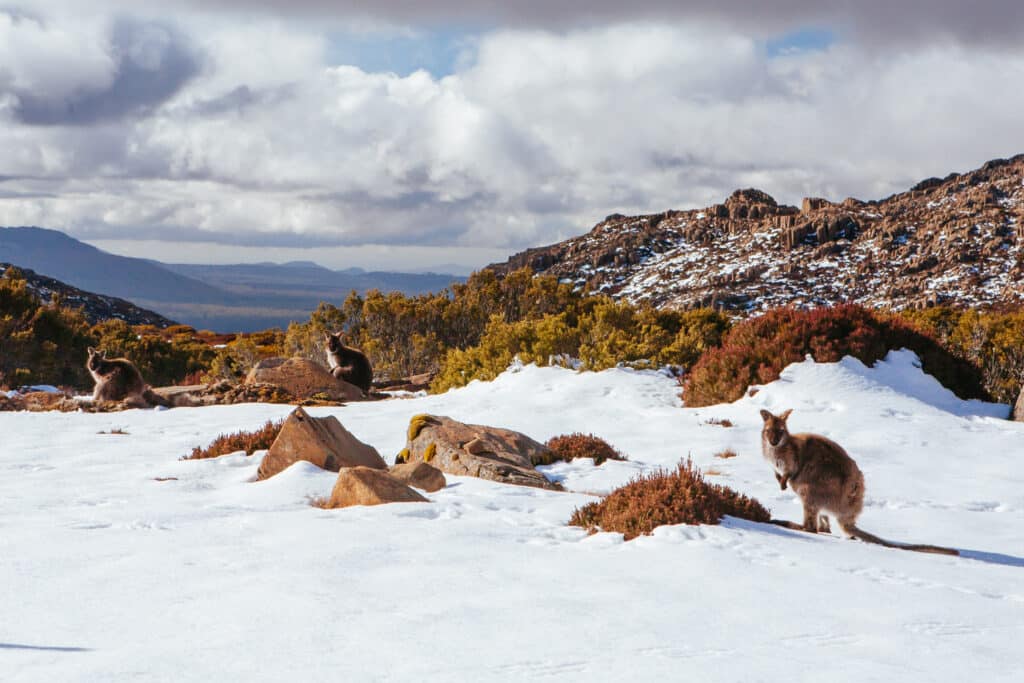
Winter Brumation
Unlike true hibernation, snakes enter a state called brumation during Tasmania’s cold winter months. During this period, they become largely inactive, seeking shelter in rock crevices, hollow logs, or abandoned animal burrows where temperatures remain above freezing. This snake hibernation in Tasmania allows them to conserve energy when food is scarce and temperatures are too low for their cold-blooded metabolism.
Interestingly, Lowland Copperheads may occasionally emerge on warmer winter days to bask in the sun, making them the most cold-tolerant of Tasmania’s snakes. Tiger Snakes and White-lipped Snakes typically remain in their winter refuges until spring temperatures become more consistent.
Spring Emergence and Breeding
As temperatures rise in September and October, Tasmanian snakes begin to emerge from their winter retreats. This period marks the beginning of the snake breeding season, with males often traveling considerable distances in search of receptive females. Tiger Snakes engage in competitive mating rituals, with males wrestling for access to females.
All three Tasmanian snake species are viviparous, giving birth to live young rather than laying eggs. Mating typically occurs in spring, with females storing sperm until conditions are favorable for gestation, which usually begins in late spring or early summer..
Summer Feeding and Activity
Summer represents the peak of snake seasonal activity in Tasmania. During these warmer months, snakes actively hunt, with feeding behaviors intensifying to build energy reserves. Tiger Snakes become particularly visible as they hunt frogs and small mammals near wetlands, while Copperheads may be spotted in grassy areas pursuing skinks and small rodents.
Thermoregulation becomes a critical daily activity, with snakes basking in morning sun to raise their body temperature before hunting. During the hottest parts of the day, they typically retreat to shade before emerging again in the cooler evening hours.
Autumn Preparation
As temperatures begin to decline in March and April, Tasmanian snakes prepare for the coming winter. This preparation involves increased feeding to build fat reserves that will sustain them through brumation. You might notice snakes becoming more opportunistic in their feeding during this time, taking advantage of any available prey.
Pregnant females often give birth in late summer or early autumn, allowing their young some time to feed before their first winter brumation. As autumn progresses, snake sightings become less frequent as they begin seeking out suitable winter shelters, completing their annual cycle of seasonal adaptation.

Snake Venom and Its Medical Significance
The potent venoms secreted by Tasmania’s snakes are not merely weapons of predation but complex substances with significant medical implications. These biochemical marvels are highly effective hunting tools, yet they also hold secrets that medical researchers are only beginning to unlock.
Composition of Tasmanian Snake Venoms
Tasmanian snake venom consists of intricate mixtures of proteins and enzymes, each with specific functions. The Tiger Snake’s venom contains a potent blend of neurotoxins that attack the nervous system, alongside myotoxins that damage muscle tissue. These components work together to immobilise prey rapidly.
Lowland Copperhead venom shares similar neurotoxic properties but has evolved unique adaptations for functioning at lower temperatures—a crucial advantage in Tasmania’s cooler climate. The White-lipped Snake produces venom with less complex composition, reflecting its specialised diet of small lizards.
Comparative Toxicity
Among Tasmania’s venomous residents, the Tiger Snake stands out for its exceptional venom potency, ranking as the fifth most venomous land snake worldwide. A single bite can deliver enough toxins to cause severe symptoms in humans, including paralysis, respiratory distress, and blood coagulation disorders.
The Lowland Copperhead follows with moderately potent venom that can still pose serious medical emergencies. By comparison, the White-lipped Snake’s venom, while toxic, rarely causes life-threatening symptoms in humans due to its smaller size and limited venom yield.
Medical Applications of Snake Venom Research
Beyond their fearsome reputation, Tasmanian snake venoms are providing valuable compounds for medical science. Researchers have identified proteins in Tiger Snake venom that show promise for developing treatments for blood clotting disorders and stroke.
Some venom components are being investigated for pain management applications, while others demonstrate potential anti-cancer properties. These discoveries highlight how substances evolved to kill can be repurposed to heal when properly understood and modified.
Antivenom Development and Availability
Australia leads the world in snake antivenom production, with dedicated facilities creating life-saving treatments for snake bites. The Commonwealth Serum Laboratories produces Tiger Snake antivenom, which effectively neutralises venom from all three Tasmanian species due to their similar toxic profiles.
Antivenom development involves carefully extracting venom from live snakes and using it to create antibodies in host animals, typically horses. These antibodies are then processed into purified antivenom that emergency departments across Tasmania stock for rapid treatment of snake bite victims.
While antivenom technology has advanced significantly, prevention remains the best approach when dealing with Tasmania’s venomous snakes.
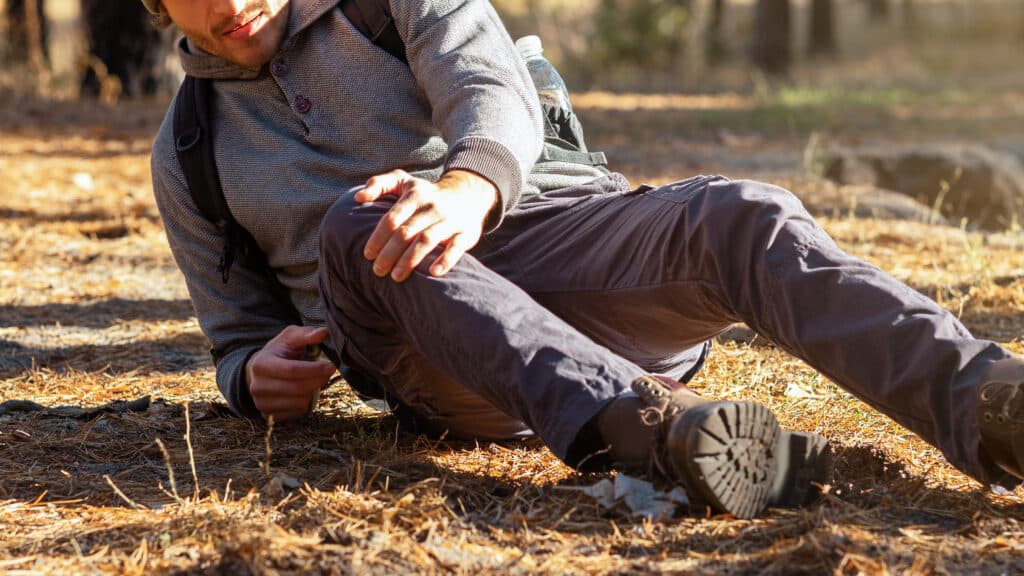
Snake Bite Prevention and Safety in Tasmania
Enjoying Tasmania’s natural beauty comes with the responsibility of understanding snake safety and bite prevention techniques. While encounters with Tasmania’s three venomous snake species are relatively uncommon, knowing how to avoid and respond to potential situations can make your outdoor experiences both safer and more enjoyable. Remember that most snake bites occur when people attempt to kill, capture, or handle snakes—giving these reptiles space and respect is your best prevention strategy.
Recognising Snake Habitats
The first step in snake bite prevention is identifying where you might encounter these reptiles. In Tasmania, snakes typically prefer sunny areas with adequate shelter like rock piles, fallen logs, and dense vegetation. Tiger snakes often inhabit wetlands and waterways, while copperheads prefer grassy areas and forest edges.
Be particularly vigilant during warmer months when snakes are most active, especially in the morning and late afternoon when they bask in the sun. Areas with abundant prey such as frogs and small mammals also attract snakes, so exercise caution around farm buildings, compost heaps, and woodpiles.
Protective Clothing and Footwear
Appropriate attire forms your first line of defense against snake bites. Always wear sturdy, closed footwear when walking in potential snake habitat. Opt for thick socks and long pants rather than shorts, preferably made from heavy materials like denim or canvas.
For high-risk activities like bushwalking through dense undergrowth, consider investing in snake gaiters or snake-proof boots that provide protection above the ankle. Light-colored clothing can help you spot a snake more easily if it’s on your clothes or nearby.
Safe Behaviour in Snake Country
Adopting safe practices significantly reduces your risk of snake encounters. Make noise as you walk to alert snakes of your presence, giving them time to retreat. Always watch where you place your hands and feet, especially when climbing over logs or rocks.
Stick to established paths and avoid reaching into areas you can’t see clearly. If you spot a snake, remain calm and slowly back away—never approach or attempt to move it yourself. Remember that snakes are protected in Tasmania, and harming them is illegal as well as dangerous.
Tips for Bushwalkers and Hikers
When exploring Tasmania’s wilderness areas, carry a compression bandage and know how to apply the pressure-immobilisation technique in case of a bite. Before setting up camp, thoroughly check the area for signs of snake activity.
If a snake blocks your path, wait patiently for it to move on or take a wide detour. Walking with a hiking stick can help you test areas ahead for snake presence. Consider walking with companions when possible, as having someone to assist in an emergency can be lifesaving if a bite occurs.

First Aid for Snake Bites
Swift and appropriate first aid response to snake bites in Tasmania’s wilderness can significantly improve outcomes for victims. While Tasmania has fewer snake species than mainland Australia, all three native species are venomous and require immediate attention. Understanding proper snake bite first aid techniques is essential for anyone exploring the island’s beautiful landscapes.
Pressure-Immobilisation Technique
The pressure-immobilisation technique is the gold standard for snake bite first aid in any setting. This Australian-developed method helps slow venom movement through your lymphatic system, buying crucial time to reach medical help.
To apply this technique correctly:
- Keep the bite victim calm and still to reduce venom spread
- Apply a broad pressure bandage over the bite site and continue wrapping upward
- Wrap firmly (similar tension to a sprained ankle bandage) but not tight enough to restrict blood flow
- Extend the bandage to cover as much of the limb as possible
- Immobilise the affected limb using a splint or sling
- Mark the bandage where the bite occurred to help medical staff
Don’t wait for an emergency to strike. Enrol in a nationally accredited first aid course with FirstAidPro today!
What Not to Do
Several dangerous myths persist about snake bite treatment. Never cut the bite site or attempt to suck out venom—these actions increase infection risk and venom spread. Avoid applying tourniquets, which can cause tissue damage.
Don’t wash the bite area, as venom residue helps medical professionals identify the snake species. Also, avoid giving the victim food, alcohol, or medications that might mask symptoms or complicate treatment.
When to Seek Medical Help
Treat all suspected snake bites as medical emergencies, even if symptoms aren’t immediately apparent. Venom effects can be delayed but potentially life-threatening. Call Triple Zero (000) immediately for any snake bite emergency.
Watch for signs of envenomation including headache, nausea, abdominal pain, vomiting, blurred vision, or difficulty breathing. Even mild symptoms warrant urgent medical attention.
Emergency Services in Remote Areas
Tasmania’s wilderness areas present unique challenges for emergency response. If exploring remote regions, carry a first aid kit with multiple pressure bandages and a communication device.
For wilderness emergencies, contact Tasmania Police on 131 444 who coordinate search and rescue operations. In areas without mobile coverage, personal locator beacons (PLBs) or satellite phones are invaluable. The Tasmanian Air Ambulance service can access many remote locations, but preparation and proper first aid knowledge remain your first line of defence.
Conservation Status and Threats to Tasmanian Snakes
Despite their important ecological roles, Tasmanian snakes are confronting serious conservation threats that require urgent attention. As predators of small mammals and prey for larger animals, these reptiles help maintain the delicate balance of Tasmania’s unique ecosystems. Understanding the challenges they face is crucial for developing effective protection strategies.
Habitat Loss and Fragmentation
The expansion of urban areas, agricultural development, and forestry operations has significantly reduced suitable habitats for Tasmania’s three snake species. When natural landscapes are cleared or divided, snake populations become isolated in habitat fragments, limiting their movement and genetic diversity.
Wetlands drainage particularly affects Tiger Snakes, which rely heavily on these ecosystems. The White-lipped Snake suffers when heathlands are converted to other land uses. Even the adaptable Lowland Copperhead struggles when grasslands are transformed into housing developments.
Road Mortality
Roads cutting through snake habitat create deadly barriers for these reptiles. Vehicle strikes peak during warmer months when snakes are most active. Many snakes are killed while basking on sun-warmed asphalt or crossing roads in search of mates or prey.
Studies show that road mortality disproportionately affects adult snakes during breeding season, potentially impacting population sustainability. Even minor roads through conservation areas can cause significant snake casualties.
Conservation Initiatives
Several targeted conservation programs are working to protect Tasmania’s snake populations. Wildlife corridors connecting habitat fragments allow snakes to move safely between areas. Public education campaigns aim to reduce deliberate snake killings by promoting understanding rather than fear.
Tasmanian Snake Conservation Approaches
| Conservation Approach | Tiger Snake | Lowland Copperhead | White-lipped Snake |
|---|---|---|---|
| Habitat Protection | Wetland preservation | Grassland conservation | Heathland management |
| Road Mitigation | Wildlife underpasses | Roadside fencing | Warning signage |
| Research Focus | Population monitoring | Thermal ecology | Habitat requirements |
| Community Engagement | Education programs | Citizen science | Habitat restoration |
Protected area management now incorporates snake habitat needs into planning decisions. Researchers continue monitoring population trends to identify conservation priorities. With proper protection measures, Tasmania’s unique snake fauna can continue to thrive alongside human development.
Traditional Knowledge and Modern Conservation
Today, there’s growing recognition that Aboriginal snake knowledge can significantly contribute to conservation efforts. This traditional ecological knowledge includes:
- Detailed understanding of snake habitats and behavior patterns
- Recognition of environmental indicators that predict snake activity
- Sustainable approaches to living alongside venomous species
- Cultural practices that promote respect rather than fear
Conservation initiatives that incorporate Aboriginal perspectives often achieve more holistic outcomes. By bringing together traditional knowledge and western science, Tasmania can develop more effective approaches to protecting its unique snake species while honoring the deep cultural connections between the island’s First Peoples and these significant reptiles.
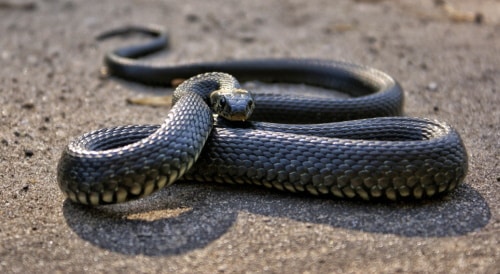
Snake Handling and Relocation Services
Tasmania’s snake relocation experts offer specialised services that ensure both human safety and snake welfare. When you encounter one of Tasmania’s venomous snakes on your property, knowing the right course of action can prevent dangerous situations for both you and the reptile.
When to Call a Professional
Not every snake sighting requires professional intervention, but certain situations demand expert assistance. Call a professional snake handler immediately if you discover a snake inside your home, garage, or shed. These enclosed spaces create dangerous conditions for both you and the snake.
You should also seek professional help when snakes repeatedly appear in high-traffic areas like playgrounds, schools, or busy walkways. If you’re unsure about the snake species or its behavior seems unusual, it’s always safer to contact an expert rather than attempting to manage the situation yourself..
Licensed Snake Handlers in Tasmania
Tasmania has a network of qualified snake handlers who provide prompt removal and relocation services. When selecting a snake removal service, always verify they hold current permits and insurance. Most professional handlers in Tasmania have extensive experience with the three local venomous species.
Reputable snake relocation services typically charge between $100-$200 depending on location and complexity. Many handlers also offer preventative advice to reduce the likelihood of future encounters.
Legal Aspects of Snake Removal
All three snake species in Tasmania are protected under the Nature Conservation Act 2002. It is illegal to kill, capture, or relocate snakes without appropriate permits. Only licensed wildlife handlers can legally remove and relocate snakes in Tasmania.
The penalties for harming protected wildlife can be substantial, including fines exceeding $5,000. Professional snake handlers must follow strict protocols when relocating snakes, ensuring they’re released within suitable habitat close to their capture location.
Snake Removal Services
| Service Type | Response Time | Cost Range | Includes |
|---|---|---|---|
| Emergency Removal | 1-2 hours | $150-$250 | Capture, removal, advice |
| Standard Relocation | Same day | $100-$150 | Capture, relocation, basic advice |
| Property Assessment | Scheduled | $80-$120 | Habitat inspection, prevention recommendations |
| Educational Visit | Booked in advance | $200-$300 | Safety talk, snake awareness, group demonstration |
Photographing Snakes: Ethics and Techniques
The art of photographing Tasmania’s elusive snakes requires a careful balance of technical skill, ethical awareness, and safety precautions. With three venomous species to document, capturing these remarkable reptiles in their natural habitat can be both rewarding and challenging. When done responsibly, snake photography offers a unique opportunity to appreciate these misunderstood creatures while contributing to public education about their importance.

Responsible Wildlife Photography
Ethical snake photography begins with a commitment to the animal’s welfare. Never disturb or manipulate snakes for the sake of a photograph. Maintain a respectful distance that allows the snake to behave naturally without feeling threatened.
Avoid using flash photography when possible, as this can stress the animal. Document snakes exactly as you find them—attempting to move or position them is not only dangerous but also unethical. Remember that these animals play vital roles in Tasmania’s ecosystems.
When sharing your photographs online, consider removing location data for sensitive habitats. This helps protect vulnerable populations from collection or disturbance by others who might not approach with the same ethical standards.
Equipment Recommendations
The right gear makes all the difference when photographing Tasmania’s serpentine residents. A telephoto lens (200-400mm) allows you to maintain a safe distance while still capturing detailed images. For close-up detail shots of scales or eyes, consider a macro lens with at least 100mm focal length.
A tripod provides stability for sharp images, especially in low light conditions when snakes are often active. Quick-release plates enable rapid adjustments when following a moving subject. Consider weather-sealed equipment for Tasmania’s variable conditions.
Snake Photography Guide
| Photography Type | Recommended Lens | Best Time of Day | Key Technique |
|---|---|---|---|
| Habitat Shots | Wide angle (16-35mm) | Golden hour | Include environmental context |
| Portrait Shots | Telephoto (200-400mm) | Mid-morning | Focus on the eyes |
| Behavior Documentation | Telephoto zoom (70-200mm) | Variable | Burst mode shooting |
| Detail/Macro | Macro (100mm+) | Diffused daylight | Stack multiple exposures |
Safety Considerations
No photograph is worth risking a snake bite. Always wear appropriate protective clothing, including closed shoes and long pants, when photographing in snake habitat. Announce your presence by walking heavily to give snakes time to retreat—most bites occur when snakes are surprised.
Never photograph alone in remote areas. Carry a pressure bandage and know how to apply the pressure-immobilisation technique in case of emergency. Keep your phone charged and within reach, and inform someone of your planned location and return time.
Maintain awareness of your surroundings while looking through the viewfinder. It’s easy to become fixated on one snake while another may be nearby. Remember that Tasmanian snakes, particularly Tiger Snakes, can be defensive if they feel cornered during a photography session.
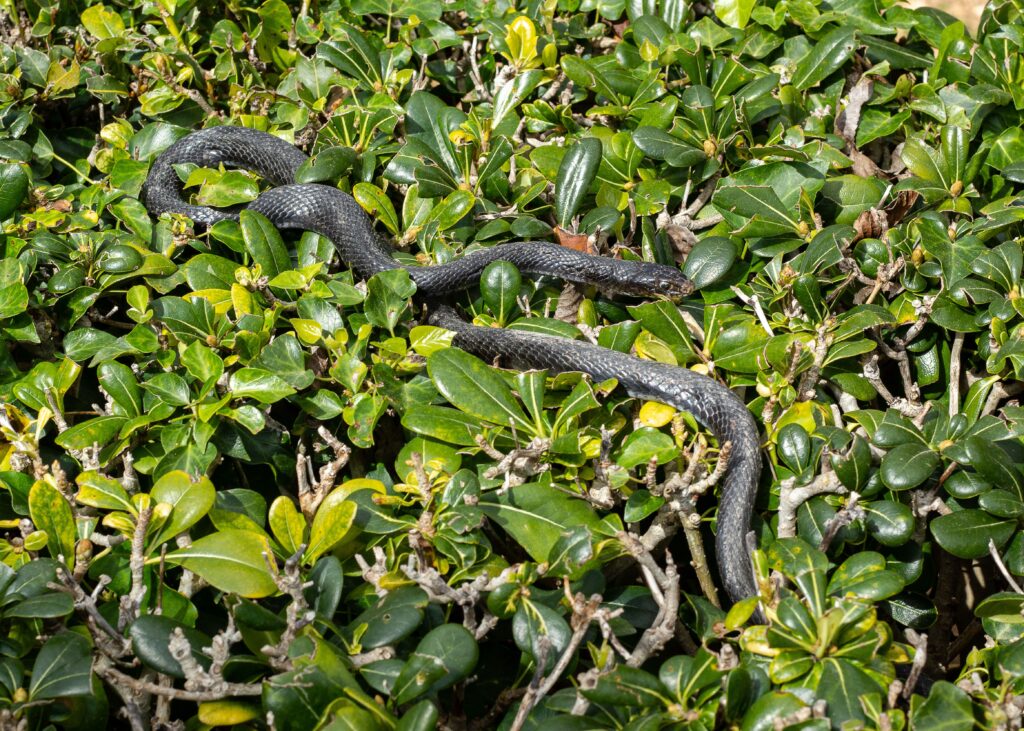
Appreciating Tasmania's Serpentine Residents
As you explore Tasmania’s diverse landscapes, a new perspective on the island’s snakes can transform fear into fascination. These remarkable reptiles aren’t villains from horror stories but vital players in a delicate ecological balance. Tasmanian snake appreciation begins with understanding their crucial role as both predators and prey.
The three venomous species found across the island help control rodent populations that would otherwise damage crops and spread disease. Without these efficient hunters, Tasmania’s ecosystems would quickly fall out of balance. Eagles, hawks, and quolls rely on snakes as an important food source, creating a natural cycle that sustains biodiversity.
You can play a meaningful part in snake conservation awareness by reporting sightings to wildlife authorities. These observations help researchers track population trends and identify areas needing protection. Supporting habitat preservation efforts ensures these animals maintain their natural territories away from human settlements.
Living with snakes becomes easier when you share accurate information with friends and family. Dispel myths about aggressive behavior and emphasize that snakes typically avoid human contact. Teaching children to respect rather than fear these creatures builds a foundation for future conservation.
Tasmania offers a unique opportunity to appreciate snakes in their natural setting. With just three species to learn about, all with distinctive markings, you can become familiar with these fascinating reptiles. Their generally shy nature and the island’s cooler climate make unexpected encounters rare, allowing for a comfortable coexistence.
By viewing Tasmania’s snakes as valuable components of the island’s natural heritage rather than threats, you contribute to a culture of respect for all wildlife. These ancient creatures have lived alongside humans for thousands of years—they deserve our protection and admiration for generations to come.
Make sure you’re prepared for any snakebite emergency. Enrol in a certified first aid training course with FirstAidPro today!
Frequently Asked Questions
Helpful Resources
- Tasmanian Government – Department of Natural Resources and Environment
Comprehensive official information on Tasmanian snake species, identification, habitats, and safety tips.
[nre.tas.gov.au/wildlife-management/fauna-of-tasmania/reptiles-and-frogs/tasmanian-snakes]1 - Australia Wide First Aid – Snakes of Tasmania
Practical guide on Tasmanian snake species and first aid for snake bites.
[australiawidefirstaid.com.au/resources/snakes-of-tasmania]6 - Tasmanian Odyssey – Reptiles in Tasmania
Detailed descriptions and ecology of Tasmanian snakes, including behavior and identification tips.
[tasmanianodyssey.com/wildlife-birds/reptiles]2 - A-Z Animals – Tasmanian Tiger Snake
Facts and natural history about the Tasmanian tiger snake, including its habitat and behavior.
[a-z-animals.com/animals/tasmanian-tiger-snake]3 - Wikipedia – Tiger Snake
General overview, taxonomy, and distribution of the tiger snake, including Tasmanian populations.
[en.wikipedia.org/wiki/Tiger_snake]7 - Bonorong Wildlife Sanctuary – Conservation
Information on Tasmanian wildlife conservation, including rescue services for injured snakes and other animals.
[bonorong.com.au/conservation]