


Sharon has 21+ years of experience as a qualified Emergency Care Nurse registered with the Australian Health Practitioner Regulation Agency (APHRA) and 12+ years as a First Aid Trainer.
She takes pride in FirstAidPro making first aid training available, comprehensive and affordable to everybody.
Could the widespread knowledge of proper opioid overdose response truly save lives? You might be surprised by how often bystanders encounter overdose situations without knowing how to react.
Understanding the essential steps to take during an opioid overdose emergency can mean the difference between life and death. From recognising the signs to administering naloxone, each action plays a significant role in increasing the chances of survival.
As opioid-related incidents continue to rise, it’s more important than ever to familiarise yourself with these life-saving techniques. Let’s explore the ten best steps you should know to effectively respond to an opioid overdose.
Key Takeaways
- Call emergency services immediately and provide clear location details.
- Check for responsiveness, breathing, and pulse; initiate CPR if necessary.
- Administer naloxone if available, following proper techniques for nasal spray or injection.
- Place the person in the recovery position if breathing but unconscious to prevent choking.
- Monitor vital signs continuously and provide information to responders upon arrival.
Recognise Signs of Opioid Overdose
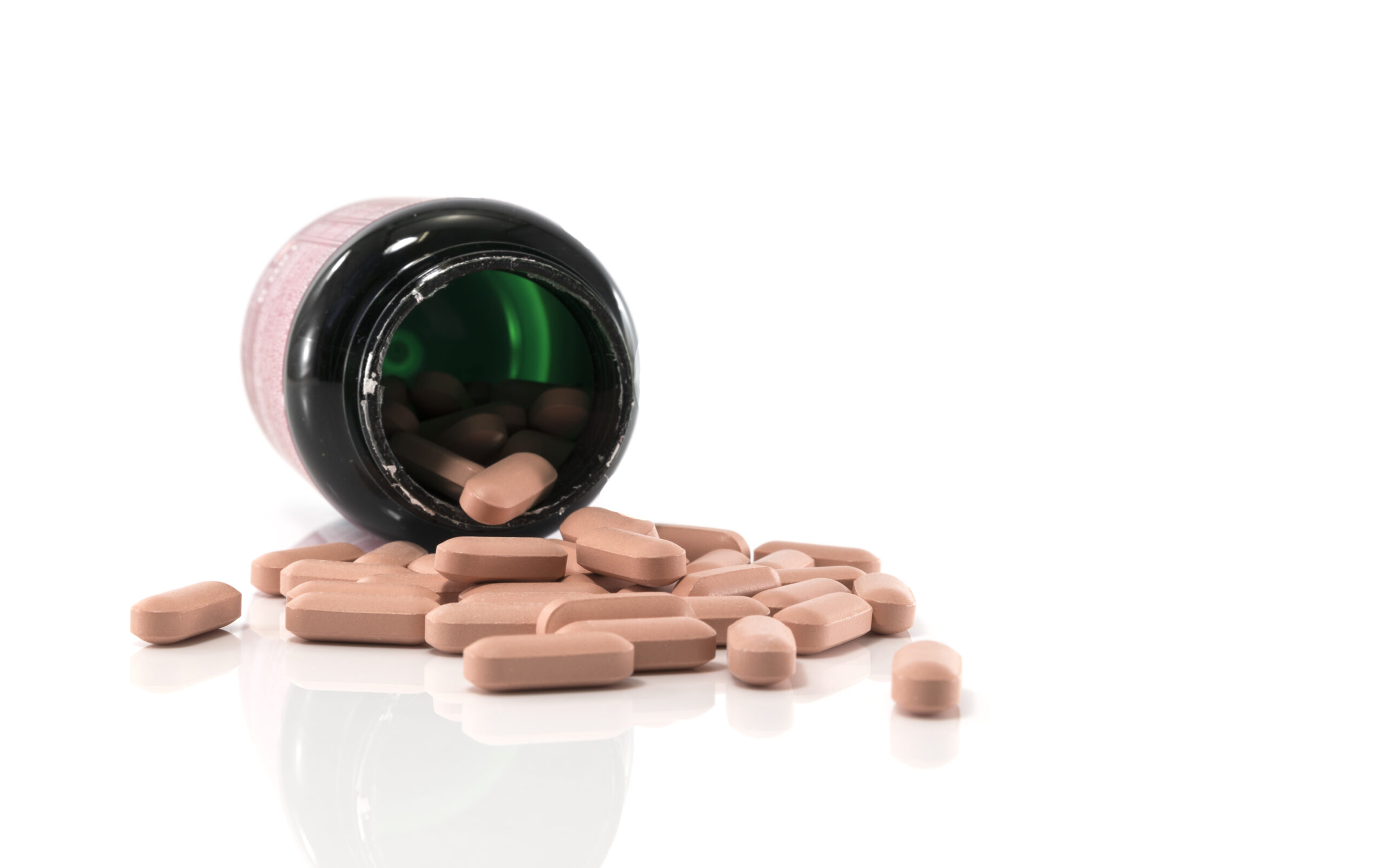
Recognising the signs of an opioid overdose is essential for timely intervention and potentially saving a life. As opioid symptoms can escalate rapidly, it’s vital to be aware of the key indicators. Look for a combination of physical and behavioural changes that suggest overdose risks.
First, observe the person’s breathing. Slow, shallow, or stopped breathing is a significant sign. You may hear gurgling or snoring sounds as the airway becomes obstructed. Check their responsiveness; if they’re unresponsive to voice or touch, it’s a red flag.
Examine their pupils; pinpoint or ‘pinned’ pupils are characteristic of opioid overdose. Skin colour changes are also indicative; look for pale, blue, or grey skin, especially around the lips and fingertips.
Other signs include limpness, cold and clammy skin, and vomiting. In some cases, you might observe seizure-like activity. If you suspect an overdose, don’t wait for all symptoms to appear. Time is significant, and even a few of these signs warrant immediate action.
Call Emergency Services Immediately
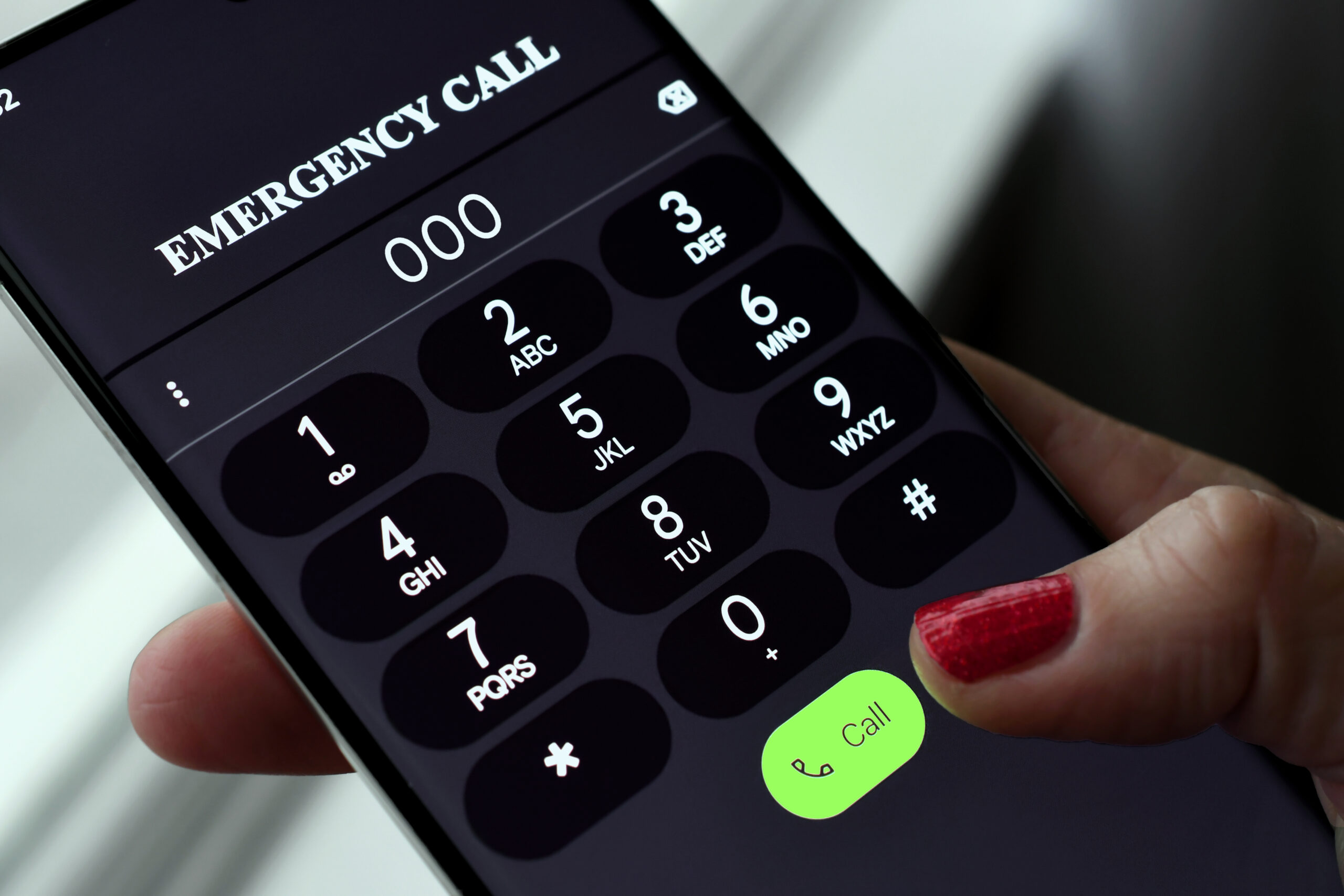
If you suspect an opioid overdose, call 000 immediately.
Clearly provide your exact location and details of the situation to the dispatcher.
Follow all instructions given by the emergency operator carefully, as they’ll guide you through critical steps until help arrives.
Provide Location Details Clearly
When calling emergency services for a suspected opioid overdose, you’ll need to provide clear, specific details about your location to guarantee rapid response. Start by stating your exact address, including street number, street name, suburb, and any relevant landmarks. If you’re in an apartment or complex, specify the building number, floor, and unit. For outdoor locations, describe nearby intersections, prominent buildings, or geographical features.
Maintain location awareness by noting any potential obstacles that might hinder emergency responders, such as locked gates, construction zones, or difficult terrain. If you’re in a large building, designate someone to meet the responders at the entrance and guide them to the scene. As part of emergency preparedness, familiarise yourself with your surroundings in advance, especially in frequently visited locations.
If you’re using a mobile phone, be aware that GPS tracking may not always be precise. Confirm your location verbally and stay on the line with the dispatcher until help arrives.
Follow Dispatcher Instructions Carefully
Once you’ve provided location details, it’s important to listen attentively and follow the dispatcher’s instructions precisely. Dispatchers undergo extensive training to handle various emergency scenarios, including opioid overdoses. Their guidance is essential for ensuring the best possible outcome for the victim.
Stay on the line with the dispatcher unless instructed otherwise. They may ask you to perform specific tasks, such as checking the victim’s breathing or positioning them in a recovery position. Follow these instructions step-by-step, even if you’ve had prior first aid training. The dispatcher’s real-time guidance is tailored to the current situation and based on the most up-to-date protocols.
Administer Naloxone if Available
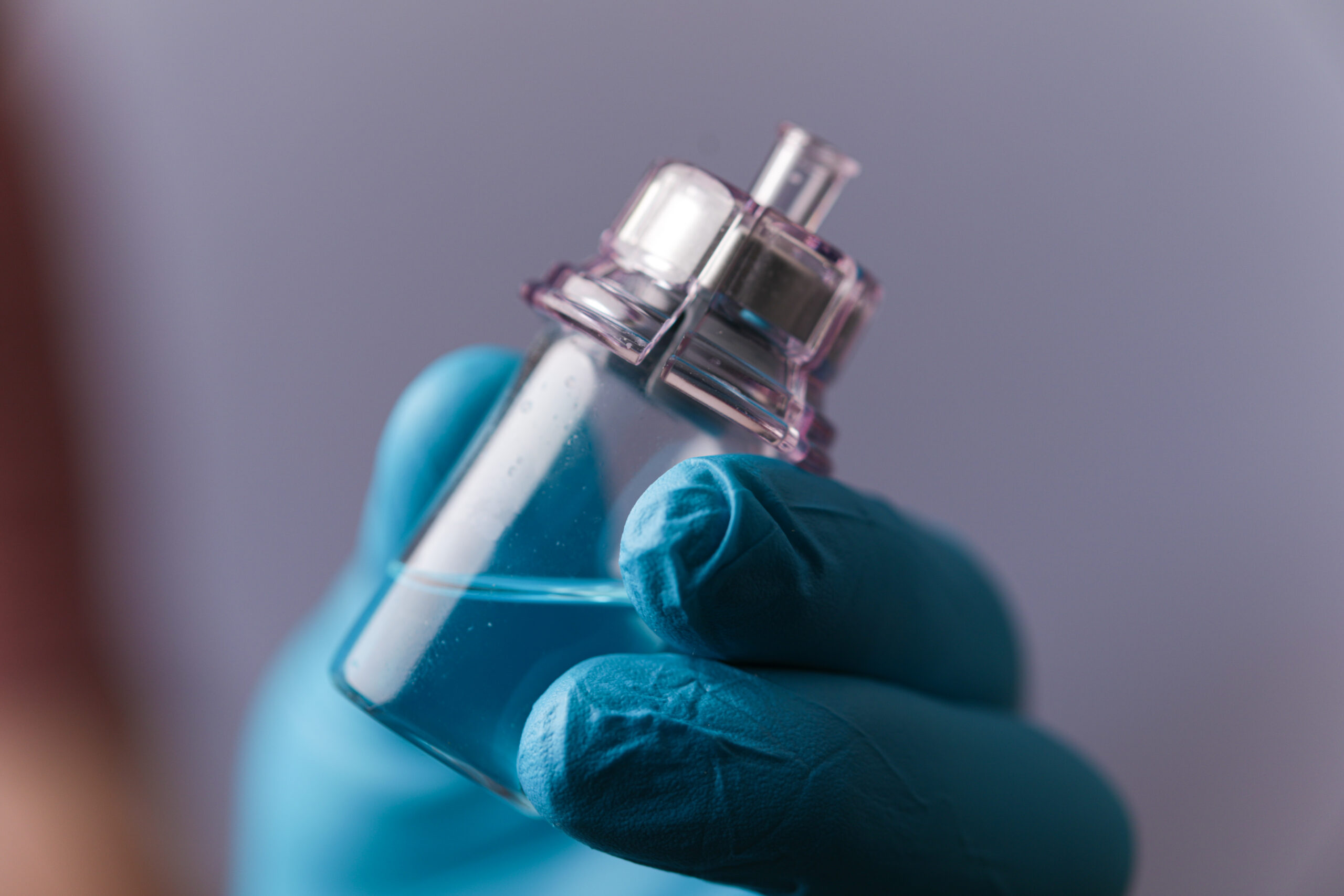
If you have access to naloxone, it’s vital to administer it as soon as possible to reverse the effects of the opioid overdose. Naloxone is a life-saving medication that temporarily blocks opioid receptors, potentially restoring breathing within minutes.
There are several naloxone administration techniques you should be familiar with:
- Nasal spray: Tilt the person’s head back, insert the nozzle into one nostril, and press the plunger firmly.
- Injectable: Draw up the correct dose, inject into the outer thigh or upper arm muscle at a 90-degree angle.
- Auto-injector: Follow the device’s instructions, typically involving placement against the outer thigh and activation of the mechanism.
After administering naloxone, continue monitoring the person’s breathing and be prepared to perform rescue breathing if necessary. If there’s no response within 2-3 minutes, administer a second dose if available.
Perform Rescue Breathing
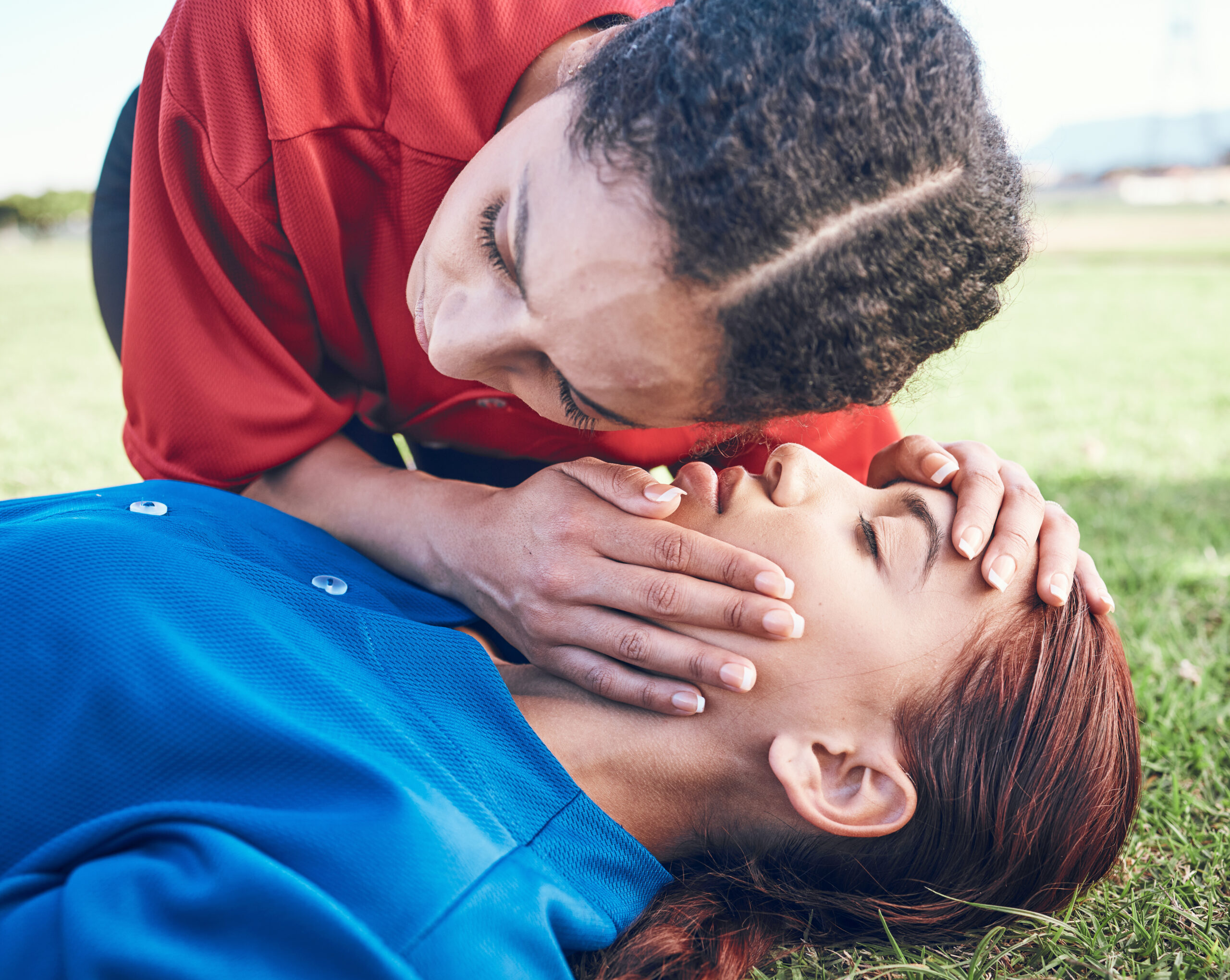
In cases where naloxone isn’t available or proves ineffective, performing rescue breathing becomes essential to sustain oxygen supply to the overdose victim’s critical organs.
Begin by checking the person’s airway for obstructions. Tilt their head back slightly and lift their chin to open the airway. If you’ve been trained in rescue techniques, pinch the victim’s nose shut and deliver two initial rescue breaths, watching for chest rise.
Continue with one breath every five seconds, or about 12 breaths per minute. Confirm each breath lasts about one second and provides enough air to make the chest rise visibly.
If you have access to breathing aids such as a pocket mask or bag valve mask, use them to minimise direct contact and improve air delivery.
If the person begins breathing on their own, place them in the recovery position to prevent choking. Continue to monitor their breathing closely until emergency medical services arrive.
Place in Recovery Position
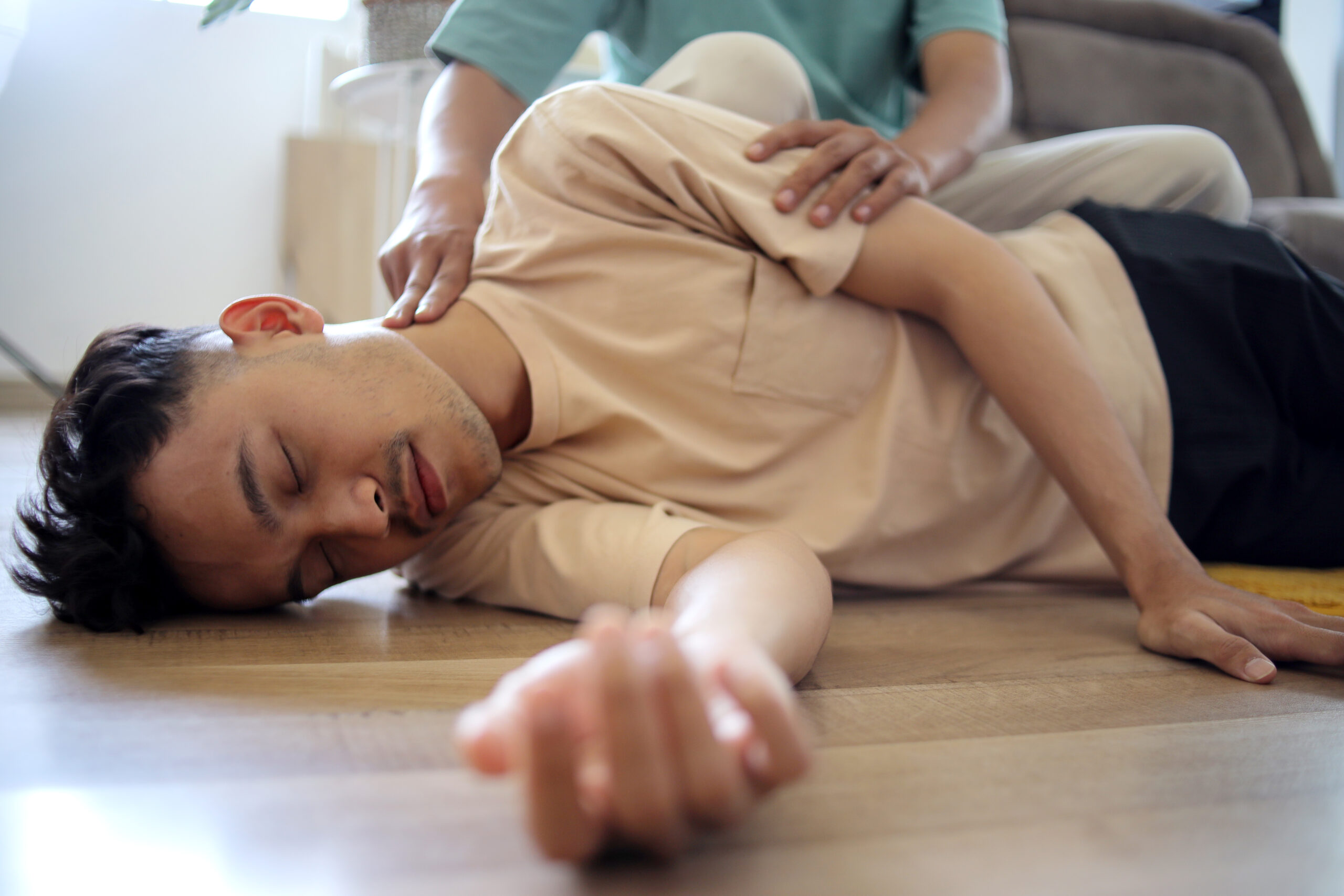
After the victim begins breathing independently, you should position them in the recovery position to protect their airway and prevent aspiration. This technique offers several recovery benefits, including maintaining an open airway, preventing choking on vomit, and reducing the risk of tongue obstruction.
To execute the recovery position, follow these positioning techniques:
- Kneel beside the person and straighten their legs.
- Place the arm nearest to you at a right angle to their body, elbow bent with the hand upwards.
- Bring the far arm across the chest and hold the back of their hand against the cheek nearest to you.
- With your other hand, grasp the far leg just above the knee and pull it up, keeping the foot flat on the ground.
- While holding their hand against their cheek, pull on the far leg to roll the person towards you onto their side.
- Adjust the upper leg so both the hip and knee are bent at right angles.
- Tilt the head back slightly to ensure the airway remains open.
Monitor the person closely and be prepared to roll them onto their back for CPR if breathing stops.
Monitor Until Help Arrives

After placing the person in the recovery position, you must continuously monitor their essential signs.
Check their breathing and pulse regularly, ensuring their airway remains clear and removing any potential choking hazards.
If the person’s condition deteriorates or they remain unresponsive, administer naloxone if available and follow the instructions provided with the medication.
Prevent Future Overdoses

To prevent future opioid overdoses, you should focus on two key areas.
Addiction Treatment Programs
Addiction treatment programmes play a crucial role in preventing future opioid overdoses and breaking the cycle of substance abuse. These programmes offer extensive approaches to address the complex nature of opioid addiction. You’ll find a range of evidence-based treatments tailored to individual needs, including medication-assisted treatment (MAT), cognitive-behavioural therapy, and motivational interviewing.
MAT combines TGA-approved medications like methadone, buprenorphine, or naltrexone with counselling to manage cravings and withdrawal symptoms. Behavioural therapies help you identify triggers, develop coping strategies, and modify harmful thought patterns. Many programmes also incorporate holistic therapies such as mindfulness, yoga, or art therapy to promote overall well-being and stress reduction.
Support groups provide peer encouragement and a sense of community. You’ll benefit from sharing experiences and learning from others who’ve faced similar challenges.
Inpatient programmes offer intensive, structured environments for those requiring 24/7 support, while outpatient options allow you to maintain daily responsibilities. Aftercare planning guarantees continued support post-treatment, reducing relapse risks.
Community Education Initiatives
While healthcare providers play a vital role in preventing opioid overdoses, community education initiatives are equally important in combating this public health crisis. You can actively participate in these efforts to raise awareness and prevent future overdoses.
Community workshops offer valuable opportunities to learn about opioid risks, safe medication storage, and proper disposal methods. These sessions often include hands-on training for naloxone administration, empowering you to respond effectively in emergencies. Attend these workshops to gain essential knowledge and skills.
Outreach programmes extend education beyond traditional settings, reaching vulnerable populations and underserved communities. You can support these initiatives by volunteering or sharing information within your social networks. These programmes often provide free naloxone kits and educational materials, increasing access to life-saving resources.
Additionally, school-based prevention programmes educate youth about opioid dangers and addiction risks. Encourage your local schools to implement these curricula. By fostering open discussions and reducing stigma, you’ll contribute to a more informed and resilient community.
Learn CPR and First Aid
To effectively respond to opioid overdoses, you’ll need to acquire essential life-saving skills through thorough CPR and first aid training.
CPR techniques are critical in maintaining oxygen flow to the brain and vital organs during an overdose. First aid certifications typically include instruction on recognising overdose symptoms and administering naloxone, a life-saving opioid antagonist.
First Aid Pro offers extensive courses that cover both CPR techniques and first aid protocols specific to opioid overdoses. Regular recertification is essential to maintain your skills and stay updated on the latest guidelines.
Frequently Asked Questions
Can You Give Naloxone to Someone Who Isn't Overdosing?
You shouldn’t administer naloxone without clear overdose symptoms. It’s designed to block opioid receptors in overdose cases. Giving it unnecessarily can cause withdrawal in opioid-dependent individuals.
Are There Legal Risks to Helping Someone Who's Overdosing?
You’re generally protected by Good Samaritan laws when helping someone who is overdosing. These legal protections shield you from civil liability if you act in good faith. However, specific laws vary by jurisdiction, so familiarise yourself with local regulations.