


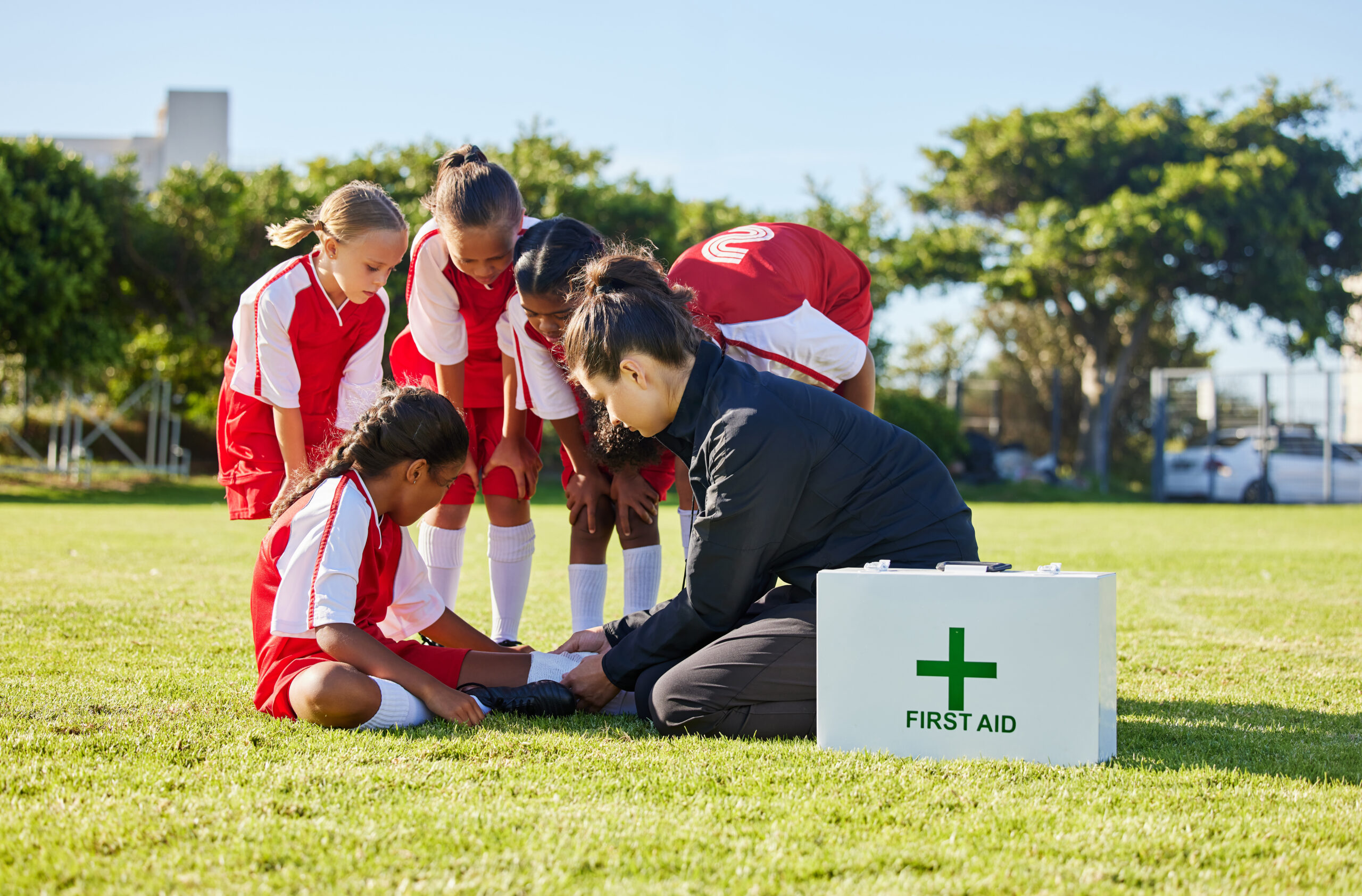
Just as you’re gearing up for your next big game, you stumble upon this list of essential supplies for treating sports injuries.
Whether you’re an amateur athlete or a seasoned pro, having the right tools on hand can make all the difference when accidents happen. These items are vital for managing pain, reducing swelling, and promoting faster recovery.
Key Takeaways
- Elastic bandages and compression wraps provide support, stabilise joints, and help manage swelling in injured areas.
- Athletic tape, available in various types, is crucial for joint stabilisation and muscle support during injury recovery and prevention.
- Reusable hot/cold gel packs offer versatile therapy options for both acute and chronic injury management.

Elastic Bandages for Treating Sports Injuries
Elastic bandages play a key role in providing compression and support to injured areas. They help to reduce swelling and stabilize joints or muscles.
Elastic bandage usage is vital in the immediate aftermath of a sports injury, as well as during the recovery process. When applied correctly, these bandages can limit excessive movement, prevent further damage, and promote proper healing.
Elastic bandage benefits extend beyond mere support. They help improve circulation to the injured area, which can accelerate the healing process. Additionally, they’re versatile and can be used for various injuries, from sprains and strains to contusions.
Athletic Tape
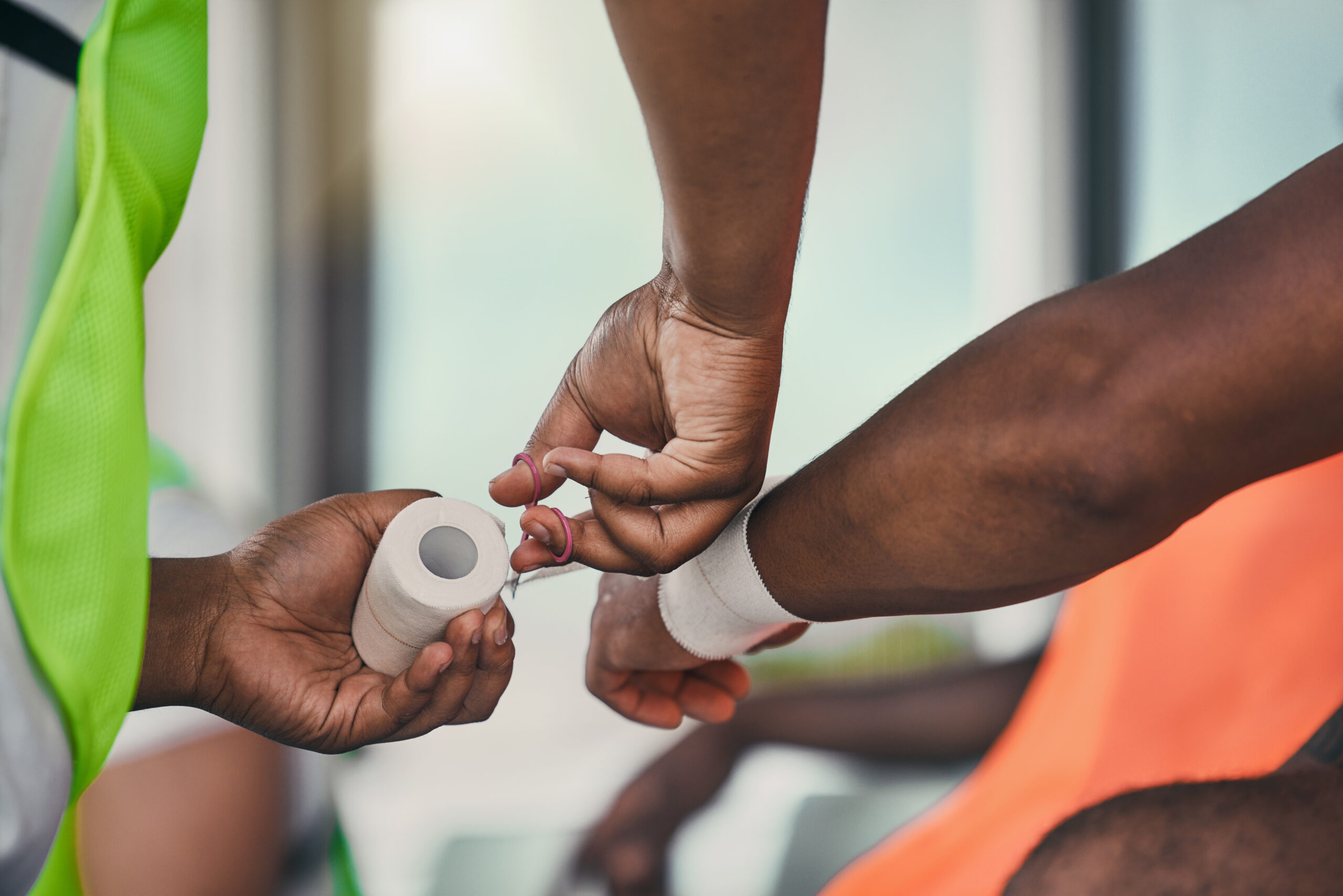
Athletic tape is a vital tool in sports medicine, available in various types for different applications.
Types and Applications
You’ll find various types of athletic tape designed for specific applications in sports injury management and prevention. These tapes play a vital role in both preventive measures and rehabilitation techniques.
Elastic tape offers flexibility while still providing compression, making it suitable for areas that require a range of motion.
Kinesiology tape, with its unique elastic properties, is designed to support muscles and promote lymphatic drainage.
Pain Relief Creams
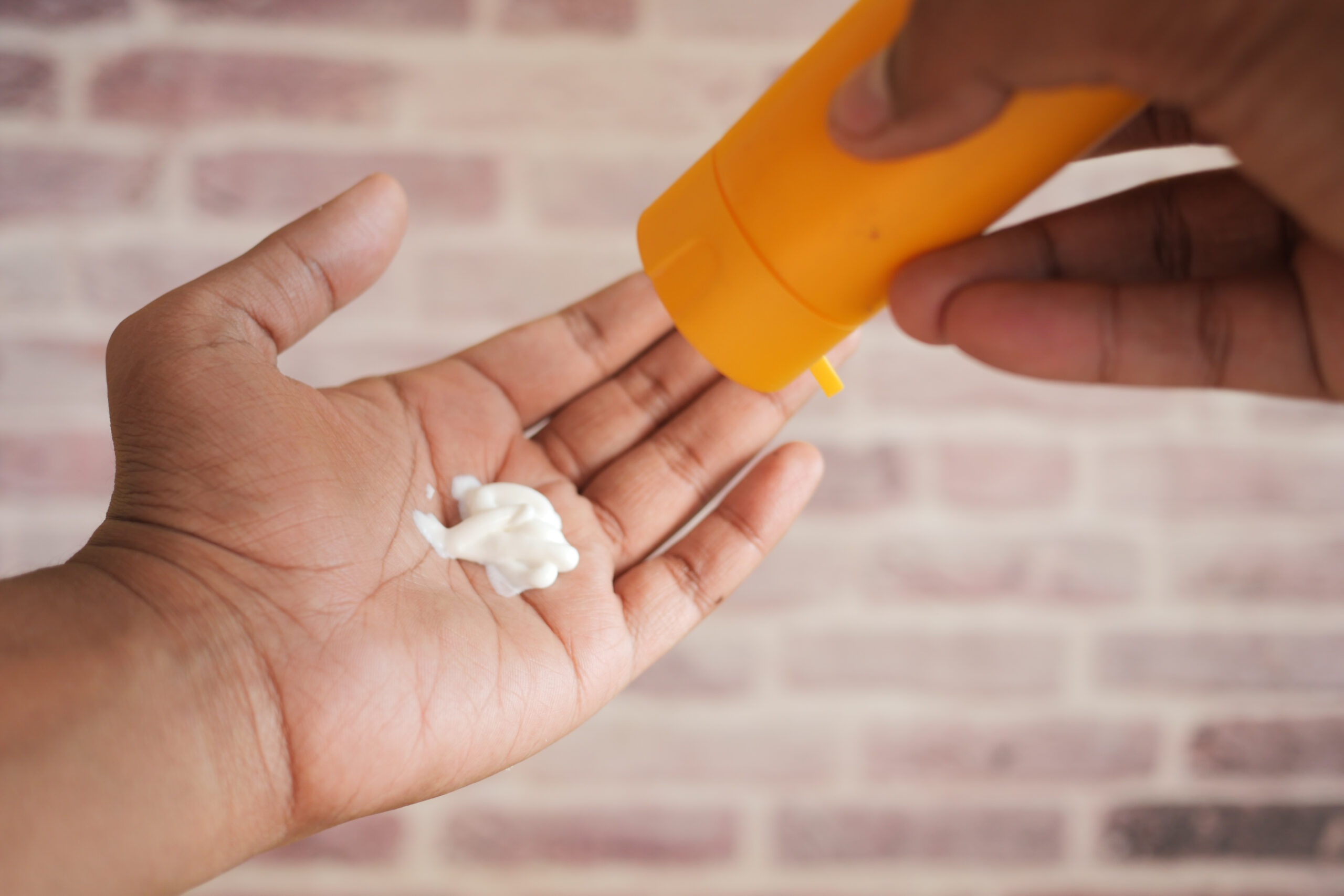
Pain relief creams offer localized treatment for sports injuries through topical application. These creams are designed to penetrate the skin and deliver pain-relieving ingredients directly to the affected area.
Top pain relief creams often contain active ingredients such as menthol, capsaicin, or salicylates, which work to reduce inflammation and numb pain receptors.
When selecting a pain relief cream, consider the specific type of injury and the desired effect. For muscle strains, look for products containing methyl salicylate, which promotes blood flow and reduces pain. For joint injuries, creams with glucosamine and chondroitin may help support cartilage health.
Scissors

Lorem ipsum dolor sit amet, consectetur adipiscing elit. Ut elit tellus, luctus nec ullamcorper mattis, pulvinar dapibus leo.
For precise management of sports injuries, you’ll need high-quality scissors and tweezers to effectively cut and trim bandages, tape, and other materials. These cutting tools are essential for surgical precision in treating athletes and maintaining a sterile environment.
Invest in a pair of bandage scissors with blunt tips to safely cut close to the skin without causing further injury. These specialised scissors allow you to quickly remove tape and bandages while minimising patient discomfort.
Tweezers
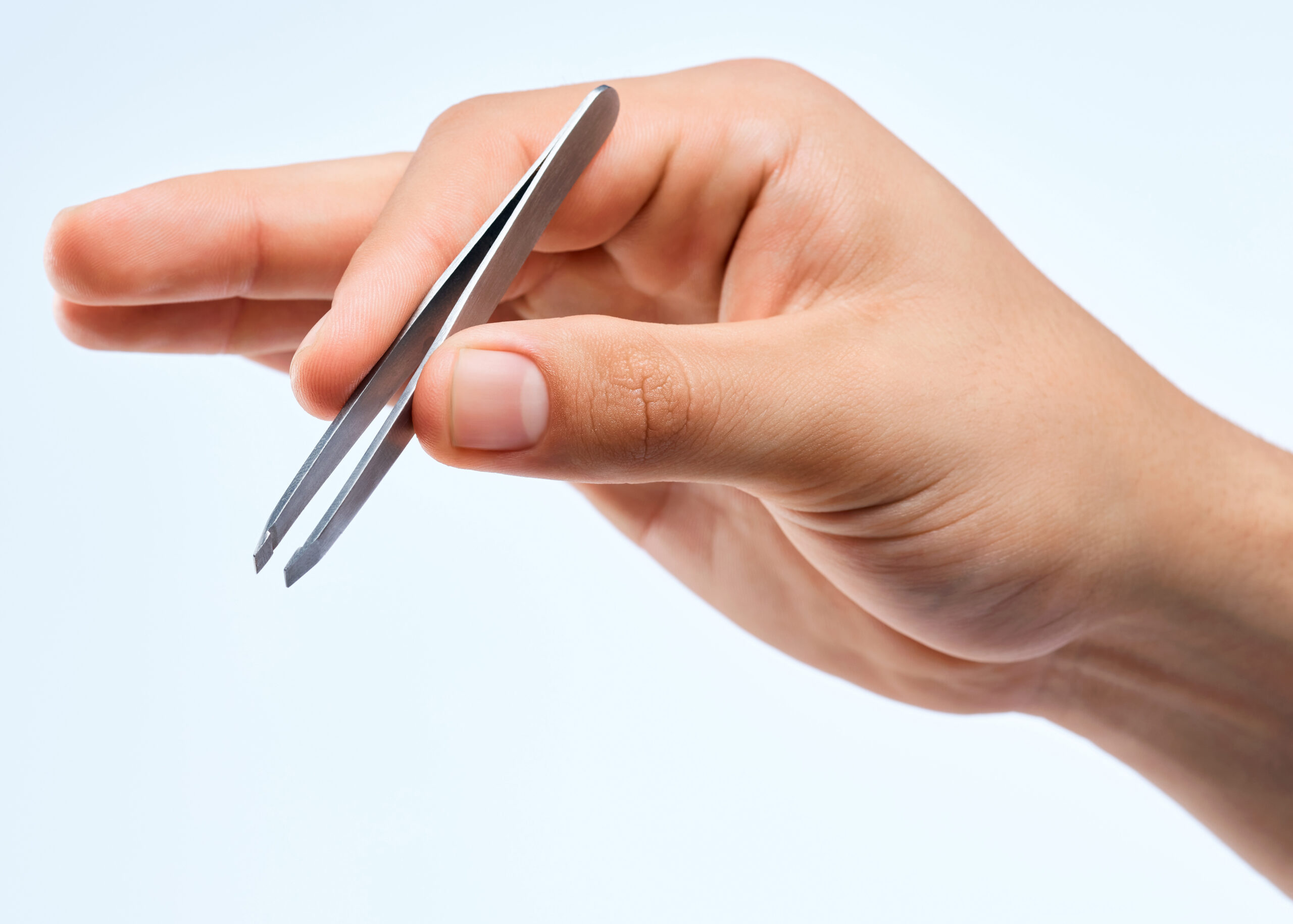
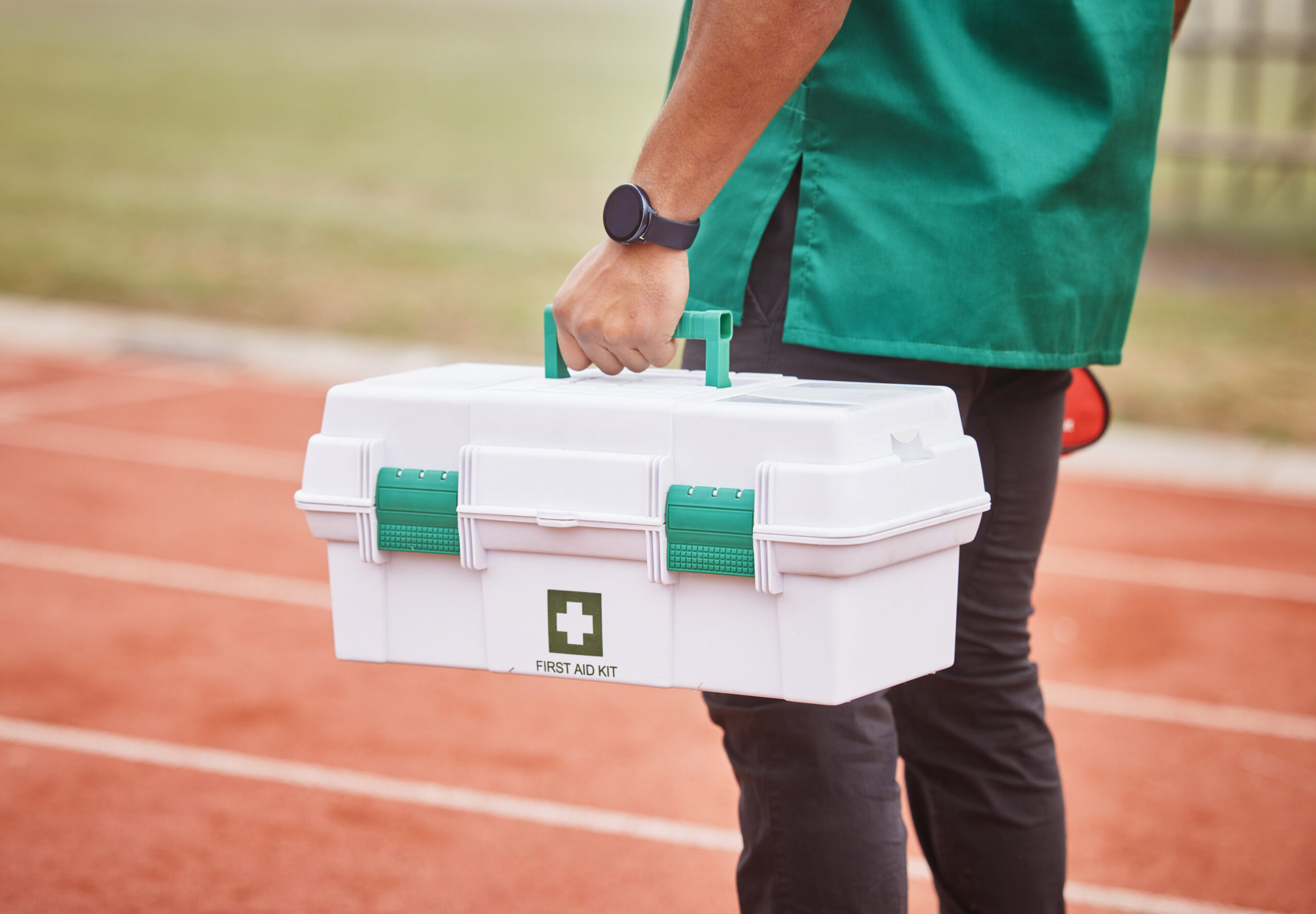
When dealing with embedded foreign objects in sports injuries, you’ll need specialised tools to ensure safe and efficient removal. Sterile scissors and tweezers are essential components of your first aid kit for this purpose. Choose medical-grade stainless steel instruments to guarantee durability and ease of sterilisation.
For wound cleaning and debris extraction, opt for fine-tipped tweezers with serrated edges. These provide a secure grip on small objects like splinters, glass shards, or gravel. Scissors with blunt tips are preferable for cutting away clothing or tape near the wound without risking further injury. Make sure they’re sharp enough to make clean cuts but not so pointed that they might accidentally pierce the skin.
Reusable Hot/Cold Gel Packs
Versatility defines reusable hot/cold gel packs, offering you a flexible solution for both heat and cold therapy in sports injury management. These gel pack benefits extend beyond their dual-temperature functionality, providing cost-effective and environmentally friendly reusable options for athletes and trainers alike. When properly maintained, these packs can last for years, guaranteeing you’re always prepared for unexpected injuries.
Gel packs are designed to conform to body contours, delivering targeted therapy to affected areas. They’re particularly effective for:
- Reducing swelling and inflammation in acute injuries
- Alleviating muscle soreness and stiffness
- Promoting blood circulation for faster healing
- Managing chronic pain conditions
- Facilitating pre-workout warm-ups and post-exercise recovery
When selecting a reusable hot/cold gel pack, consider factors such as size, material durability, and temperature retention capabilities. Opt for packs with leak-proof seals and non-toxic gel contents to guarantee safety during use.
Frequently Asked Questions
When Is It Better to Use Heat Instead of Cold Therapy?
You should use heat therapy when your injury is chronic or older than 48 hours. Heat benefits include increased blood flow and muscle relaxation. Consider heat over cold when there’s no inflammation, as prolonged cold therapy risks tissue damage.
How Often Should I Replace Items in My Sports First Aid Kit?
You should review your kit organisation quarterly, checking supply expiration dates. Replace expired items immediately. Generally, replace non-expired supplies annually or after use. Maintain an up-to-date, well-stocked kit for peak readiness.