



Sharon has 21+ years of experience as a qualified Emergency Care Nurse registered with the Australian Health Practitioner Regulation Agency (APHRA) and 12+ years as a First Aid Trainer.
She takes pride in FirstAidPro making first aid training available, comprehensive and affordable to everybody.
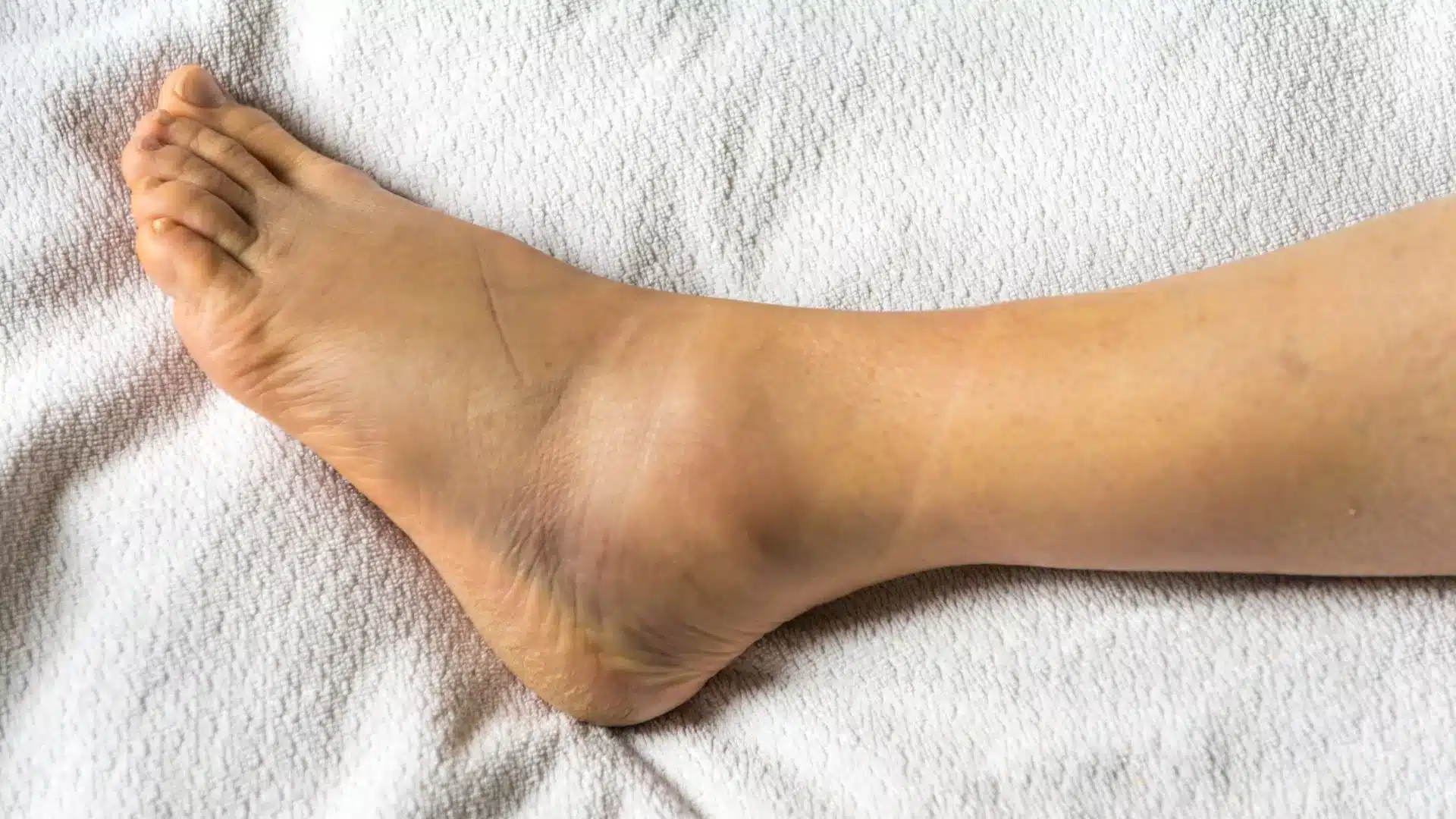
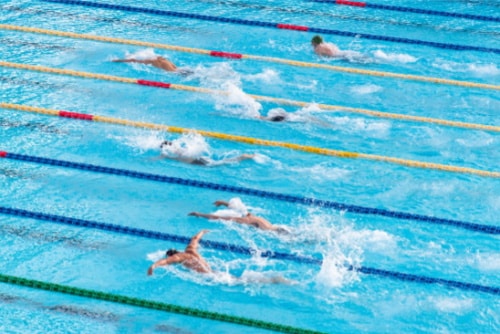
No matter how skilled they are, swimmers know the importance of keeping their bodies in shape. Like any other activity, swimming requires strength and flexibility, which means that your body is at risk of injuries.
“Swimming necessitates intensive, repeated upper-body muscular activity, which may result in injuries that develop over time. The shoulder accounts for most swimming injuries, whereas injuries to the knee, neck, and back are prevalent.” shared fitness, health, and life champion Layla Colling from Health Hero.
Accidents happen, and injuries can sometimes sneak up on you when you least expect them. Hence, here’s a handy guide to help you prevent or treat swimming-related injuries.
What Are Common Injuries Caused By Swimming?
When you swim, you’re using your whole body, especially your upper torso, which develops and improves your flexibility and endurance. Nonetheless, professional swimmers may cover up to 9 miles per day, equating to 2,500 shoulder rotations. Swimming strokes are repetitive, increasing the chance of overtraining the shoulder, spine, knee, and back.
What Can You Do To Prevent Swimming-related Injuries?
Swimming injury prevention begins with proper body care. If you are not healthy, your body will not move as it should, increasing your chance of injury significantly. With that in mind, these five swimming safety precautions are essential for staying safe and preventing swimming-related injuries.
1. Start With A Warm-up
Warming up the joints, muscles, and ligaments prepares your body for activity. Swimmers who don’t have a warm-up routine are more likely to get injured than those who do. Your trainer, coach, or therapist can advise you on the appropriate workouts and stretching for your particular swimming style.
2. Execute Proper Swimming Techniques
Swimming with the appropriate techniques is critical for injury prevention. Allow your instructor or coach (or a fitness instructor at your gym) to observe you swimming a few rounds of each stroke to get a sense of your technique and address any mechanical mistakes that might put you at risk for muscle and joint problems.
3. Strengthen All Of Your Muscle Groups
Don’t only work out the muscles groups you’ll need for swimming. Every part of your body functions together as a unit, so keeping your entire body in shape is crucial to avoiding injuries.
4. Pay Attention To Your Environment
Keep an eye out for walls and other swimmers while swimming in a pool. If you’re swimming in an ocean or lake with limited visibility, set your mind and be especially cautious of other swimmers and obstructions.
5. Never Go Swimming If You’re Unwell
Athletes who are not in peak physical condition pose a risk to themselves and others in the water. Before putting on your suit and jumping in, make it a point you need to recuperate and recover from any sickness or injury.
How To Treat Swimming-related Injuries?
 Swimmers suffering from swimming-related injuries can benefit from physical therapy. Generally, it can help treat injuries by improving strength, flexibility, mobility, and shoulders stability using swimming-specific conditioning and a complete rehabilitation program.
Your physical therapist can develop a treatment plan to strengthen muscles in the upper body, quadriceps, hips, core, and back. It can help, especially if you have weak muscles and imbalances that cause pain and injury.
Moreover, you can use stretching and manual treatment to relieve discomfort caused by tight soft tissue. Your therapist can also include scapular strengthening exercises and a rotator cuff to increase your shoulder strength and stability in your treatment plan.
How Can You Prevent Situations From Getting Worse?
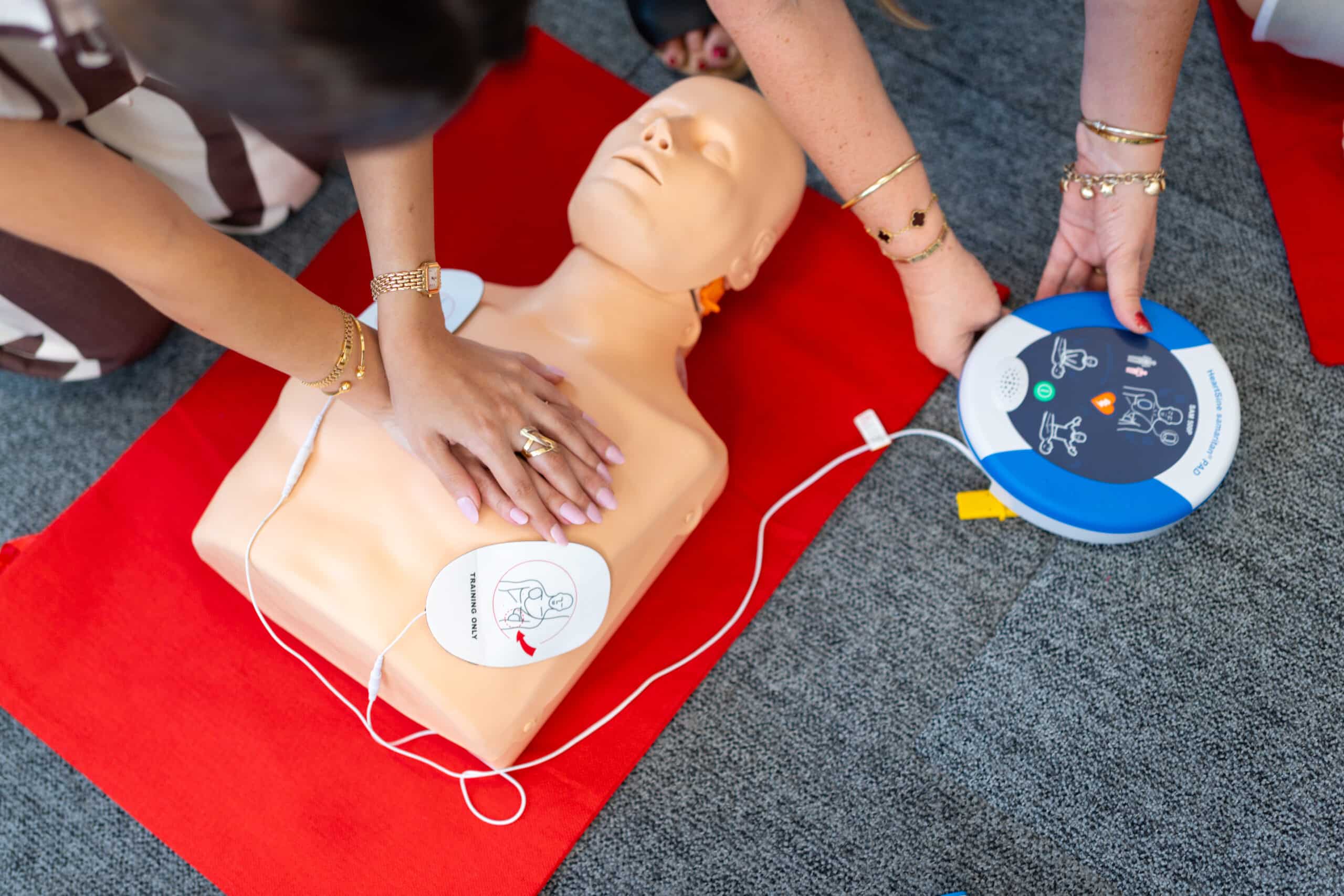
If a person doesn’t get prompt first aid treatment for a swimming related injury, the condition can quickly worsen. With some basic first aid knowledge, you can stabilise an injured person (or even administer first aid to yourself) until emergency medical help arrives. If you don’t have access to a first aid kit, you can even use commonly available objects as emergency first aid supplies, allowing you to you treat various types of injury with only the resources at your disposal.
Take Time To Learn First Aid And Save Lives
FirstAidPro’s first aid courses provide comprehensive training that will prepare you for various emergencies and equip you with the knowledge and expertise to promptly, appropriately, and effectively deal with medical issues.
Check out our Course Calendar or Zoom Courses to learn more about our available offers. Please, don’t hesitate to reach out to us if you have any questions or concerns.