


The Eastern Brown Snake is Australia’s second most venomous land snake and causes more deaths from snakebite than any other species across the continent. This deadly eastern brown snake, is also ranked number 2 in the world for venomous land snakes, and is found from Queensland to South Australia, posing a significant threat to outdoor workers, rural communities, and anyone venturing into areas where this dangerous reptile is present.
Australia hosts some of the world’s most venomous snakes, with the eastern brown snake leading the casualty statistics. Understanding proper first aid response for snake bite incidents could mean the difference between life and death. This comprehensive guide provides essential knowledge for recognising, responding to, and preventing encounters with this dangerous snake.
Ready to gain life-saving skills? Enrol in a nationally recognised first aid course with First Aid Pro today and learn the critical techniques that could save a life during a snake bite emergency.
Key Takeaways
Critical Knowledge Points:
- Eastern brown snakes cause more deaths from snake bite than any other Australian snake species
- Early collapse can occur within 10-60 minutes of envenomation, often with minimal initial symptoms
- Pressure Immobilisation Bandage (PIB) technique is the gold standard first aid treatment for all Australian snake bites
- Up to 80% of bites may be “dry,” but all must be treated as medical emergencies
- Professional first aid training provides essential skills for effective emergency response
- Prevention through habitat awareness and safe behaviour is always preferable to emergency treatment
Essential Action Steps:
- Call 000 immediately for all suspected snake bites
- Apply PIB technique from bite site covering the entire affected limb
- Keep victim completely still and provide reassurance
- Never wash bite site, cut wounds, or attempt snake capture
- Seek immediate professional medical care with antivenom capability
- Maintain current first aid certification and PIB technique proficiency
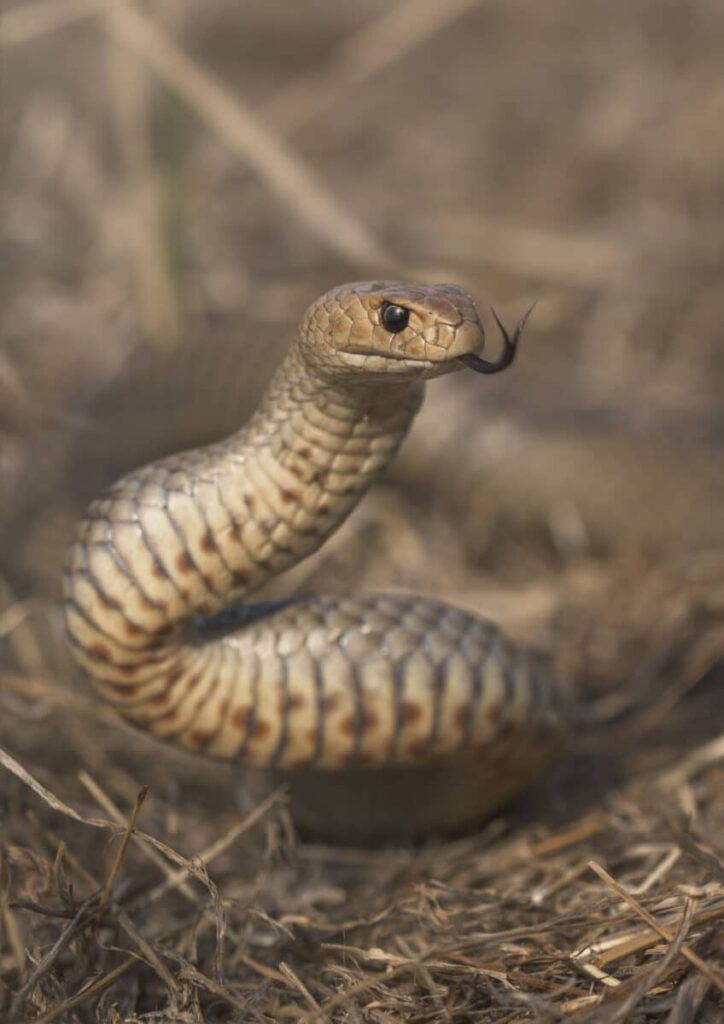
What Makes the Eastern Brown Snake Australia's Most Dangerous Reptile?
As we have stated, the Eastern Brown Snake is responsible for more deaths from snakebite than any other species in Australia. This is due to a combination of its highly toxic venom and its wide distribution across populated areas, especially in eastern Australia. Most sources report that the Eastern Brown Snake is involved in about 60–65% of all snakebite deaths and it is the most commonly encountered dangerous snake in Australia
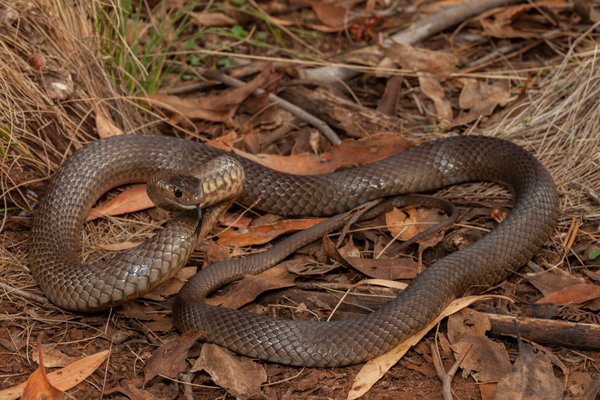
Eastern Brown Snake Identification and Habitat Distribution Across Australia
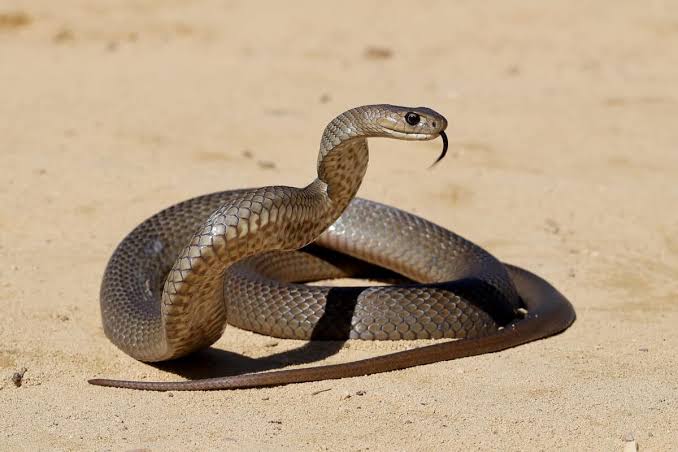
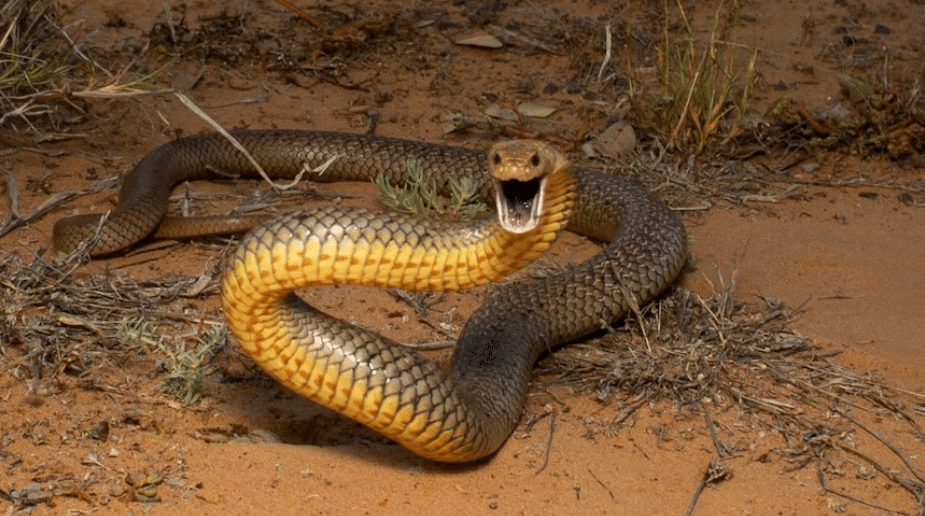
The eastern brown snake (Pseudonaja textilis), also known as the common brown snake, is a slender snake that can reach lengths of up to 2 metres, though most adult snakes average 1.2 to 1.5 metres. Despite its name, this species of snake displays remarkable colour variation, ranging from pale brown to dark brown, with some specimens appearing almost black or displaying orange and grey tones.
Physical Characteristics:
- Slender build with relatively small head
- Smooth, glossy scales
- Orange iris with round pupil and thick black rim
- Belly typically cream to yellow with dark spots
- Juvenile eastern brown snake often displays more distinct banding
Distribution Across Australia
| State/Territory | Habitat Presence | Primary Locations |
|---|---|---|
| Queensland | High density | Coastal plains, inland regions |
| New South Wales | Very common | Eastern and central areas |
| Victoria | Moderate presence | Northern and eastern regions |
| South Australia | Limited range | Eastern borders |
| Australian Capital Territory | Present | Surrounding bushland |
The eastern brown snake is active during the day and also on warm nights and favour open woodlands, grassland, scrublands, and farmland areas throughout eastern Australia. Unlike some snake species that prefer dense vegetation, eastern browns thrive in areas with scattered trees and rocky outcrops. They’re particularly common around agricultural properties where their primary prey – small mammals – are abundant.
This venomous snake found across multiple states demonstrates remarkable adaptability to different environments. In fact it has also been found in the Northern Territory and Papua New Guinea. From the wetter fringes of eastern Australia to drier inland regions, the eastern brown snake has established itself as one of the most successful reptile species on the continent.
Understanding Eastern Brown Snake Venom Potency and Effects
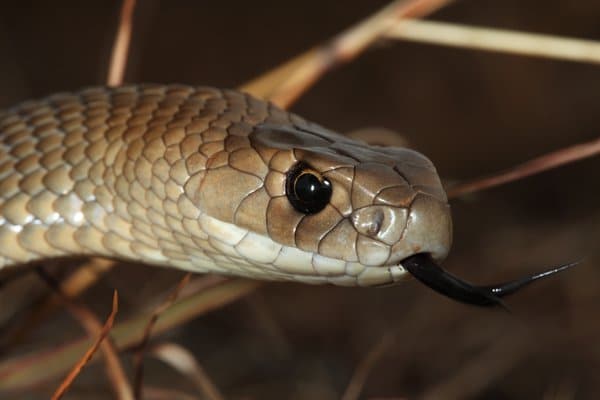
The venom of the eastern brown snake contains a lethal cocktail of neurotoxins, cardiotoxins, and blood coagulants that makes it one of the most venomous snakes in the world.
The method used to compare snake venom toxicity was pioneered by Melbourne’s Commonwealth Serum Laboratory (CSL) in the 1970s. Researchers calculated what’s known as the LD50—short for Lethal Dose 50—by injecting venom into mice and noting the quantity needed to kill 50% of them. A lower LD50 indicates higher venom potency. The Eastern Brown Snake’s venom, with an LD50 of 0.053mg/kg, is so toxic that a single bite could kill almost 200,000 mice.
This means that the Eastern Brown’s venom is approximately 12.5 times more toxic than that of an Indian cobra when measured using standardised testing methods.
Venom Composition and Effects:
- Neurotoxins: Attack the nervous system, causing paralysis
- Cardiotoxins: Affect heart function and blood pressure
- Coagulants: Disrupt blood clotting mechanisms
- Tissue damaging enzymes: Cause local cell death
The venom contains amounts of highly toxic compounds that can kill a human adult within 30 minutes if left untreated. The eastern brown snake injects an average of 5-10mg of venom per bite, though their venom glands can hold up to 20mg – far exceeding the 1-2mg lethal dose for humans.
What makes the eastern brown snake particularly dangerous compared to other venomous snakes in the world is the rapid onset of symptoms. The venom travels through the lymphatic system to the bloodstream, where it quickly begins affecting vital organs. This species of Australian snake is responsible for more deaths than the infamous inland taipan, despite the taipan having more potent venom, simply due to the frequency of human encounters.
How to Recognise Eastern Brown Snake Bite Symptoms in Emergency Situations
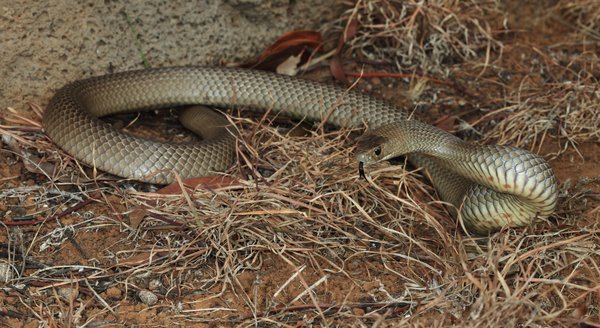
Immediate Signs and Symptoms of Eastern Brown Snake Envenomation
Recognising the signs of an eastern brown snake bite is crucial for providing effective first aid. Unlike bites from some other snake species, eastern brown snake bites may initially appear deceptively minor, with fang marks that can be almost invisible or mistaken for scratches.
Initial Bite Characteristics:
- Minimal or absent visible puncture wounds
- Little to no immediate pain at bite site
- Possible single fang mark rather than paired marks
- Limited local swelling or bruising
The most distinctive feature of eastern brown snake envenomation is the potential for early collapse syndrome. This phenomenon, more uncommon among Australian snake bites, can occur within 10-60 minutes of the bite and may be the only early indicator of serious envenomation.
Progressive Symptom Timeline
| Time After Bite | Symptoms |
|---|---|
| 0-30 minutes | Possible early collapse, nausea, headache |
| 30-60 minutes | Abdominal pain, vomiting, weakness |
| 1-2 hours | Difficulty swallowing, double vision |
| 2-6 hours | Breathing difficulties, bleeding disorders |
| 6+ hours | Kidney failure, cardiac arrest (if untreated) |
Critical Warning Signs Requiring Immediate Medical Intervention
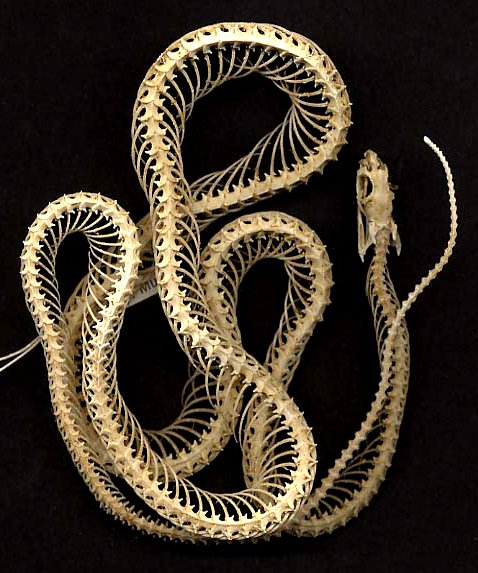
Several critical symptoms indicate severe envenomation requiring immediate emergency response. These warning signs can develop rapidly and may progress to life-threatening complications within hours.
Neurological Symptoms:
- Ptosis (drooping eyelids)
- Difficulty speaking or swallowing
- Double or blurred vision
- Muscle weakness progressing to paralysis
- Respiratory distress
Cardiovascular Symptoms:
- Rapid or irregular heartbeat
- Dramatic blood pressure changes
- Chest pain
- Early collapse or fainting
Bleeding Disorders:
- Bleeding from bite site that won’t stop
- Nosebleeds or bleeding gums
- Blood in urine or stool
- Easy bruising or spontaneous bleeding
Get properly trained to handle emergencies such as snakebite. Book your nationally recognised first aid course at FirstAidPro now and be equipped to become a confident first aid responder.
Dry Bites vs Venomous Bites: What First Aiders Need to Know
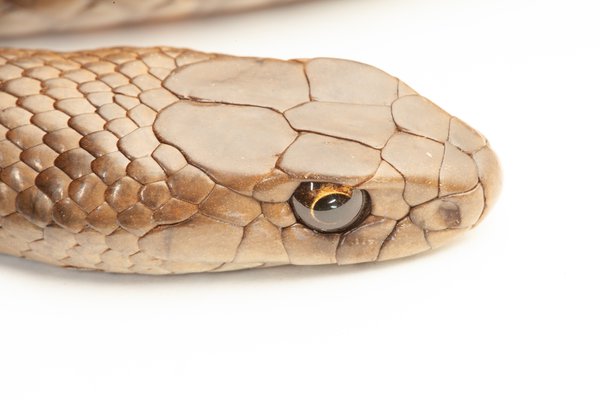
Research indicates that up to 80% of eastern brown snake bites are “dry bites” – where the snake strikes but injects no venom. However, this statistic should never provide false reassurance, as determining whether venom has been injected is impossible without medical testing.
Why All Bites Must Be Treated as Emergencies:
- Delayed symptom onset can occur hours after the bite
- Amount of venom injected varies unpredictably
- Individual sensitivity to venom differs significantly
- Secondary complications like infection or allergic reactions possible
Even experienced snake handlers cannot reliably predict whether a bite is dry or venomous based on initial presentation. The Australian Museum emphasises that all snake bite incidents should receive immediate emergency medical attention regardless of initial symptoms or appearance.
Pressure Immobilisation Bandage Technique for Eastern Brown Snake Bites
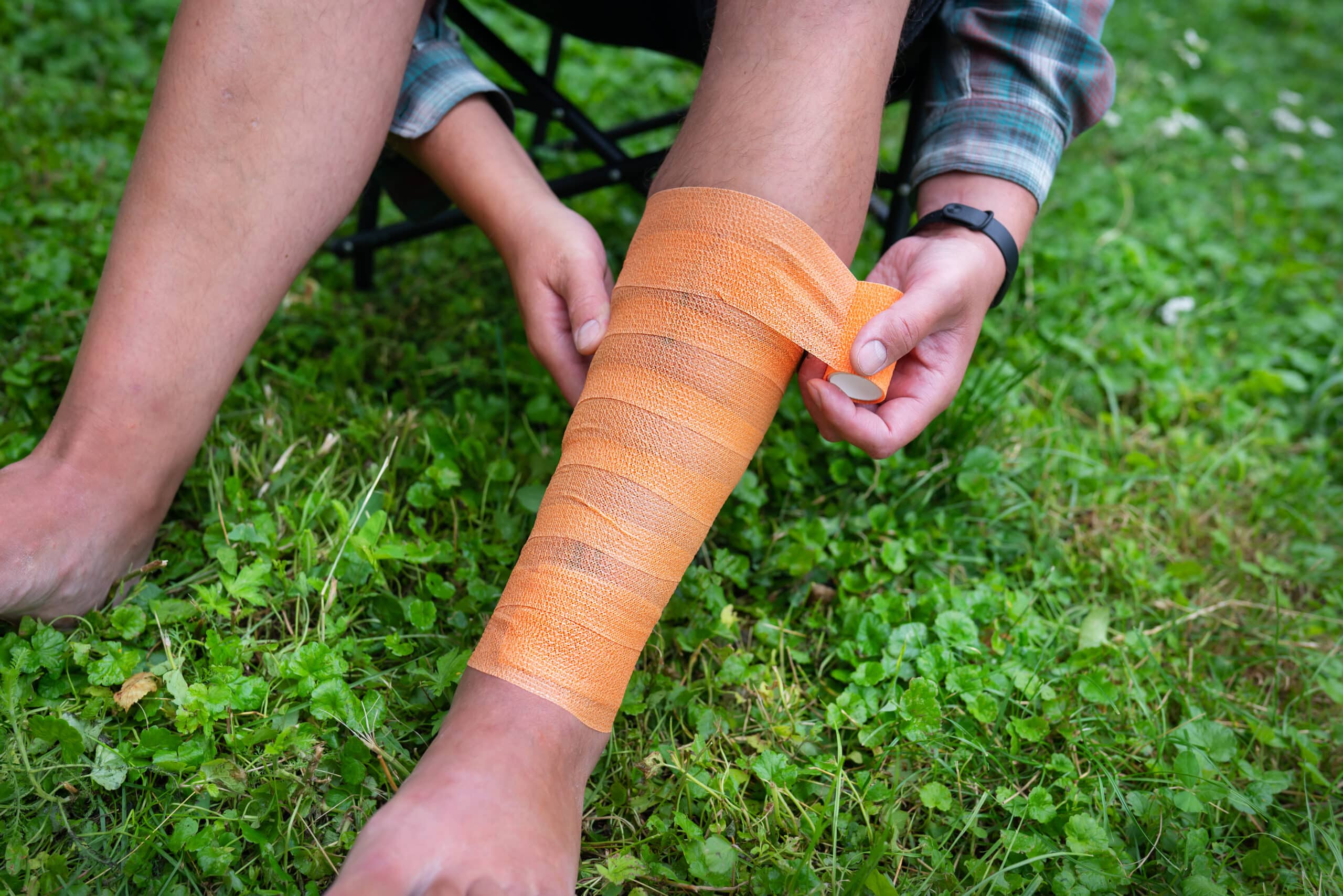
Step-by-Step PIB Application Following Australian Resuscitation Council Guidelines
The Pressure Immobilisation Bandage (PIB) technique is the gold standard first aid treatment for all Australian snake bites, including those from the eastern brown snake. This method works by applying external pressure to slow the movement of venom through the lymphatic system, buying critical time until professional medical care becomes available.
PIB Application Steps
| Step | Action | Key Points |
|---|---|---|
|
1
|
Apply broad bandage over bite site | Use 10-15cm wide elastic bandage |
|
2
|
Start second bandage at fingers/toes | Begin at extremities of affected limb |
|
3
|
Wrap firmly up entire limb | Maintain pressure equivalent to sprained ankle |
|
4
|
Check circulation | Fingernails should return to pink when pressed |
|
5
|
Apply splint | Immobilise joints above and below bite |
|
6
|
Mark bite location | Write on bandage or take photo |
The bandage should be tight enough that you cannot easily slide a finger underneath, but not so tight that it cuts off blood circulation completely. Think of the pressure needed for a sprained ankle support – firm but not restrictive.
Always remember that in any emergency first aid situation you must always follow the DRSABCD action plan.
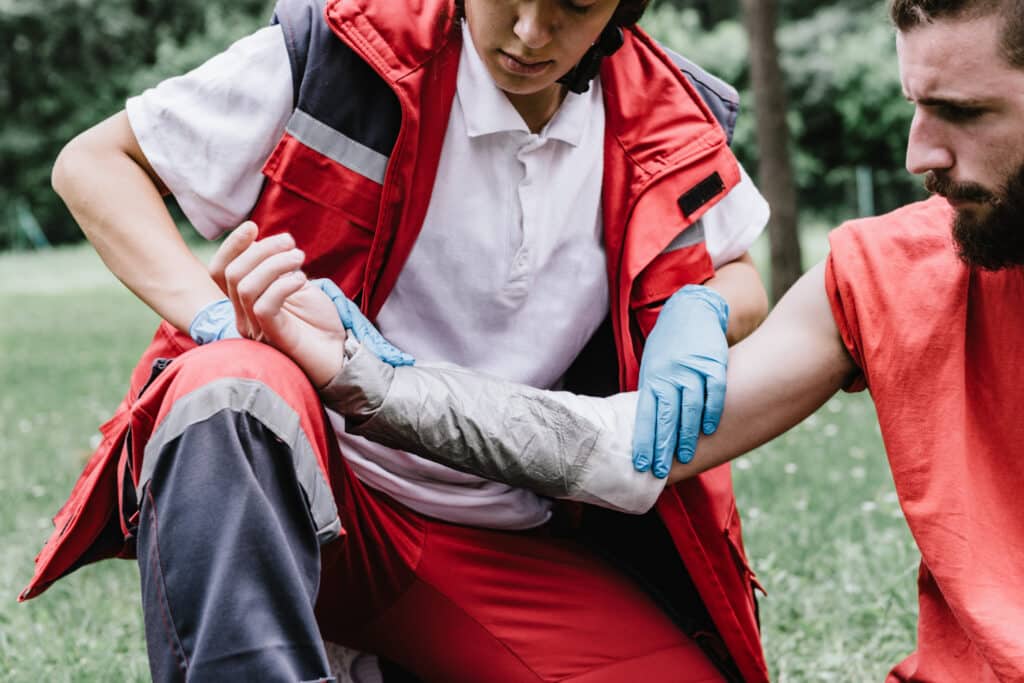
When and How to Apply Splinting for Snake Bite Immobilisation
Proper immobilisation is as crucial as the pressure bandaging itself. The goal is to prevent muscle movement that could pump venom through the lymphatic system more rapidly.
Splinting Materials and Techniques:
- Rigid materials: wooden boards, rolled newspapers, umbrella
- Flexible options: cardboard, thick magazines
- Improvised splints: trekking poles, tent poles, large branches
Application Guidelines:
- Lower limb: Splint from foot to hip, immobilising ankle, knee, and hip joints
- Upper limb: Use sling and bandaging rather than rigid splint
- Patient positioning: Keep victim lying flat or sitting upright supported
The splint should be applied over the pressure bandages and secured with additional bandaging or tape. Ensure the splint extends beyond the joints on either side of the bite location to prevent any movement that could accelerate venom distribution.
Common PIB Application Mistakes That Could Prove Fatal
Several critical errors in PIB application can reduce effectiveness or even worsen outcomes. Understanding these mistakes is essential for proper technique.
Dangerous Mistakes to Avoid:
- Tourniquet Application: Never apply a tourniquet for snakebite as this would cut off blood flow completely
- Insufficient Pressure: Loose bandaging allows continued lymphatic flow
- Partial Limb Coverage: Leaving gaps allows venom to bypass pressure points
- Premature Removal: Only medical professionals should remove PIB in hospital settings
- Delayed Application: Every minute counts – apply PIB immediately
Quality Indicators for Proper PIB:
- Bandage extends from bite site to full limb length
- Consistent pressure maintained throughout
- Circulation preserved (pink nail beds)
- Patient comfort maintained for extended periods
- Clear marking of bite location for medical teams
Emergency Response Protocol for Eastern Brown Snake Bite Incidents
The first few minutes after an eastern brown snake bite are critical for patient survival. Proper emergency response can significantly improve outcomes and buy valuable time for medical intervention.
Immediate Action Sequence:
- Ensure Safety: Move victim away from snake area
- Call Emergency Services: Dial 000 without delay
- Keep Victim Still: Minimise all movement to slow venom spread
- Remove Restrictive Items: Take off rings, watches, tight clothing before swelling occurs
- Reassure Patient: Keep them calm to reduce heart rate and venom circulation
Critical Information for Emergency Services:
- Exact location and accessibility for ambulance
- Time of bite occurrence
- Description of snake if safely observed
- Current symptoms and victim’s condition
- Any known allergies or medical conditions
Actions to Avoid During Snake Bite First Aid Response
Several common first aid myths and instinctive reactions can actually worsen outcomes for snake bite victims. Understanding what NOT to do is as important as knowing correct procedures.
Never Attempt These Actions:
- Washing the bite site: Venom residue helps medical teams identify snake species
- Cutting the wound: Increases bleeding and infection risk without removing venom
- Sucking venom out: Ineffective and dangerous to the person attempting it
- Applying ice or heat: Can worsen tissue damage and mask symptoms
- Catching or killing the snake: Risk of additional bites and wastes critical time
Movement Restrictions: The victim should remain as still as possible throughout the entire emergency response. Even walking to a vehicle can significantly accelerate venom distribution through the lymphatic system. If transportation is necessary, carry the victim on a stretcher or have them remain seated while others provide transport.
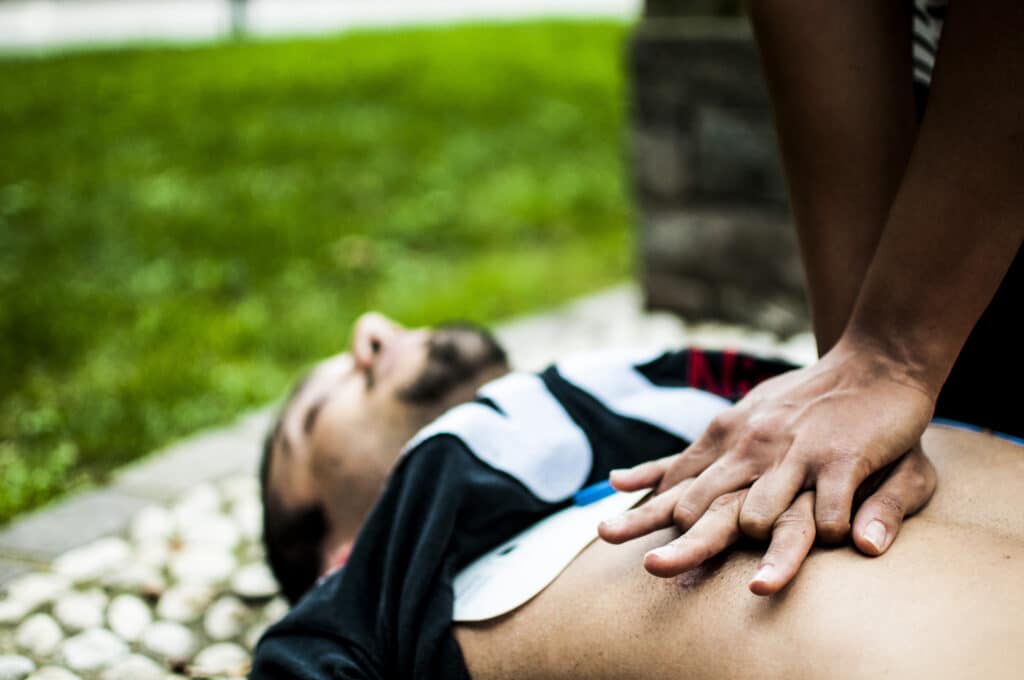
DRSABCD Protocol Application for Unconscious Snake Bite Victims
When an eastern brown snake bite victim becomes unconscious, the situation becomes immediately life-threatening. Early collapse is a distinctive feature of brown snake envenomation and requires immediate CPR intervention.
Unconscious Victim Response:
- Check Responsiveness: Gently shake shoulders and call loudly
- Open Airway: Tilt head back, lift chin
- Check Breathing: Look, listen, feel for 10 seconds maximum
- Begin CPR: perform chest compressions at a rate of 100-120 per minute in cycles of: 30 chest compressions followed by 2 rescue breaths
- Continue Cycles: Maintain 30:2 ratio until help arrives
Important CPR Considerations for Snake Bite:
- Venom does not transfer through CPR – it’s safe to provide rescue breaths
- Continue PIB application even on unconscious victims when possible
- Position victim to maintain airway while keeping bandaged limb elevated
- Be prepared for vomiting and maintain airway clearance
Nationally Recognised First Aid Courses Available in Australia
Several pathways exist for obtaining nationally recognised first aid training that includes snake bite response. The most comprehensive approach integrates snake bite training with broader first aid competencies.
Course Options
| Course Type | Duration | Certification | Snake Bite Content |
|---|---|---|---|
| HLTAID011 Provide First Aid | 5.5 hours | 3 years | PIB technique included |
| Remote First Aid | Online +7 hours | 3 years | Extended snake bite focus |
| Childcare First Aid | 6.5 hours | 3 years | Industry-specific scenarios |
Training should be delivered by a Registered Training Organisation (RTO) with appropriate accreditation. Look for courses that include practical hands-on PIB application with feedback from qualified instructors.
Enhance your professional qualifications and workplace safety. Enrol in First Aid Pro’s comprehensive first aid training to meet your WHS obligations and gain confidence in emergency response.
Prevention Strategies and Risk Mitigation for Eastern Brown Snake Encounters
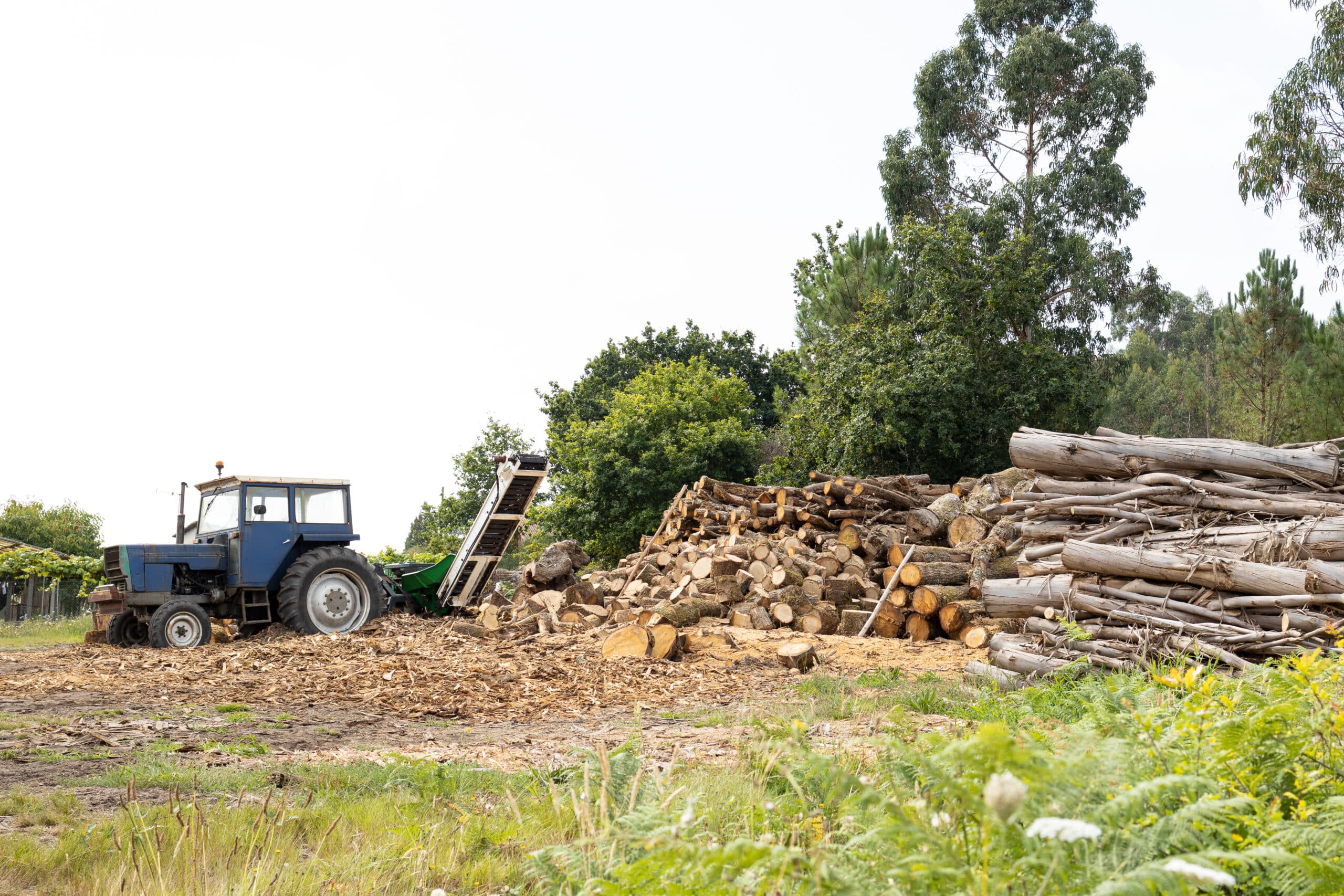
Habitat Awareness and Seasonal Activity Patterns for Risk Assessment
Understanding when and where eastern brown snake encounters are most likely enables better prevention strategies. This knowledge is particularly valuable for outdoor workers, rural residents, and recreational users of natural areas.
Seasonal Activity Patterns:
- Peak Season: September to April (warmer months)
- Daily Activity: Most active during morning and late afternoon
- Weather Influence: Increased activity after rain and on warm days
- Breeding Season: Early summer: October to December (increased aggression)
High-Risk Locations:
- Woodpiles and storage areas
- Long grass and overgrown vegetation
- Rocky outcrops and stone walls
- Sheds and outbuildings
- Compost heaps and garden beds
- Water sources during dry periods
Property Management Strategies:
- Keep grass short around buildings
- Remove brush piles and debris
- Seal gaps under structures
- Control rodent populations (reduces snake food sources)
- Install snake-proof fencing in high-risk areas
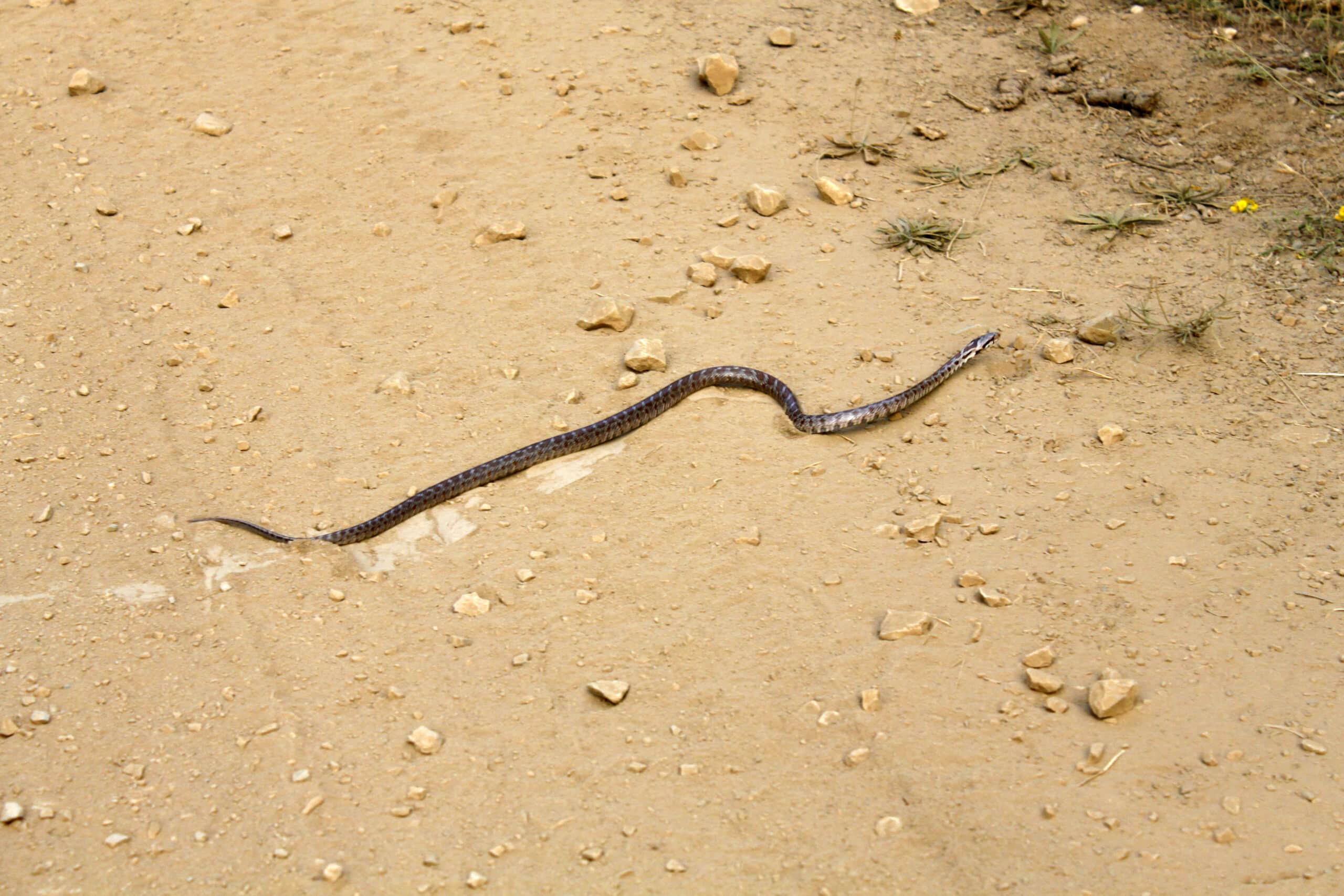
Safe Behaviour Protocols When Eastern Brown Snakes Are Present
When encountering an eastern brown snake, proper behaviour can prevent a dangerous situation from escalating to a bite incident. These protocols should be understood by all family members and work colleagues in snake-prone areas.
Safe Observation and Retreat:
- Stop immediately when you see a snake
- Back away slowly without sudden movements
- Keep eyes on the snake while retreating
- Allow escape route for the snake
- Call professional snake catcher if removal needed
Never attempt these dangerous actions:
- Approaching for photographs or closer observation
- Throwing objects at the snake
- Using sticks or tools to move the snake
- Attempting to identify species through close inspection
Professional Snake Removal: Always contact licensed snake catchers for removal. Many councils maintain lists of approved contractors. Professional removal ensures both human safety and compliance with wildlife protection laws, as most Australian snake species are legally protected.
Answer Key & Explanations
References
- Australian Venom Research Unit, University of Melbourne. Publications. AVRU: First aid for snakebites in Australia or New Guinea
- White, J. (2013). A Clinician’s Guide to Australian Venomous Bites and Stings. Melbourne: BioCSL
- Australian Resuscitation Council. (2025). Guideline 9.4.1 – First Aid Management of Australian Snake Bite. Australian and New Zealand Committee on Resuscitation.
- Isbister, G.K., & Brown, S.G. (2012). Snakebite in Australia: A practical approach to diagnosis and treatment. Medical Journal of Australia, 199(11), 763-768.
- Sutherland, S.K., & Tibballs, J. (2001). Australian Animal Toxins. Melbourne: Oxford University Press.
- Safe Work Australia. (2023). Managing the Risk of Snake Bite at Workplaces. Canberra: Safe Work Australia.
- Australian Museum. (2024). Eastern Brown Snake Fact Sheet. Sydney: Australian Museum Research Institute.
- Health Direct: Snake Bites