




Sharon has 21+ years of experience as a qualified Emergency Care Nurse registered with the Australian Health Practitioner Regulation Agency (APHRA) and 12+ years as a First Aid Trainer.
She takes pride in FirstAidPro making first aid training available, comprehensive and affordable to everybody.
When faced with an emergency, your quick thinking and basic first aid knowledge can make a life-saving difference.
You’ve likely heard about CPR and treating wounds, but do you know the vital steps to take before you even begin hands-on care?
Understanding the top five basic first aid procedures isn’t just about what to do, but also about what to take into account before you act.
These essential skills can help you navigate high-pressure situations with confidence and effectiveness.
Let’s explore these vital techniques that could one day help you become someone’s hero in their moment of need.
Key Takeaways
- Assess the scene for safety and call emergency services immediately if professional help is needed.
- Perform CPR if the person is unresponsive and not breathing normally, using chest compressions and rescue breaths.
- Control severe bleeding by applying direct pressure to the wound and elevating the injured area if possible.
- Treat shock by laying the person flat, elevating their legs, and keeping them warm while monitoring vital signs.
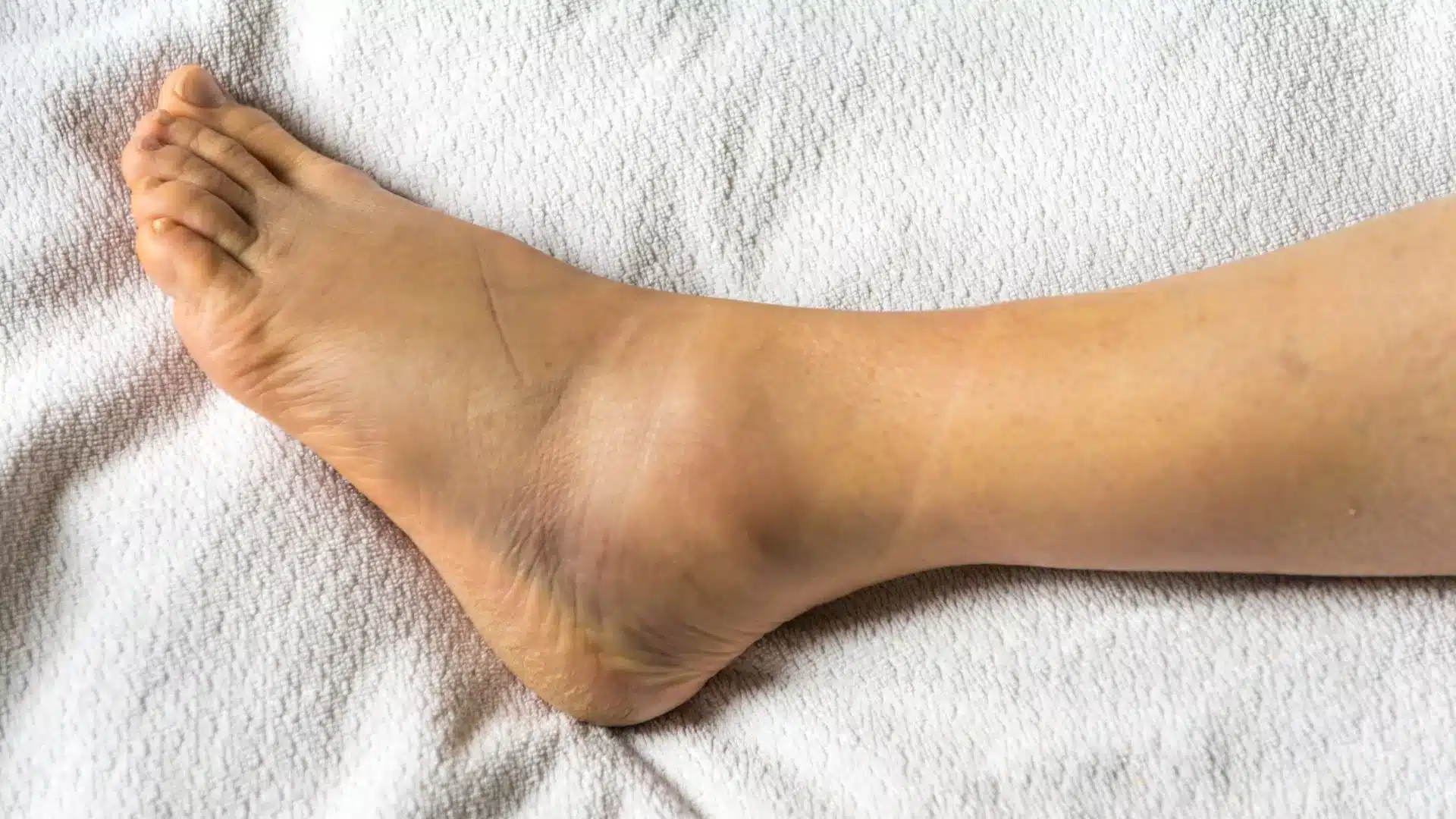
- Immobilise suspected fractures or sprains, and avoid moving the injured person unless absolutely necessary for safety.
Assess the Situation
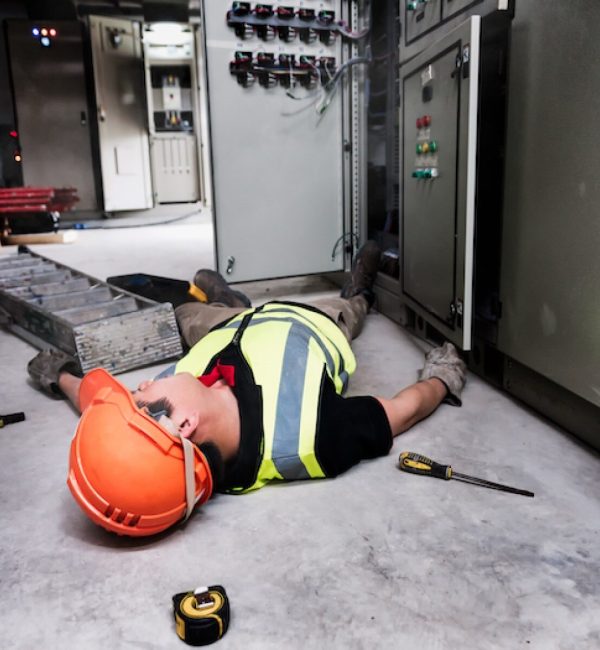
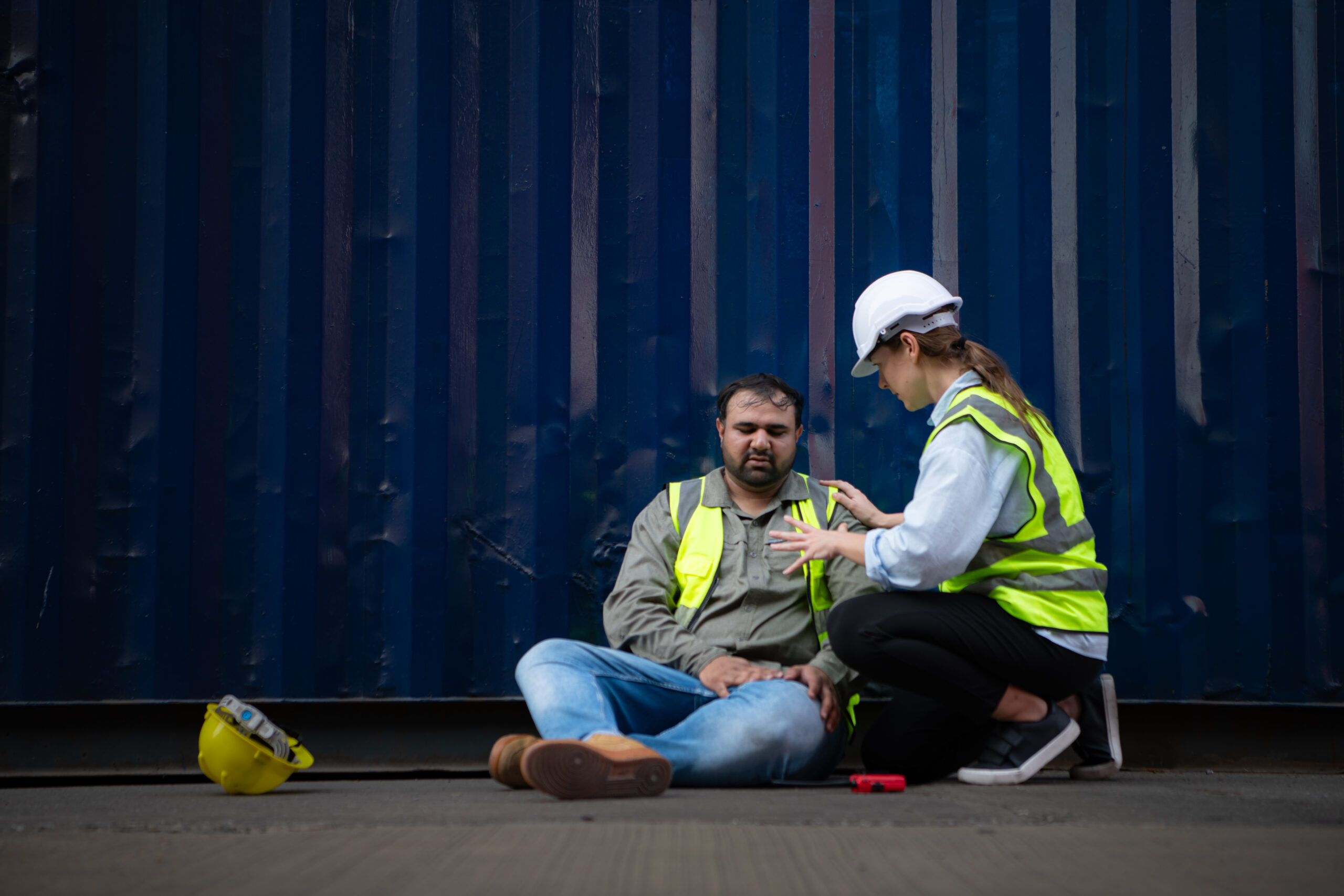
Your first step in any emergency is to quickly evaluate the scene for potential dangers before approaching. This situation evaluation is vital for your safety and that of the injured person. Look for immediate threats such as fire, unstable structures, or aggressive individuals. If you’re in a vehicle accident, check for oncoming traffic or fuel leaks.
Consider environmental risk factors that may affect the situation. Extreme temperatures, poor lighting, or hazardous materials can complicate your response. Be aware of your surroundings and any changes that might occur.
Once you’ve determined it’s safe to proceed, assess the number of casualties and the severity of their injuries. Identify any life-threatening conditions that require immediate attention, such as severe bleeding or lack of breathing. Prioritise these cases first.
If the scene is unsafe and you can’t mitigate the risks, don’t hesitate to call for professional help. Your safety is paramount, and sometimes the best course of action is to wait for trained emergency responders to arrive and secure the area.
If possible, gather information from bystanders or the injured person about what happened. This can provide valuable insights into potential injuries or medical conditions.
Ensure Personal Safety
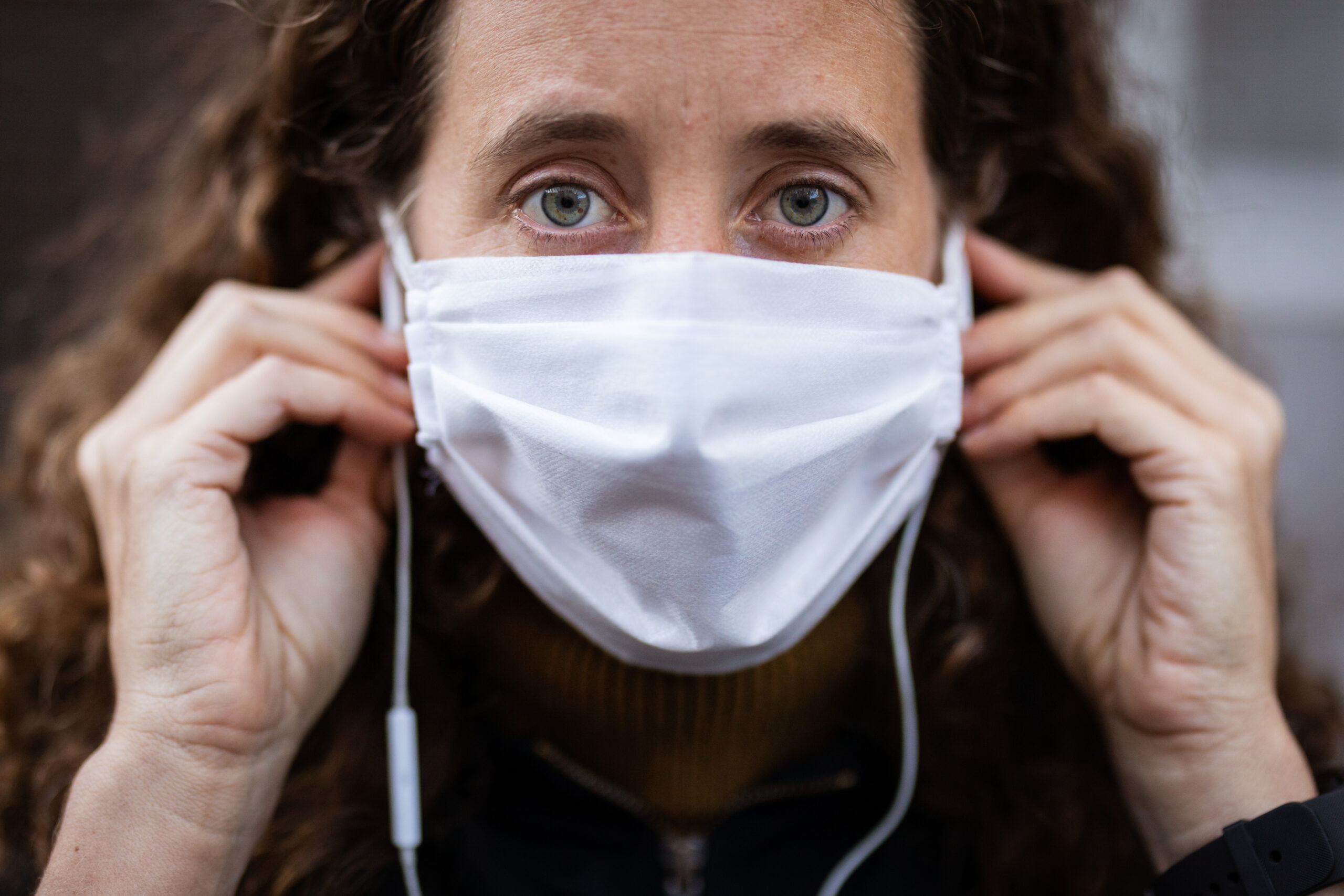
After evaluating the situation, your next priority is ensuring your own safety before attempting to help others. Remember, you can’t effectively assist anyone if you become a casualty yourself.
Always use appropriate personal protective equipment (PPE) when rendering basic first aid. This may include gloves, face masks, or eye protection, depending on the situation. If you don’t have proper PPE, improvise with available materials to create barriers between you and potential contaminants.
Call for Emergency Help
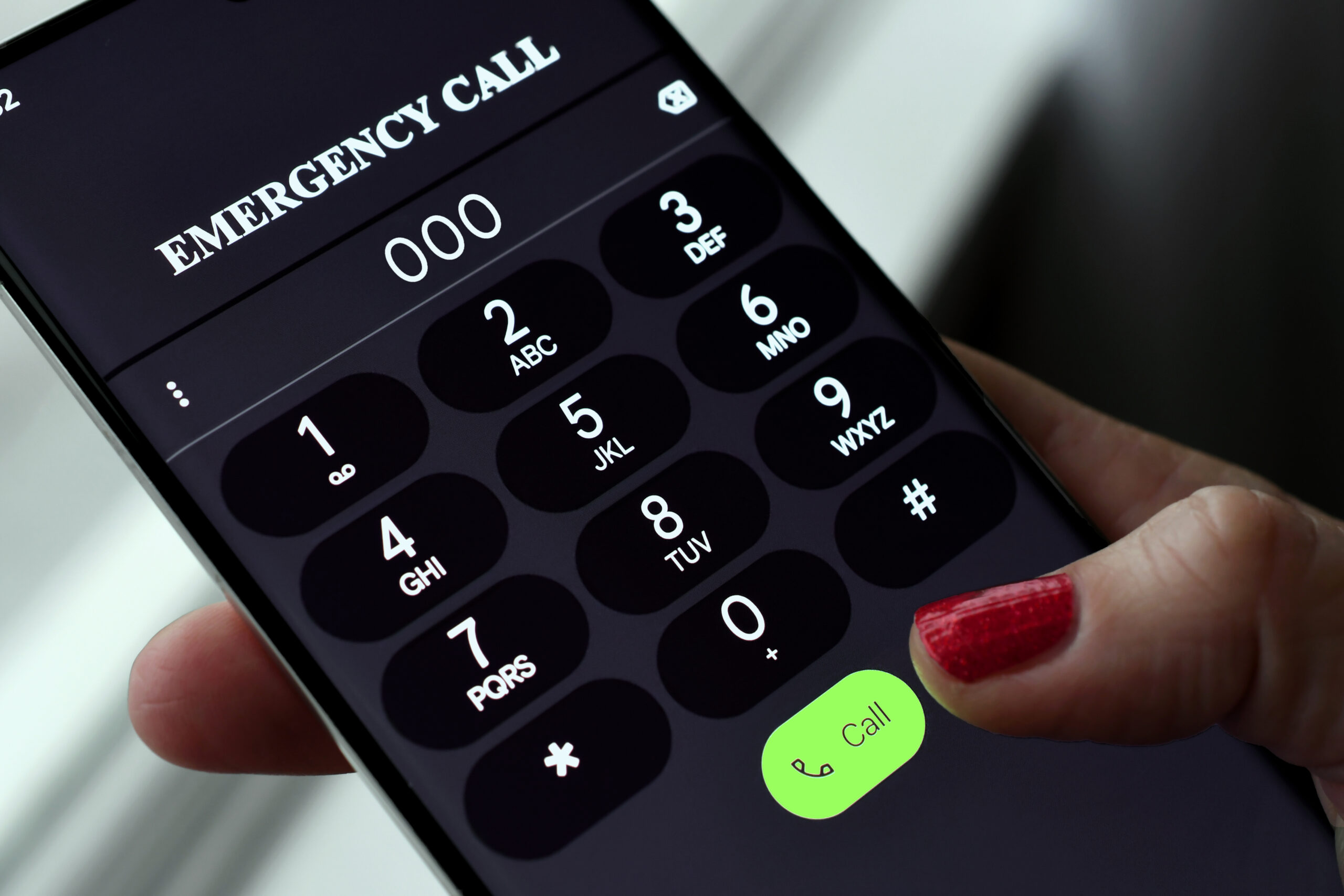
Once you’ve confirmed your safety, quickly assess the situation to determine if professional emergency assistance is needed. If the situation is life-threatening or requires immediate medical attention, don’t hesitate to call for help. Memorise or save important emergency numbers in your phone, including local emergency services (000 in Australia), poison control, and your personal doctor.
When calling for help, stay calm and provide clear, concise information. State your name, location, and the nature of the emergency. Be prepared to answer questions about the victim’s condition, such as their level of consciousness, breathing status, and visible injuries. If you’re in an unfamiliar area, look for landmarks or street signs to help responders locate you quickly.
Consider alternative communication methods if phone service is unavailable. Use a mobile app, send a text message, or ask someone nearby to seek help. In remote areas, use a whistle, mirror, or other signaling devices to attract attention.
Perform Basic First Aid and CPR if Necessary
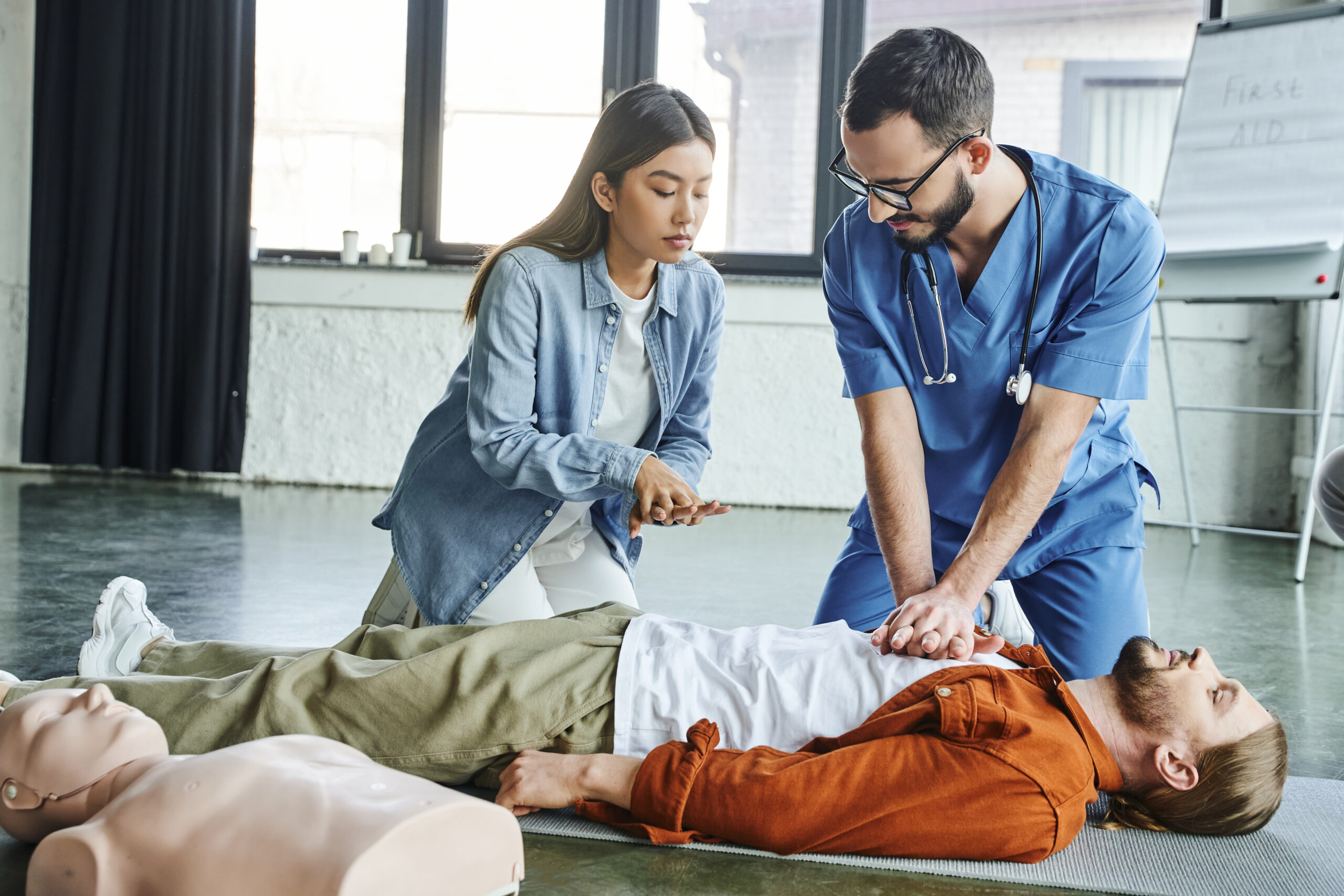
While waiting for emergency services to arrive, you may need to perform basic first aid including Cardiopulmonary Resuscitation (CPR) if the victim isn’t breathing or doesn’t have a pulse. CPR techniques involve a combination of chest compressions and rescue breaths to maintain blood flow and oxygenation to essential organs.
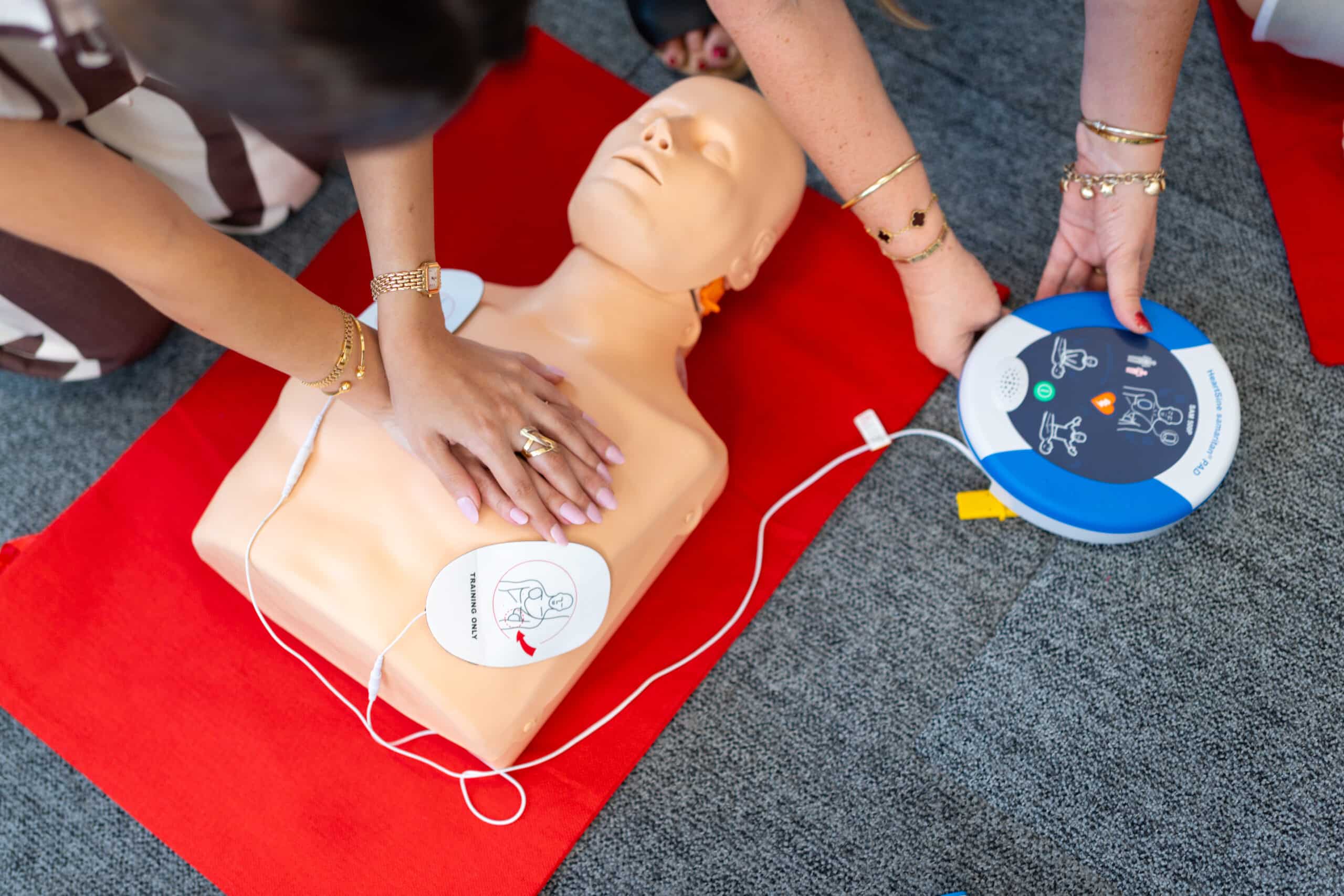
To perform CPR, first verify the scene is safe. Place the victim on their back and kneel beside their chest. Position your hands, one on top of the other, on the centre of the chest. Push hard and fast, compressing the chest at least 5 cm deep at a rate of 100-120 compressions per minute.
After 30 compressions, tilt the victim’s head back and lift their chin. Pinch their nose and give two rescue breaths, watching for chest rise.
Continue this cycle of 30 compressions and 2 breaths until help arrives or the victim shows signs of life.
Treat Bleeding and Shock
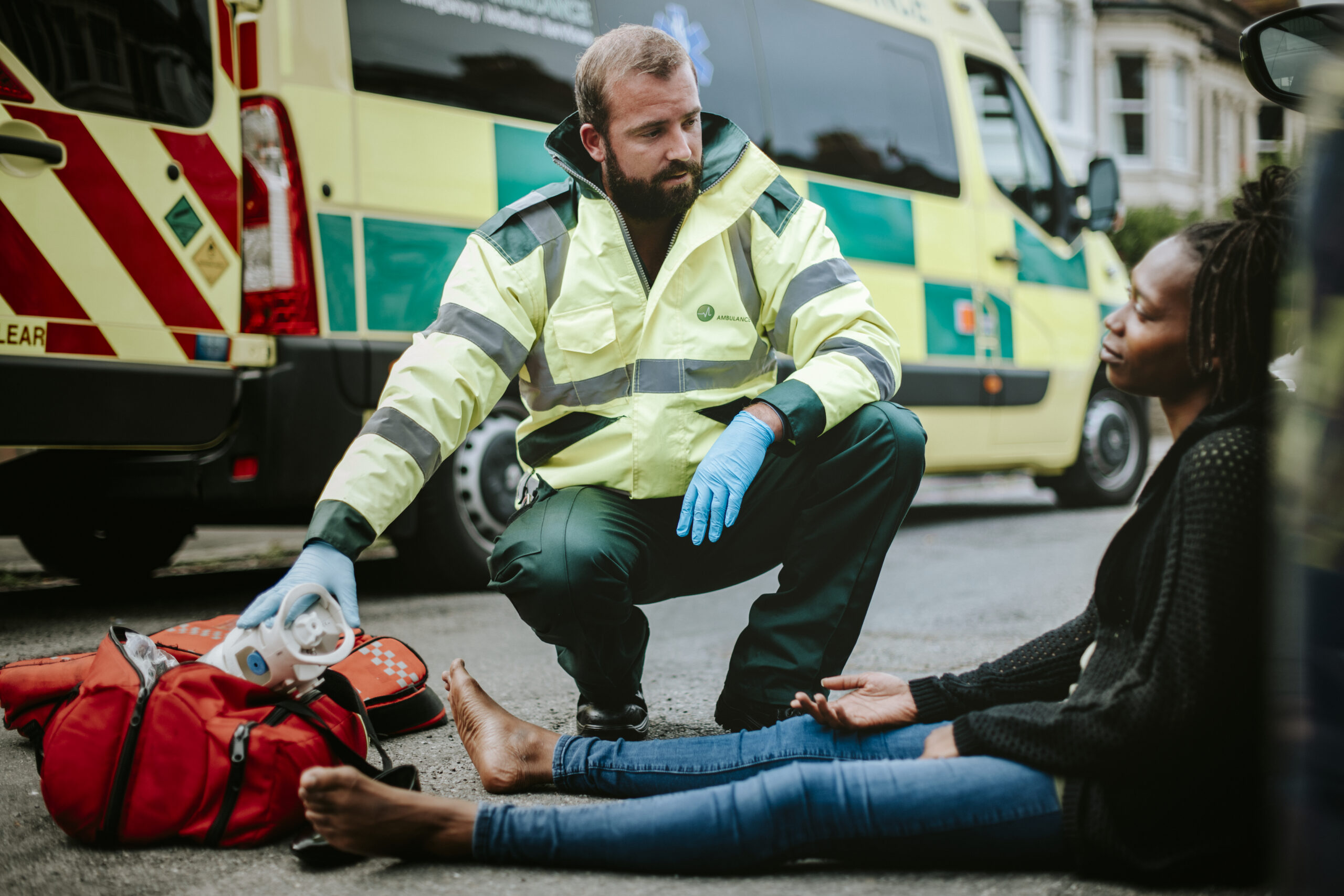
Controlling severe bleeding and managing shock are vital basic first aid skills that can save lives in emergency situations.
To treat bleeding, apply direct pressure to the wound using a clean cloth or sterile dressing. Elevate the injured area above the heart if possible, and maintain pressure until professional help arrives. For severe bleeding, consider using a tourniquet as a last resort.
Shock management is equally important. Recognise the signs of shock:
- Pale, cool, and clammy skin
- Rapid, shallow breathing
- Weakness or fainting
To treat shock, lay the person flat on their back and elevate their legs about 30 centimetres (12 inches). Keep them warm with blankets and loosen tight clothing. Don’t give them anything to eat or drink.
For both bleeding and shock, it’s essential to:
- Monitor their breathing and consciousness
- Call emergency services immediately
- Keep the person calm and still
Frequently Asked Questions
What should I do if someone is choking but still conscious?
Encourage them to cough forcefully to try to clear the obstruction. If they cannot breathe or are making high-pitched noises, perform back blows followed by abdominal thrusts until the object is dislodged or they lose consciousness. Seek emergency help if the choking persists.
How can I help someone having a seizure?
Move any dangerous objects away to prevent injury and place something soft under their head. Do not restrain them or put anything in their mouth. Once the seizure stops, turn them onto their side and monitor their breathing. Call emergency services if it lasts more than five minutes or if they do not regain consciousness.
What should I do if someone is having an allergic reaction?
Check for signs of anaphylaxis, such as difficulty breathing, swelling, or a drop in consciousness. If they have an adrenaline auto-injector, help them use it immediately. Call emergency services and keep them calm while monitoring their condition.
How do I handle a burn injury?
Cool the burn under running water for at least 20 minutes to reduce further damage. Avoid using ice, creams, or ointments. Cover the burn with a sterile, non-stick dressing and seek medical help if it is severe, blistering, or larger than the palm of a hand.
What are the signs of a concussion, and what should I do?
Symptoms include confusion, dizziness, nausea, and memory loss. Keep the person awake and monitor them for worsening symptoms like repeated vomiting or loss of consciousness. If symptoms are severe or persist, seek medical attention immediately.