



Sharon has 21+ years of experience as a qualified Emergency Care Nurse registered with the Australian Health Practitioner Regulation Agency (APHRA) and 12+ years as a First Aid Trainer.
She takes pride in FirstAidPro making first aid training available, comprehensive and affordable to everybody.
As an athlete or sports enthusiast, you’re at risk of experiencing sports-related eye injuries, which can range from minor irritation to severe vision impairment.
Understanding how to properly treat these injuries can make the difference between a quick recovery and long-term complications.
Whether you’re on the field, court, or rink, knowing the best practices for addressing sports eye injuries is essential.
Let’s explore the seven key steps you should take to protect your vision and ensure you’re back in the game as safely as possible.
Key Takeaways
• Assess sports-related eye injuries immediately, examining for visible trauma signs and inquiring about pain levels and vision changes.
• Provide initial eye protection using a clean, rigid eye shield or protective eyewear conforming to safety guidelines.
• Apply cold compresses safely, using wrapped ice packs for 15-20 minutes every 1-2 hours during the first 24-48 hours.
• Manage pain with over-the-counter analgesics and seek prompt professional medical evaluation for accurate diagnosis and treatment.
• Follow proper aftercare instructions and use appropriate protective eyewear to prevent future sports eye injuries.
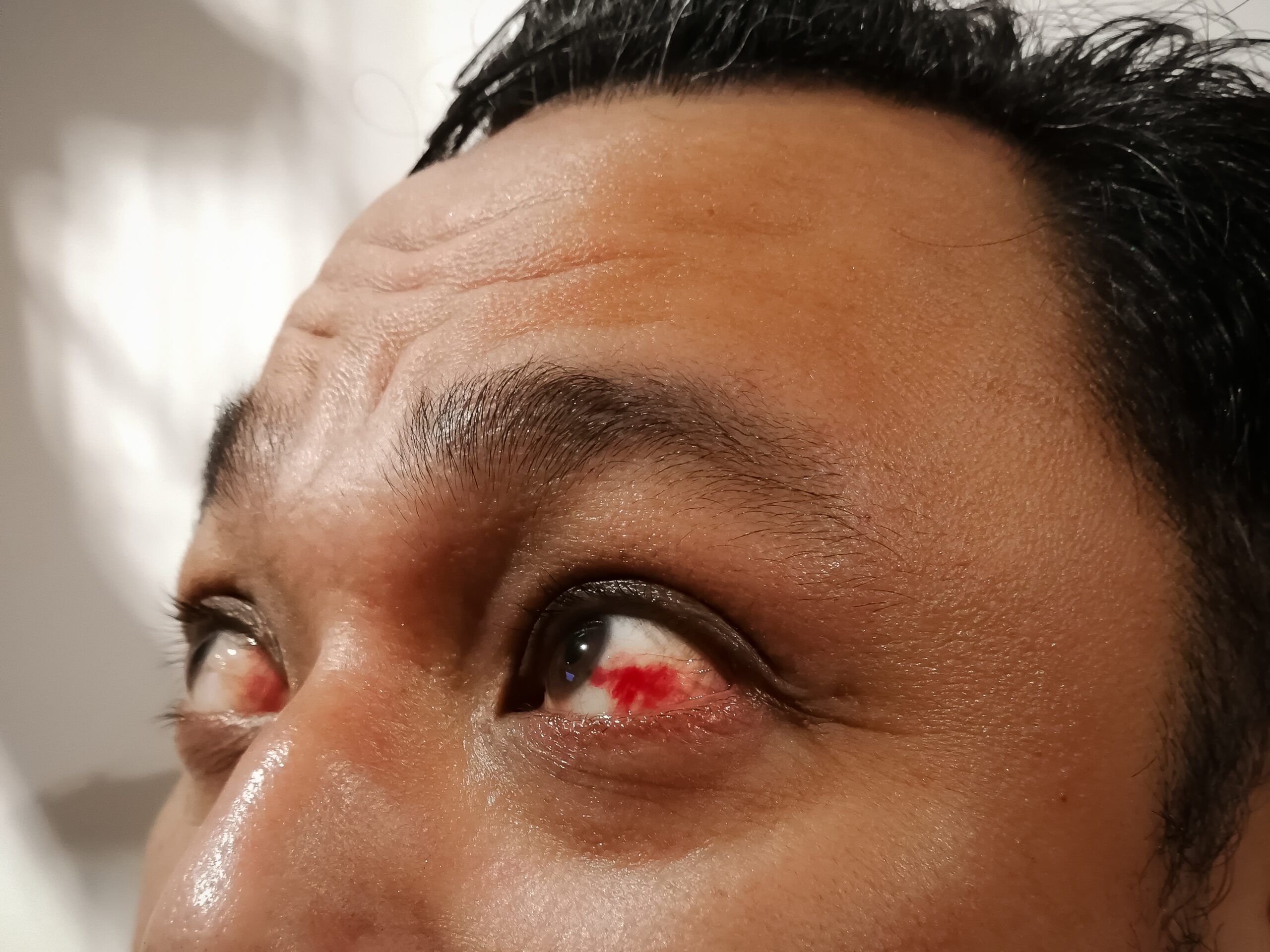
Assess the Injury Immediately
Rapidly appraising the severity and nature of a sports eye injury is essential for determining the appropriate course of action and preventing further damage.
When evaluating an eye injury, you’ll need to focus on symptom recognition and injury assessment. Begin by carefully examining the affected eye and surrounding area for visible signs of trauma, such as cuts, bruising, or swelling. Ask the injured person about their pain level and any vision changes they’re experiencing.
Next, check for signs of more serious injuries, such as penetrating wounds or possible retinal detachment. Look for symptoms like severe pain, sudden vision loss, or the presence of blood in the eye. If you suspect a foreign object has entered the eye, don’t attempt to remove it yourself. Instead, cover both eyes to prevent movement and seek immediate medical attention.
Provide Initial Eye Protection
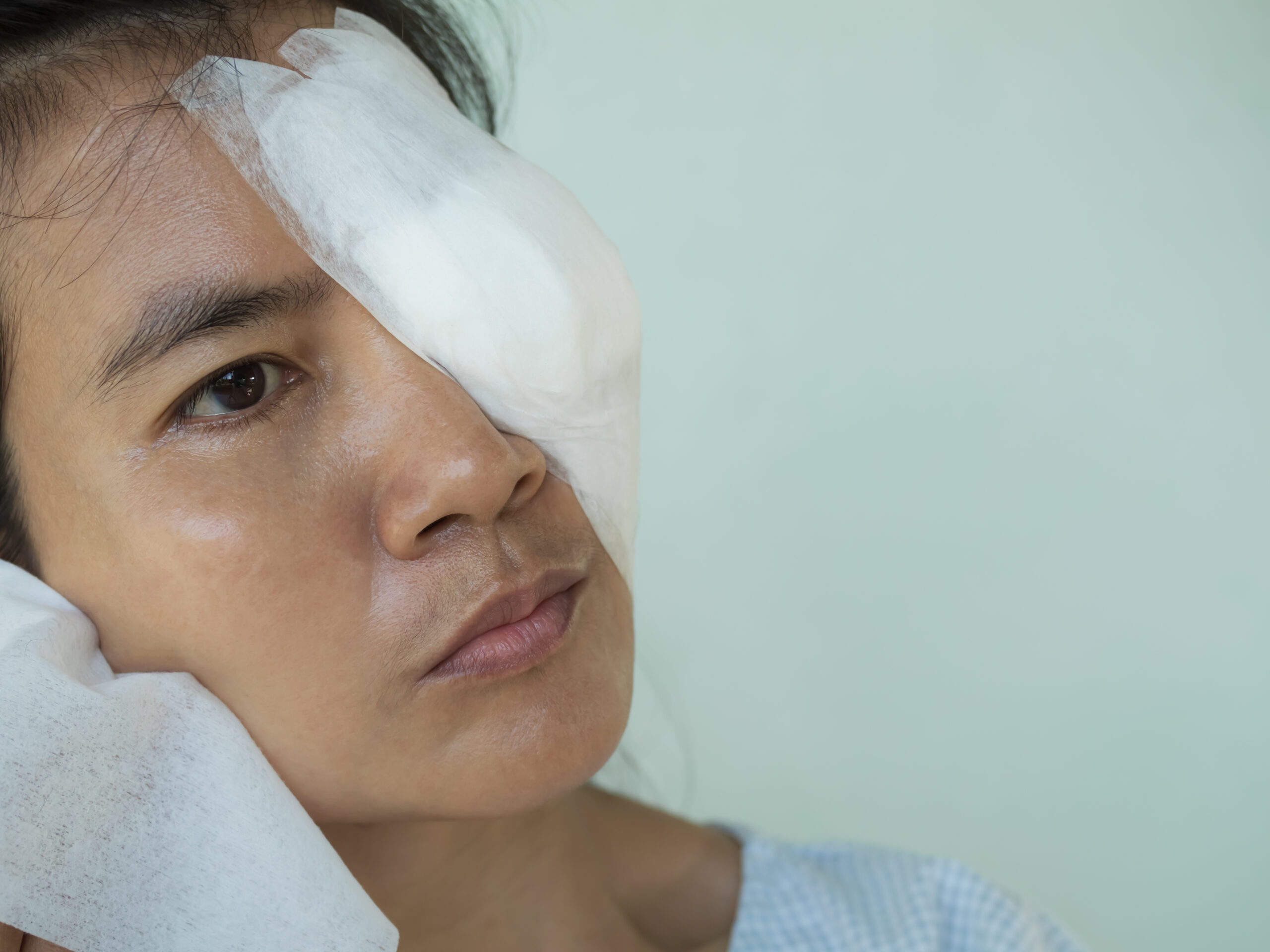
Initial eye protection serves as a critical first step in preventing further damage and minimising complications from sports-related eye injuries.
When faced with an eye injury, you must act swiftly to shield the affected eye from further harm. Begin by covering the injured eye with a clean, rigid eye shield or a makeshift protective barrier, such as a paper cup. Avoid applying direct pressure to the eye, as this can exacerbate the injury.
If protective eyewear options are available, select a shield that conforms to safety guidelines established by organisations like the Australian Society for Testing and Materials (ASTM). These shields should be impact-resistant and provide full coverage of the eye and surrounding orbital area.
Apply Cold Compress Safely
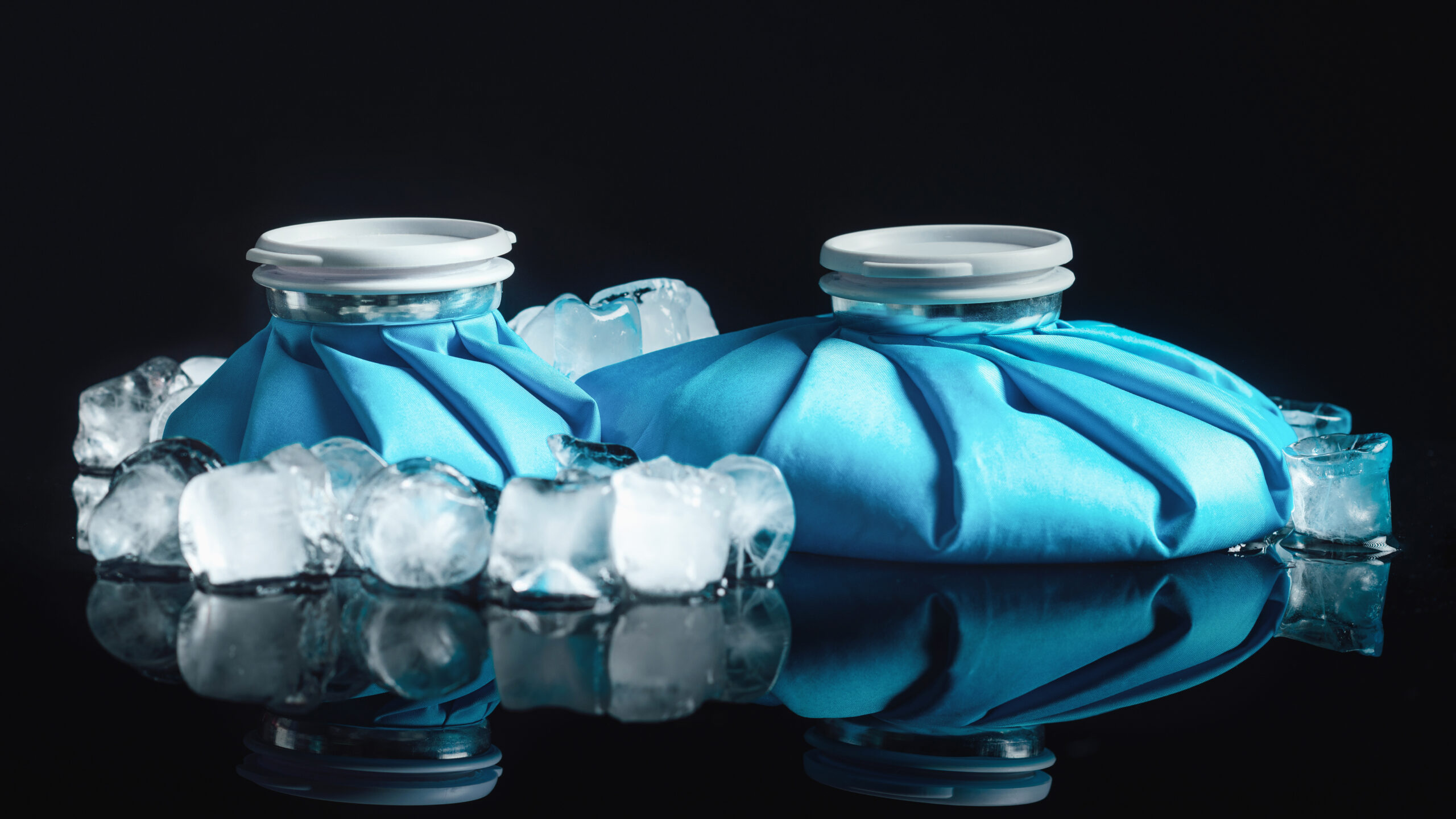
When applying a cold compress to treat a sports eye injury, you’ll need to follow proper technique, duration, and frequency guidelines.
Ice Pack Application Technique
Proper ice pack application is vital for effectively managing sports-related eye injuries and minimising potential complications.
When applying an ice pack to an injured eye, use materials specifically designed for cold therapy, such as gel packs or specialised eye masks. Avoid using raw ice directly on the skin, as it can cause further damage.
Temperature considerations are important. The ideal temperature range for an ice pack is between 0°C and 4°C. To achieve this, wrap the cold pack in a thin cloth or towel before application. This barrier prevents frostbite and guarantees a comfortable, therapeutic temperature.
Apply the ice pack gently to the affected area for 15-20 minutes at a time. Don’t press too hard, as this can exacerbate the injury. After each application, remove the pack for at least 20 minutes to allow the skin to warm up. This cycle can be repeated every 1-2 hours during the first 24-48 hours after the injury occurs.
The frequency of application may vary depending on the injury severity and individual healing timeline. For mild injuries, you might reduce the frequency to 3-4 times daily after the initial 48-hour period. However, for more severe injuries, you may need to maintain the hourly schedule for up to 72 hours under medical supervision.
Manage Pain and Discomfort

Managing pain and discomfort associated with sports eye injuries requires a multi-faceted approach combining pharmaceutical interventions, non-invasive therapies, and environmental modifications. To effectively implement pain relief techniques and discomfort management strategies, you should:
- Utilise over-the-counter analgesics such as ibuprofen or paracetamol, following recommended dosages to alleviate pain and reduce inflammation.
- Apply cold compresses intermittently for the first 24-48 hours post-injury to minimise swelling and numb the affected area.
- Employ lubricating eye drops to soothe irritation and prevent further damage from dry eye conditions.
If prescribed, use antibiotic ointments or drops meticulously to prevent infection and promote healing. For persistent or severe pain, consult an ophthalmologist who may recommend prescription-strength pain medications or specialised treatments.
Seek Professional Medical Evaluation
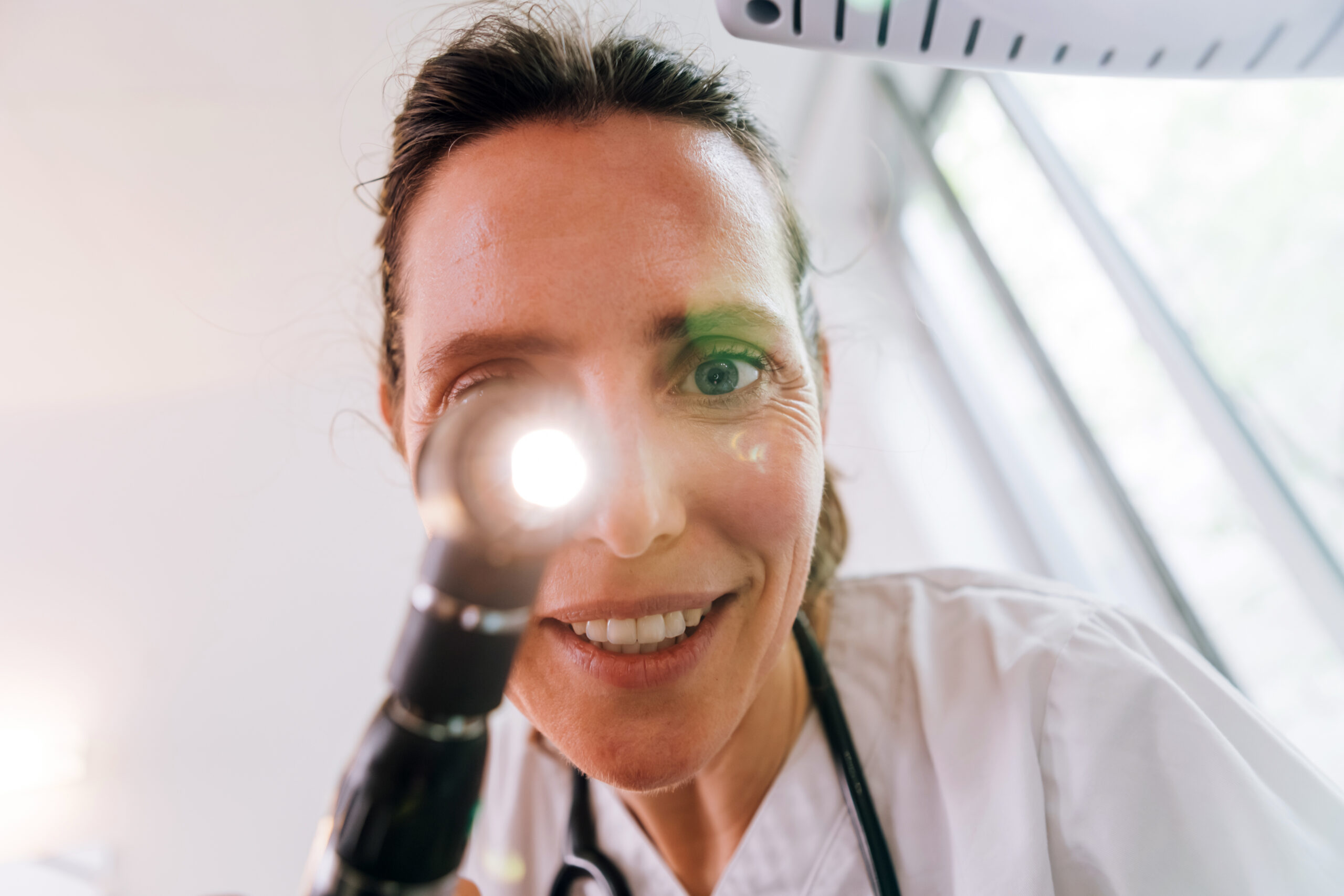
While self-management techniques can alleviate immediate discomfort, prompt professional medical evaluation remains essential for sports-related eye injuries to ascertain a complete diagnosis and appropriate treatment. You should seek immediate medical attention, particularly if you experience persistent pain, vision changes, or significant swelling.
An ophthalmologist or qualified eye care professional can perform an extensive examination, utilising specialised equipment to assess the full extent of the injury. During the evaluation, you’ll undergo various tests to check visual acuity, eye pressure, and structural integrity.
Symptom recognition plays a vital role in guiding the professional’s diagnosis. Be prepared to describe the incident and any changes you’ve noticed since the injury occurred. Based on the findings, the specialist will determine the severity of the injury and recommend appropriate treatment options.
Don’t hesitate to seek expert care, even if the injury initially seems minor.
Follow Proper Aftercare Instructions
Adhering to prescribed aftercare instructions plays an essential role in optimising recovery and minimising potential complications following sports-related eye injuries. You must diligently follow the aftercare guidelines provided by your ophthalmologist or eye care specialist to guarantee proper healing and prevent further damage.
Your aftercare regimen may include:
- Administering prescribed eye drops or ointments at specified intervals
- Wearing protective eyewear or an eye patch as directed
- Avoiding specific activities that could exacerbate the injury
It’s vital to attend all scheduled follow-up appointments, allowing your healthcare provider to monitor your progress and make necessary adjustments to your treatment plan. During these visits, you’ll undergo thorough examinations to assess healing and detect any potential complications early on.
Prevent Future Sports Eye Injuries
Three key strategies can substantially reduce your risk of future sports-related eye injuries: wearing appropriate protective eyewear, following sport-specific safety guidelines, and maintaining regular eye examinations.
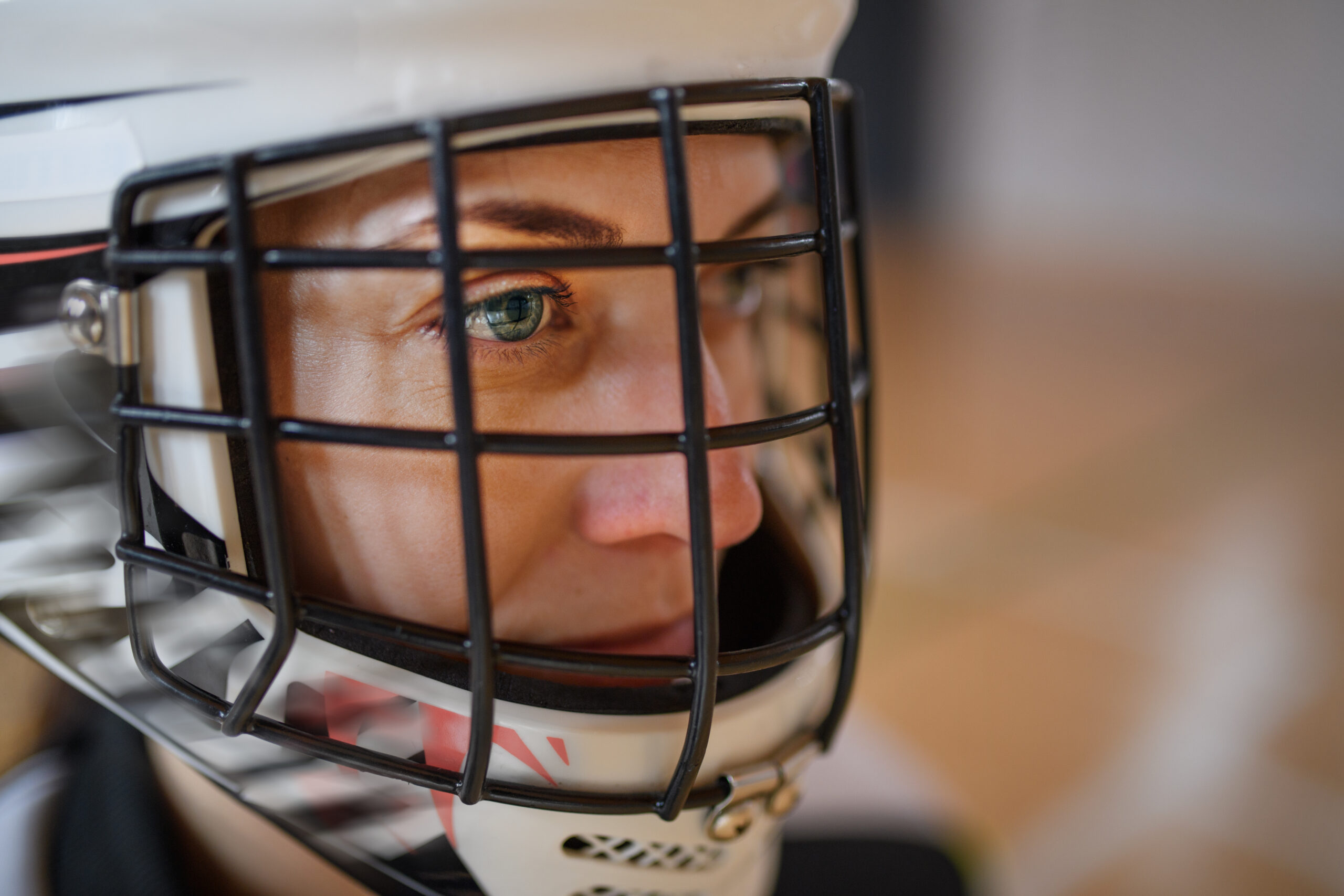
Protective eyewear is a vital preventive measure. Make sure you’re using impact-resistant lenses and frames designed for your specific sport. Polycarbonate lenses offer superior protection and should be your go-to choice. For high-risk sports like racquetball or hockey, consider additional features such as face shields or goggles.
Adhering to sport-specific safety guidelines is equally important. Familiarise yourself with the rules and recommended eye safety practices for your chosen activity. This may include proper positioning, equipment handling, and situational awareness to minimise potential eye hazards.
Regular eye examinations play an essential role in injury prevention. Your optometrist can assess your visual acuity, depth perception, and peripheral vision, all of which contribute to safe sports performance. They can also detect any underlying eye conditions that might increase your vulnerability to injuries.
Frequently Asked Questions
How Long Does It Take for a Sports Eye Injury to Heal?
The healing timeline for your sports-related eye injury depends on various recovery factors. You’re looking at days to months, depending on severity and treatment efficacy.
Can I Wear Contact Lenses After Sustaining a Sports Eye Injury?
Wait for complete healing to avoid complications and guarantee proper vision restoration.
How Can I Distinguish Between a Minor and Severe Sports Eye Injury?
Conduct a thorough injury classification, evaluating pain intensity, vision changes, and eye structure integrity.