




Sharon has 21+ years of experience as a qualified Emergency Care Nurse registered with the Australian Health Practitioner Regulation Agency (APHRA) and 12+ years as a First Aid Trainer.
She takes pride in FirstAidPro making first aid training available, comprehensive and affordable to everybody.
Medication administration is the act of helping someone else take their prescribed medication. It’s not just for a doctor, registered nurse, personal caregiver or any other healthcare worker who works to assist clients with medication. If you’re someone who looks after a loved one in this way, then you’re performing medication administration. Even if you take medication yourself, that’s just self-administering medication.
It’s not always as easy as helping someone else swallow their pills. There’s a lot more that goes into medication administration than you might initially think. For professional healthcare and support workers, specific medication training is required. This ensures that staff are fully equipped with the full range of knowledge on the different medications, how to take them, how to administer medication safely, and what their legal responsibilities and obligations are. Even if you’re not a healthcare professional, or you’re not looking to become one, you’re still bound by these same responsibilities, even if you don’t know what they are. And suppose you are looking at beginning a career in aged care, disability support or other healthcare in Australia. In that case, taking a medication administration training course is an essential first step. A medication competency comes as a medication administration certificate and is an official recognition granted to those who have the knowledge and skills required to complete a medication training course.
Thankfully, medication administration training is neither time-consuming nor is it particularly challenging. With First Aid Pro, practical medication administration training takes only three hours of class time to complete, but it also comes with pre-course, self-guided readings for students to go through in their own time. The duration of a medication administration course varies, and how long it ultimately takes depends on a student’s skill and commitment to completing their readings.
So getting a sense of the duration of a medication administration course, and how long it might take for you to complete, needs a closer look. Following is a quick rundown of what medication administration is, some course materials and a bit more on the role of medication administration in our society.
What is Medication Administration Training?
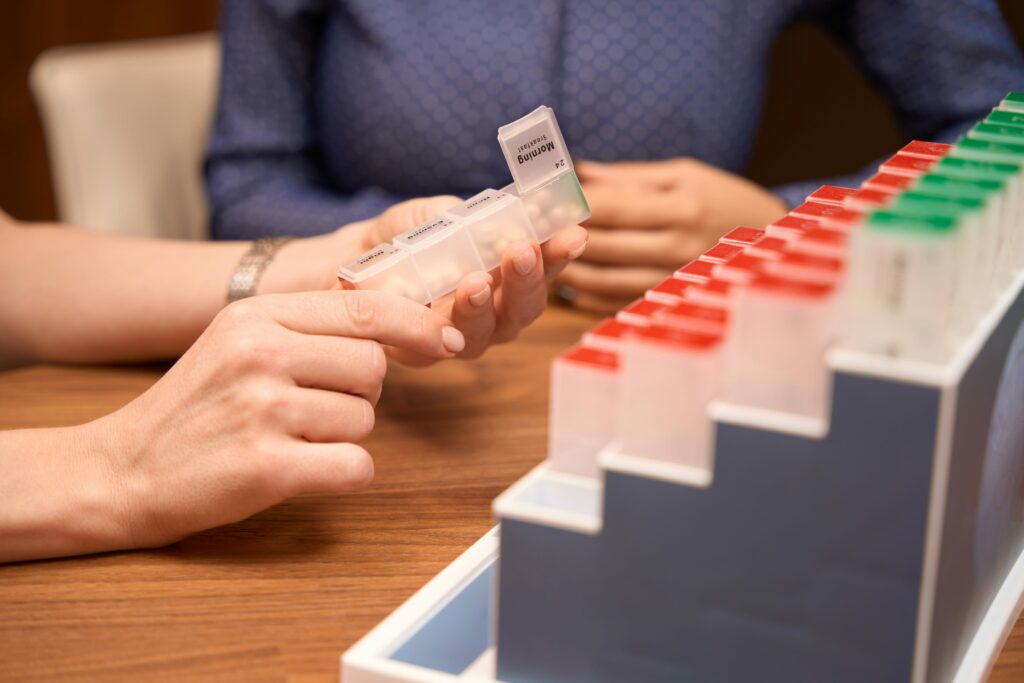
Medication administration is where trained individuals ensure their patients receive their prescribed medications safely and accurately. This process involves tasks such as prescribing, dispensing, administering, and monitoring medicines to guarantee optimal patient care. It also involves being able to safely operate medication equipment and the proper cleaning and upkeep of medication facilities. Medication administration training exists not only to ensure practitioners possess the skills to complete such tasks but above all else, to ensure that they can do so safely.
The importance of medication administration safety lies in its direct impact on patient well-being. Unsafe medication practices can lead to avoidable harm and injuries and research shows that adverse drug events cause a substantial number of emergency department visits annually. You can prevent this from happening to you or someone whom you assist with medication by taking a quick medication training course.
The Seven R’s of Medication Administration
There’s a lot of information that goes into a three-hour medication administration training course. The cornerstone of this information is The Seven R’s of Medication Administration. By knowing these seven steps ahead of time, you’ll have an advantage for your three-hour in-person practical training session, and maybe you’ll even be able to cut down significantly on your self-paced reading time.
In this context, “R” stands for “Rights”, and it refers to the seven things that medication administrators need to ensure they’ve gotten correct to have safely assisted someone with their medication. This number varies in some workplaces, however, the seven is the mnemonic device we use in our training courses.
They are as follows:
- Right Patient: Verify the correct patient. This ensures medications are given to the intended individual, something essential when working in a large facility with many patients, like a hospital.
- Right Medication: Double-check that the medication being administered is the exact one prescribed to the patient. Medication often has long, complicated names, and it’s easy to get them mixed up.
- Right Dose: Confirm the amount of medication being administered. Even the right medication can be ineffective or have adverse effects when given in incorrect amounts.
- Right Time: Prescribed medications should be given per a set schedule to remain effective. This step effectively prevents double administering or accidentally skipping a dose and helps practitioners manage medication schedules.
- Right Route: Verify the route of administration (oral, intravenous, topical, etc.). A medication will at best be less effective if taken incorrectly, but will more likely have no impact whatsoever.
- Right Reason: Confirm why the medication is required. Every medication has a specific purpose, and administering a medication that has no bearing on the patient’s condition can make the situation worse.
- Right Documentation: Record details and complete medication documentation accurately and in line with your workplace reporting system. This helps identify where something has gone wrong when a patient has had an adverse reaction and allows you to better employ the correct medication contingencies.
While performing these seven steps, it’s important to observe the patient throughout the process. A commonly seen ‘eighth right of medication administration’ is the right reaction and consists of observing for recognisable signs of adverse patient reactions such as negative behavioural or physical changes. Ultimately, the right reaction is encompassed by the other steps combined.
Medication Administration Refresher Training
Many healthcare organisations will require their employees to regularly retake their medication administration training to keep their skills sharp and to stay on top of any fresh developments. In Australia, there is no formal legislation behind how often this needs to be done, and so it is up to the organisation’s guidelines on how often medication administration refresher training should be done.
The duration of a medication administration refresher training session is something that depends entirely on the organisation you do it with, and whether they have dedicated refresher courses. Regardless, by having already completed your initial course and by remaining skilled in medication administration through practical experience in the workplace. Likely, your refresher training won’t take as long the second time around, especially for the self-paced online learning portion.

Medication Administration Training: Quick and Easy
In the end, the duration of medication administration training depends on you. Outside the three-hour in-person session, it’s your commitment to the readings, to practising medication administration, and your devotion to regular refresher training that determines how long it takes.
By taking a comprehensive medication administration course with First Aid Pro, you can empower yourself with practical skills and gain confidence in your ability to provide care safely and effectively. Take the next step towards enhancing your professional toolkit and ensuring the well-being of those in your care. Your patients deserve nothing less.