




Skip to content
Online Courses​
no-Online Courses
Online Courses​
no-Online Courses
no-Online Courses
Online Courses​
Nationally Accredited First Aid Courses
(08) 7120 2570
Firstaidpro Logo
[wp_menu_megatabs id="493"]
Student login
daily deals
No-Online

OR

Online
Applicable to:
Healthcare
Aged Care & NDIS Support
Construction
Warehousing

Urgent First Aid Actions for Concussion Care

concussion signs xray with doctor concussion care

Table of Contents

  • About
  • Latest Posts
Sharon McCulloch
Sharon McCulloch
CEO, Founder and First Aid Trainer at FirstAidPro
Sharon McCulloch is the CEO and Founder of FirstAidPro, Australia's leading Registered Training Organisation (31124), delivering First Aid Courses nationwide.

Sharon has 21+ years of experience as a qualified Emergency Care Nurse registered with the Australian Health Practitioner Regulation Agency (APHRA) and 12+ years as a First Aid Trainer.

She takes pride in FirstAidPro making first aid training available, comprehensive and affordable to everybody.
Sharon McCulloch
Latest posts by Sharon McCulloch (see all)

  • Australian Spider Bite & Bite First Aid Guide – Identification, Symptoms & Treatment - 14/04/2026
  • Anti-Inflammatory Tablets – Sting & Bite Symptoms, Risks & First Aid - 10/04/2026
  • LVR CPR Training Australia: What Is the UETDRMP018 Course and Who Needs It? - 08/04/2026

Effective concussion care begins with understanding that a concussion is a type of traumatic brain injury caused by a direct blow to the head, face, neck, or body that results in a rapid movement of the brain within the skull. While concussions are often associated with sports, they can also occur due to falls, road accidents, and workplace incidents. Recognising and responding to a concussion promptly is crucial to prevent further complications, including long-term cognitive impairments or more severe brain injuries.

In Australia, concussions are a significant concern, particularly sport-related concussion in contact sports. With over 3.9 million Australians participating in organised sports annually, understanding concussion care is more important than ever. By learning urgent first aid actions, you can help safeguard someone’s wellbeing when they experience a concussion.

Understanding Concussions

A concussion is a type of mild traumatic brain injury (TBI) caused by a bump, blow, or jolt to the head, or by a hit to the body that causes the head and brain to move rapidly back and forth.

This sudden movement can cause the brain to bounce or twist inside the skull, stretching and damaging brain cells and requiring proper concussion care.

Concussions can result from various incidents, including:

  • Falls
  • Sports accidents
  • Motor vehicle crashes
  • Assaults
concussion care for sports injuries

Signs and Symptoms of Concussion

Concussions can manifest with a variety of symptoms. Immediate recognition of these signs can help prevent further complications.

Early symptoms:

  • Headache or pressure in the head
  • Dizziness or balance issues
  • Confusion or disorientation
  • Sensitivity to light and noise

Delayed symptoms:

  • Nausea or vomiting
  • Difficulty concentrating or memory issues
  • Fatigue or drowsiness
  • Mood changes such as irritability or sadness

Recognising these symptoms is essential for effective concussion care, as delayed treatment can increase the risk of long-term complications.

Risk Factors and Vulnerable Groups

Certain groups are more vulnerable to concussions due to their activities or age. In Australia, these include:

  • Athletes: Particularly those involved in playing sport, especially rugby, AFL and boxing.
  • Children: With developing brains, children are more susceptible to concussions and may recover more slowly.
  • Elderly individuals: Prone to falls, which can result in head injuries.

By understanding these risks, you can better identify and respond to potential concussions in your community.

Immediate First Aid Actions for a Suspected Concussion

concussion protocol

Step 1 – Assess the Scene for Safety

Before providing assistance, ensure the environment is safe. For instance, if the incident occurs on a busy rugby field or near workplace machinery, ensure the injured person and yourself are not at risk of further harm.

Step 2 – Check for Concussion Symptoms

Look for immediate signs such as confusion, slurred speech, or difficulty standing. Ask simple questions to gauge their mental state, such as “What day is it?” or “Where are we?”

Step 3 – Keep the Person Still and Comfortable

Encourage the injured person to remain seated or lying down to prevent further injury. Avoid moving their head or neck unless absolutely necessary, particularly if a spinal injury is suspected.

Step 4 – Monitor Their Condition Closely

Observe the person for any worsening symptoms, such as repeated vomiting, seizures, or a decline in consciousness. Keep them calm and reassure them while waiting for medical help.

Step 5 – Call for Medical Attention When Necessary

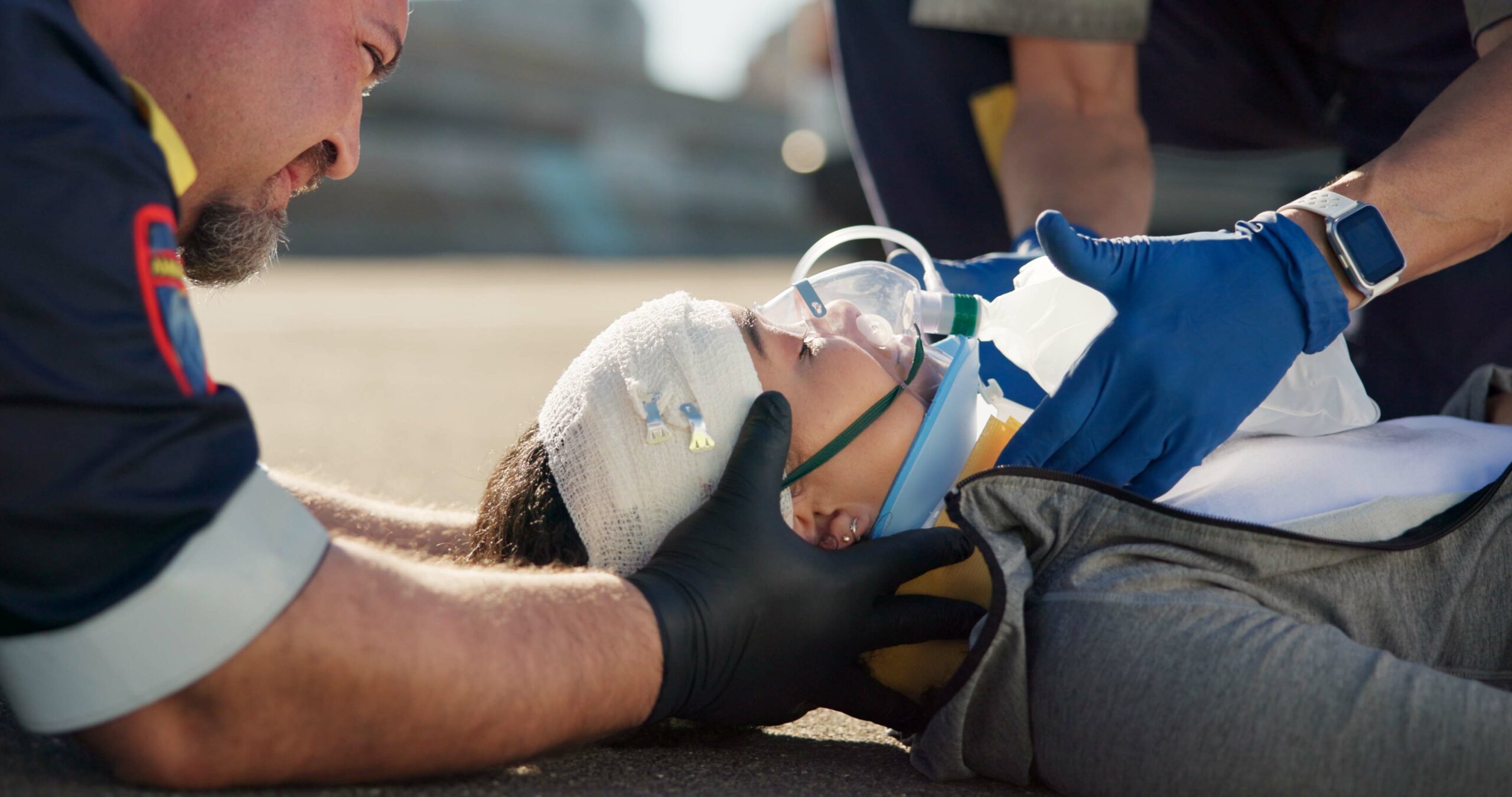
If the person loses consciousness, exhibits severe symptoms, or you’re uncertain about their condition, call triple zero (000) immediately. In Australia, paramedics are trained to assess and manage head injuries effectively, providing professional concussion care.

Tips for Concussion First Aid

What to Do While Waiting for Help

  • Stay with the injured person and keep them calm.
  • Provide reassurance that help is on the way.
  • Apply an ice pack to the head to reduce swelling, but avoid direct pressure on the injury.

What Not to Do for a Concussion

  • Don’t give strong painkillers: Medications like ibuprofen or aspirin can increase the risk of bleeding.
  • Don’t allow physical activity: The person should avoid any activity that might worsen their symptoms.
  • Don’t leave them alone: Monitor them closely until professional help arrives.

Frequently Asked Questions

How long does concussion recovery typically take?

Most people recover from a concussion within 7-10 days, though recovery time can vary significantly. Children and teenagers may take 2-4 weeks to fully recover, while some individuals may experience symptoms for several months. Recovery depends on factors such as age, previous concussion history, and the severity of the injury.

Is it safe to sleep after a concussion?

It’s generally safe to sleep after a concussion, especially if several hours have passed since the injury and symptoms are mild. However, someone should check on the person every 2-3 hours during the first 24 hours to ensure they can be easily awakened and aren’t showing signs of deterioration such as severe confusion or vomiting.

When can someone return to normal activities after a concussion?

Return to activities should be gradual and symptom-guided. Light mental activities like reading can typically resume when symptoms begin to improve, usually within a few days. Physical activities and sports should only be resumed once completely symptom-free and with medical clearance. This step-by-step approach helps prevent re-injury and ensures proper brain healing.

The content on this website offers general insights regarding health conditions and potential treatments. It is not intended as, and should not be construed as, medical advice. If you are facing a medical emergency, dial 000 immediately and follow the guidance provided.

Recent Posts
Common Australian Spiders
Australian Spider Bite & Bite First Aid Guide – Identification, Symptoms & Treatment
14/04/2026

An Australian spider bite is common, but serious injury is rare. This guide explains how to identify several Australian spiders, what a spider bite looks …

infected-insect-bite
Anti-Inflammatory Tablets – Sting & Bite Symptoms, Risks & First Aid
10/04/2026

Key Takeaways Anti-inflammatory tablets reduce pain and swelling from insect bites and stings but cannot treat serious allergic reactions or anaphylaxis.NSAIDs such as ibuprofen are …

LVR CPR Training -UETDRMP018 Perform Rescue From A Live Low Voltage Panel
LVR CPR Training Australia: What Is the UETDRMP018 Course and Who Needs It?
08/04/2026

Low voltage rescue (LVR) is the process of safely removing a person from contact with a live low voltage electrical panel and providing emergency care …

CPR and AED
CPR and AED: Why They’re Critical for Saving Lives in Emergencies
01/04/2026

CPR and AED are life-saving first aid techniques used during cardiac arrest to help save lives before an ambulance arrives. When a person’s heart stops …

sprain of the ankle
Sprain vs Strain: Key Differences, Symptoms, and First Aid Treatment
27/03/2026

A sprain is a common soft-tissue injury that occurs when a ligament is stretched or torn, usually after a fall, twist, or sudden impact. Sprains …

Information
  • About Us
  • Contact Us
  • Mental Health Pro
  • Onsite Training
  • Careers
  • Collaborations
  • Course Calendar
  • Daily Deals
  • FAQs
  • Explore Our Courses
  • Instant Price Beat
  • Partners
  • Same Day Certificates
Resources
  • Student Login
  • Blog
  • Learn First Aid
  • Create Your USI
  • Find Your USI
  • First Aid Charts
Popular Courses
  • CPR
  • First Aid
  • Childcare First Aid
  • First Aid Mental Health
  • Remote First Aid
  • Advanced First Aid
  • CPR, Asthma & Anaphylaxis
  • Asthma & Anaphylaxis
  • CPR LVR
  • Manual Handling
  • Manual Handling Refresher
  • Medication Administration
  • White Card
Online Courses
  • Zoom Online CPR
  • Zoom Online First Aid
  • Zoom Childcare First Aid
  • Zoom NDIS HISS Courses
Blended Courses
  • Blended CPR
  • Blended First Aid
  • Blended Childcare First Aid
Charity Courses
  • Free CPR
  • Free First Aid
Locations
  • South Australia
  • Queensland
  • New South Wales
  • Victoria
  • ACT
  • Tasmania
  • Northern Territory
  • Western Australia
Policies & Procedures
  • Academic Honesty
  • Complaints & Appeals
  • LLN
  • Refunds & Cancellations
  • RPL & Credit Transfers
  • Training & Assessment
Firstaidpro Logo
Facebook Instagram Youtube tiktok Pinterest Linkedin
  • Level 3, Unit 6/9 Frinton Street, Southport QLD 4215
  • (08) 7120 2570
  • Get In Touch

FirstAidPro is a leading Registered Training Organisation (RTO: 31124) delivering industry-leading standards and the latest training techniques. We provide you with Australia’s most comprehensive, officially recognised first aid qualification!

  • Same-Day Certificates
  • Courses Available 7 days
  • Nationally Accredited Certification
eway-payment.png
© 2026 Firstaidpro Australia Pty Ltd (RTO: 31124) | ABN: 70 106 788 050 | ACN: 106 788 050 | All rights reserved.
  • Privacy Policy
  • Refund Policy
  • Website Disclaimer
North Hobart