




Sharon has 21+ years of experience as a qualified Emergency Care Nurse registered with the Australian Health Practitioner Regulation Agency (APHRA) and 12+ years as a First Aid Trainer.
She takes pride in FirstAidPro making first aid training available, comprehensive and affordable to everybody.
Heatstroke is a life-threatening emergency that occurs when the body’s heat-regulating mechanisms fail due to prolonged exposure to high temperatures. In Australia, the risk of heatstroke is heightened during the hot summer months, with heatwaves and outdoor activities pushing people to their limits. Without prompt first aid, heat-related illness can lead to severe complications, including organ failure and death.
This article will give a brief introduction to heatstroke and then outline the essential first aid techniques for managing heat-related illnesses to help you be better prepared this summer season.
Understanding Heatstroke
Heatstroke occurs when someone’s core body temperature rises above 40°C, and the cooling mechanisms, such as sweating, are overwhelmed. Unlike heat exhaustion, heatstroke is a medical emergency requiring immediate intervention. It can cause damage to the brain, heart, kidneys, and muscles if not treated promptly.
Common Causes of Heatstroke in Australia

- Extreme Weather Conditions: Australia’s scorching heatwaves can quickly lead to heatstroke, especially during the peak summer months.
- Physical Exertion: Activities like hiking, running, or playing sports in high temperatures increase the risk.
- Dehydration: Insufficient water intake exacerbates the body’s inability to cool itself.
- Poor Ventilation: Being in poorly ventilated areas, such as cars or enclosed spaces, can accelerate overheating.
Who is Most at Risk for Heatstroke?

Certain groups face higher risks of developing heatstroke due to physiological or situational factors:
- Young Children: Their bodies are less efficient at regulating temperature.
- Elderly Individuals: Age-related changes reduce the body’s ability to cool down.
- Outdoor Workers and Athletes: Prolonged exposure to the sun combined with physical activity increases vulnerability.
Recognising the Signs of Heatstroke

Early recognition of heatstroke symptoms can be life-saving, as prompt intervention prevents serious complications:
- High Body Temperature: A core temperature exceeding 40°C is a critical sign.
- Altered Mental State: Confusion, irritability, agitation and slurred speech are common.
- Heat Cramps and Dizziness: These are common early warning signs of heat-related illness.
- Rapid Breathing and Flushed Skin: The skin may feel dry or damp depending on sweating levels.
- Severe Symptoms: Seizures, loss of consciousness, and a lack of sweating in extreme cases.
Urgent First Aid for Heat-Related Illness

When someone is experiencing heatstroke, every minute counts. Follow these essential steps to provide immediate care:
Tip 1: Move the Person to a Cooler Environment
Quickly relocating the individual to a shaded or air-conditioned space is the first step. Whether it’s under a tree, in a cool building, or inside a car with the air conditioning running, reducing heat exposure is critical.
Tip 2: Call Emergency Services Immediately
Dial 000 to contact emergency services in Australia. Provide clear information about the person’s condition, including symptoms, their approximate body temperature if available, and your location.
Tip 3: Lower the Person’s Body Temperature
- Cold Packs: Apply cold packs to key areas like the neck, armpits, and groin to accelerate cooling.
- Sponging with Cold Water: Dampen a cloth or sponge with cool water or use wet towels to wipe the person’s skin.
- Fans: Use fans to increase air circulation and enhance the cooling effect.
- Immerse the Sufferer in Cold Water: Cold water immersion (CWI) is considered the gold standard for treating exertional heatstroke (EHS). This method involves submerging the patient’s body in water with a temperature range of 2-10°C (35.6-50°F).
Tip 4: Hydrate Safely (If Conscious)
If the person is awake and alert, offer small sips of cool water. Avoid giving large quantities at once to prevent vomiting. Steer clear of caffeinated, alcoholic, or sugary drinks, as these can worsen dehydration.
Tip 5: Monitor Vital Signs
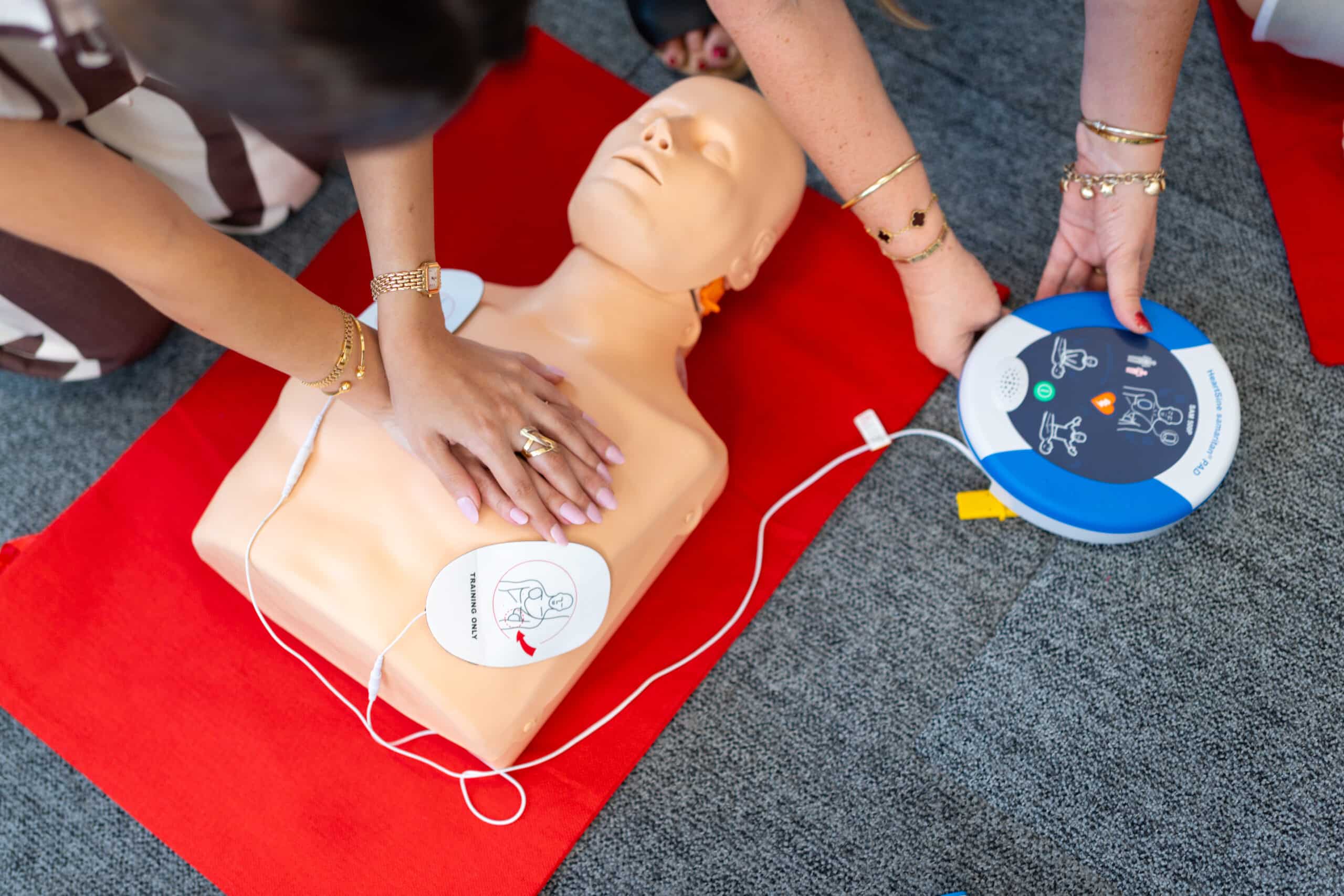
Continuously check the person’s breathing, pulse, and level of consciousness. If they become unresponsive, be prepared to perform CPR.
Tip 6: Prevent Further Heat Exposure
Keep the person in a cool environment until professional help arrives. Avoid re-exposing them to direct sunlight or hot conditions, as this can exacerbate their condition.
Preventing Heatstroke in Australia
Prevention is always better than treatment when it comes to heatstroke. These strategies can help keep you and your loved ones safe during hot weather:
Staying Hydrated
- Aim to drink at least 8-10 glasses of water daily, increasing intake during physical activity or extreme heat.
- Carry a water bottle when outdoors and encourage children and elderly individuals to drink regularly, even if they’re not thirsty.
Avoiding Outdoor Activities During Peak Heat
- In hot weather, plan outdoor activities for early mornings or late evenings when temperatures are cooler.
- Take frequent breaks in shaded or air-conditioned areas during prolonged exposure to the sun.
Wearing Appropriate Clothing
- Opt for lightweight, breathable fabrics like cotton to reduce heat retention.
- Wear light-coloured clothing, wide-brimmed hats, and UV-protective sunglasses for added protection.
Educating Vulnerable Populations
- Conduct community awareness campaigns focusing on heatstroke prevention.
- Ensure vulnerable individuals have access to air conditioning or cooling centres during heatwaves.
FAQs
What's the difference between heat exhaustion and heatstroke?
Heat exhaustion is the milder precursor to heatstroke, featuring heavy sweating, nausea, and weakness. Heatstroke is more severe, with body temperature above 40°C, altered mental state, and potentially no sweating. Heatstroke requires immediate emergency care, while heat exhaustion can often be managed with rest and cooling.
How quickly can heatstroke develop?
Heatstroke can develop rapidly, sometimes within 10-15 minutes during intense physical activity in hot conditions. However, it can also develop gradually over several hours of heat exposure. This is why it’s crucial to recognise early warning signs and take immediate action.
Can I prevent heatstroke if I start feeling overheated?
Yes, early intervention is key. If you notice symptoms like excessive sweating, dizziness, or nausea, immediately move to a cool area, remove excess clothing, apply cool water to your skin, and drink cool fluids. Taking action at the first signs of heat-related illness can prevent progression to dangerous heatstroke.