


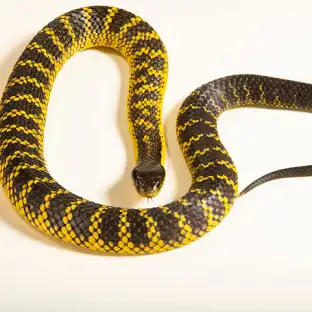
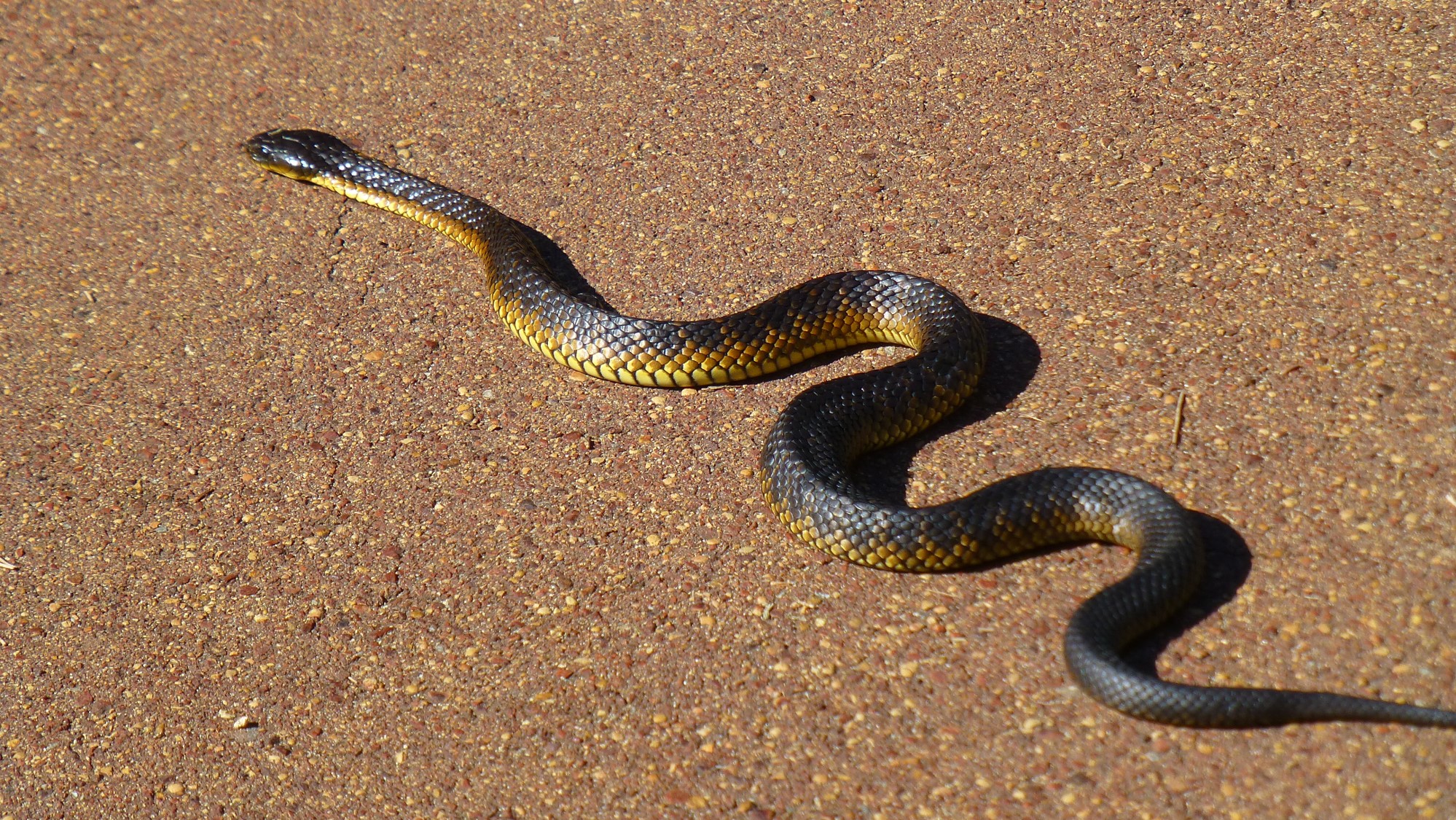
Tiger snake (Notechis scutatus) is one of Australia’s most dangerous venomous snakes, responsible for serious snake bite incidents across southern Australia that require immediate medical attention and proper first aid response. These highly venomous reptiles are found throughout southern regions of Australia, from South Australia to Tasmania, and pose significant risks to humans who encounter them in their natural habitat.
Australia is home to some of the world’s most venomous snakes, and tiger snakes rank among the deadliest snakes on the continent. Understanding tiger snake behaviour, recognising bite symptoms, and knowing proper snake bite first aid can make the difference between life and death in emergency situations. With snake bites being life-threatening emergencies that need emergency medical care, every Australian should understand the risks and response protocols.
Take action today: Enrol in a nationally recognised first aid course with First Aid Pro to learn essential snake bite first aid skills that could save a life. Accredited first aid training provides you with the confidence and knowledge to respond effectively to venomous snake bites and other medical emergencies.
Key Takeaways
- The Tiger snake is highly venomous and potentially fatal to humans, requiring immediate medical attention
- Snake bite first aid involves pressure bandaging and limb immobilisation to slow venom spread
- Prevention through awareness and proper behaviour in tiger snake habitat is essential
- The Tiger snake is found across southern Australia, particularly in wetland areas and coastal regions
- Accredited first aid training is crucial for anyone living in or visiting tiger snake territory
Is the Tiger Snake Venomous? Understanding Australia's Deadly Serpent
The Tiger snake is among the most venomous snakes in Australia, possessing potent venom that can cause severe symptoms and death if left untreated. These venomous snakes inject powerful toxins through their fangs during a bite, making them one of the common venomous species that emergency services regularly respond to across southern Australia.

Tiger Snake Venom Potency and Composition
Tiger snake venom contains a complex mixture of neurotoxins, myotoxins, and coagulants that cause severe damage to the human body. The venom attacks the nervous system, leading to paralysis, while also affecting blood clotting and muscle tissue. Studies show that tiger snake venom can be fatal within 6-24 hours without proper medical treatment and antivenom administration.
The potency of tiger snake venom varies between subspecies, but all are considered highly dangerous. Eastern tiger snakes and Tasmanian tiger snakes both possess venom capable of causing life-threatening symptoms, making any tiger snake bite a medical emergency requiring immediate professional medical help.
How Tiger Snake Venom Affects the Human Body
When bitten, tiger snake venom quickly enters the lymphatic system and begins attacking multiple body systems. Initial symptoms include pain and swelling around the bite site, followed by more serious systemic symptoms like:
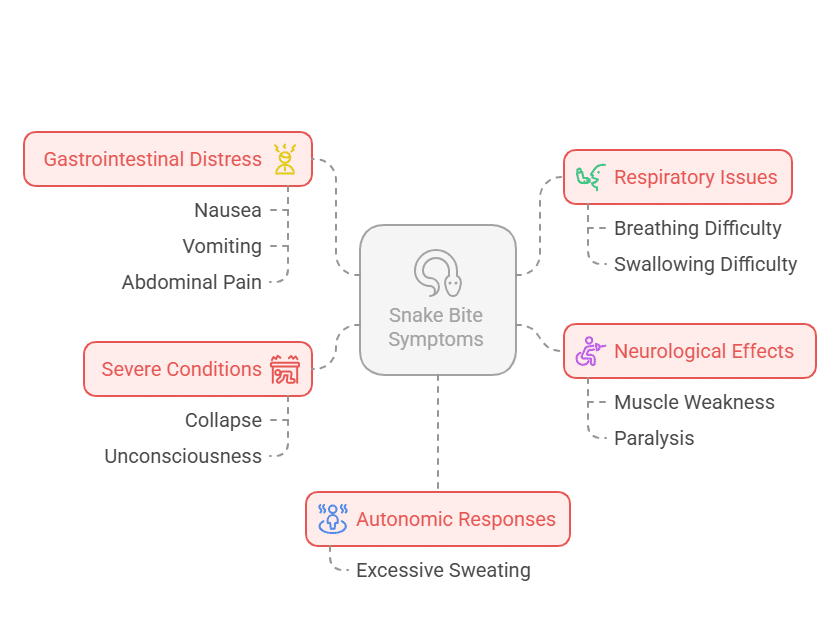
The progression of symptoms varies depending on the amount of venom injected, the victim’s size and health, and the time for medical intervention. Children and elderly individuals are at higher risk of severe complications from tiger snake bites.
Comparing Tiger Snake Toxicity to Other Australian Snakes
While Australia hosts many dangerous species, tiger snakes rank among the top threats alongside the eastern brown snake and other deadly Australian snakes. Comparative studies of Australian snake venoms show tiger snakes possess venom with similar lethality to brown snakes, though the specific toxin composition differs.
Snake Species | Venom Toxicity Rating | Primary Habitat | Distribution |
Tiger Snake | Very High | Wetlands, coastal areas | Southern Australia |
Eastern Brown Snake | Very High | Woodlands, scrublands | Eastern Australia |
Red-bellied Black Snake | Moderate-High | Waterways, forests | Eastern Australia |
Death Adder | Very High | Various habitats | Across Australia |

Tiger Snake Habitat: Where You'll Encounter These Dangerous Reptiles
Tiger snakes are found throughout southern Australia, with populations distributed across diverse environments from coastal wetlands to inland waterways. Understanding where tiger snakes live helps people avoid dangerous encounters and take appropriate precautions in high-risk areas.
Southern Australia Tiger Snake Distribution
Tiger snakes are found across southern Australia, with significant populations in:
- South Australia: River Murray region, Adelaide Hills, Kangaroo Island
- Victoria: Coastal areas, Gippsland, central regions
- Tasmania: Throughout the state, particularly near water sources
- Western Australia: South-west corner, Perth region
- New South Wales: Southern coastal regions
These venomous snakes prefer areas near water sources, making wetlands, swamps, and river systems prime tiger snake habitat. Urban expansion into these areas has increased human-snake encounters, particularly in Adelaide, Melbourne, and Perth suburbs.
Preferred Environmental Conditions and Terrain
Tiger snakes thrive in environments that provide both water access and suitable prey. Key habitat features include:
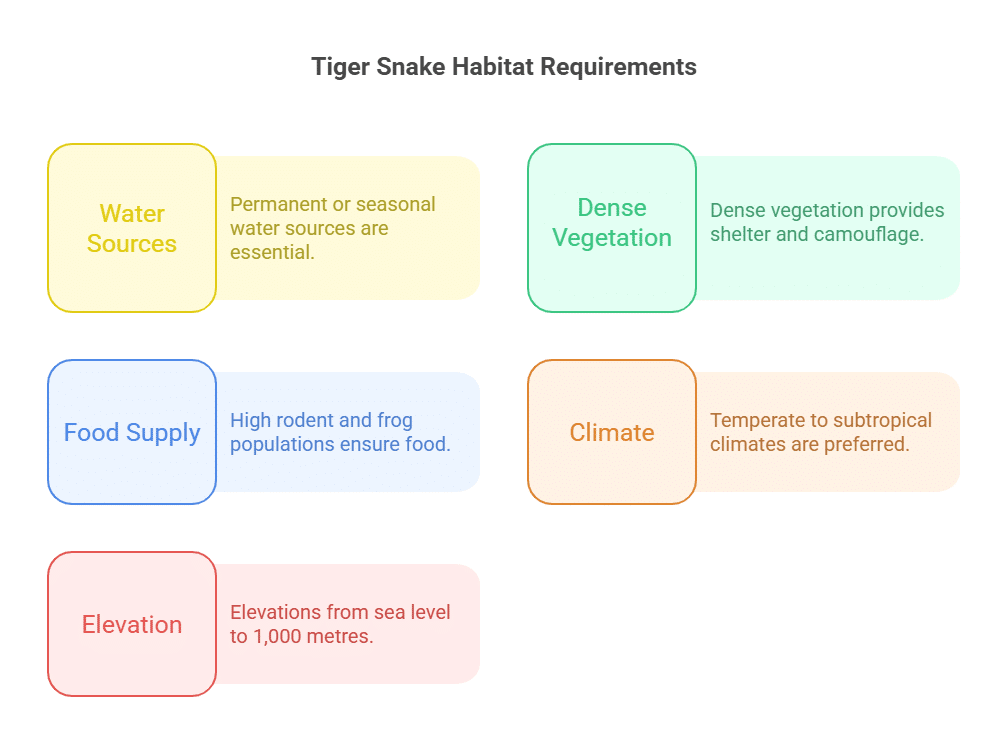
Wetland environments support the highest tiger snake populations, as these areas provide optimal hunting grounds for frogs, fish, and small mammals that form their primary diet.
Seasonal Behaviour and Activity Patterns
Tiger snake activity varies significantly with seasons, affecting when humans are most likely to encounter these dangerous reptiles:
Spring (September-November): Peak activity as snakes emerge from winter dormancy, increasing snake bite incidents
Summer (December-February): High activity during warm weather, though snakes may shelter during extreme heat
Autumn (March-May): Continued activity as snakes prepare for winter
Winter (June-August): Reduced activity, though warm days may see temporary emergence
Most tiger snake encounters occur between October and April when snakes are most active and people spend more time outdoors.
Eastern Tiger Snake vs Tasmanian Tiger Snake: Key Differences
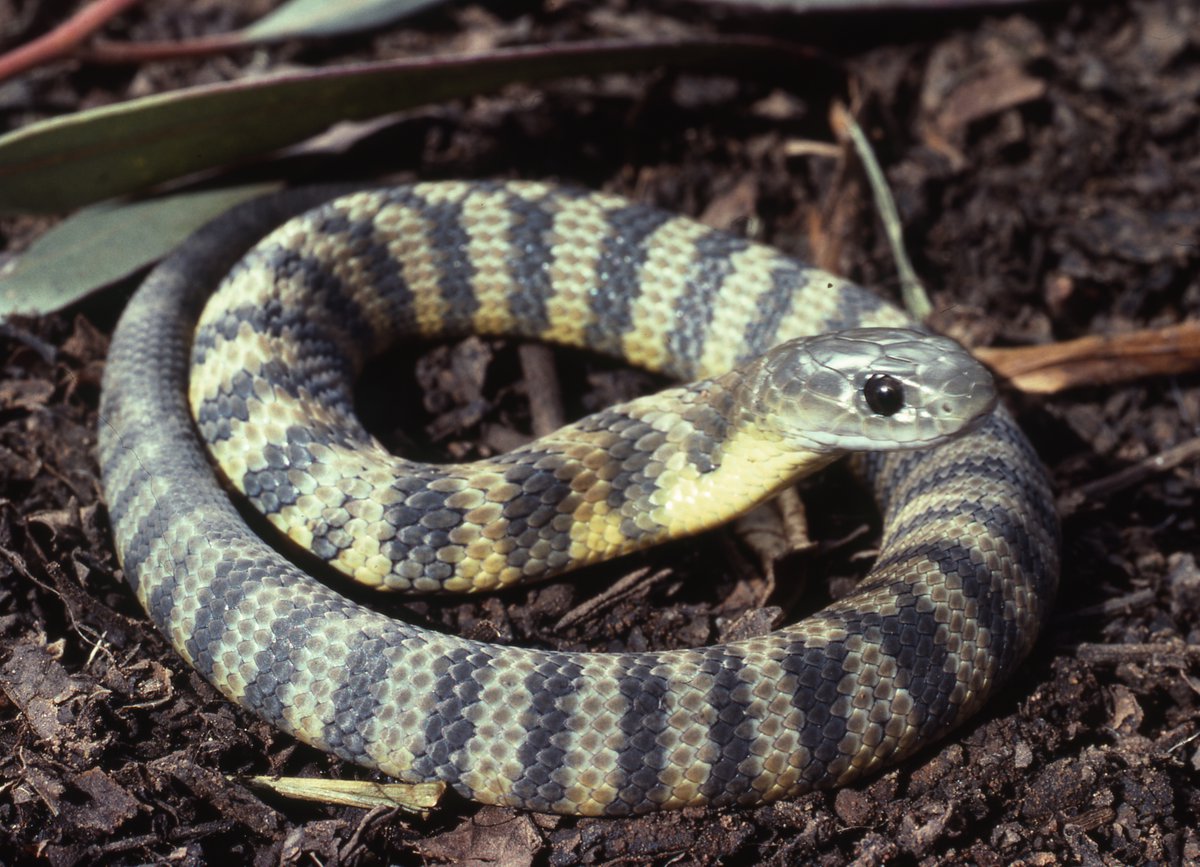
Australia hosts several tiger snake subspecies, with the eastern tiger snake and Tasmanian tiger snake being the most commonly encountered. While both species pose similar risks, understanding their differences helps with identification and risk assessment.
Eastern Tiger Snake Characteristics and Range
The eastern tiger snake (Notechis scutatus) represents the mainland subspecies found throughout southeastern Australia. Key identifying features include:
- Length: 0.9-1.5 metres average, up to 2 metres maximum
- Colouration: Highly variable, from yellow-brown to black with distinct banding
- Pattern: Clear cross-bands (tiger stripes) in most individuals
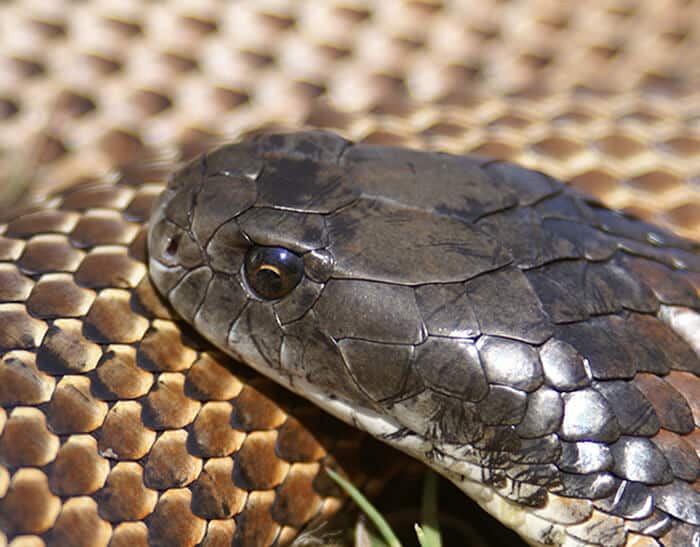
- Head: Broad, distinct from neck, with prominent scales
- Distribution: Victoria, South Australia, southern New South Wales
Eastern tiger snakes show remarkable colour variation, with some populations displaying bright yellow banding while others appear almost entirely black. This variation often confuses identification efforts.
Tasmanian Tiger Snake Unique Features
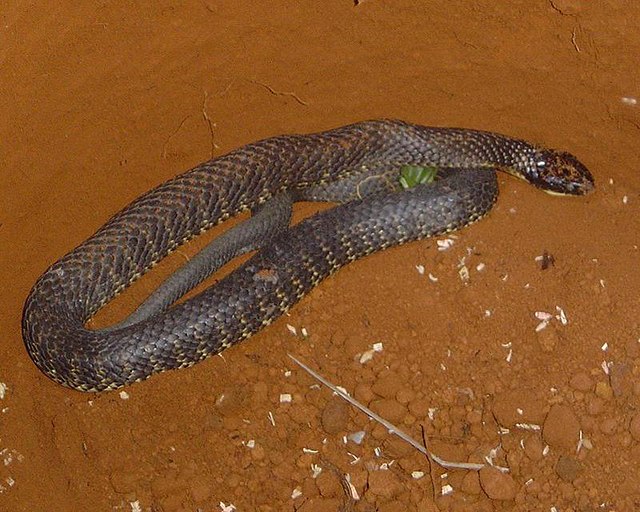
Tasmanian tiger snakes (Notechis scutatus humphreysi) have adapted to island conditions, developing distinct characteristics:
- Size: Generally larger than mainland subspecies, reaching 2+ metres
- Build: More robust body structure adapted to cooler climate
- Colouration: Often darker overall with less distinct banding
- Behaviour: More aggressive temperament when threatened
- Diet: Includes seabird chicks and eggs in coastal populations
Island populations give birth to live young rather than laying eggs, an adaptation to Tasmania’s cooler climate conditions.
Identifying Tiger Snake Subspecies in the Wild
Distinguishing between tiger snake subspecies requires careful observation of multiple characteristics:
Feature | Eastern Tiger Snake | Tasmanian Tiger Snake |
Average Size | 1.2 metres | 1.5 metres |
Banding Pattern | Usually distinct | Often faded |
Head Shape | Broad, triangular | Very broad, robust |
Temperament | Defensive | More aggressive |
Primary Habitat | Mainland wetlands | Island environments |
Both subspecies require identical first aid treatment for bites, regardless of identification certainty.
Tiger Snake Bite Symptoms: Recognising a Medical Emergency
Recognising tiger snake bite symptoms quickly is crucial for initiating proper first aid treatment and seeking emergency medical care. Snake bite symptoms can progress rapidly, making early identification vital for successful treatment outcomes.
Immediate Tiger Snake Bite Symptoms to Watch For
The first signs of a tiger snake bite may appear within minutes of the incident. Initial symptoms include:
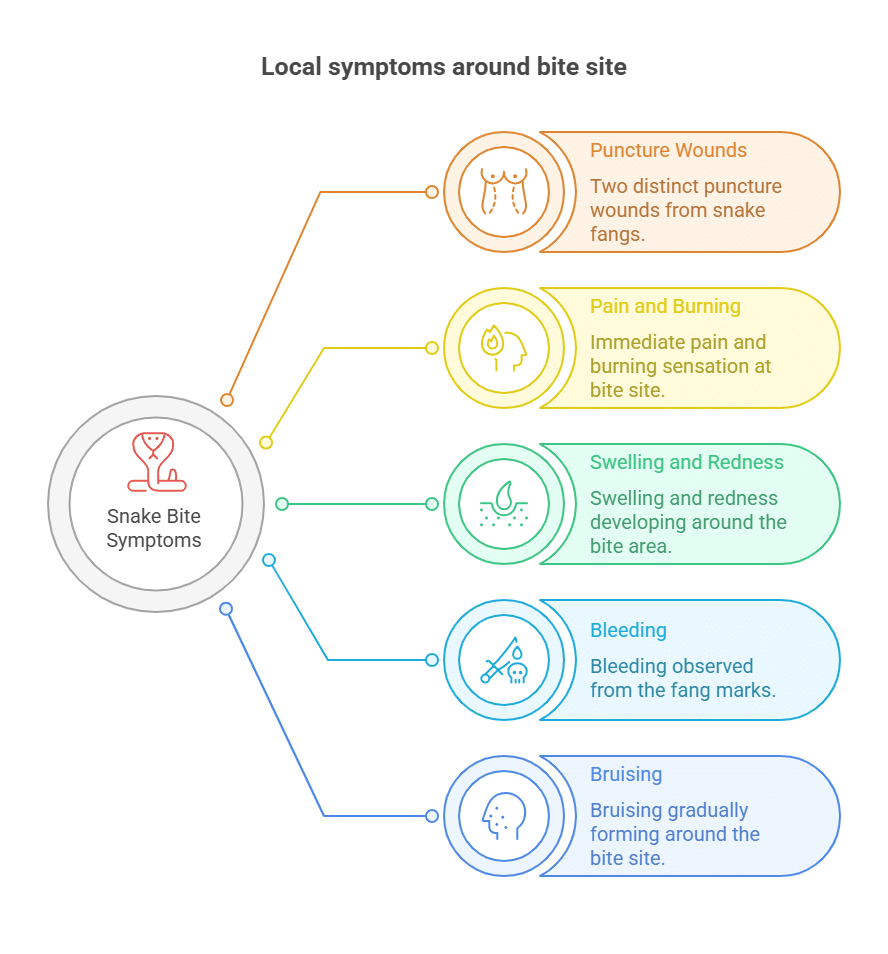
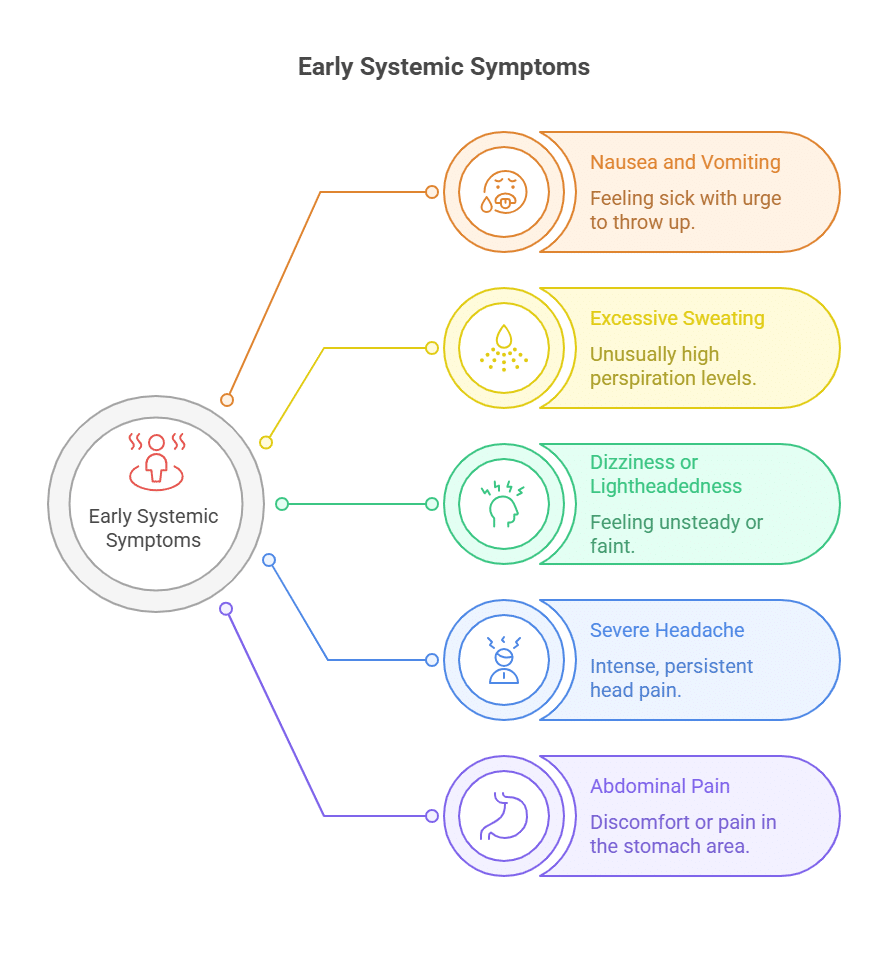
Not all tiger snake bites result in envenomation, but all suspected snake bites must be treated as medical emergencies requiring immediate first aid and professional medical help.
Progressive Symptoms and Timeline After Envenomation
Tiger snake venom affects multiple body systems, with symptoms progressing in stages
to
2 hours
6 hours
24 hours
IMMEDIATE ACTION REQUIRED
Call 000 immediately for any suspected tiger snake bite. Apply pressure bandaging and seek emergency medical care. Children and elderly develop symptoms more rapidly.
Special Considerations For Children
Children face higher risks from snake bites due to their smaller body size and developing immune systems. Special considerations for paediatric snake bite cases include:
- Symptoms develop more rapidly in children
- Smaller venom dose creates proportionally greater effects
- Higher risk of anaphylaxis and severe allergic reactions
- Faster progression to respiratory failure
- May require modified pressure bandaging techniques
- Priority evacuation to specialist paediatric emergency services
Parents and caregivers must seek immediate medical attention for any suspected snake bite in children, regardless of symptom severity.
Protect your family: First Aid Pro offers specialised paediatric first aid courses that teach parents essential skills for managing a wide range of emergencies.

Snake Bite First Aid: Life-Saving Emergency Response
Proper snake bite first aid can slow venom spread and save lives while waiting for emergency medical care. The Australian Resuscitation Council recommends specific first aid protocols for all venomous snake bites in Australia.
Step-by-Step Snake Bite Treatment Protocol
Follow this systematic approach when providing first aid for snake bites
-
1Call triple zero (000) immediately for emergency services
-
2Keep the victim calm and still to slow venom circulation
-
3Remove jewellery from the bitten limb before swelling occurs
-
4Do not wash the bite site (venom traces help identify snake species)
-
5Mark the leading edge of swelling with a pen and time
-
1Start bandaging at the site furthest from the heart (fingers or toes)
-
2Apply firm, even pressure - similar to bandaging a sprained ankle
-
3Overlap each wrap by half the bandage width
-
4Extend bandaging to cover the entire affected limb
-
5Check circulation by pressing fingernails or toenails
-
6Immobilise the limb to prevent muscle movement
CRITICAL REMINDER
The bandage should be firm enough to restrict lymphatic drainage but not tight enough to stop blood flow. Fingers or toes should remain pink with good circulation.
Annual Tiger Snake Bite Incidents and Outcomes
Recent data from Australian emergency departments shows:
- Approximately 3,000 snake bite presentations annually across Australia
- Tiger snakes account for 10-15% of identified venomous snake bites
- Fatality rate less than 1% when proper medical treatment is received
- Higher incident rates in South Australia, Victoria, and Tasmania
- Peak presentation months: October through March
Most tiger snake bite victims who receive prompt medical attention and antivenom treatment make full recoveries without long-term complications.
Recovery Times and Long-term Effects
Tiger snake bite recovery varies significantly based on several factors:
Factors affecting recovery:
- Time between bite and antivenom administration
- Amount of venom injected during the bite
- Victim’s age, health status, and body size
- Quality of initial first aid treatment
- Speed of emergency response
Typical recovery timeline:
- Hospital stay: 24-72 hours average
- Symptom resolution: 3-7 days
- Full recovery: 1-4 weeks
- Return to normal activities: 2-6 weeks
Some victims experience prolonged weakness, fatigue, or anxiety following tiger snake bites, but permanent disabilities are rare with proper treatment.
Antivenom Effectiveness and Availability
Tiger snake antivenom (polyvalent snake antivenom) is highly effective when administered promptly:
Treatment Factor | Success Rate | Notes |
Antivenom within 2 hours | >95% survival | Optimal treatment window |
Antivenom 2-6 hours | >90% survival | Good outcomes expected |
Antivenom 6-12 hours | >85% survival | Higher complication risk |
Antivenom >12 hours | Variable | Depends on symptoms |
All major Australian hospitals stock polyvalent antivenom, which treats tiger snake bites along with other common venomous snake species. Rural and remote areas rely on Royal Flying Doctor Service for rapid antivenom delivery when local supplies are unavailable.
Preventing Tiger Snake Encounters in Southern Australia
Prevention remains the most effective strategy for avoiding tiger snake bites. Understanding snake behaviour and taking appropriate precautions significantly reduces encounter risks while allowing people to enjoy outdoor activities safely.
Tiger Snake Behaviour and Aggression Triggers
Tiger snakes are generally non-aggressive and prefer to flee when disturbed. However, certain situations may trigger defensive behaviour:
Common aggression triggers:
- Being cornered or trapped
- Protecting offspring during breeding season
- Sudden movements or loud noises
- Hot weather increasing irritability
- Being accidentally stepped on or grabbed
Warning behaviours include:
- Loud hissing sounds
- Flattening of the neck and head
- Raising the front portion of the body
- Mock striking movements
- Retreating slowly while facing the threat
When tiger snakes display warning behaviours, back away slowly and allow the snake to escape. Most tiger snake bites occur when people attempt to catch, kill, or move the animals.

Safe Practices in Tiger Snake Territory
Adopting safe practices in tiger snake habitat protects both humans and wildlife:
Outdoor safety measures:
- Wear closed shoes and long pants in snake habitat
- Use a torch when walking at night
- Make noise to alert snakes of your presence
- Stay on established paths and tracks
- Avoid tall grass and dense vegetation
- Check camping areas before setting up
Around water sources:
- Exercise extra caution near wetlands and rivers
- Scan areas before sitting or lying down
- Keep dogs on leads near water
- Avoid reaching into areas you cannot see clearly
- Be particularly careful during warmer months
Property Management to Reduce Snake Encounters
Homeowners in tiger snake areas can reduce encounter risks through proper property management:
| Prevention Category | Prevention Measures |
|---|---|
| Habitat Modification | Remove potential snake shelters (wood piles, debris) |
| Keep grass short and maintain clear sight lines | |
| Seal gaps under buildings and sheds | |
| Install snake-proof fencing around high-risk areas | |
| Remove water sources where possible | |
| Professional Pest Control | Control rodent populations to reduce snake food sources |
| Regular property inspections during snake season | |
| Professional snake removal when necessary | |
| Education for family members about snake safety |
Remember that tiger snakes are protected wildlife in most Australian states, making it illegal to kill or harm them unnecessarily.
Ensure workplace safety: First Aid Pro provides specialised workplace first aid training for organisations operating in isolated areas. Accredited training ensures employees know how to respond to snake bite emergencies and other outdoor workplace hazards.
Knowledge Test Quiz
Test your understanding of tiger snake safety and first aid
Summing Up
Tiger snakes represent one of Australia’s most significant snake bite risks, with potentially fatal consequences for anyone unfortunate enough to suffer envenomation. Understanding where these venomous snakes are found, recognising bite symptoms, and knowing proper first aid treatment can mean the difference between life and death in emergency situations.
The key to surviving a tiger snake bite lies in rapid response – calling emergency services immediately, applying proper pressure bandaging techniques, and getting the victim to medical facilities equipped with antivenom as quickly as possible. Prevention through awareness, appropriate behaviour in snake habitat, and property management remains the most effective strategy for avoiding dangerous encounters.
Australia’s excellent emergency medical system and readily available antivenom ensure that tiger snake bite fatalities remain rare when proper treatment is received. However, the serious nature of these incidents underscores the importance of first aid training for anyone living in or visiting tiger snake territory across southern Australia.
Remember that tiger snakes play important ecological roles in Australian ecosystems, controlling rodent populations and maintaining natural balance. Respecting these magnificent but dangerous reptiles while taking appropriate precautions allows humans and wildlife to coexist safely in shared environments.
Stay safe, stay informed, and remember that proper first aid training could save a life when every second counts in a snake bite emergency.
References
- University of Melbourne: A Clinician’s Guide To Australian Venomous Bites and Stings.
- Australian Resuscitation Council. (2024). ANZCOR Guideline 9.4.3 – Envenomation – Snake Bite.
- Department of Health, South Australia. (2024). “Snake Bite Prevention and First Aid in South Australia.
- Victorian Government: Wildlife Fact Sheet: Tiger Snake