



Sharon has 21+ years of experience as a qualified Emergency Care Nurse registered with the Australian Health Practitioner Regulation Agency (APHRA) and 12+ years as a First Aid Trainer.
She takes pride in FirstAidPro making first aid training available, comprehensive and affordable to everybody.
When you’re dealing with a burn, finding the best ointment for burns can make all the difference in your recovery.
Did you know there’s a wide range of specialised burn treatments available? From over-the-counter options to prescription creams, each ointment offers unique benefits tailored to different types and severities of burns. Understanding which one to use and when can greatly impact your healing process and comfort level.
So, what exactly are these top ointments, and how do they work? Let’s explore the most effective treatments that could be your skin’s best ally in times of need.
Key Takeaways
- Aloe vera gel provides immediate cooling relief and promotes skin cell regeneration for minor burns.
- Silver sulfadiazine cream offers broad-spectrum antimicrobial activity and accelerates healing for second-degree burns.
- Bacitracin ointment prevents infection and promotes healing in first-degree and minor second-degree burns.
- Neosporin contains three antibiotics that work synergistically to combat a wide range of bacteria in minor burns.
- Honey-based ointments offer natural antibacterial properties and promote wound healing while reducing infection risk.
Aloe Vera Gel
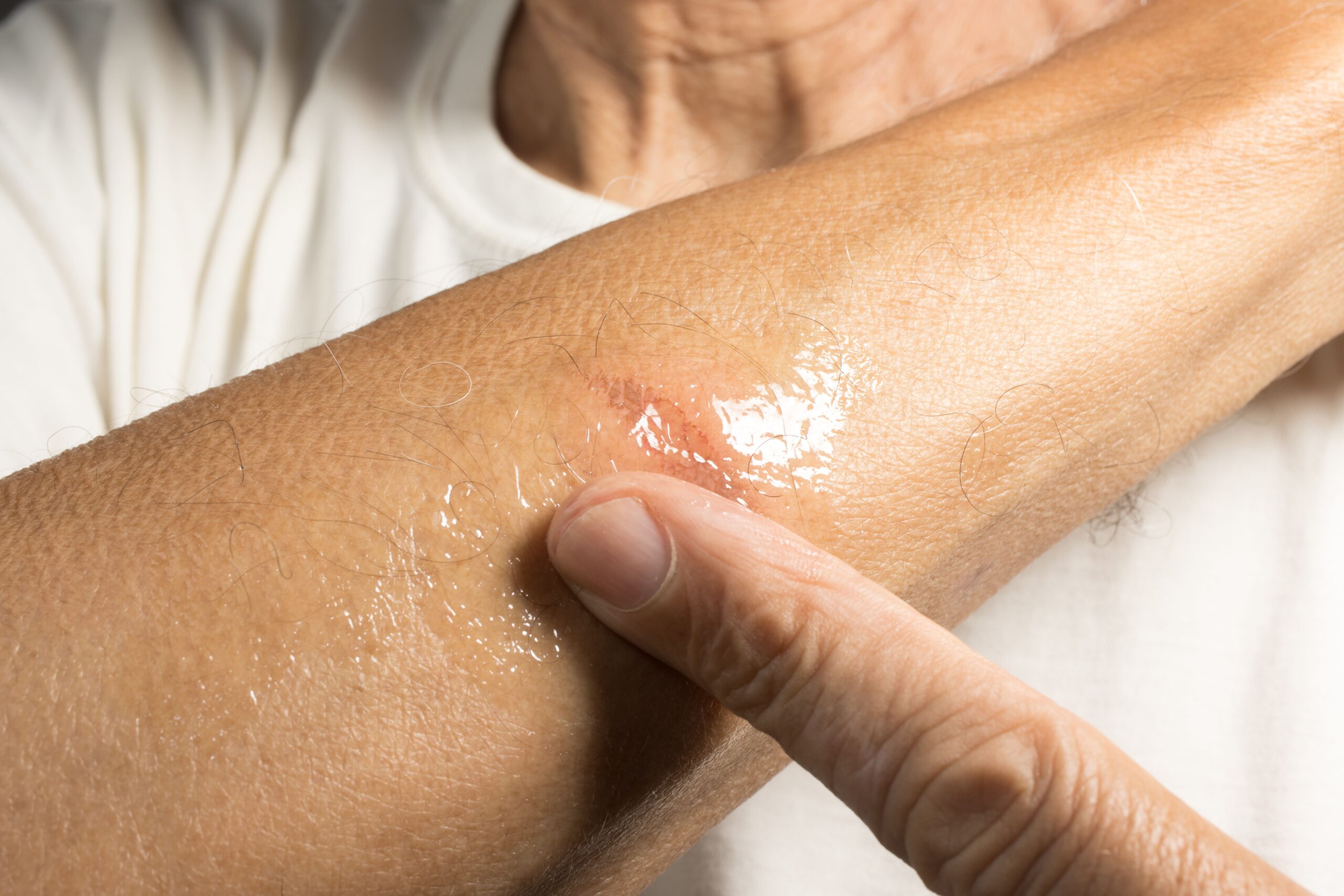
Renowned for its soothing properties, aloe vera gel is a widely used natural remedy for treating minor burns and promoting skin healing. This clear, gel-like substance is derived from the aloe vera plant and has been utilised for centuries due to its therapeutic benefits.
When applied to burns, aloe vera gel can help reduce pain, inflammation, and redness. Its cooling effect provides immediate relief, while its moisturising properties prevent the skin from drying out during the healing process. Aloe vera contains compounds like acemannan and glucomannan, which stimulate skin cell regeneration and collagen production, vital for burn healing.
Research has shown that aloe vera can accelerate burn recovery by up to nine days compared to conventional treatments, making it one of the best ointments for burns for first-degree and mild second-degree injuries. To use aloe vera gel, simply apply a thin layer to the affected area several times a day. Confirm you’re using pure aloe vera gel without added fragrances or alcohol, which can irritate the burn.
Silver Sulfadiazine Cream
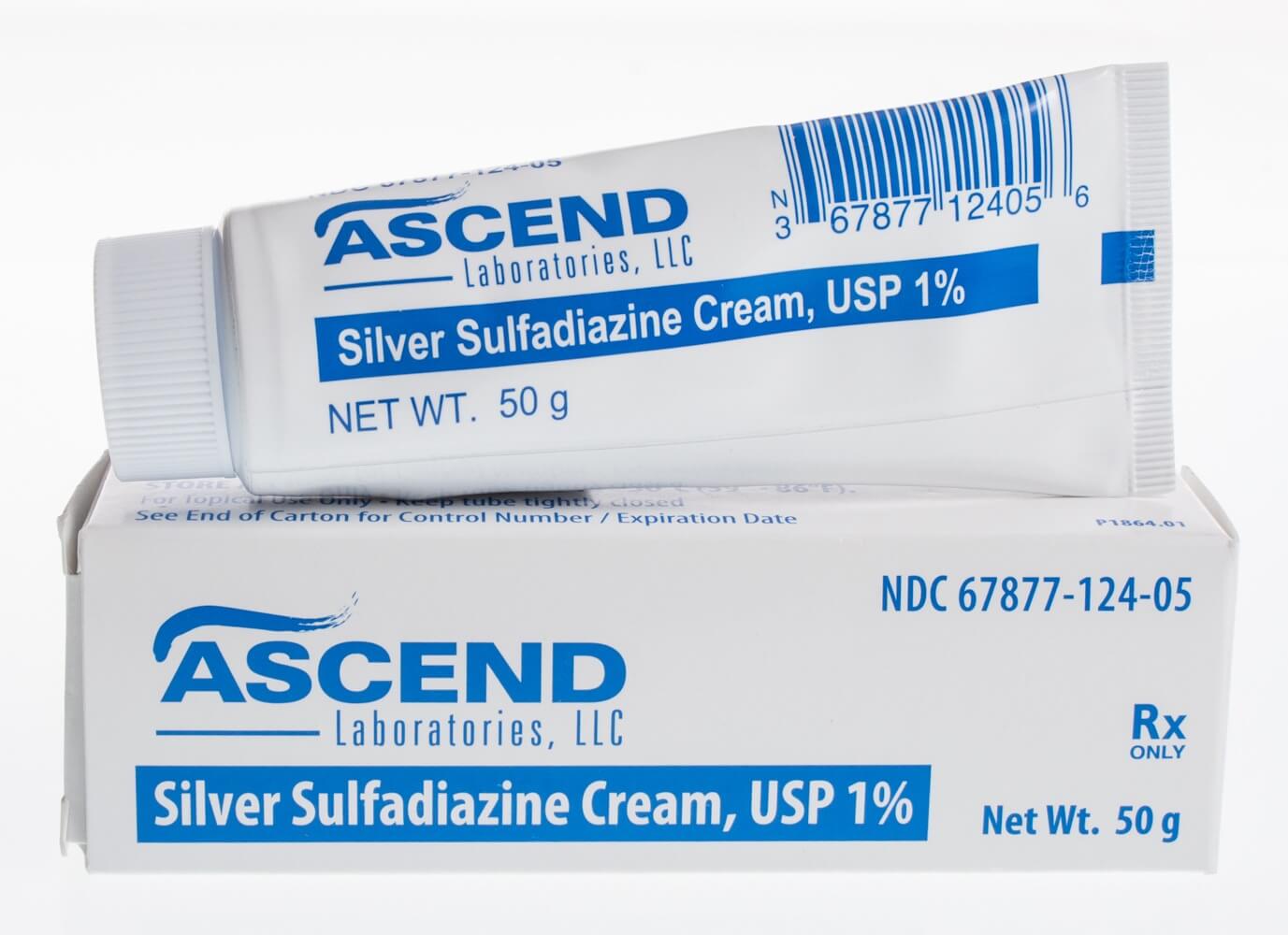
Silver Sulfadiazine Cream’s primary benefit lies in its broad-spectrum antimicrobial activity, making it one of the best ointment for burns requiring infection prevention. It effectively combats a wide range of bacteria, including Pseudomonas aeruginosa, a common culprit in burn wound infections. This action notably reduces the risk of infection, a critical factor in burn healing. Additionally, the cream forms a protective barrier over the wound, creating an ideal environment for tissue regeneration.
In terms of pain management, Silver Sulfadiazine Cream offers notable relief. Its cooling effect upon application can soothe the burning sensation associated with thermal injuries. Furthermore, by preventing infection and promoting healing, it indirectly reduces pain and discomfort during the recovery process.
Bacitracin Ointment
Bacitracin ointment serves as an effective topical antibiotic for minor burns, helping prevent infection and promote healing. This over-the-counter medication is often considered among the best ointments for burns due to its accessibility and proven effectiveness, offering several bacitracin benefits, including its ability to inhibit bacterial growth on the skin’s surface.
When applied to a clean, dry burn area, bacitracin creates a protective barrier that shields the wound from harmful microorganisms while maintaining a moist environment conducive to healing.
Proper bacitracin application is essential for best results. You should first clean the burn area with mild soap and water, then gently pat it dry. Apply a thin layer of the ointment directly to the affected area, ensuring complete coverage.
Neosporin
The primary active ingredients in Neosporin include polymyxin B sulfate, bacitracin zinc, and neomycin sulfate, which work synergistically to combat a wide range of bacteria, establishing it as one of the best ointment for burns. These components offer active ingredient benefits through their distinct mechanisms of action.
Polymyxin B sulfate disrupts bacterial cell membranes, while bacitracin zinc inhibits cell wall synthesis, and neomycin sulfate interferes with protein synthesis in bacteria.
Hydrocortisone Cream
Hydrocortisone cream, a mild topical steroid, can effectively reduce inflammation and itching associated with minor burns. When seeking the best ointment for burns involving inflammation, it’s widely available over-the-counter and is often recommended for first-degree burns or mild second-degree burns. The hydrocortisone benefits include rapid relief from discomfort and a reduction in redness and swelling.
You should apply a thin layer of 1% hydrocortisone cream to the affected area up to four times daily. However, it’s essential to use it sparingly and only for short periods, typically no longer than seven days. Prolonged use can lead to skin thinning and increased susceptibility to infections.
It’s important to note that hydrocortisone cream isn’t suitable for deep or extensive burns, open wounds, or infected areas. In these cases, seek immediate medical attention. Always clean the burn area gently before applying any ointment, and cover it with a sterile bandage to protect against further damage or infection.
Honey-Based Ointments
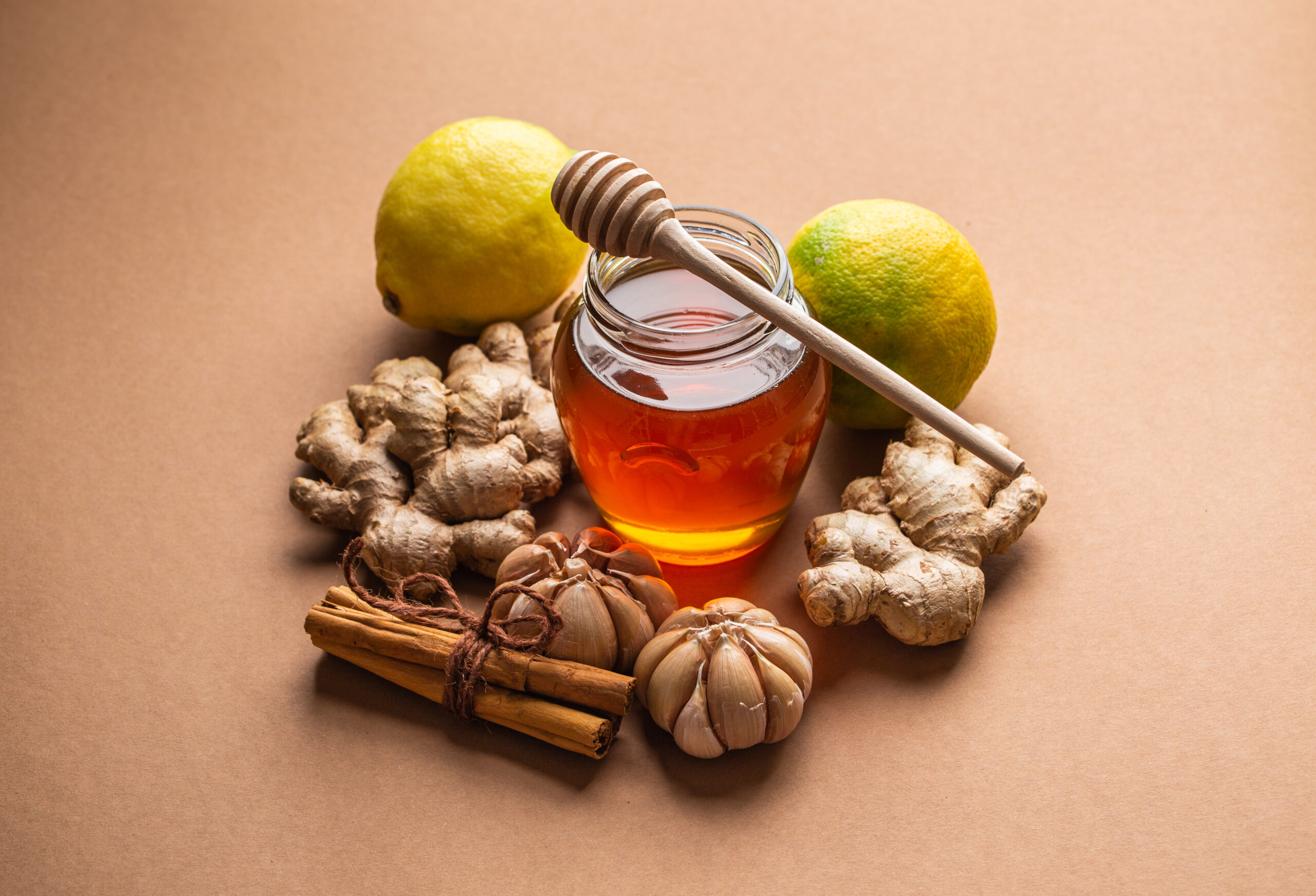
Nature’s own remedy, honey-based ointments offer potent antibacterial properties that can effectively combat infection in burn wounds. For those seeking a natural approach to finding the best ointment for burns, these natural remedies have been used for centuries and are gaining recognition in modern medicine.
The antibacterial action of honey is attributed to several factors:
- High sugar content: Creates an environment inhospitable to bacteria.
- Low pH: Acidic nature inhibits bacterial growth.
- Hydrogen peroxide production: Slow release provides continuous antimicrobial action.
- Phytochemicals: Plant-derived compounds with antibacterial properties.
Research has shown that honey-based ointments can be as effective as traditional antibiotics in treating burn wounds. They’re particularly useful against antibiotic-resistant bacteria, making them a valuable alternative in today’s healthcare landscape.
When choosing a honey-based ointment, look for medical-grade products specifically formulated for wound care. These guarantee purity and sterility, minimising the risk of introducing contaminants to the burn site.
Lidocaine Gels
Lidocaine gels offer rapid pain relief for minor burns by temporarily numbing the affected area through their local anaesthetic properties. When immediate pain relief is the priority, these gels represent the best ointment for burns requiring fast-acting comfort. These topical anaesthetics are available over-the-counter in concentrations typically ranging from 2% to 5%.
The effectiveness of lidocaine in burn management has been well-documented in clinical studies, with most patients reporting significant pain reduction within minutes of application.
Frequently Asked Questions
How often should I apply burn ointment to my wound?
Apply a thin layer 2-3 times daily or as directed on the packaging. Clean the area gently before each application and cover with a sterile bandage if recommended.
When should I see a doctor instead of treating a burn at home?
Seek immediate medical attention for burns larger than your palm, third-degree burns (white or charred appearance), burns on the face/hands/genitals, or any burn showing signs of infection like increased pain, pus, or red streaking.
Can I use multiple burn ointments together?
It’s generally not recommended to mix different ointments without medical guidance, as they may interact or cause irritation. When selecting the best ointment for burns, stick to one treatment at a time, and consult a healthcare provider if you’re unsure which option is best for your specific burn.