



Sharon has 21+ years of experience as a qualified Emergency Care Nurse registered with the Australian Health Practitioner Regulation Agency (APHRA) and 12+ years as a First Aid Trainer.
She takes pride in FirstAidPro making first aid training available, comprehensive and affordable to everybody.
Epilepsy is a neurological disorder that causes recurrent, unprovoked seizures, affecting how the brain sends and receives electrical signals. Understanding epilepsy, the different types of seizures, and how to provide appropriate first aid is essential for keeping people safe and reducing the stigma associated with this common condition. This guide explains epilepsy and seizures in clear, practical terms tailored for Australians seeking accurate, reliable information.
Do you work in the disability support or healthcare sectors and need epilepsy and seizure training? Enrol in a nationally accredited course with First Aid Pro today.

Key Takeaways: What Is Epilepsy
- Epilepsy is a chronic neurological disorder where people experience two or more unprovoked seizures.
- There are many different types of seizures, not just convulsions.
- People with epilepsy can lead active, fulfilling lives with proper treatment and support.
- Correct seizure management training prevents injuries and supports recovery.
- Organisations such as Epilepsy Action Australia assist people living with epilepsy and their families.
What Is Epilepsy? Understanding This Neurological Disorder
Epilepsy is a brain disorder characterised by repeated episodes of abnormal electrical activity in the brain. These episodes, known as seizures, usually occur when groups of nerve cells fire rapidly and unpredictably. While most people have heard of tonic-clonic seizures, epilepsy includes many forms of seizures and syndromes, each affecting different parts of the brain and presenting with distinct symptoms.
Epilepsy is one of the most common neurological conditions worldwide, and many Australians live with epilepsy successfully. The condition can begin at any age and may be mild, moderate, or severe, depending on the area of the brain affected and the type of epilepsy diagnosed.

Seizure: What It Means and Why It Occurs
A seizure is a sudden burst of abnormal electrical activity in the brain. A seizure may affect movement, behaviour, awareness, emotions, or senses. Seizures usually last between a few seconds and several minutes, depending on the type.
Not every seizure means a person has epilepsy. Some seizures occur due to temporary causes such as high fever (febrile convulsions), low blood sugar, or head injury. Epilepsy is diagnosed when a person has two or more unprovoked seizures without an immediate temporary or reversible cause.
What Is Epilepsy: Key Facts at a Glance
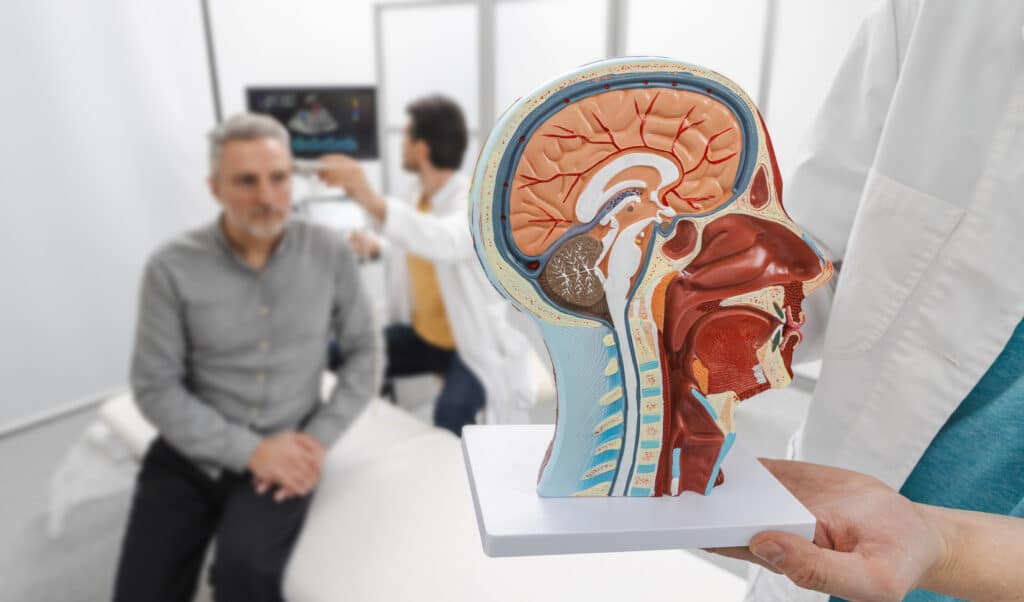
Epilepsy is a chronic neurological disorder where unusual electrical activity in the brain leads to recurring seizures. These episodes can affect movement, behaviour, awareness, and sensation.
How epilepsy affects the brain
- Abnormal bursts of electrical activity occur in one or both hemispheres.
- The symptoms depend on the specific part of the brain involved.
- Causes include head injury, stroke, infection, genetics, or unknown factors.
Who can be affected?
- Epilepsy affects Australians of all ages—children, teens, adults, and seniors.
- Some children may outgrow certain forms of epilepsy as they develop.
Symptoms and Causes of Epilepsy
Symptoms of Epileptic Seizures
Symptoms of epileptic seizures can look very different from person to person. They depend on the type of seizure and the part of the brain involved, and may or may not include obvious convulsions.
Common convulsive seizure signs
- Sudden collapse or loss of posture.
- Body stiffening followed by rhythmic jerking movements.
- Clenched jaw, possible tongue biting or drooling.
- Changes in breathing or skin colour.
- Loss of awareness and no response during the event.
- Confusion, tiredness or headache after the seizure.
Non-convulsive or focal seizure signs
- Blank staring or “checked out” appearance (absence seizures).
- Repetitive movements such as lip smacking, fiddling or wandering.
- Sudden feelings of fear, déjà vu, or unusual smells or tastes.
- Tingling, twitching or jerking in one part of the body.
- Brief confusion or loss of awareness without falling.
- Short gaps in memory around the seizure.
Not everyone will have all of these symptoms. Any sudden, repeated episodes like these should be discussed with a doctor, as they may be a sign of epilepsy or another neurological condition.
Cause of Epilepsy: Why It Develops
There is no single cause of epilepsy. Instead, researchers identify patterns, risk factors, and underlying conditions that contribute to its development. Epilepsy is often linked to changes in brain structure or function, but many cases remain unexplained despite thorough investigation.
Common Factors That Cause Epilepsy
Cause of Epilepsy | Explanation |
Brain injury | Accidents, falls or sporting injuries may lead to seizures months or years later. |
Stroke | Particularly common in older adults due to changes in blood flow to the brain. |
Brain tumours | Tumours may irritate surrounding brain tissue, triggering seizures. |
Genetic factors | Some forms of epilepsy run in families or relate to inherited traits. |
Infections | Meningitis, encephalitis, and other infections may lead to epilepsy. |
Developmental conditions | Such as autism spectrum disorder or cerebral palsy. |
Unknown causes | Up to 50% of cases have no identifiable cause. |
Many people diagnosed with epilepsy have no family history or known risk factor. Having a seizure does not always mean you have epilepsy, but it is one symptom of epilepsy if it occurs repeatedly without a temporary cause.

What Is Epilepsy and Seizures: Types You Should Know
Understanding the different types of seizures helps reduce fear and improve first-aid responses. Seizures can be grouped into generalised seizures, affecting both sides of the brain, and focal seizures, which start in one area of the brain.
Type of Seizure: Generalised Seizures
Tonic-Clonic Seizure
(formerly “grand mal seizure”)
This is the type of epileptic seizure most people recognise. The person may cry out, fall to the ground, stiffen, and convulse.
- Breathing may change and there may be brief loss of bladder control.
- Afterwards, the person is often confused, exhausted, or sore.
Absence Seizures
(formerly “petit mal seizures”)
Common in childhood absence epilepsy. The person may stare blankly or stop responding briefly.
- Episodes usually last only seconds.
- Easily mistaken for daydreaming or lack of attention.
Myoclonic & Atonic Seizures
Myoclonic seizures involve quick, sudden muscle jerks.
Atonic seizures cause sudden loss of muscle tone, leading to falls.
Type of Epilepsy: Focal Seizures
What are focal seizures?
Focal seizures begin in one part of the brain. Awareness may be retained or impaired depending on the type.
Symptoms of Focal Seizures
- Tingling or twitching in one body area.
- Sudden emotions such as fear or joy.
- Repetitive actions like lip smacking or fiddling.
- Altered awareness, confusion, or blank spells.
Epilepsy Is Diagnosed: How Doctors Confirm the Condition
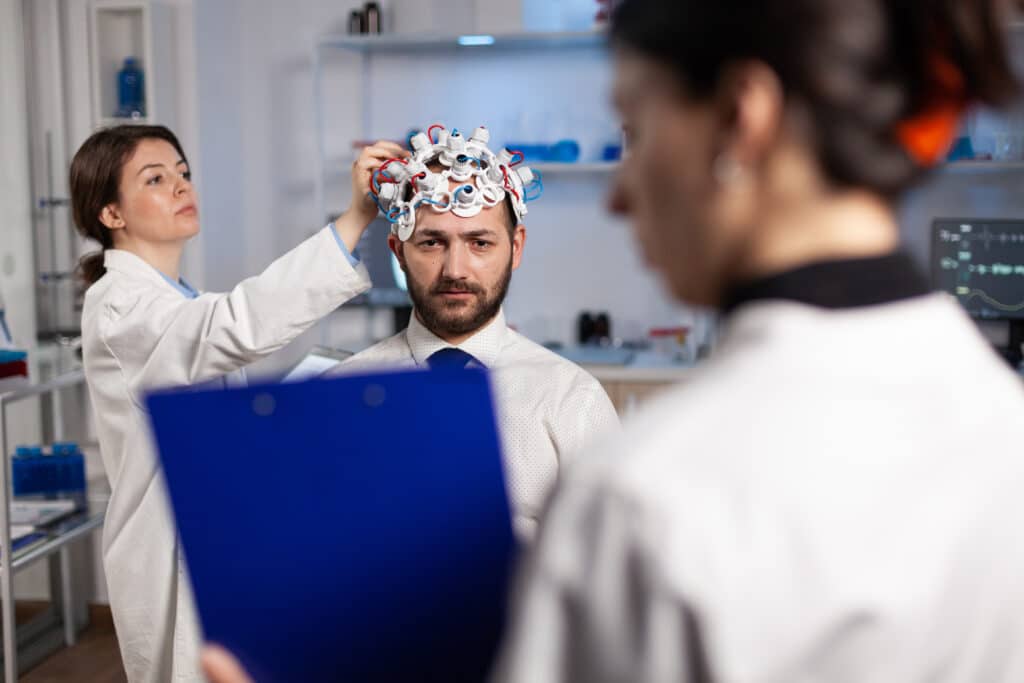
Diagnosing epilepsy begins with a detailed medical history and evidence of two or more unprovoked seizures. Doctors ask witnesses about what they saw, how long the event lasted, and what happened afterwards. This information is crucial because seizures occur briefly and unpredictably.
Investigation Tools
Test | Purpose |
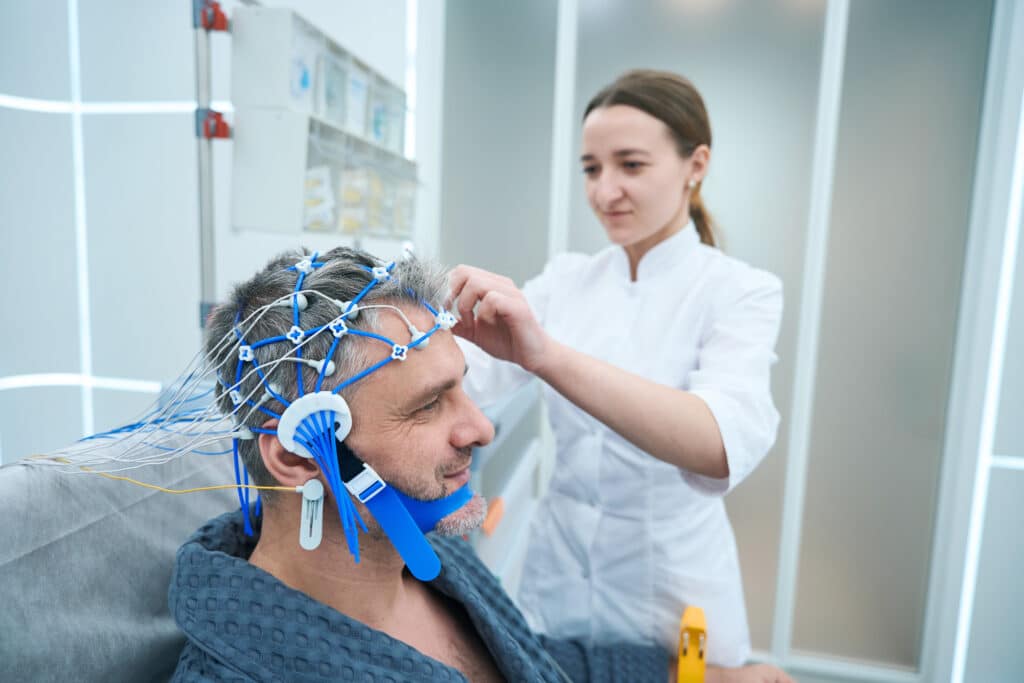
EEG (Electroencephalogram) | Detects abnormal electrical activity. |
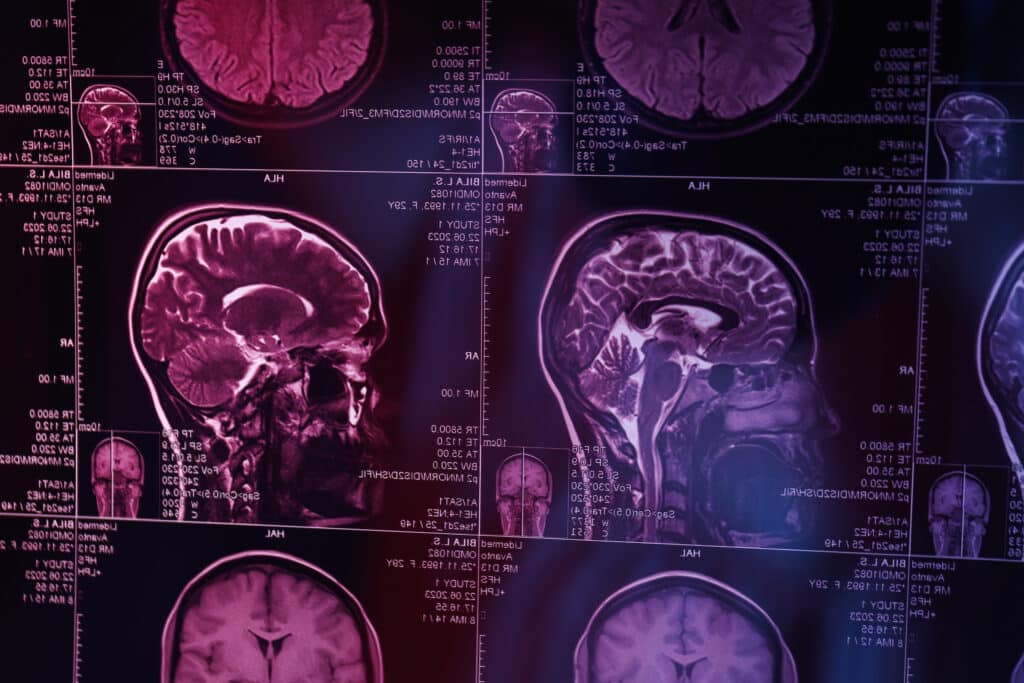
MRI or CT Scan | Identifies structural abnormalities or tumours. |
Blood Tests | Checks for infections or metabolic issues. |
A diagnosis of epilepsy does not always explain why seizures occur, but it guides treatment and future management.
Treatment for Epilepsy
Epilepsy Treatment Options
Most people with epilepsy can manage their condition successfully with medication, lifestyle adjustments, and regular medical follow-up. The goal of epilepsy treatment is to reduce or eliminate seizures and improve quality of life.
Key Treatment Options for Epilepsy
Treating epilepsy often involves more than one approach. These common therapies aim to reduce seizure frequency and improve quality of life.
Anti-Epileptic Medications (AEMs)
These medicines help control electrical activity in the brain. Many people experience seizure freedom with medication alone.
Ketogenic Diet
A high-fat, low-carbohydrate diet used particularly in children with epilepsy who do not respond well to medication.
Vagus Nerve Stimulation
A small device implanted under the skin that sends regular signals to the vagus nerve and helps reduce seizure frequency.
Epilepsy Surgery
For drug-resistant epilepsy, surgery may remove the part of the brain causing seizures. A candidate for epilepsy surgery undergoes extensive testing through an epilepsy centre or specialist neurologist.

Living With Epilepsy
People with epilepsy may need to make small but important adjustments to daily life. For example, maintaining regular sleep, avoiding alcohol excess, and managing stress may reduce seizure triggers. Children with epilepsy may require extra supervision during swimming, height activities, or sports.
Driving and Legal Considerations
In Australia, people diagnosed with epilepsy must follow strict medical guidelines before holding a driver licence. Driving is only permitted after being seizure-free for a specified period, assessed on a case-by-case basis.
Support Services
Epilepsy Action Australia provides education resources, seizure management plans, telehealth support, and guidance for families and workplaces.
Take the next step in protecting yourself and your community. Enrol in a nationally recognised Epilepsy and Seizure Training course with First Aid Pro to learn how to respond confidently to seizures and other emergencies.
Epilepsy and Seizures: Understanding Risks Including SUDEP
While most people with epilepsy live full lives, complications can occur. The most serious is Sudden Unexpected Death in Epilepsy (SUDEP). This is when a person with epilepsy dies suddenly with no clear cause. Though rare, SUDEP risk increases when seizures are poorly controlled, particularly tonic-clonic seizures during sleep.
Risk Factors Associated With Epilepsy
Higher-Risk Factors
- Frequent seizures
- Not taking medication consistently
- Drug-resistant epilepsy
- Sleep deprivation
- Alcohol misuse
- Seizures during sleep

Seizure First Aid: What To Do
Seizure first aid focuses on keeping the person safe, preventing injury, and supporting them as they recover. Most seizures stop on their own within a few minutes.
What To Do
- Stay calm and protect the person from injury.
- Cushion their head and remove nearby hazards.
- Time the seizure from start to finish.
- Loosen tight clothing around the neck.
- When movements stop, place them in the recovery position.
- Reassure them and stay until they are fully recovered.
What NOT To Do
- Do NOT restrain the person.
- Do NOT put anything in their mouth.
- Do NOT try to stop their movements.
- Do NOT give food, drink, or medication during the seizure.
Knowledge Test: What Is Epilepsy and Seizures Quiz
1. What is epilepsy?
2. Which statement best describes a seizure?
3. Which is a type of generalised seizure?
4. What is a key symptom of a focal seizure?
5. When should you call 000 during a seizure?
Understanding What Is Epilepsy and How Knowledge, Seizure Management, and Treatment Improve Lives
Epilepsy is a long-term neurological disorder, but with accurate information, effective seizure first aid, appropriate treatment, and strong support networks, people living with epilepsy can enjoy safety, independence, and high quality of life. Understanding the different types of seizures, knowing what to do in an emergency, and staying informed about modern epilepsy research empowers families, carers, and communities to respond confidently and compassionately.
Build your confidence by enrolling in a nationally recognised Epilepsy and Seizure Training course with First Aid Pro. Learn how to manage seizures, emergencies, and essential first aid skills.
References
- Epilepsy Action Australia.
- Royal Australian College of General Practitioners: Epilepsy in adults
- International League Against Epilepsy (ILAE).
- Australian Government HealthDirect: Seizures and Epilepsy.
- World Health Organization – Epilepsy Fact Sheets.
Frequently Asked Questions
No. A person must experience two or more unprovoked seizures to be diagnosed with epilepsy.
Yes. With proper epilepsy treatment, many people with epilepsy manage their condition, work, study, and participate fully in daily activities.
No. Some types of seizures affect awareness only, such as absence seizures or focal impaired-awareness seizures.
Call 000 if the seizure lasts more than five minutes, repeats without recovery, occurs in water, or it’s a person’s first known seizure.
Not always, but many people achieve long-term seizure freedom with medication or surgery.
Epilepsy is a neurological disorder where a person experiences recurring, unprovoked seizures caused by abnormal electrical activity in the brain. It can affect people of all ages, with symptoms depending on the type of seizure and the area of the brain involved.
Doctors diagnose what is epilepsy by reviewing your medical history, examining descriptions of your seizures, and performing tests such as an EEG to assess brain activity or an MRI to check for structural changes. Diagnosis helps determine the type of epilepsy and the best treatment plan.
Yes. Once a doctor confirms what is epilepsy and identifies the seizure type, treatment may include anti-epileptic medications, dietary therapy, nerve stimulation, or—in some cases—surgery. Most people with epilepsy can achieve good seizure control and live safely with the right treatment and support.