



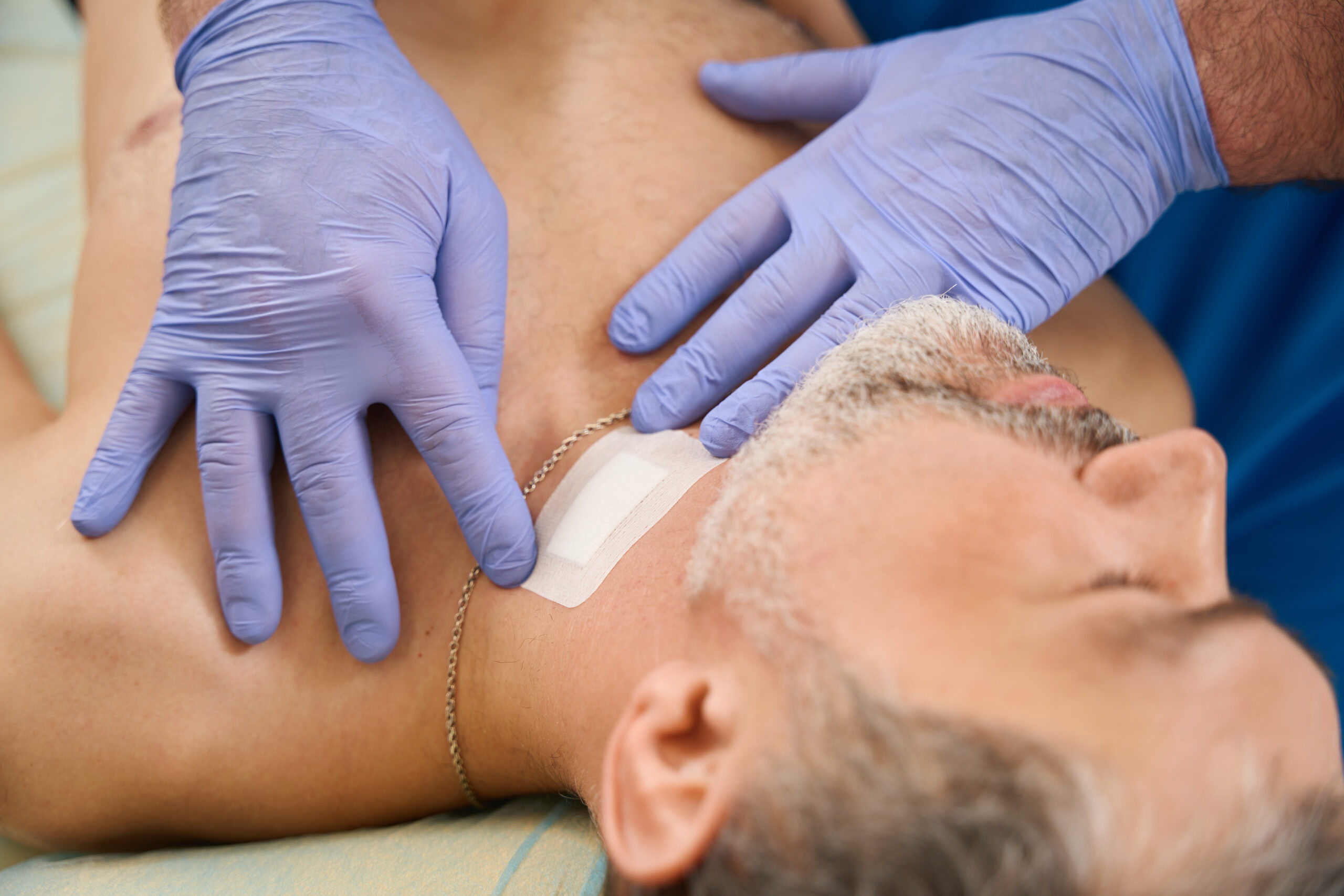
Whether you’re dealing with a minor cut or a more serious injury, knowing wound cleaning and dressing properly is essential for preventing complications and promoting healing.
While it might seem straightforward, there’s more to wound care than simply slapping on a bandage. From evaluating the severity of the injury to choosing the right dressing material, each step plays a significant role in the healing process.
Let’s explore the top ten tips that can make all the difference in your wound care routine.
Key Takeaways
- Clean hands thoroughly with soap and water before handling the wound or dressing materials.
- Rinse the wound with clean water or saline solution to remove debris and harmful bacteria.
- Apply an appropriate antiseptic solution, starting from the centre of the wound and moving outward.
- Choose a dressing that suits the wound type, size, and location, ensuring it extends slightly beyond wound edges.
- Secure the dressing properly with medical tape or bandages, maintaining a snug but not tight fit.
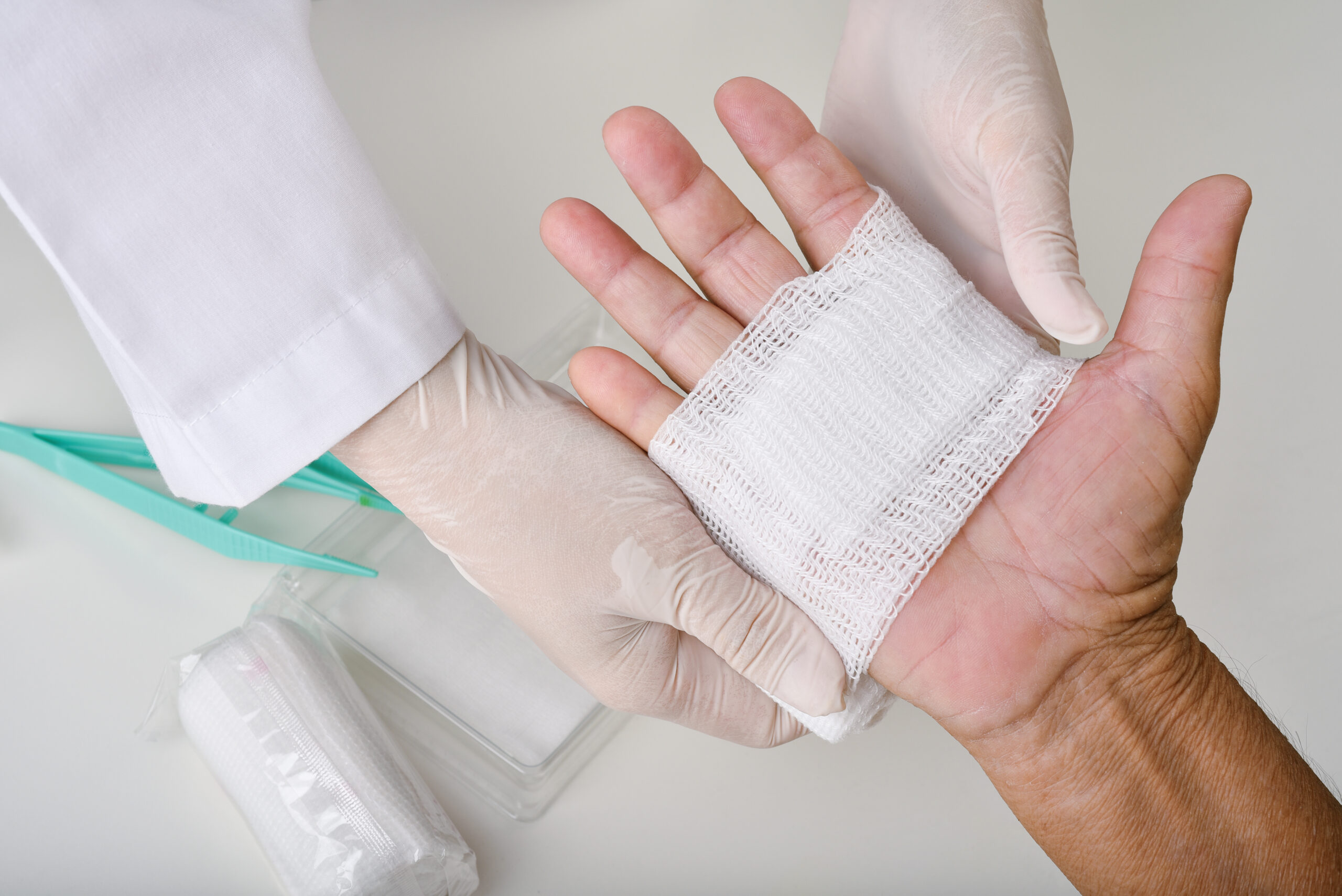
Assess Wound Severity
Before treating any wound, carefully evaluate its severity to determine the appropriate course of action.
Start by examining the wound’s size, depth, and location. Measure its dimensions and note any visible damage to underlying tissues. Observe the wound’s edges and determine if they’re a clean-cut incision or jagged. Check for signs of infection, such as redness, swelling, warmth, or pus.
If you’re unsure about the wound’s severity or if it appears life-threatening, seek immediate medical attention from a healthcare professional.
Gather Necessary Supplies for Wound Cleaning and Dressing
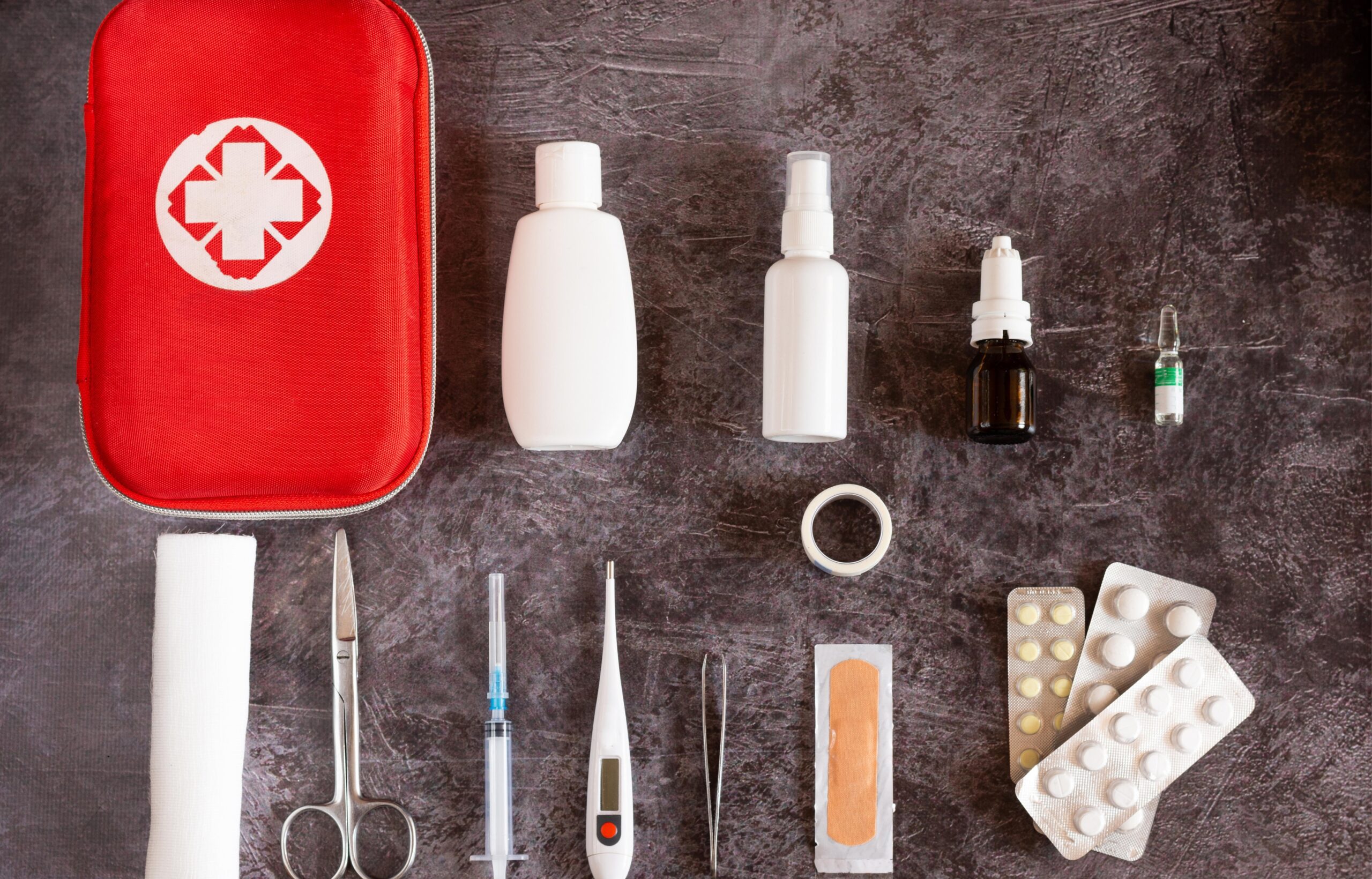
Once you’ve assessed the wound’s severity, you’ll need to gather the appropriate supplies for cleaning and dressing it properly. For effective wound care, ensure you have the following first aid essentials:
- Clean water or saline solution for rinsing
- Antiseptic solution (e.g., hydrogen peroxide or iodine)
- Sterile gauze pads and adhesive tape
You’ll also need clean disposable gloves to prevent contamination during the wound cleaning process. For minor cuts and scrapes, adhesive bandages may suffice. However, for larger wounds, you’ll require non-stick dressings and medical tape. Don’t forget to include scissors for cutting gauze or tape to size. If the wound is deep or has debris embedded, sterile tweezers will be necessary for safe removal. Additionally, gather antibiotic ointment to prevent infection and promote healing.
For more severe injuries, you may need haemostatic agents or pressure dressings to control bleeding.
Clean Hands Thoroughly
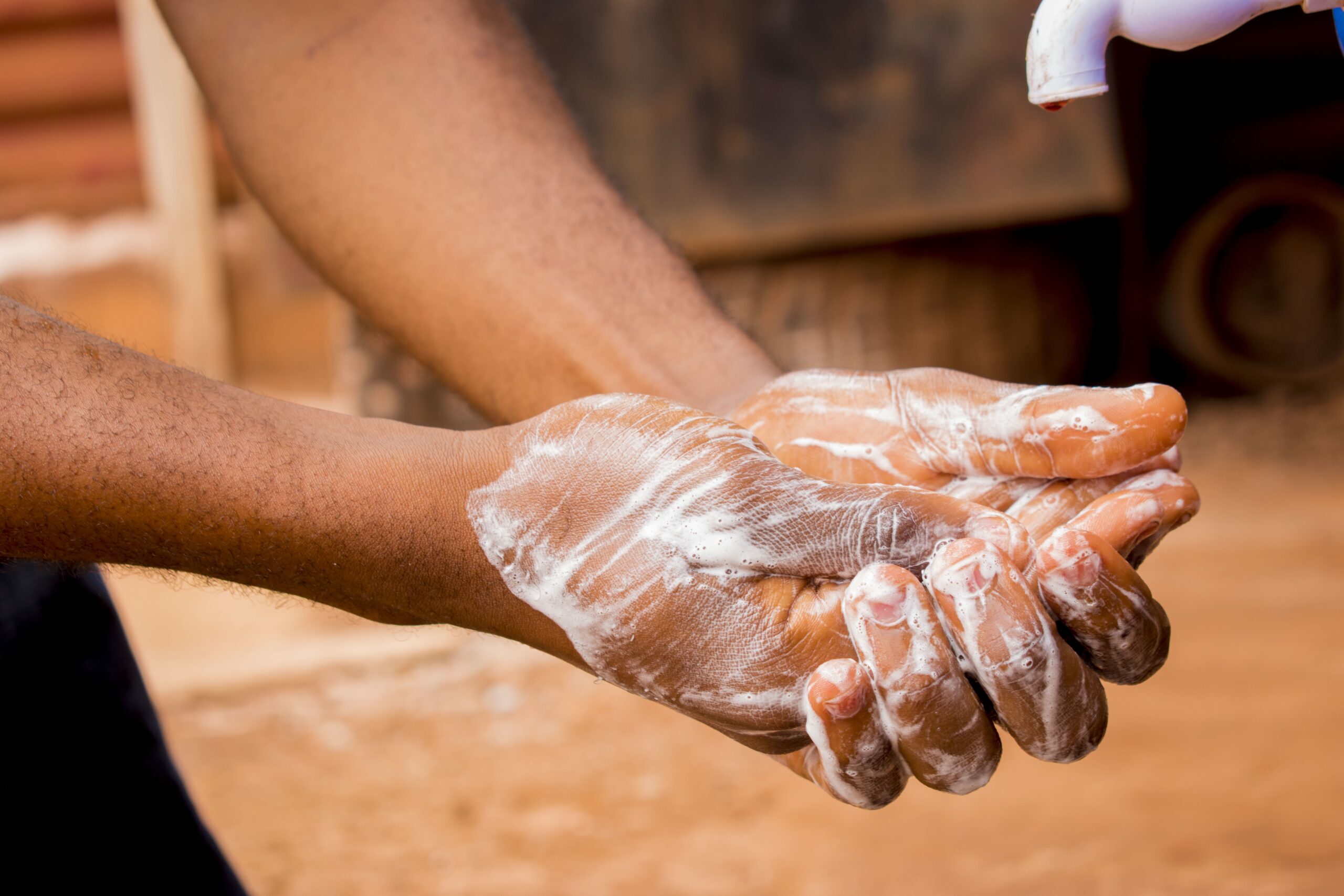
Prior to handling any wound, you’ll need to thoroughly clean your hands to prevent introducing harmful bacteria. Proper hand hygiene is essential for infection prevention and guarantees you’re not inadvertently contaminating the wound site.
Start by removing any jewellery or watches from your hands and wrists. Turn on the tap and wet your hands with clean, running water.
Apply an antimicrobial soap, making sure you cover all surfaces of your hands, including between fingers and under nails. Scrub vigorously for at least 20 seconds, paying extra attention to fingertips and thumbs.
Rinse your hands thoroughly under running water, keeping your hands angled downward to allow water to flow from wrists to fingertips. Use a clean, disposable towel to dry your hands completely.
If possible, use the towel to turn off the tap to avoid recontamination.
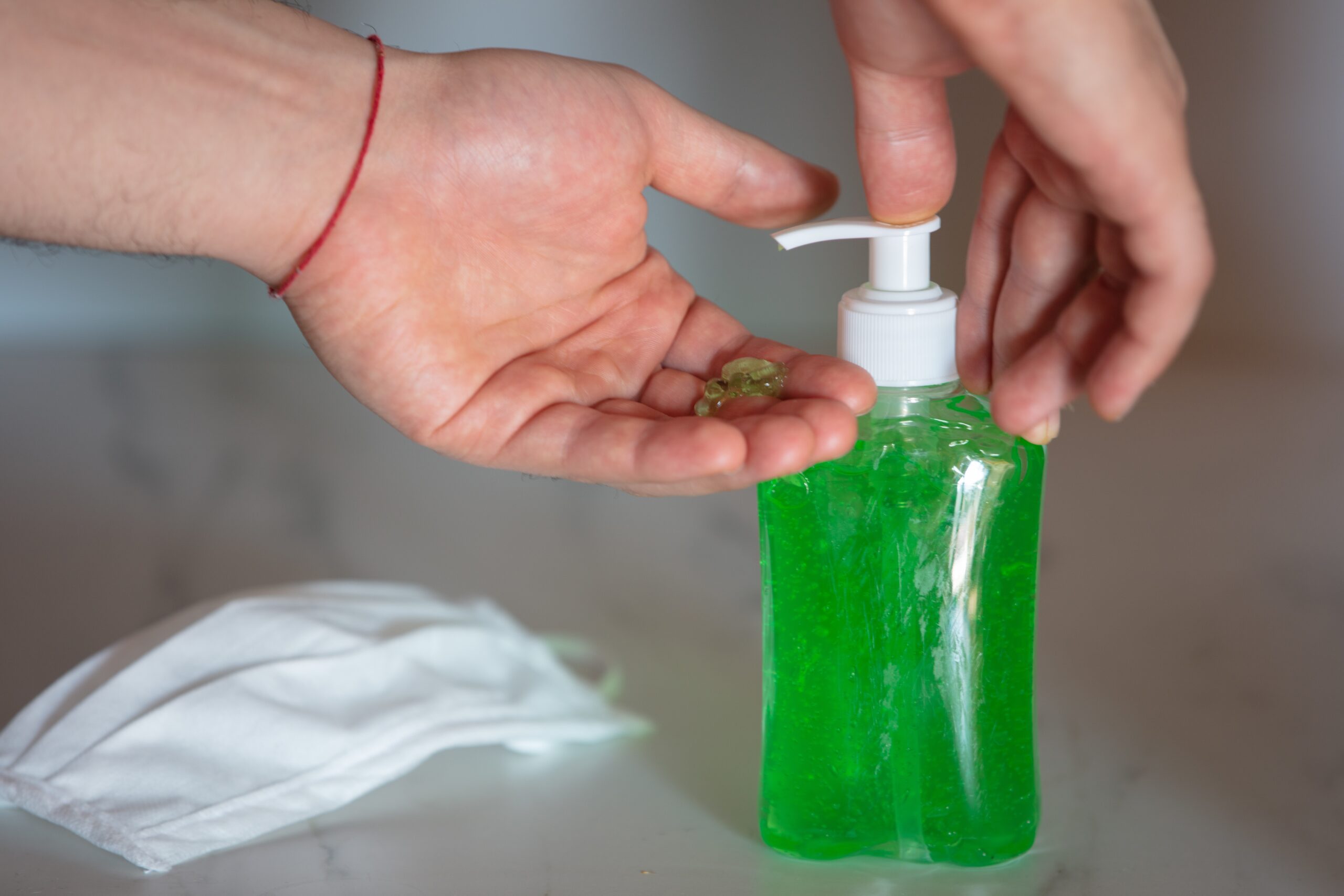
If soap and water aren’t available, use an alcohol-based hand sanitiser containing at least 60% alcohol. Apply enough to cover all hand surfaces and rub until dry.
Rinse Wound With Clean Water
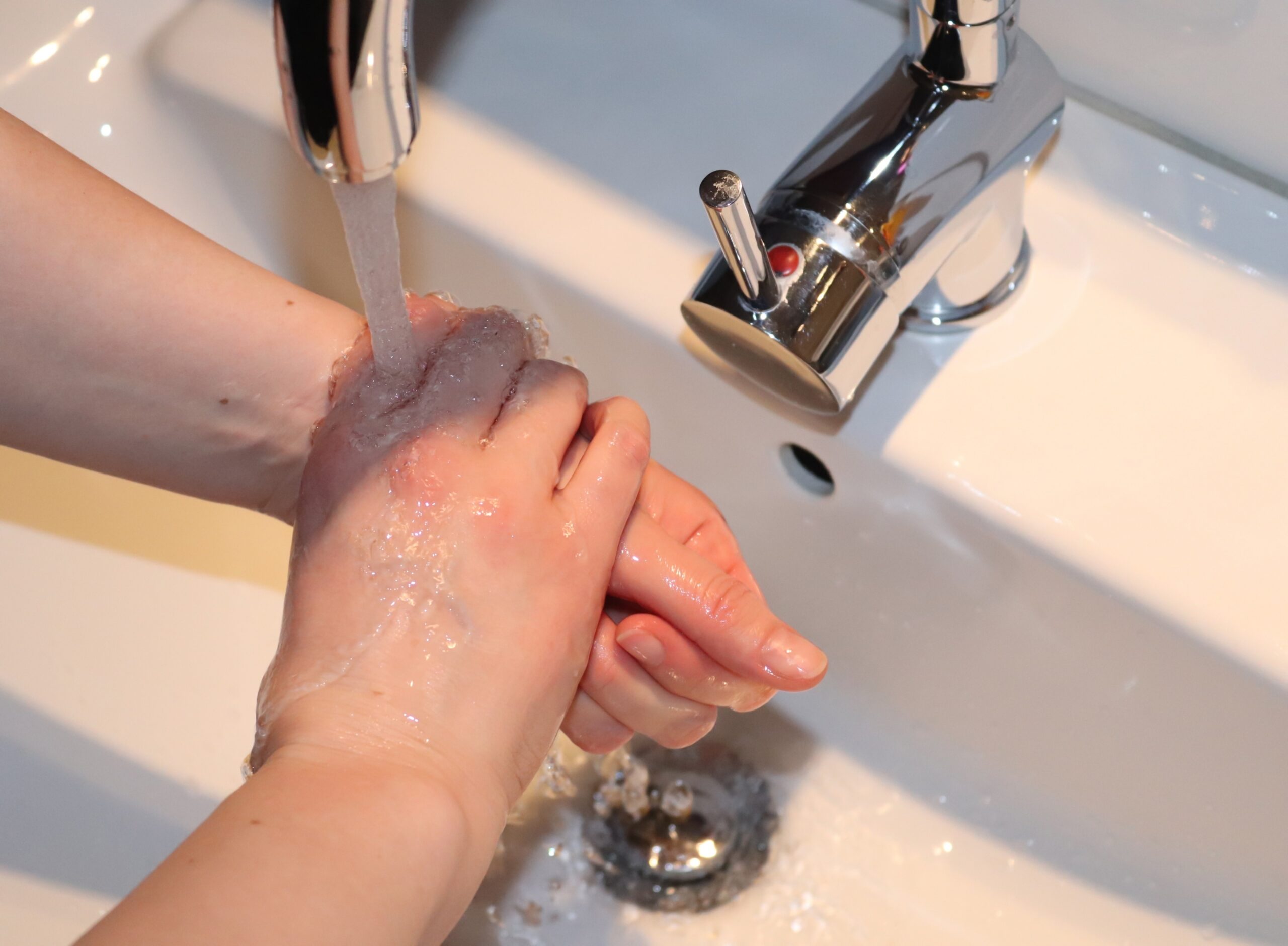
The initial step in wound cleaning involves rinsing the affected area thoroughly with clean, lukewarm water to remove debris and contaminants. This process, known as wound irrigation, is essential for preventing infection and promoting proper healing.
When performing this step, you should verify the water temperature is comfortable, neither too hot nor too cold, to avoid further tissue damage. Use a gentle stream of water to rinse the wound, allowing it to flow over the affected area for several minutes. This helps to:
- Dislodge visible dirt and foreign particles
- Dilute and wash away harmful bacteria
- Provide a clear view of the wound for assessment
If tap water isn’t available, you can use sterile saline solution or bottled water.
Remove Debris and Foreign Objects
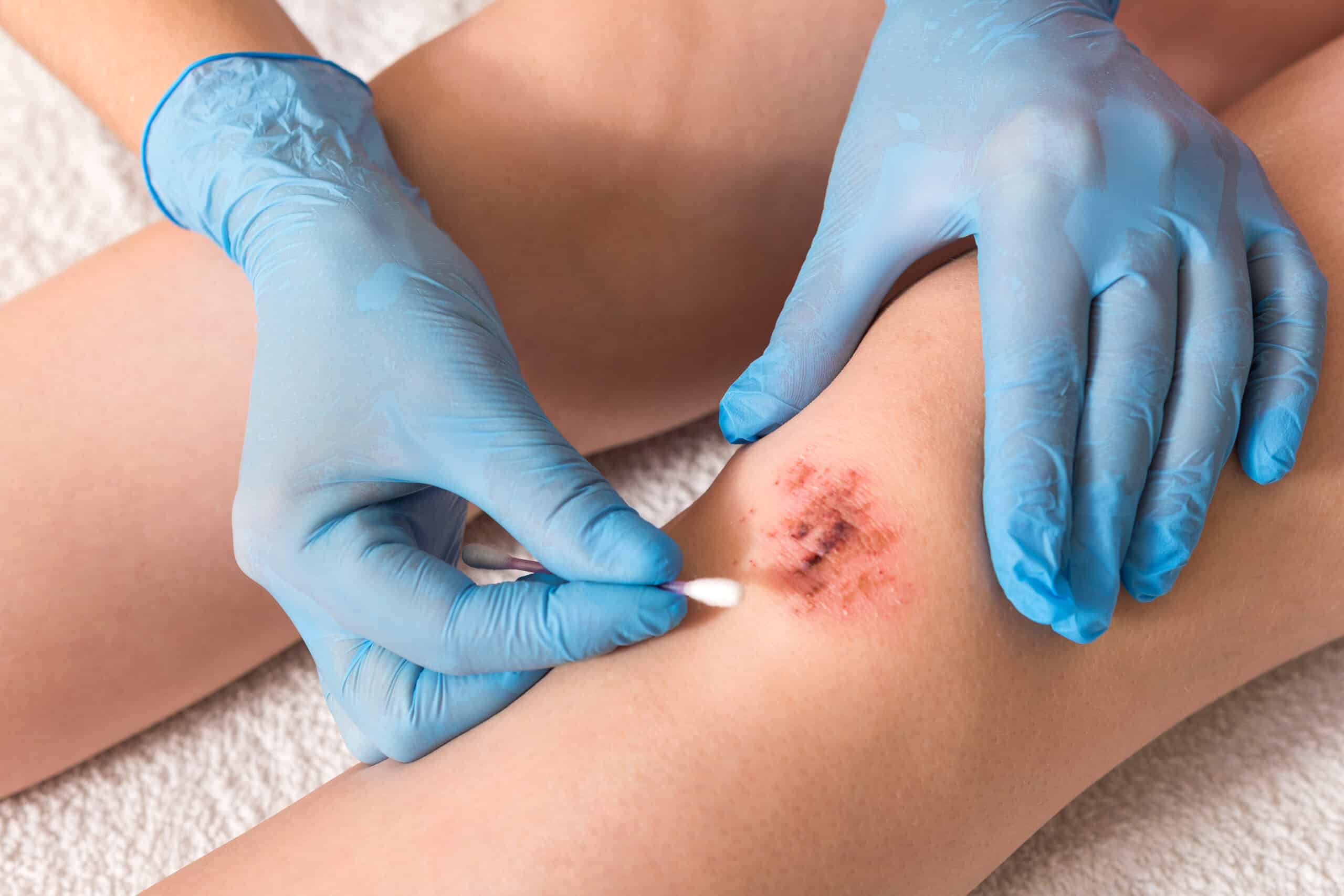
After rinsing, you’ll need to carefully remove any remaining debris or foreign objects from the wound to prevent infection and promote healing. Use proper wound irrigation techniques to dislodge loose particles. Sterile saline solution or clean water can be applied with gentle pressure using a syringe or squeeze bottle. This helps flush out small debris that may not be visible to the naked eye.
For larger or stubborn foreign objects, you’ll need specific debris removal tools. Sterile tweezers are ideal for grasping and extracting visible particles. If tweezers aren’t available, use clean cotton swabs or gauze to gently wipe away debris. Be cautious not to push objects deeper into the wound. For embedded objects, seek professional medical help.
Inspect the wound thoroughly under good lighting. If you suspect debris remains but can’t see it, consult a healthcare provider. They may use specialised tools or techniques for safe removal.
Apply Antiseptic Solution
Once you’ve thoroughly cleaned the wound, applying an antiseptic solution is essential to prevent infection and promote healing. Choose from various antiseptic types, such as hydrogen peroxide, povidone-iodine, or chlorhexidine. Each has its specific benefits and applications, so consult your healthcare provider for the most suitable option.
When applying the antiseptic solution, follow these key steps:
- Pour the solution onto a clean gauze pad or cotton swab
- Gently dab the wound, starting from the centre and moving outward
- Allow the solution to air dry completely before dressing
It’s important to use proper application techniques to maximise the antiseptic’s effectiveness. Don’t pour the solution directly onto the wound, as this can cause unnecessary pain and potential tissue damage. Instead, apply it gently and evenly across the affected area. Be mindful of the surrounding healthy skin, as some antiseptics can cause irritation.
For larger wounds, you may need to repeat the application process. Always follow the product’s instructions regarding frequency and duration of use. If you notice any signs of adverse reactions, such as increased redness, swelling, or pain, discontinue use and seek medical advice immediately.
Choose Appropriate Dressing Material
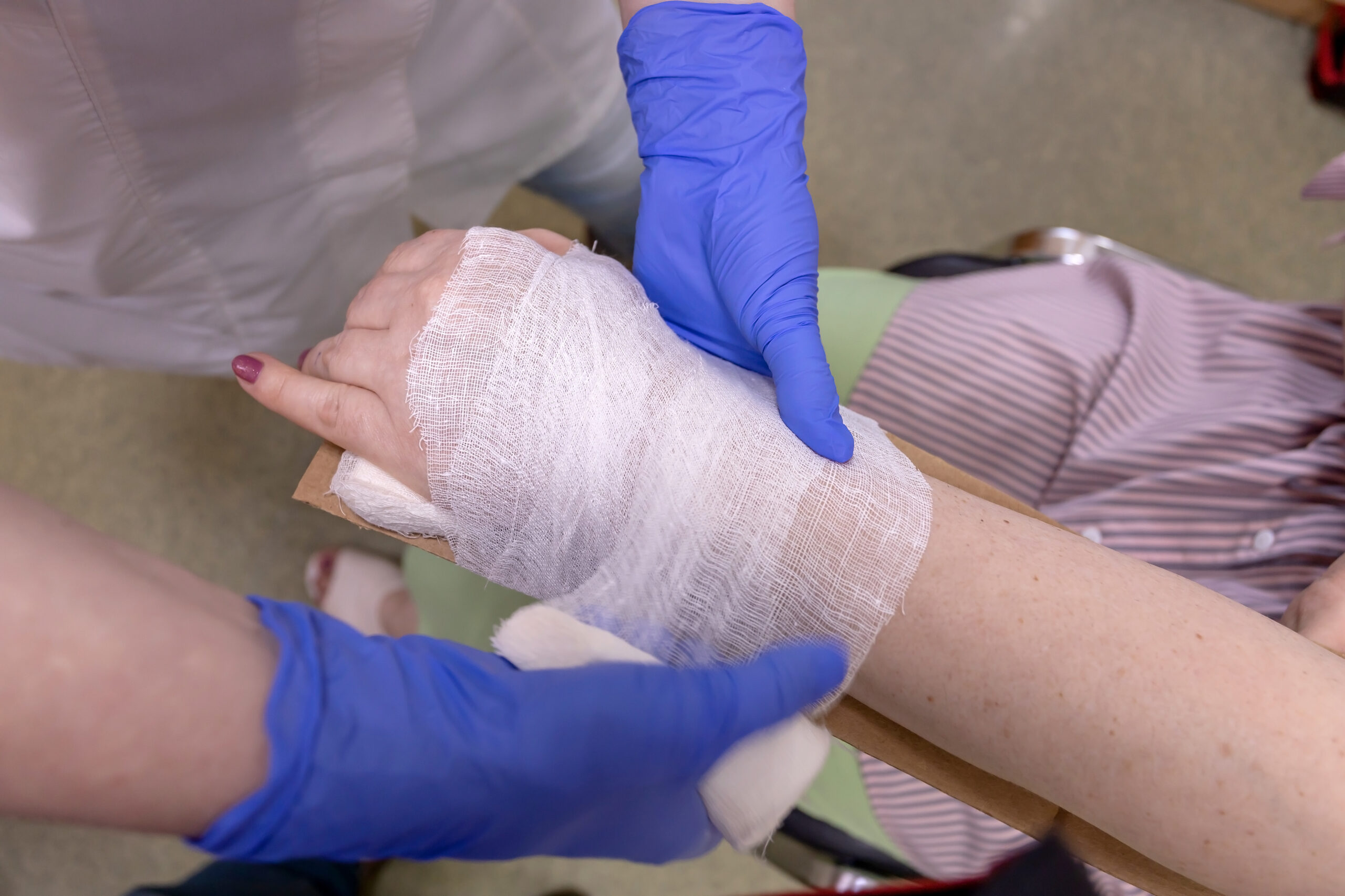
Selecting the right dressing material is essential for ideal wound healing and protection. Your choice of dressing depends on several factors, including the wound type, size, depth, and location.
Consider the wound’s moisture level, as some dressings are designed to absorb excess fluid while others maintain moisture.
When it comes to dressing types, you’ll encounter various options. Gauze is versatile and suitable for many wounds, while hydrocolloid dressings create a moist environment suitable for dry wounds. For heavily exuding wounds, alginate dressings are highly absorbent. Foam dressings provide cushioning and are excellent for moderate to heavy drainage.
In material selection, prioritise breathability and non-adherence to prevent further damage during dressing changes. Silicone-based dressings are gentle on the skin and minimise pain during removal. For infected wounds, consider antimicrobial dressings containing silver or iodine.
Secure Dressing Properly
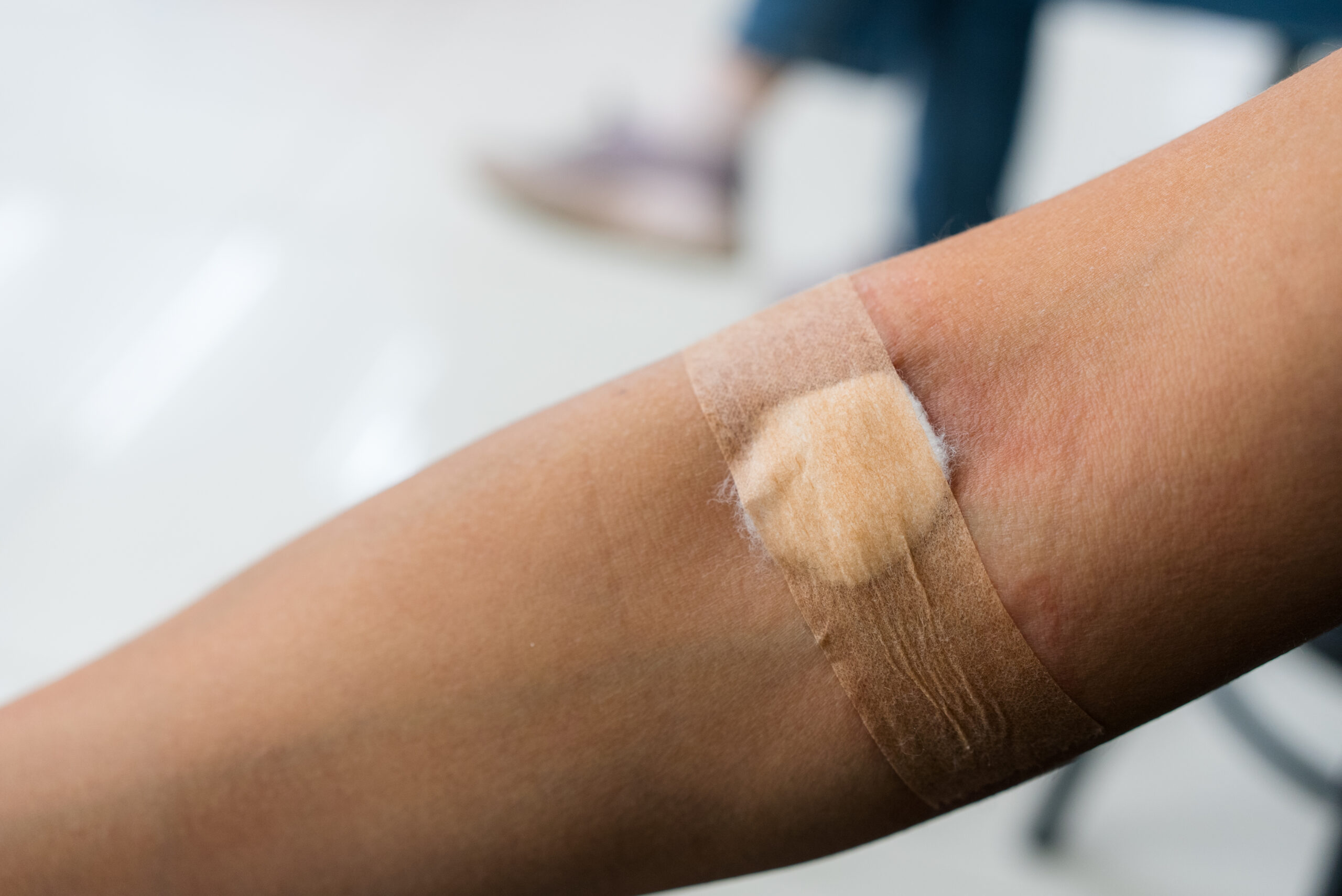
Properly securing the dressing is essential for maintaining wound coverage and promoting ideal healing. When applying dressing techniques, verify that the bandage is snug but not too tight, as this could impair circulation. Use appropriate secure methods based on the wound location and type of dressing material.
Consider these key points when securing your dressing:
- Use medical tape, adhesive strips, or bandage wraps as recommended by your healthcare provider.
- Apply even pressure when wrapping to avoid creating wrinkles or gaps.
- Secure the edges of the dressing to prevent contamination from the environment.
For larger wounds or those in challenging areas, you may need to use a combination of securing methods. Start by applying tape to the edges of the dressing, then use a bandage wrap for additional support. Always follow your healthcare provider’s instructions for your specific wound care needs.
Monitor for Signs of Infection
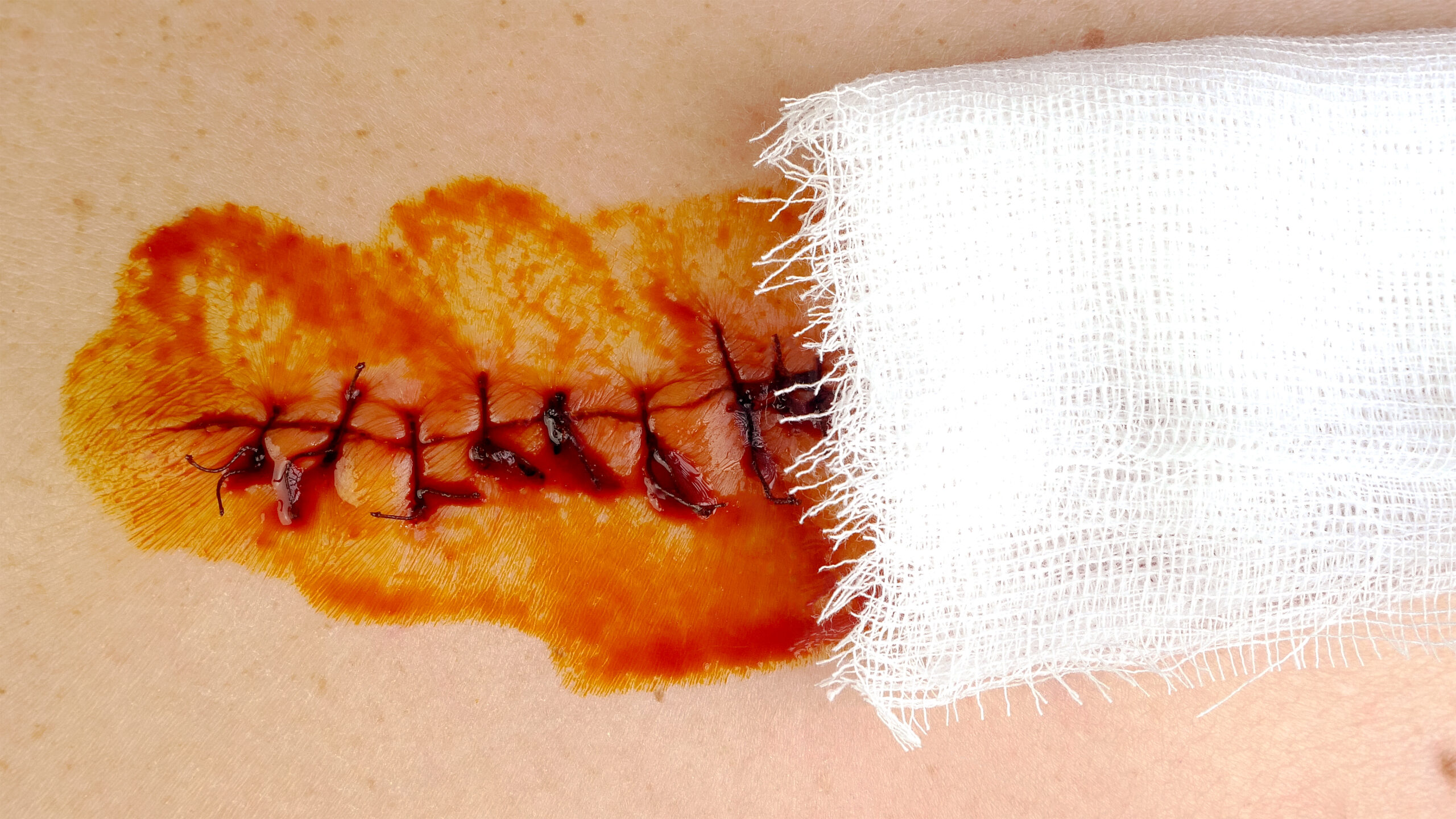
After applying a dressing, you must vigilantly monitor your wound for signs of infection.
Watch for increased redness, swelling, pain, or warmth around the wound site, as these can indicate a developing infection.
Additionally, be alert for any unusual discharge or odour coming from the wound, which may require immediate medical attention.
Redness and Swelling
Redness and swelling are common causes of inflammation, typically resulting from your body’s immune response. However, if these symptoms persist or worsen, they may signal an infection.
Increased Pain or Warmth
If you notice a sudden spike in discomfort or a persistent throbbing sensation, it’s vital to evaluate the area carefully. Heightened sensitivity or pain that doesn’t subside with prescribed pain management techniques should raise concern.
Similarly, an unusual warmth sensation around the wound site can indicate potential infection. Use the back of your hand to gently feel the area surrounding the wound. If it feels noticeably warmer than the surrounding skin, it’s time to consult your healthcare provider. This warmth often accompanies other symptoms like increased redness or swelling.
Unusual Discharge or Odor
Unusual discharge or odour from your wound can be a vital indicator of infection and requires immediate attention. Be vigilant in monitoring your wound for any changes in appearance, consistency, or smell of discharge. Normal wound drainage is typically clear or slightly yellow, but certain types of discharge may signal an infection.
Change Dressing Regularly
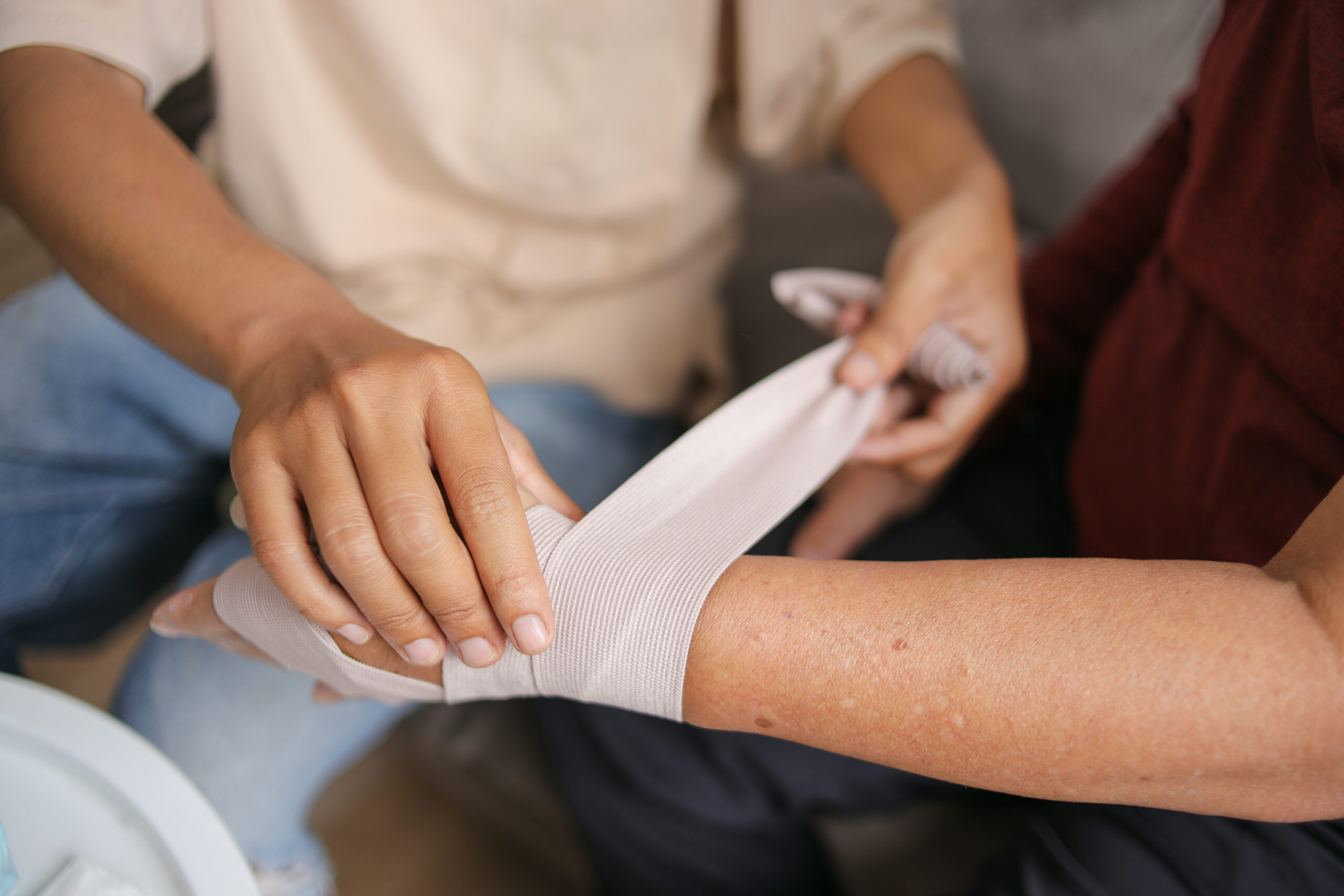
To maintain proper wound healing, you’ll need to change your dressing at regular intervals as recommended by your healthcare provider. Different dressing types require varying frequencies of change. For instance, hydrocolloid dressings can stay in place for up to seven days, while gauze dressings typically need daily changes.
Follow your doctor’s frequency guidelines closely. Generally, you’ll change dressings more often for wounds that are healing, draining, or at risk of infection. Clean, dry wounds may require less frequent changes. Always wash your hands thoroughly before and after changing dressings to prevent introducing bacteria.
Frequently Asked Questions
Can I use hydrogen peroxide or alcohol to clean my wound?
While hydrogen peroxide is listed as a possible antiseptic in the article, many healthcare professionals now recommend against routine use of hydrogen peroxide or alcohol on wounds as they can damage healthy tissue and potentially delay healing. Instead, clean water or saline solution is typically sufficient for wound cleaning, followed by a gentler antiseptic if recommended by your healthcare provider.
What signs indicate my wound is healing properly?
A normally healing wound will gradually decrease in size and develop healthy granulation tissue (pink or red tissue with a slightly bumpy, moist appearance). The wound edges should contract and draw closer together over time. Some clear or slightly yellow drainage is normal in the early stages. Pain and swelling should gradually diminish. The skin around the wound should return to its normal color as healing progresses.
How long should I wait before swimming or bathing after getting a wound?
Generally, you should avoid submerging a wound in water for 24-48 hours after injury. Once the wound has formed a protective scab or has been properly sealed with a waterproof dressing, brief exposure to water during showering is typically acceptable. However, swimming pools, hot tubs, natural bodies of water, and baths should be avoided until the wound is well on its way to healing (usually 1-2 weeks) to prevent infection and minimize the risk of the wound reopening.