



- The Most Common Natural Disasters In Australia - 26/04/2023
- Soft Tissue Injuries – What Are They & How Can You Best Recover? - 26/04/2023
- 8 Dangerous Myths About First Aid - 24/04/2023
Sports injuries are a leading cause of hospitalization among Australians aged 15-24. It’s important for athletes in Australia to prioritize injury prevention and seek proper medical attention to prevent further damage and ensure a safe return to their sport.
What Is Sports First Aid?
As Australia’s most highly anticipated sporting season approaches, all players, coaches, trainers, and clubs must do their part to ensure their team is in tip-top physical shape and not pushing themselves too hard, risking a sports injury.
Millions of individuals engage in various team sports, leading to a significant occurrence of common sports related injuries. Given the high-impact nature of these sports, which require individuals to exert considerable strength and speed, it is not surprising that the injury rate is quite high.
Pre-season training is the perfect time to prepare the body for heavy hits, strong falls, sudden twists, and turns. Proper preparation during this time allows the body to adapt, strengthen, and protect itself from the challenges of the upcoming season, preventing unnecessary damage.
Of course, some injuries are unavoidable, like those resulting from tough tackles, falls, and jarring events that are all part and parcel of the game. But fear not! Even if you can’t prevent these common injuries, you can be prepared to respond with first aid when they do occur, which could benefit many people’s lives.
The speed at which quality first aid is administered can make all the difference in the damage caused by these injuries. By making sure your club is first-aid-ready, you’re giving your team the best possible chance of having a winning season and bringing home the title! So let’s get out there, stay safe, and play to win!
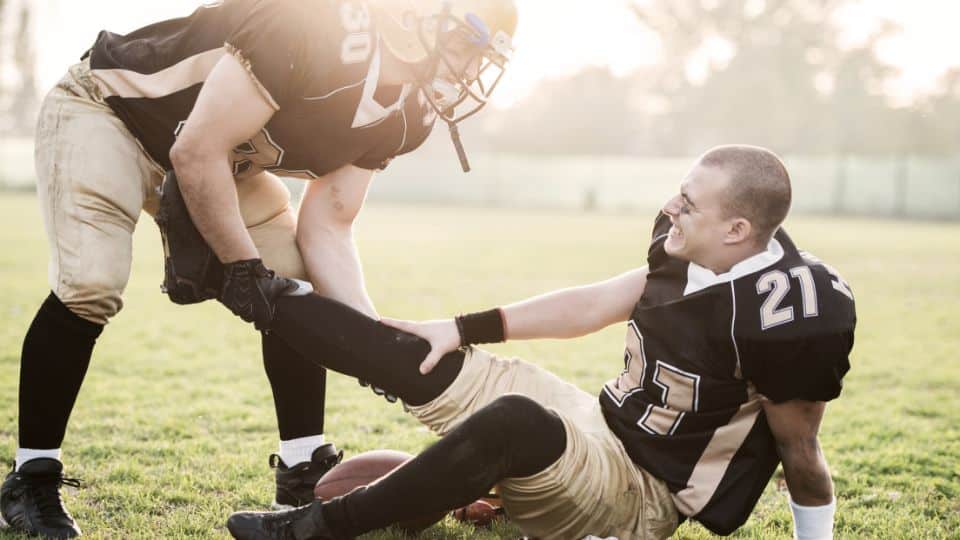
Different Types Of Sports Injuries
Injuries that happen suddenly are referred to as acute injuries. In contrast, injuries that develop over time and are often caused by overuse are known as chronic injuries.
What Are The Top 10 Sports Injuries?
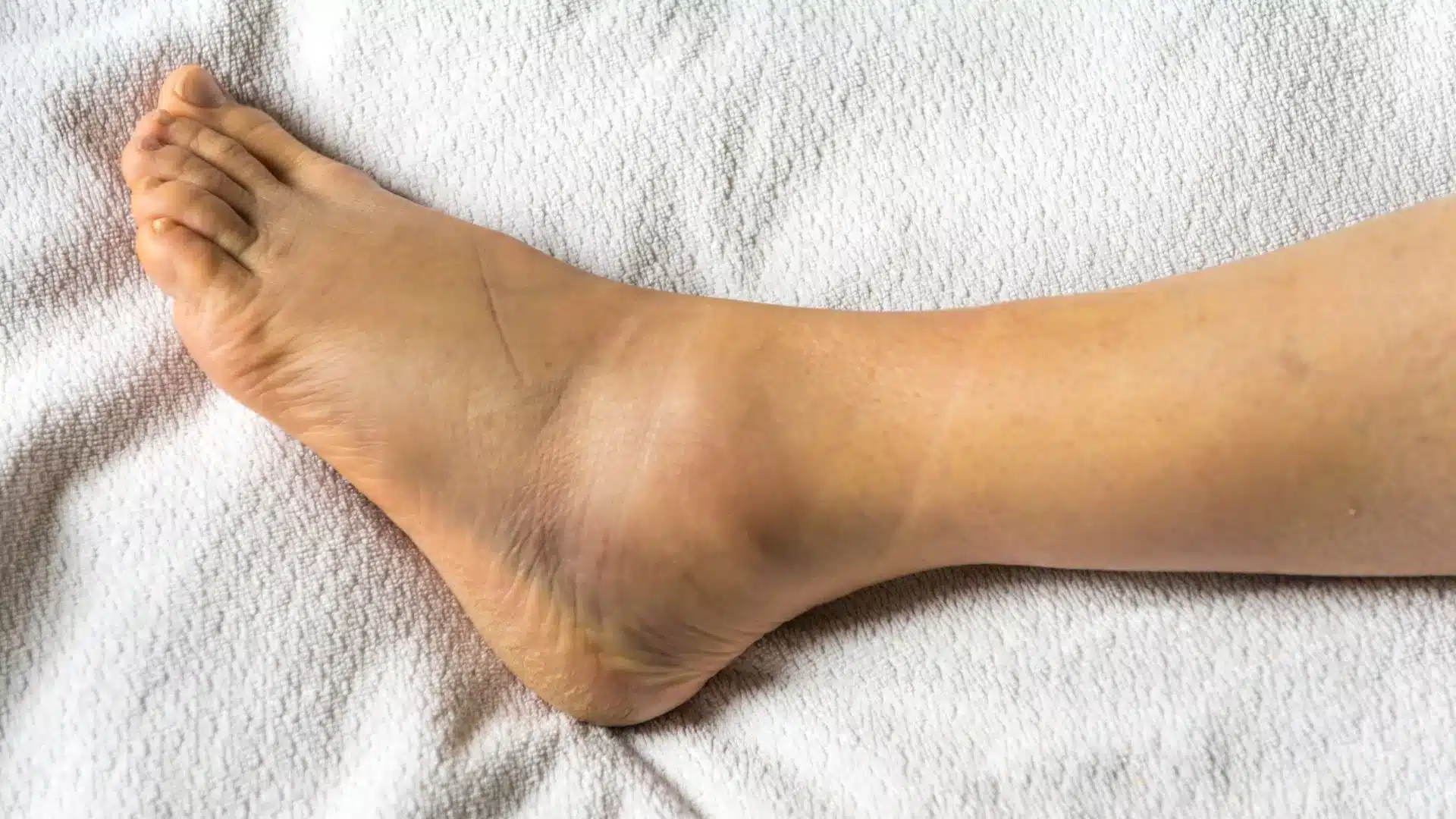
- Ankle sprain causes pain, swelling, and stiffness in the affected area.
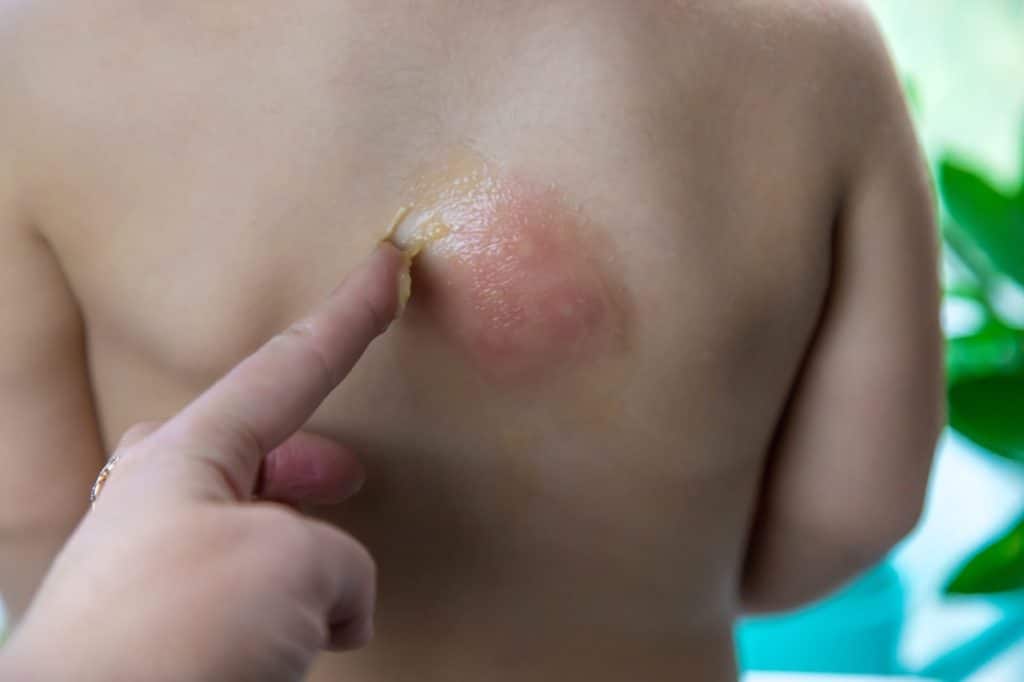
- Bruises occur when a blow results in small bleeds on the skin.
- Concussion: This reversible brain injury arises from a head blow and may cause consciousness loss. Its symptoms include headache, dizziness, and short-term memory loss.
- Cuts and abrasions: Usually resulting from falls, these injuries are commonly seen on the knees and hands.
- Dehydration: Losing too much fluid can cause heat exhaustion and heat stroke. Learn more about what are the first signs of heat exhaustion.
- Dental damage: A blow to the jaw can cause teeth to crack, break, or come loose.
- Groin strain causes pain and swelling in the affected area.
- A hamstring strain causes pain, swelling, and bruising in the affected area.
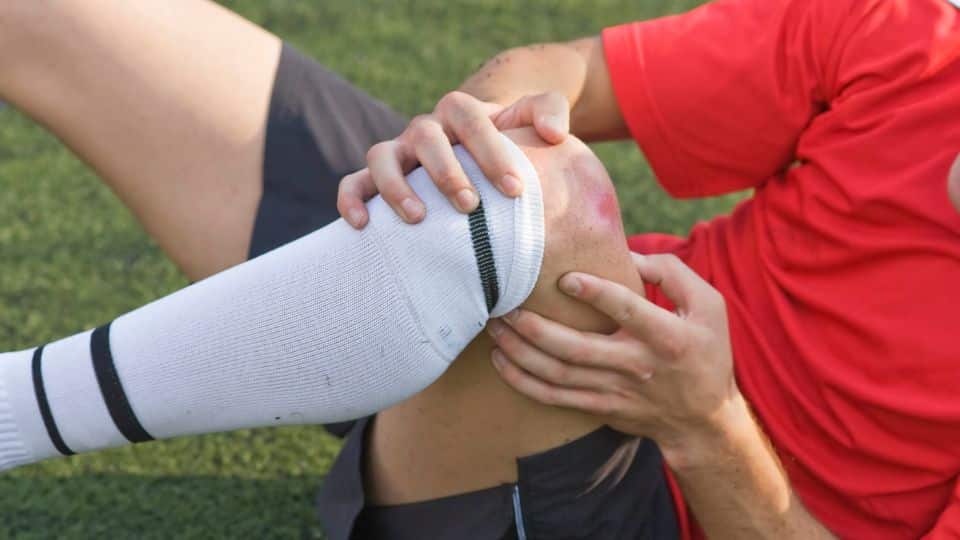
- Knee joint injuries: Symptoms include pain, swelling, and stiffness. The ligaments, tendons, or cartilage can be affected.
- Nose injuries can include a bloody nose or broken nose caused by a direct blow.
What Is The Basic First Aid For Sports Injuries?
First Aid For Sprains, Strains And Joint Injuries
RICER first aid is the steps used to manage acute soft tissue injuries. Following the RICER first aid steps can help reduce swelling and promote faster soft tissue injury healing. When someone experiences an acute soft tissue injury, such as an ankle sprain or knee sprain, it’s important to administer immediate first aid to alleviate discomfort and encourage healing.
First Aid For Nose Bleeds
If you experience a nosebleed, there are some simple steps you can take to manage it. Firstly, stop any activity and sit down, leaning your head forward slightly. Pinch both nostrils together and breathe through your mouth.
Maintain the pressure for at least 10 minutes and avoid blowing your nose or picking at any clots that may form. If the bleeding persists for more than 30 minutes, seek medical advice immediately. Remember to stay calm and avoid sudden movements that could worsen the bleeding.
First Aid For Dislodged Teeth
If you or someone around you has a dislodged tooth, don’t panic! With quick action and prompt dental treatment, it may be possible to save the tooth. The first step is gently to rinse the tooth with water or milk to remove dirt or debris.
Avoid scrubbing or touching the root of the tooth. Seek immediate dental attention. The sooner the tooth can be repositioned and stabilised, the better chances of saving it. Time is critical, so try to get to the dentist as soon as possible.
Emergency Situations
In an emergency, it’s important to act quickly and get the appropriate medical attention. If you or someone around you experiences a prolonged loss of consciousness, neck or spine injuries, broken bones, injuries to the head or face, eye injuries, or abdominal injuries, call an ambulance immediately.
These types of injuries can be serious and require urgent medical attention. Remember to stay calm, provide any necessary first aid, and follow the instructions of the emergency services operator while waiting for the ambulance to arrive.
Read here how to appropriately administer first aid for sports-related concussions
Why Is Sports First Aid Important?
Sports first aid is crucial for several reasons. Firstly, participating in sports or any physical activity involves risk. Even with proper training, injuries can still occur, and prompt first aid can be the difference between a minor injury and a more serious one.
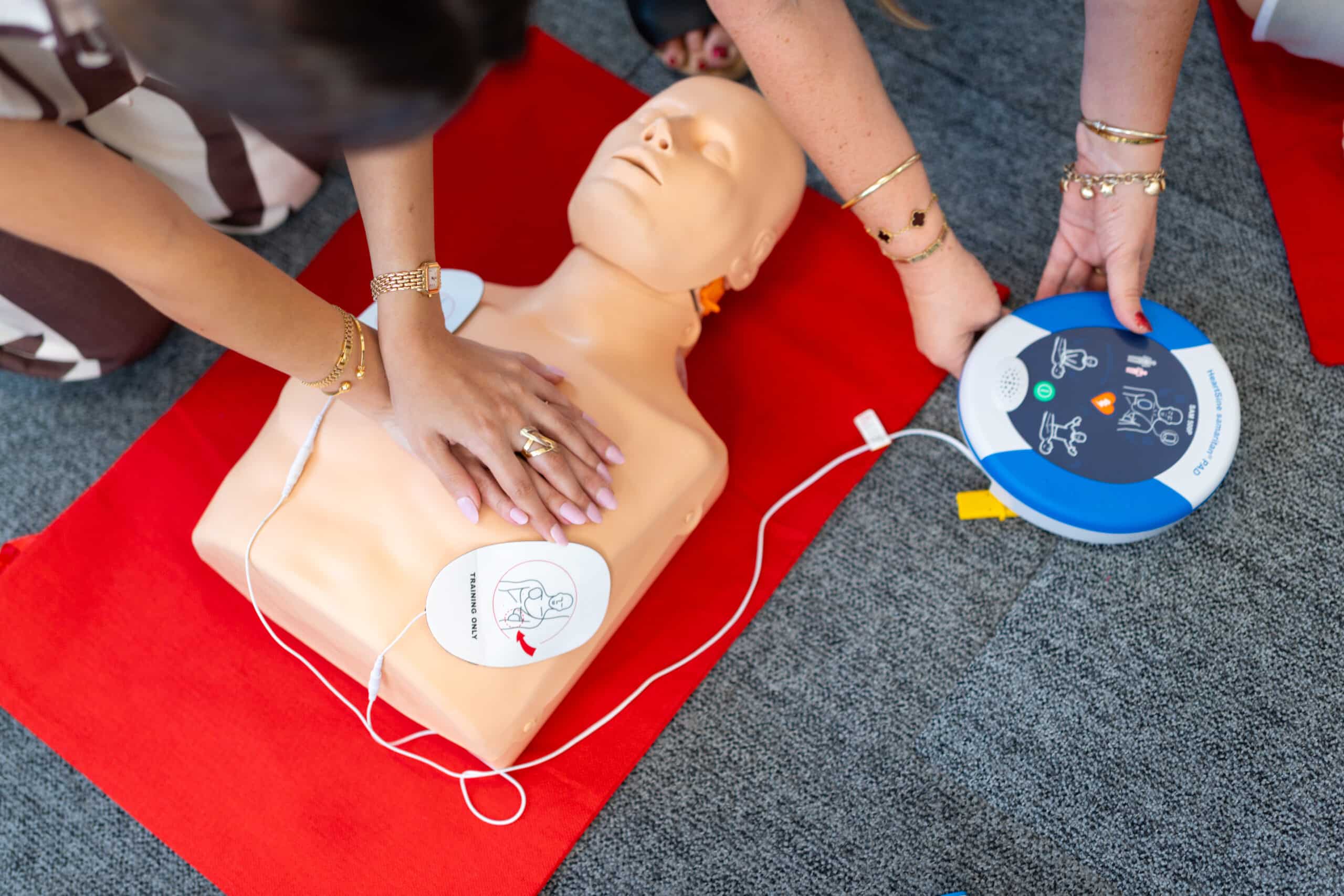
Providing immediate first aid can also help alleviate pain and discomfort, prevent further damage, and facilitate healing. In some cases, it can even be life-saving, especially regarding injuries such as head trauma or cardiac events.
Another important aspect of sports first aid is the role it plays in preventing long-term complications. For example, administering appropriate first aid for a sprain or fracture can help to prevent chronic pain, joint stiffness, and other issues that could negatively impact an athlete’s performance or quality of life.
First Aid Sports
Sports first aid can also promote a culture of safety and responsible sportsmanship. By prioritising the well-being of athletes and ensuring that appropriate first aid is available or completing first aid training, we can create a safer and more enjoyable environment for everyone involved.
Treatment For Sports Injuries
Remember to appreciate the power of seeking medical attention for your injuries. What may seem like a minor sprain could be a bone fracture, so it’s always important to see a doctor if you’re still experiencing pain after a few days.
Physiotherapy can be incredibly effective for recovering if you suffer an injury. Depending on the type of injury, your physiotherapist may design exercises to promote strength and flexibility, ultimately helping you to get back to your favourite sports and activities.
However, listening to your doctor’s or physiotherapist’s recommendations and spending time playing is important. Pushing yourself too hard too quickly can result in further damage and delay healing.
Remember, caring for yourself during healing is the best way to prevent future injuries. Try to find other forms of exercise that won’t aggravate your injury while you recover.
Prevention Of Sports Injuries
Injuries can happen to anyone, whether you’re a seasoned athlete or just enjoying a casual basketball game. The reasons behind these injuries can be numerous, from overuse to blunt-force trauma.
Bruises, sprains, strains, joint injuries, and nose bleeds are all common injuries that athletes may face. But no matter the type of injury, seeking medical attention as soon as possible is crucial.
Leaving an injury untreated or having poor technique can lead to more severe and long-term consequences, which could ultimately derail your athletic pursuits altogether.
Remember, taking care of your body is essential to performing at your best, both on and off the field. So don’t hesitate to see a doctor if you have sustained an injury. It’s always better to be safe than sorry!
What Supplies Do You Need For A Sports First Aid Kit?
Several essential items should be included in a sports first aid kit.
First aid kit contents list:
- Adhesive bandages of various sizes
- Sterile gauze pads and rolls
- Adhesive tape
- Antiseptic wipes
- Disposable gloves
- Instant cold packs
- Scissors and tweezers
- Disposable face masks
- Emergency blanket
- Pain relievers such as acetaminophen or ibuprofen
- Eyewash solution
- Thermometer
In addition to these basic items, consider adding specialised supplies to your first aid kits depending on the sports and activities you’ll participate in. if you’re involved in contact sports, add items such as a mouthguard or an instant skin-closure kit to ensure your first aid kits are ready for any situation!
It’s also important to regularly check and restock your first aid kit, ensuring that all items are up to date and in good condition.
A well-stocked and properly maintained first aid kit can help you be prepared for any injuries or emergencies that may arise while participating in sports or physical activities.
Having first aid kits equipped with the correct first aid equipment at a sporting event can save lives or reduce the severity of injuries in case of accidents or medical emergencies. It’s important to ensure that the first aid kits are regularly inspected, well-stocked, and easily accessible to trained first aid responders or medical professionals on site.
Having the necessary first aid kits and supplies readily available, prompt and effective, can be administered to those who need it, making a significant difference in the outcome of an emergency.
Things To Remember
- Use the RICER and HARM protocols for a sports related acute injury
- Always have a sports first aid kit on hand
- Wear safety equipment to promote injury prevention
- Prompt first aid treatment can significantly reduce the severity of an injury
- Encourage injury prevention
- Have first aid staff on hand
Where To Get Help?
Join our first aid courses to gain knowledge on treating common sports injuries. Our instructors will teach you how to effectively manage sprains, strains, stress fractures, dislocations, and other injuries. Gain confidence in responding to sports related injuries by enrolling in our practical and hands-on advanced first aid training course.