



- The Most Common Natural Disasters In Australia - 26/04/2023
- Soft Tissue Injuries – What Are They & How Can You Best Recover? - 26/04/2023
- 8 Dangerous Myths About First Aid - 24/04/2023
Soft tissue injuries are frequent in sports and are typically caused by overuse, sudden movements, or direct blows. These soft tissue injuries involve damage to tissues that support, surround, and connect other structures and organs in the body.
Soft tissue includes a range of structures such as muscles, tendons, ligaments, fascia, nerves, fibrous tissues, fat, blood vessels, and synovial membranes.
While soft tissue injuries can range from minor strains and sprains to more severe tears and ruptures, they can all significantly impact an athlete’s performance and recovery.
Understanding these types of injuries is crucial for athletes, coaches, and healthcare professionals involved in sports medicine.
What Are The Symptoms Of Soft Tissue Injuries?
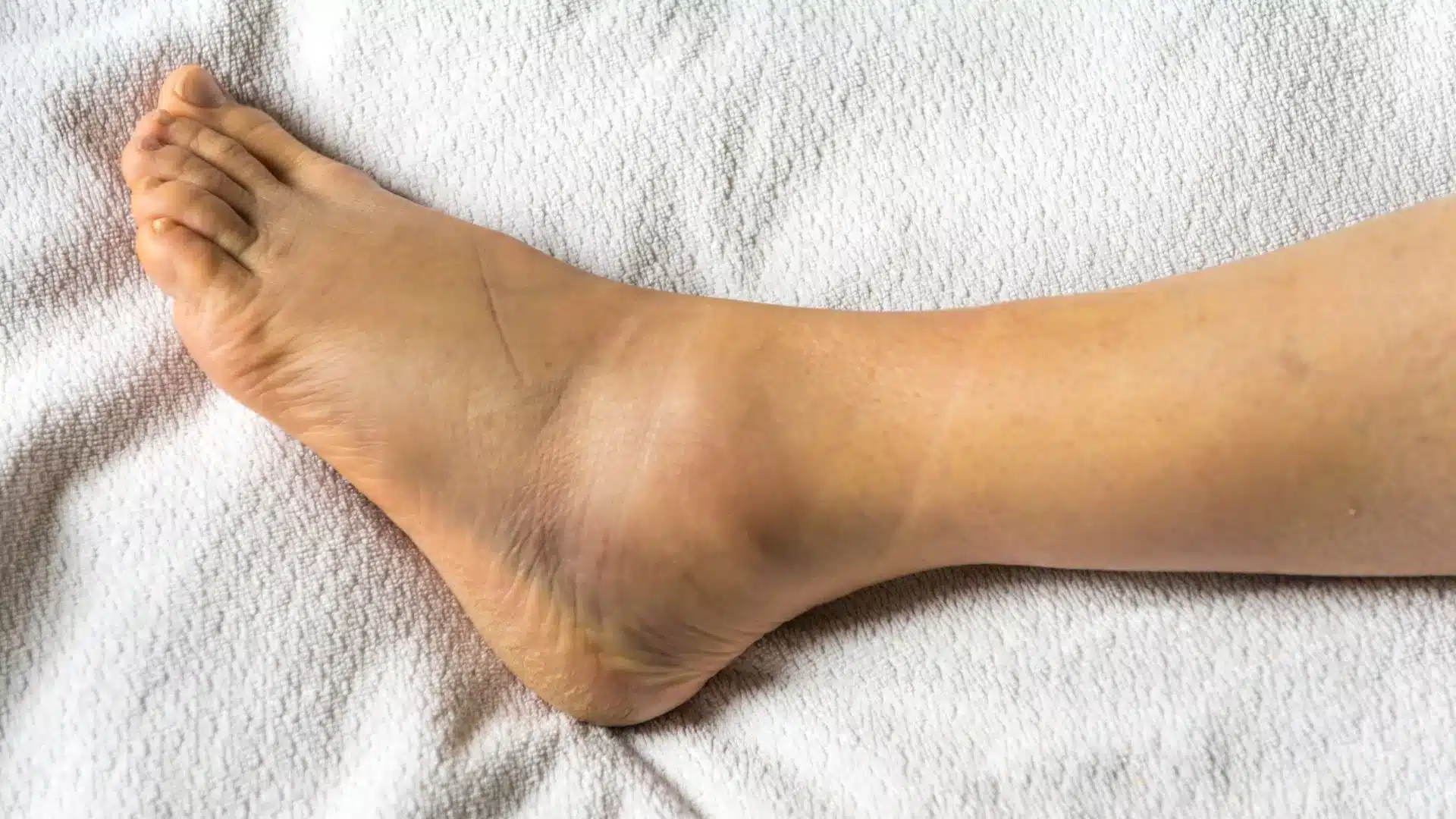
Most soft tissue injuries involve immediate pain and swelling, which can hinder the healing process if excessive. In addition to these symptoms, stiffness is common due to the trauma and swelling. Bruising may develop after 24-48 hours.
For more severe soft tissue injuries, such as those affecting muscles, tendons, and ligaments around weight-bearing joints like the hip, knee, and ankle, instability may also be experienced. Acute injuries can occur from both known and unknown incidents.
Soft tissue injuries can be classified into three grades based on severity.
A grade 1 strain or sprain is considered mild, involving only minimal over-stretching and possible minor microscopic tearing of the fibres. The symptoms include mild tenderness and minimal swelling.
A grade 2 strain or sprain is classified as moderate, involving a partial tear of the fibres, moderate pain, tenderness, and swelling. In this case, individuals cannot apply loading to the injured area without experiencing pain.
A grade 3 strain or sprain is the most severe, involving a complete rupture of the affected structure. The symptoms include significant pain and swelling, an inability to use the injured structure, and instability of the affected joint.
Understanding the severity of a soft tissue injury is crucial for proper treatment and management.
Soft Tissue Injury Wrist
A soft tissue wrist injury is usually an overuse injury that can occur from repetitive motion or a sudden impact. The most common type of wrist injury is a sprain, caused by stretching or tearing of the ligaments that connect the bones in the wrist. Symptoms of a wrist injury may include pain, swelling, and difficulty moving the wrist.
Soft Tissue Shoulder Injury
Shoulder injuries are common in sports and physical activities that involve overhead motion. Soft tissue injuries in the shoulder can affect the muscles, tendons, and ligaments that support the joint.
Rotator cuff injuries and shoulder sprains are some of the most common types of soft tissue injuries in the shoulder. Symptoms may include pain, weakness, and limited range of motion.
Soft Tissue Injury Knee
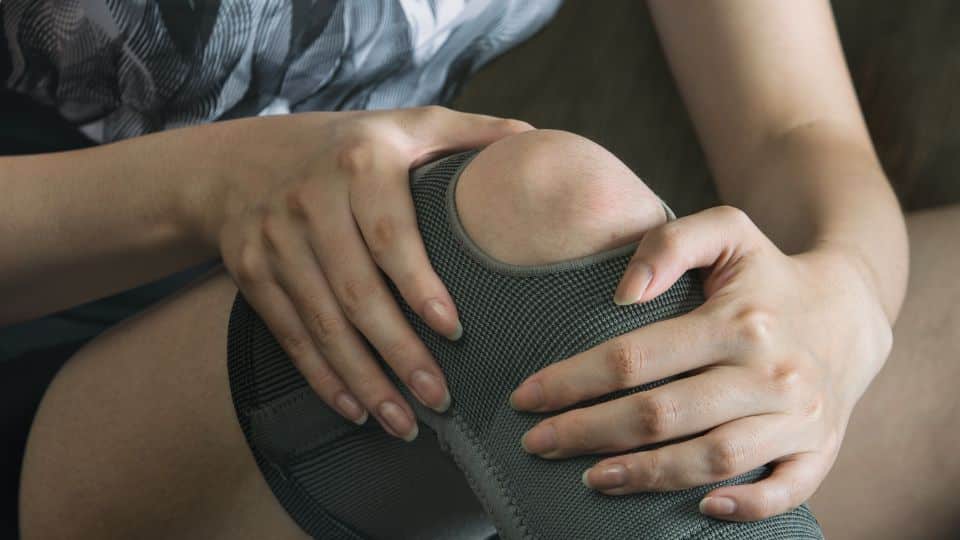
A soft tissue injury in the knee can affect the ligaments, tendons, or muscles that support the joint. Knee injuries are common in sports and activities that involve running, jumping or sudden changes in direction. Symptoms of a knee injury may include pain, swelling, and difficulty bearing weight on the affected leg.
Some common knee injuries include sprains, strains, and tears of the anterior cruciate ligament (ACL) or the meniscus, which may require surgical repair.
There are many other soft tissue injuries, and these acute injuries can include partial or complete tear and soft tissue damage.
What Is The Best Treatment For Soft Tissue Injury?
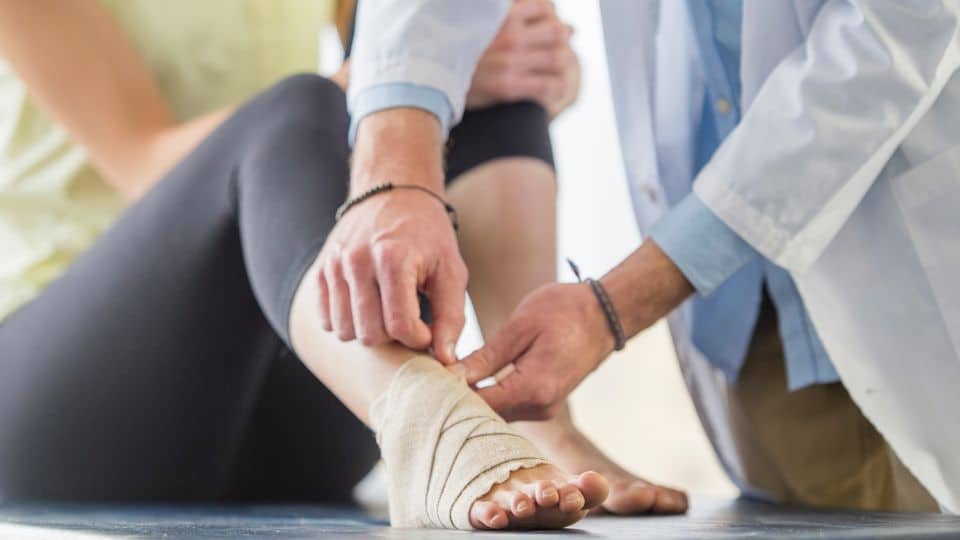
Treatment For Soft Tissue Injuries:
Soft tissue injuries such as ankle sprains or another acute injuries typically require three stages of treatment and recovery:
Stage one: The first 24-72 hours are crucial for protecting the injured area, getting an accurate diagnosis, and following the PRICE regime (protection, rest, ice, compression, elevation). Gentle, pain-free movement may also be encouraged.
Stage two involves reducing swelling and stiffness while gradually regaining normal movement.
Stage three: The final stage focuses on regaining normal function and returning to normal activities. Following a rehabilitation program that includes exercises to help strengthen and stabilise the injured area and gradually increase physical activity levels is important.
How To Treat Soft Tissue Injury?
PRICE Regime For Soft Tissue Injuries
When treating an injury like a strain or sprain, ice compression and elevation are important, but overall, you should follow the PRICE regime (protect rest ice compression and elevation) for immediate treatment:
Protect: Avoid using the affected area and refrain from stretching, which could further weaken the damaged tissue. In severe trauma cases, crutches or slings protect the injury from further damage.
Rest: Rest the affected area and avoid activities that cause significant pain. Allow sufficient time for rehabilitation, even for minor injuries.
Ice: Apply an ice pack wrapped in a damp tea towel, frozen peas, or a sports ice pack for 15-20 minutes every 3-4 hours when awake. This can help relieve pain. Avoid very cold products that may induce hypothermia or cold burns by wrapping the ice in a cloth.
Compression: Apply a firm bandage that does not restrict circulation or cause additional pain. The bandage should cover the entire joint.
Elevation: Elevate the limb above the level of the heart to help reduce swelling and control the blood flow. Use cushions or a sling to raise the limb when not walking or using it.
Pain relief and physical therapy, and anti inflammatory medication may also be necessary. Your Specialist Physiotherapist, Pharmacist, or GP can advise you on what medication to use if you need clarification.
Following the PRICE (protect rest ice compression and elevation), the regime can help minimise pain and swelling and speed up recovery. In addition to the PRICE protocol (Protection, Rest, Ice, Compression, Elevation), some other ways you can treat the area are as follows:
Physical therapy: A trained physical therapist can create an individualised exercise program to help regain strength and flexibility in the injured area.
Massage therapy: A licensed massage therapist can use massage techniques to help reduce pain and inflammation in the injured area.
Acupuncture: Acupuncture can help relieve pain and promote healing by stimulating the body’s natural healing process.
Non-steroidal anti-inflammatory drugs (NSAIDs): Over-the-counter pain relievers such as ibuprofen or aspirin can help reduce pain and inflammation.
Heat therapy: After 72 hours of injury, heat therapy can help increase blood flow to the injured area and promote healing.
Ultrasound therapy: This type of therapy uses sound waves to increase blood flow and promote healing in the injured area.
It is important to consult with a medical professional before starting any treatment plan for a soft tissue injury.
How Long Does It Take For A Soft Tissue Injury To Heal?
The recovery time for grade 1 soft tissue injuries is typically one to two weeks, while grade 2 injuries may take three to four weeks to heal. Grade 3 injuries, on the other hand, require immediate assessment and initial treatment and can have much longer recovery times.
Other factors like age, general health, and occupation can also affect recovery times. If you are unsure about the nature or extent of your injury, it’s essential to seek advice from an experienced specialist physiotherapist for proper assessment and treatment.
What Are 3 Common Soft Tissue Injuries?
Sprains occur when the ligaments, which are tough bands of tissue connecting bones at joints, are stretched or torn due to sudden trauma such as twisting or impact.
Strains happen when muscles or tendons, which attach muscles to bones, are stretched or torn due to overuse, fatigue, or sudden force.
Contusions are bruises caused by a direct blow or impact that damages blood vessels and surrounding soft tissue, resulting in swelling and pain.
What Is The Difference Between A Strain And A Sprain?
Both strains and sprains are types of soft tissue injuries, but they involve different structures in the body. A strain is a muscle or tendon injury, the fibrous tissue that attaches muscles to bones.
Strains often occur due to overstretching or overuse of the muscle or tendon and can also occur due to sudden trauma or force. Learn more about Repetitive strains here.
Soft Tissue Injuries Sprains
On the other hand, a sprain is an injury to a ligament, which is the fibrous tissue that connects bones at a joint.
Sprains often occur due to sudden twisting or impact, which causes the ligament to stretch or tear. The severity of a strain or sprain can vary, with grade 1 being mild, grade 2 being moderate, and grade 3 being severe.
While the symptoms of a strain and a sprain can be similar, such as pain, swelling, and limited mobility, it is important to differentiate between them to ensure proper treatment and management. A healthcare professional can properly diagnose the injury and recommend an appropriate course of treatment.
What Exercises Are There For Soft Tissue Injuries?
Several exercises can be helpful in the recovery process of soft tissue injuries. These exercises aim to restore the injured area’s strength, flexibility, and range of motion.
Range of motion exercises: These exercises involve moving the injured joint or muscle through its full range of motion. They can help improve flexibility and reduce stiffness.
Strengthening exercises target the muscles around the injured area and can help rebuild strength. They can include resistance band exercises, bodyweight exercises, or weightlifting.
Balance and stability exercises can be useful in restoring balance and proprioception (awareness of body position) to the injured area. Examples include standing on one leg, using a balance board, or performing stability ball exercises.
Low-impact cardiovascular exercise: Cardiovascular exercise can help improve circulation and promote healing for soft tissues. Low-impact options like swimming, cycling, or using an elliptical machine can be easier on the injured area than high-impact exercises like running.
It’s important to note that exercises should be prescribed by a qualified healthcare professional and tailored to a specific injury and individual needs. Starting too soon or performing the wrong exercises can worsen the injury.
Should I Go To a Hospital With A Soft Tissue Injury?
Generally, it’s not always necessary to go to a hospital for a soft tissue injury, especially if it’s a mild strain or sprain. However, if the injury is severe, there is excessive swelling or bruising, severe pain, or you cannot bear weight or use the affected limb, you should seek medical attention immediately.
For severe sprains and strains, you can visit your primary care physician, an urgent care centre, or an emergency room, depending on the severity of your injury and the available resources. A specialist physiotherapist can also guide and advise on appropriate treatment for your injury.
Write a short paragraph about soft tissue injury foot treatment
Treating an injury in the foot typically involves the RICE protocol. Resting the affected foot is important to prevent further injury and allow time for the soft tissues to heal. Applying ice to the area can help reduce pain and swelling. Compression can also help reduce swelling and support the injured foot.
Various exercises can help recover soft tissue injuries, depending on the specific injury and its severity. Here are some examples:
- Range of motion exercises focuses on gradually improving the joint’s range of motion without causing pain. They are beneficial for sprains and strains.
- Strengthening exercises target the injured muscle or tendon and help improve its strength and flexibility. They are suitable for moderate to severe soft tissue injuries.
- Balance and stability exercises are useful for injuries affecting weight-bearing joints like the ankle or knee. They help improve balance and stability, reducing the risk of further injury.
- Low-impact aerobic exercises: These exercises, such as walking, cycling or swimming, can help improve cardiovascular fitness without placing undue stress on the injured area. They are beneficial for those recovering from severe injuries or surgeries.
It is important to consult with a healthcare professional or a physiotherapist before starting any exercise program to ensure that the exercises are safe and appropriate for your specific injury.
Would You Like To Learn More?
Consult with your nearby doctor or healthcare provider or Visit Sports Medicine Australia (SMA)
To become more familiar with sports injuries, read our blog about concussions in sport Australia or take the opportunity to enhance your first aid skills and knowledge with our advanced first aid course.
Whether you’re a healthcare professional or simply want to be better prepared in an emergency, this course will provide the necessary training. Our experienced instructors will guide you through hands-on simulations and practical exercises, ensuring you feel confident and ready to respond to a crisis.