


- The Most Common Natural Disasters In Australia - 26/04/2023
- Soft Tissue Injuries – What Are They & How Can You Best Recover? - 26/04/2023
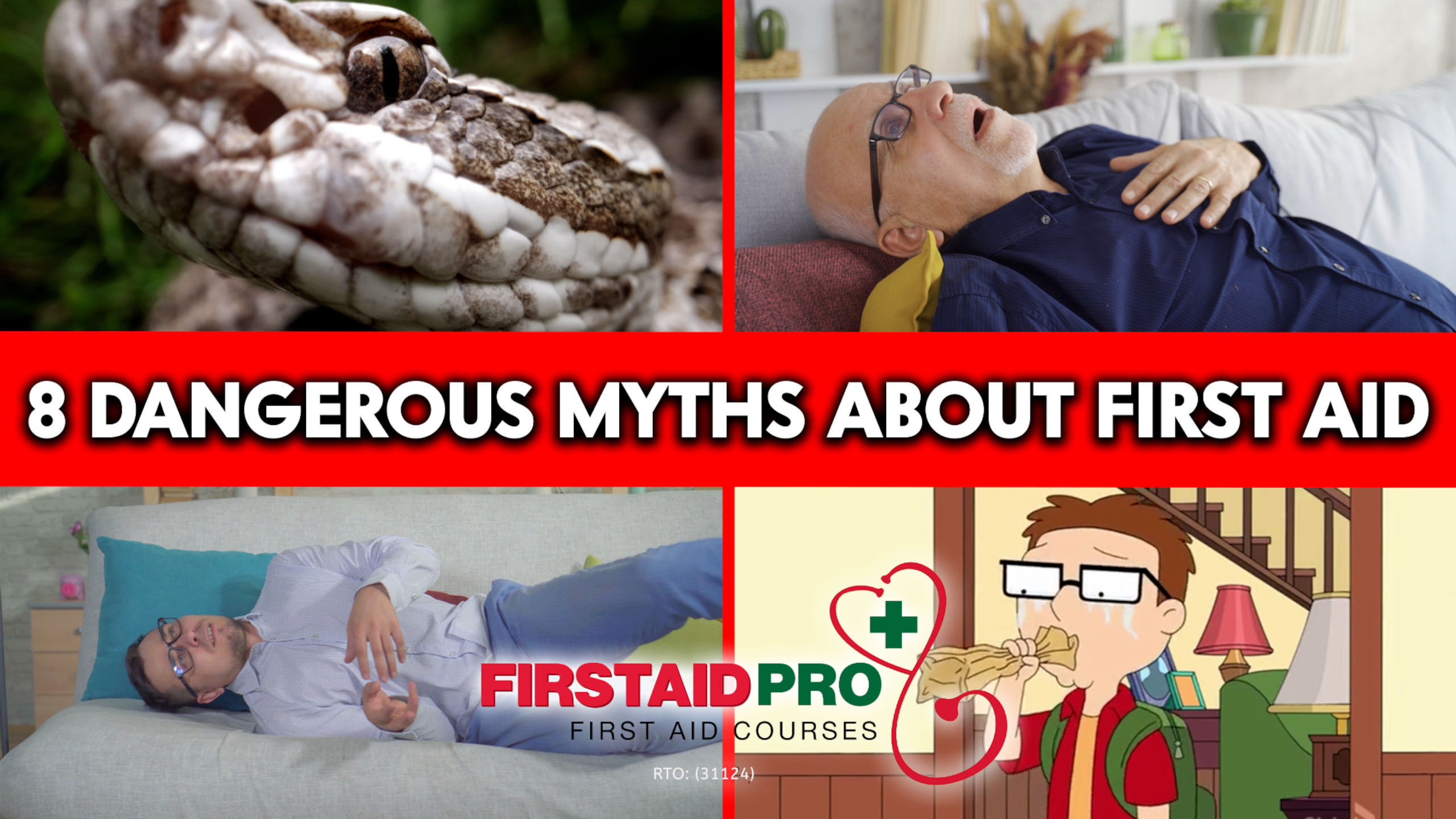
- 8 Dangerous Myths About First Aid - 24/04/2023
Sucking a Snake Bite
Leaning Back with a Nosebleed
Lie down while having a heart attack
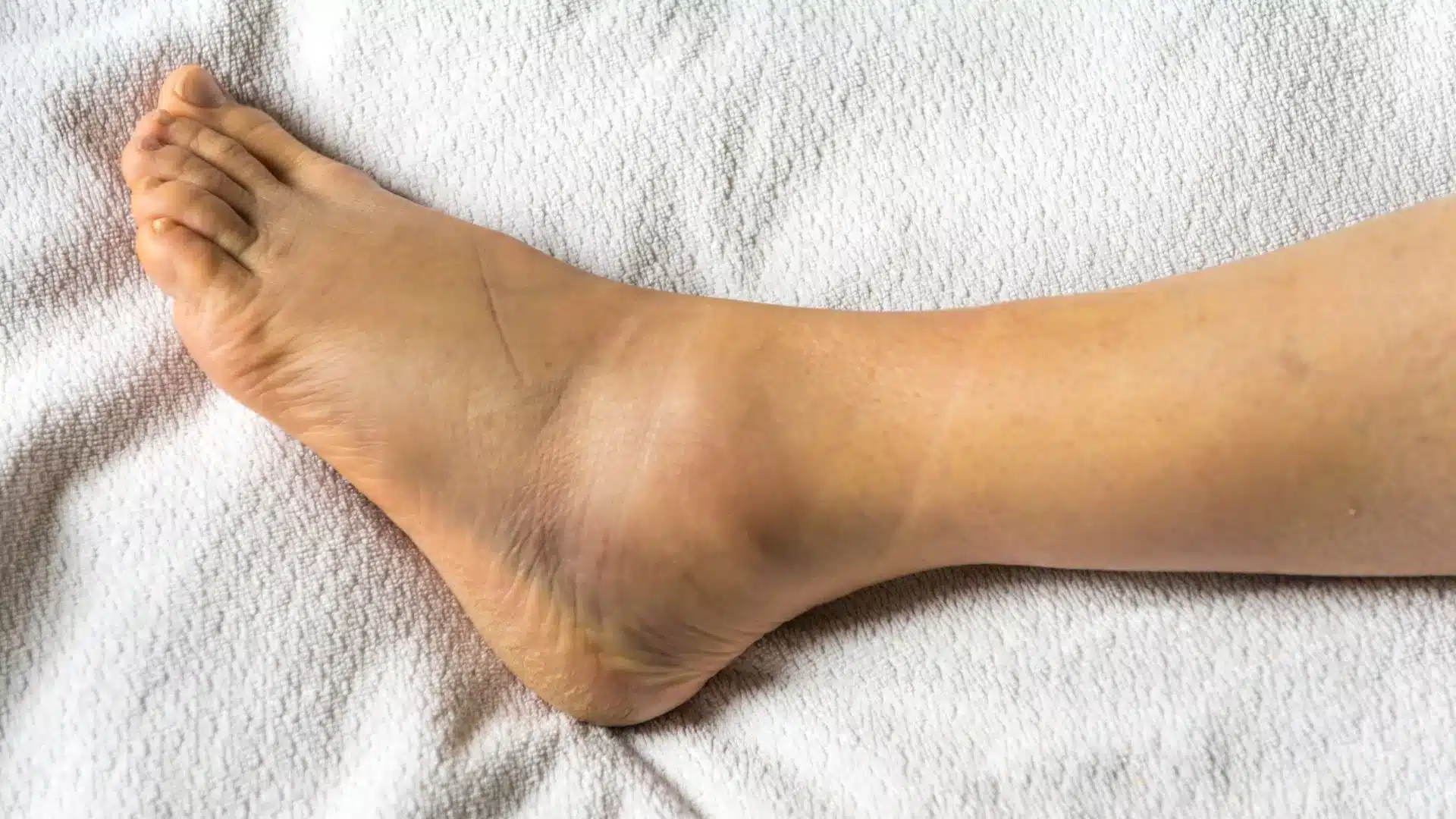
Applying heat to a sprain
Hyperventilating into a Paper Bag
Putting something in a seizing person’s mouth.
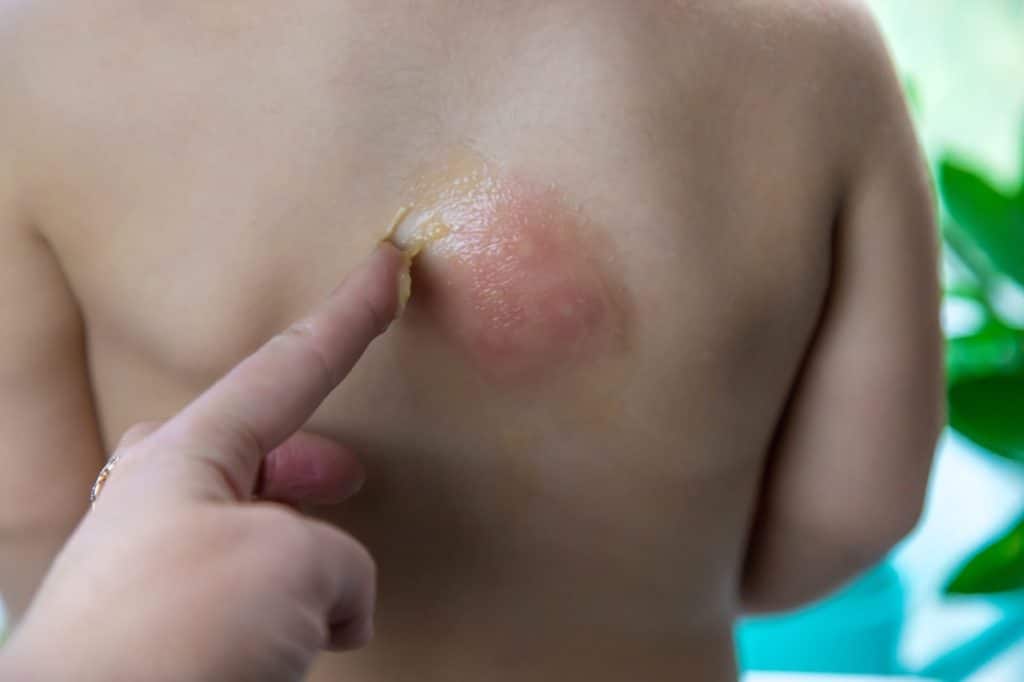
Putting Ice on a Burn
Peeing on a Jellyfish Sting
Are you tired of hearing ridiculous first aid myths that sound like they were made up by your grandma’s best friend’s neighbour’s dog? Have you ever wondered about how much of our brain we use? Or who invented CPR? Or if we should pee on a jellyfish sting? Or should you really put butter on a burn? Well, let me tell you, putting butter on a burn can actually make the burn worse.
It’s time to put those silly ideas to rest and get some real first-aid training from First Aid Pro. This article debunks some of the most popular dangerous common first aid myths.
Continue reading to ensure you do everything you should be doing in a medical emergency before applying wives’ tales and outdated myths to those in need.
Sucking On A Snake Bite
- Keep Calm
- Stay Still
- Pressure Immobilisation technique
- Compression Bandage
If you find yourself unfortunate to be bitten by a snake, you might be tempted to channel your inner cowboy and try to suck that venom out. But hold your horses because that’s just another one of the outdated first aid myths. Turns out, using suction can introduce more germs and bacteria, and you don’t want to add insult to injury now, do ya?
And if you think you can outrun the venom by galloping to the nearest help, think again! That’ll only speed up the venom’s destructive powers; we don’t want that.
Instead, pop open the first aid kit and apply the pressure immobilisation technique using a crepe bandage around the wound and follow with a compression bandage that covers the entire limb and high-tail it to the emergency department as fast as possible.
Keep the affected area still and, if possible, lower than your heart.
Let’s stick to the pro’s advice, keep it simple, and remember to leave the snake-charming to the professionals!
Leaning Back With A Nosebleed
- Pinch the Bridge
- Lean Forward
For decades, we have been encouraged to tilt our heads back when suffering from a nosebleed. Turns out this can cause the blood flow to trickle down the back of our throat and cause nausea and vomiting, which can cause more nose bleeding!
And let’s be real, no one wants to add vomit to their list of problems. So remember, pinch and lean forward, and you’ll return to your normal, upright self in no time.
Lie Down While Having A Heart Attack
- Stay in a half-seated position with a supported back
During a heart attack, blood vessels play a crucial role in the development and progression of the condition. A heart attack occurs when a blockage in the blood vessels that supply the heart with oxygen and nutrients causes damage to the heart muscle. The blockage typically forms due to the buildup of cholesterol and other substances in the artery walls, leading to clot formation.
Prompt medical attention is critical in treating a heart attack, as it can help restore blood flow to the affected area and minimize damage to the heart muscle. In some cases, medical procedures such as angioplasty or stenting may be necessary to restore blood flow to the affected area.
Often, when you feel unwell, people tell you to “go lay down” – not in this case! If you suspect you are having a heart attack (cardiac arrest), stay in a half-seated position with your knees bent and with a supported back. Lying down will make the blood flow straight to your heart, and this can cause breathing difficulties.
You can even prop yourself with some pillows and binge-watch your favourite show – oh, you should definitely call for emergency services help. So remember, skip the lying down and embrace the half-seated position. Your heart will thank you.
Applying Heat To A Sprain
- Apply cold
- See a doctor
Applying heat to a sprain is like putting out a fire with gasoline – it will only make things worse and cause more harm. When applied to an area, ice reduces the blood flow, resulting in less swelling, whereas heat increases blood flow to an area and can cause more swelling.
Instead, apply cold to the affected area, such as an ice pack. It will reduce swelling and pain. If you haven’t got an ice pack handy, raid your freezer for frozen peas or something of the like.
If the pain persists or you’re concerned about the severity of the sprain, don’t hesitate to see a doctor. They can give you proper treatment.
So remember, cold is your friend when it comes to sprains, and if in doubt, seek medical advice.
Hyperventilating Into A Paper Bag
- Breath through pursed lips
- Seek medical advice if hyperventilating doesn’t stop
Hyperventilating into a paper bag does not work. Try breathing through pursed lips. It might make you look like a fish out of the water, but trust me; it’s a more effective way to regulate your breathing.
If hyperventilating doesn’t stop, don’t hesitate to seek medical attention. After all, it’s better to be safe than sorry. You might even get to show off your fish impression to the medical staff – talk about a win-win situation.
So remember, skip the paper bag and purse those lips. Your body will thank you, and you might even impress a few people.
Putting Something In A Seizing Person’s Mouth
- Recovery position
- Remove hazards
- Place a pillow under the head
Place the person in recovery, remove any hazards around them, and place a pillow under their head. It’s like giving them a cozy little nest to ride out the seizure. Plus, you can channel your inner interior designer and make sure the pillow matches the decor.
But seriously, placing something in a seizing person’s mouth can cause injury to their teeth or jaw, and it won’t help their breathing. Not to mention you could also lose a finger… ouch!
So remember, skip the foreign object and focus on creating a safe and comfortable environment for the person having a seizure. You’ve got this!
Putting Ice On A Burn
- Run under cool water
- Seek medical advice if blisters form
Run the affected area under cool water for 10 to 15 minutes. It might not be as exciting as throwing ice cubes, but it’s a more effective way to cool down minor burns and prevent further damage and make the burn worse.
If blisters form or you’re concerned about the severity of the burn, don’t hesitate to get medical treatment. A professional can provide the proper treatment and even give tips for avoiding burns. So remember, cold water is your friend for burns.
Peeing On A Jellyfish Sting
- Rinse with SALT water
- Avoid FRESH water
- Treat with Vinegar or baking soda
- Apply Ice
- Seek further medical attention
Ah, the infamous “peeing on a jellyfish sting” myth. It’s like trying to cure a headache by hitting yourself in the head with a hammer – it won’t work and might even make things worse.
Instead, rinse the affected area with salt water and avoid fresh water, which can worsen the sting. You can also treat the sting with vinegar or baking soda, which can help neutralize the toxins. And if the pain persists, apply ice or a cold compress to the affected area and seek further medical attention.
A professional can give you the proper treatment and help prevent potential infections. So remember, skip the pee and stick to the salt water, vinegar, and baking soda.
What To Include In A First Aid Kit
Ever wanted to know what should be in your first aid kit? Here’s a detailed list of what the contents of a basic first aid kit should include:
- Bandages made of crepe and elastic, in different widths
- Hypoallergenic tape for the skin
- Triangular bandages
- Adhesive strips for dressing (such as bandaids) in various sizes
- Gauze swabs
- Combine dressing pads (10cm x 10cm)
- Non-stick dressing pads (7.5cm x 10cm)
- Sterile eye pad
- Alcohol swabs
- sharp/blunt stainless steel scissors
- Disposable gloves
- Tweezers with pointed splinter forceps
- Thermal blanket for shock treatment
- Safety pins
- Notepad and permanent marker
- Sterile saline tubes/sachets
- Disposable resuscitation face shield
- Antiseptic skin swabs
- Cream for stopping itch
- First aid manual
- Rubbish bags for disposing of waste
What Is The Recovery Position?
In first aid treatment, the Recovery position is a technique used for unconscious casualties to position them on their side to provide physical support to their body.
To Place Someone In The Recovery Position, Follow These Simple Steps:
- Assume kneeling next to the person lying on their back.
- Extend the arm closest to you at a 90-degree angle to the body, with the palm facing upward.
- Fold their other arm and position the back of their hand on the cheek nearest to you, securing it in place.
- Utilise your free hand to bend the farthest knee from you at a right angle.
- With caution, turn the person onto their side by pulling their bent knee towards you.
- The curved arm should prop up their head while the extended arm prevents over-rotation.
- Verify that the bent leg is at a 90-degree angle.
- Tilt their head back and lift their chin to unblock their airway and ensure no obstructions.
- Remain by the person’s side and monitor their condition until medical assistance arrives.
Spinal Injury
If you have reason to believe that someone has sustained a spinal injury, you mustn’t attempt to move them, as doing so could result in permanent paralysis or other severe complications.
To determine whether a person may have a spinal injury, you should look for signs such as evidence of a head injury accompanied by a change in the person’s level of consciousness, complaints of severe neck or back pain, the substantial force being applied to the head or back, complaints of weakness, numbness, or paralysis, or abnormal positioning of the neck or body.
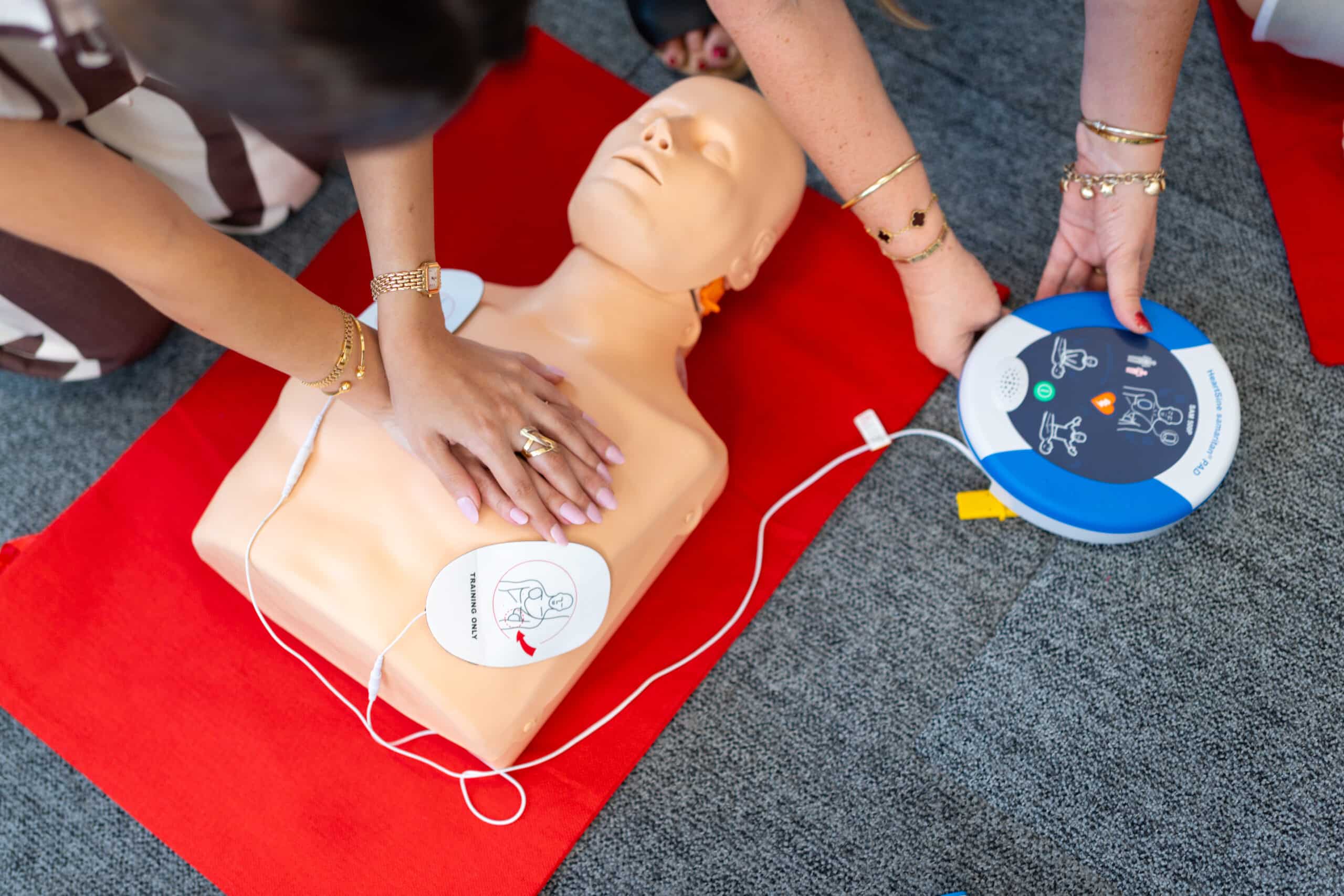
What Is CPR?
Cardiopulmonary resuscitation (CPR) is an essential technique to save lives in various emergencies, such as heart attacks or near-drowning incidents, where an individual’s breathing or heartbeat has ceased. According to the American Heart Association, CPR (cardiopulmonary resuscitation), or in other words, “mouth to mouth,” should begin with firm and rapid chest compressions, a hands-on technique recommended for untrained bystanders and first responders.
The Chest compressions imitate how the heart functions by supplying oxygenated blood to the brain and heart, sustaining these vital organs until defibrillation is administered to restore the heart’s normal rhythm.
First Aid Myths
Avoiding first aid myths and getting actual training is essential for ensuring the safety of those around us. Myths and misconceptions about first aid can be dangerous and potentially worsen an injury or illness.
Basic training can help individuals learn the proper techniques and procedures for providing effective first aid in various emergencies. This training can also help individuals feel more confident and prepared to handle emergencies. It is important to remember that first aid is a serious matter, and misinformation can be harmful. Therefore, seeking proper training and staying up-to-date with current first aid practices is always best.
First Aid Training
Our expert instructors will teach you the correct techniques to handle any emergency situation without resorting to old wives’ tales. First aid courses and CPR training can be incredibly helpful in many situations.
Accidents and injuries can happen anytime, and having the knowledge and skills to provide basic first aid treatment could save someone’s life.
In a medical emergency, it can take some time for professional medical help to arrive, and being able to provide initial assistance can make a huge difference in the outcome. Having first aid skills can give you the confidence to take action in an emergency and help you feel more prepared and in control.
So don’t become a victim of first aid myths – sign up for a First Aid Pro course today and let us show you how to save lives without leeches or a crystal ball in one of our advance and basic first aid course sessions.